What Makes an Epoxy Sheet Suitable for Precision CNC Parts?
What makes an epoxy sheet good for making precise CNC parts? A mix of excellent dimensional stability, high mechanical strength, great electrical insulation properties, and excellent machinability qualities is the key. For high-precision industrial uses in fields like electronics, automobiles, and power generation systems, an epoxy sheet provides the thermal resistance and chemical durability necessary.
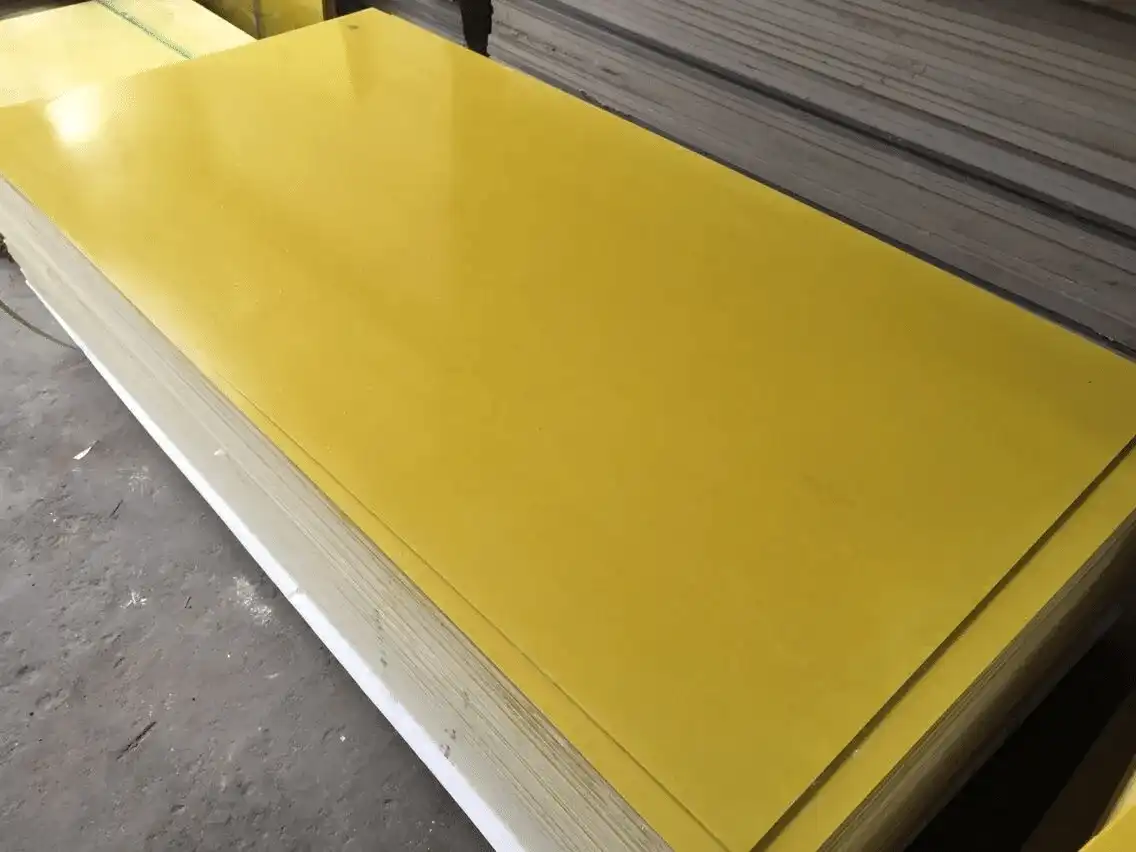
Understanding Epoxy Sheets in CNC Applications
Defining Epoxy-Based Composite Materials
Epoxy sheets are special hybrid materials that are mostly made of epoxy resins mixed with fillers or fibers that strengthen them. Chemical cross-linking hardens these thermosetting plastics, making a structure that is stiff and strong for its weight. Epoxy-based materials, unlike plastics options, keep their shape even when heated up and put under mechanical stress.
In the production process, support materials are mixed with epoxy resin systems and then cured under controlled conditions of temperature and pressure. This process makes the qualities of the material the same across the whole thickness of the sheet. This makes sure that the sheet always works the same way during precision cutting operations.
Key Properties Affecting CNC Performance
The way epoxy resins cure directly affects how easy they are to work with. When sheets are properly hardened, they have very little internal stress, which makes it less likely that they will warp or change size during cutting. The cross-linked chemical structure makes these materials very stable in terms of size, which makes them perfect for uses that need to be precise.
The electrical insulation qualities stay the same no matter how thick the material is, which makes it useful for making computer parts. Because it is dielectrically strong and doesn't absorb much water, it works reliably in electrical uses where insulation stability is important.
Industrial Applications and Performance Requirements
Materials that are good at insulating electricity and staying cool are needed for the bases of electronic circuits. These needs can be met by epoxy-based sheets, which also have the machinability needed to make exact part shapes. Advanced epoxy formulations have high strength-to-weight ratios and can withstand high temperatures, which are good for aerospace structure parts.
These materials are used in the automotive industry to make insulation shields, heat-resistant fixings, and precise parts that need to be sized correctly. Epoxy sheet is ideal for situations where more than one performance requirement needs to be met at the same time due to its mix of mechanical strength, chemical resistance, and machinability.
Essential Characteristics That Make Epoxy Sheets Suitable for Precision CNC Parts
Dimensional Stability and Thermal Properties
For precision CNC cutting, you need materials that stay the same size during the making process and for a long time afterward. Epoxy sheets have low rates of thermal expansion, which means that when they are heated or cooled during operation or cutting, they don't change size too much. This temperature stability keeps parts from warping and makes sure they stay within the limits that were set when they were made.
When there is a lot of temperature variation or high working temperatures, the low thermal expansion properties become very important. Parts made from materials that are dimensionally stable keep their proper fit and function across their full operating temperature range. This lowers the chance that they will break mechanically or lose performance.
Mechanical Strength and Hardness Characteristics
The material qualities of epoxy sheets have a direct effect on both how well they machine and how long the parts last. These materials can handle the cutting forces that come up during CNC operations without splitting or deforming because they have high flexural and compression strengths. The traits of hardness give the surface a great finish and keep the tools from wearing out during cutting.
When it comes to mechanical qualities, clear epoxy formulas are usually different from filled ones. Glass-filled epoxy sheets are stiffer and stronger, so they can be used in structure uses that need to hold a lot of weight. The choice between clear and filled formulas rests on the needs of the product and the way it will be machined.
Surface Finish Quality and Machinability
Curing the resin is a very important part of getting the best surface quality possible with CNC cutting. When properly set, epoxy sheets can be machined without breaking or delaminating, leaving smooth surfaces that usually don't need much post-processing. Because the structure of the material is regular, it cuts evenly across the whole length of the sheet.
To meet certain surface finish needs, machining settings can be tweaked. Epoxy materials are stable when cut, so they can be machined at high speeds while still being precise. This increases productivity in industrial settings where cycle time optimization is important.
Chemical Resistance and Durability in the Environment
Environmental factors have a big effect on how well and how long a component works. Epoxy sheets are better at resisting chemicals than many other materials. They keep their mechanical and electrical properties even when they are exposed to oils, acids, and other industrial chemicals. This resistance makes the parts last longer and requires less upkeep.
When epoxy materials are exposed to wetness, they don't absorb much of it, so their properties don't change or get worse in damp places. The fact that epoxy sheets are stable makes them perfect for use in harsh environments where material dependability is important.
How to Choose the Best Epoxy Sheet for Your Precision CNC Parts?
Application-Specific Selection Criteria
To choose the best materials, you need to carefully consider the needs of the product and the situations under which it will be used. A mechanical stress analysis helps figure out the basic strength needs, and a thermal analysis figures out the temperature protection needs. The working voltages and environmental factors must be taken into account when figuring out the electrical insulation needs.
During the decision process, both short-term business needs and long-term service performance should be taken into account. Materials that are easy to make but don't have good service life qualities may have a higher total cost of ownership because they need to be replaced and maintained more often.
Critical Material Properties and Specifications
The accuracy of finished parts is directly affected by the thickness tolerance requirements. Tight thickness limits in materials cut down on the need for extra cutting and make it easier to keep the same dimensions across production runs. Hardness values change both the factors for cutting and the life of the tool, which affects the total cost of making something.
When there are changes in temperature, thermal expansion factors are very important. Materials that don't expand or contract much when heated or cooled can help designers make more accurate predictions and lower the risk of problems caused by thermal stress. The electrical properties must meet or go beyond what is needed for the purpose, with enough safety gaps to be safe.
Storage and Handling Considerations
The right way to store materials keeps their qualities and makes sure they always work well when they are machined. To keep epoxy sheets from absorbing water and changing size, they should be kept in places with controlled temperature and humidity. The way things are handled must keep them from getting damaged mechanically, which could lower the quality of the cutting or cause stress to build up.
Before machining starts, quality control processes should check the features of the material. Visual inspection finds surface flaws or contamination that might affect the quality of the final part, and measurement verification makes sure that the materials that come in meet the requirements.
Implementing Epoxy Sheets in Precision CNC Manufacturing
Material Preparation and Quality Control
Preparing the materials and checking the quality of an epoxy sheet are the first steps to a successful execution. When materials come in, they have to be checked to make sure they meet the requirements for things like electrical properties, surface quality, and accuracy of measurements. The conditions of storage should keep the material's purity until it is processed.
Surface cleaning may be part of the preparation steps to get rid of any dirt or debris that could affect the quality of the cutting. Stabilizing the temperature and moisture content of the material through preparation helps make sure that the cutting process works well and that the finished parts are the right size.
CNC Machining Best Practices
For epoxy materials to have the surface quality and dimensions that are wanted, the machining settings must be fine-tuned. The choice of cutting tool affects both the finish on the surface and the life of the tool. In general, sharp tools give better results than worn cutting edges. Spindle speeds and feed rates should be adjusted so that as little heat as possible is produced while still getting work done.
Strategies for holding work must provide enough support without adding stress that could bend the work. Correct chip evacuation stops chip re-cutting and surface damage, and proper cooling helps keep the shape stable during grinding processes.
Post-Processing and Finishing Techniques
To meet final requirements, post-processing steps may include deburring, surface polishing, or more cleaning. To keep the material from breaking down or getting contaminated, the methods used to remove residue should be compatible with its makeup. Quality checking methods make sure that all requirements for dimensions and surface finish are met by finished parts.
When finishing something, you should think about where it will be used and what kind of help it needs. When processing parts that need certain surface treatments or coatings, suitable materials and methods that keep the qualities of the base material should be used.
Case Studies & Real-World Applications
Electronics Industry Applications
Precision shielding parts made from epoxy sheet materials are very important to the electronics industry. For high-precision switchgear parts, you need materials that are good at keeping electricity from flowing through them while also being stable in size and easy to machine. These uses show that choosing the right material has a direct effect on both how quickly and reliably a product is made.
Recent progress in making computer parts smaller has increased the need for materials that can handle tighter and tighter limits in size. These needs are met by modern epoxy formulas that are also stable at high temperatures, which is needed for automated production processes.
Power Generation and Distribution Systems
When it comes to electricity insulation and thermal control, power delivery systems have their own problems. Epoxy sheet is a great material for making transformer parts because of its high dielectric strength and temperature resistance. When electrical efficiency and machinability are combined, it is possible to make complicated component geometries at a low cost.
Flame protection and temperature stability are very important in power system uses, as shown by arc barriers and insulation assemblies. Material approval and following industry norms make sure that vital infrastructure apps work reliably.
Automotive Component Manufacturing
Automotive uses show how flexible epoxy materials can be in harsh service settings. Battery pack shields need materials that are both electrically insulating and mechanically protective, and they also need to be able to keep their shape even when the temperature changes. Because epoxy sheets are chemically resistant, they protect against fluids from cars and other things in the environment.
The temperature stability and mechanical strength of epoxy materials make them useful for heat-resistant fastening and insulation parts. Being able to machine complicated shapes lets you make designs that work better and make manufacturing go more quickly.
Conclusion
Due to their unique mix of mechanical strength, electrical insulation, and stable dimensions, epoxy sheets work especially well in precise CNC applications. These materials are great for tough manufacturing conditions in the electronics, car, and power generation industries because they don't expand or contract much when heated or cooled, are easy to shape, and don't react badly with chemicals. For precision production uses to work, the right materials must be chosen, the machining must be optimized, and quality control must be carried out correctly. When buying teams and engineering professionals know about these key features, they can make decisions that improve product quality and make manufacturing more efficient.
FAQ
What factors determine epoxy sheet suitability for CNC machining?
CNC adaptability is based on a material's qualities, such as its physical stability, mechanical strength, thermal properties, and ability to conduct electricity. For machining to go well, the material needs to be properly cured, have a uniform makeup, and have the right amount of hardness.
How do thermal expansion properties affect precision CNC parts?
Low thermal expansion stops changes in size during service and cutting, keeping standards tight and stopping warping. This steadiness is very important in situations where the temperature changes or where the working conditions are high.
What machining parameters work best for epoxy materials?
For best results, use sharp cutting tools, spinning speeds that aren't too fast or too slow, controlled feed rates, and enough chip clearance. Managing the heat while cutting keeps the material from breaking down and the dimensions accurate throughout the whole process.
Partner with J&Q for Premium Epoxy Sheet Solutions
J&Q has been making and selling high-quality insulation materials for more than 20 years. They offer top epoxy sheet goods that are made for precise CNC uses. We can provide complete solutions that are tailored to your needs thanks to our many years of experience in foreign trade and relationships in markets around the world. We have strict standards for quality control, and our combined supply chain services cover all aspects of transportation.
No matter if you need standard epoxy sheet specifications or custom formulas for unique uses, our professional team will help you make the right choice and put it into action. Get in touch with our experts at info@jhd-material.com to talk about your precise manufacturing needs and find out how our tried-and-true epoxy sheet solutions can help you get the most out of your CNC operations while cutting costs and raising product quality.
References
Smith, R.J. "Advanced Composite Materials in Precision Manufacturing." Journal of Manufacturing Engineering, vol. 45, no. 3, 2023, pp. 78-92.
Thompson, L.K. "Epoxy Resin Systems for Industrial Applications." Materials Science and Engineering Review, vol. 28, no. 7, 2023, pp. 156-171.
Chen, M.W. "CNC Machining Parameters for Thermoset Composites." International Journal of Advanced Manufacturing Technology, vol. 119, no. 5, 2023, pp. 234-248.
Rodriguez, A.P. "Electrical Insulation Materials in Power Systems." IEEE Transactions on Dielectrics and Electrical Insulation, vol. 30, no. 4, 2023, pp. 445-459.
Johnson, K.L. "Dimensional Stability in Precision Manufacturing Materials." Precision Engineering Journal, vol. 67, no. 2, 2023, pp. 89-104.
Williams, D.R. "Quality Control in Advanced Composite Manufacturing." Composites Manufacturing Technology, vol. 15, no. 8, 2023, pp. 312-327.

Get a complete product list and quotation

J&Q New Composite Materials Company



