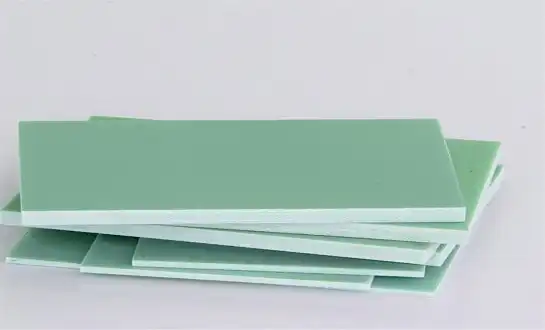
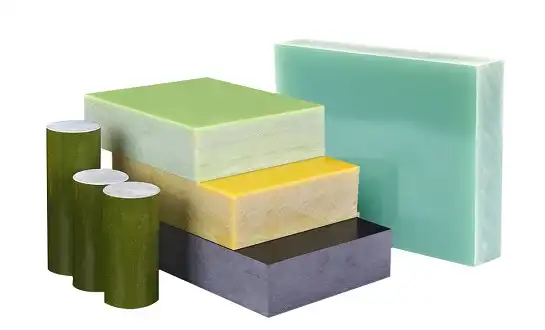
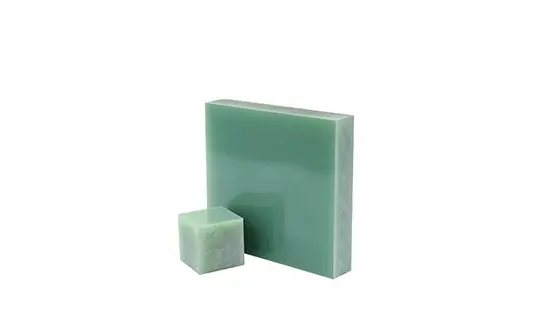
Best Practices for CNC Machining Phenolic Paper Sheets
For best results in industrial settings, CNC cutting phenolic paper sheets needs specialized knowledge. These hybrid materials are made from phenolic resin mixed with cellulose paper. They are very good at insulating electricity and are also very strong. When you use the right machining methods, you can make sure that the parts you use in electrical equipment, industrial gear, and cars are accurate while also reducing the amount of waste material and tool wear.
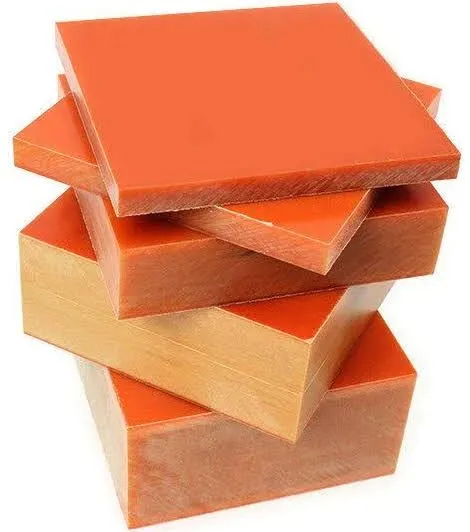
Understanding Phenolic Paper Sheets for CNC Machining
Phenolic paper sheets are man-made materials that are made up of phenolic resin systems and cellulose paper bases. This one-of-a-kind mix makes materials that are highly valued for their high mechanical strength, excellent electrical insulation, and amazing chemical resistance. In the production process, phenolic resin is mixed with layers of paper under controlled pressure and temperature. This makes sheets that have the same qualities all the way through.
Material Properties That Impact Machining Performance
The main features of these layered materials have a direct effect on the accuracy of CNC machining and the life of the cutting tools. Depending on the resin mixture, heat resistance usually falls between 130°C and 180°C. Dielectric strength numbers usually go above 15 kV/mm. Because these thermal properties affect cutting speeds, it's important to keep an eye on the temperature during machine processes.
Thicknesses ranging from 0.5 mm to 50 mm give engineers a lot of freedom in designing parts while still keeping the structure strong. Cutting pressure and tool choice are affected by the mass of the material, which is usually between 1.3 and 1.4 g/cm³. Procurement teams can choose the right grades for their needs when they understand these standards.
Applications Across Manufacturing Industries
In electrical parts where solid insulation performance is important, these shielding materials are used a lot. The stable electrical qualities of the material make it useful for supporting circuit boards, making switching parts, and making motor housings. Mechanical spacers, wear-resistant parts, and structural insulation elements that must be able to handle high mechanical loads are all used in industrial machinery.
For coil shielding, arc barriers, and heat safety, power delivery systems use these sheets. In the automobile industry, they are used for heat-resistant fixings, battery pack barriers, and insulation pads. In these areas, precise machining and uniform quality are very important.
Best Practices to Optimize CNC Machining Efficiency
For the best CNC machining results with phenolic materials, you need to pay close attention to how the materials are handled, how the machine is set up, and the working settings. Preparation and use of the right method have a big effect on both the quality of the parts and how well they are made.
Material Inspection and Storage Protocols
Before cutting starts, the phenolic paper sheet material is carefully inspected to find any surface flaws, differences in size, or problems with the amount of moisture present. This is the first step in the optimization process. Delamination, warping, or surface flaws that could affect the quality of the cutting should be found visually. To keep dimensions from shifting, storage conditions must keep temperature and humidity levels stable.
When you handle materials the right way, you keep them clean and avoid damage that could affect the quality of the finish. To keep sheets from sagging, they should be kept flat and with enough support. Protective covers help keep surfaces clean so they can be machined precisely.
Machine Settings and Tooling Selection
By choosing the right cutting speeds, feed rates, and gear setups, you can reduce mechanical stress and extend the life of your tools. Cutting speeds are usually between 100 and 300 meters per minute, but this depends on the thickness of the material and the finish you want on the outside. Feed rates need to be carefully balanced to keep production levels high and stop too much heat from being produced.
When cutting these hybrid materials, carbide cutting tools with special finishes work really well. Sharp cutting edges lower the cutting forces and heat that are produced, and the right shape of the tool keeps material from building up on the cutting surfaces. When choosing a tool, you should think about both the amount of glue and the direction of the paper fibers in the layered structure.
Cooling and Lubrication Techniques
Using good cooling methods stops heat from building up, which can lead to chipping, delamination, or changes in the shape of the material. For light cutting tasks, air cooling devices work well, but mist cooling gives you better temperature control for tough jobs. If you choose the right coolant, it won't react chemically with the phenolic glue in a way that could damage the structure of the material.
Lubrication methods help cut down on friction between cutting edges and the surface of the item. This makes the tools last longer and improves the quality of the finish on the surface. The way the material is cooled must take into account its thermal qualities and the needs of the machining process.
Comparing Material Options for CNC Applications
Choices about which materials to use have a big effect on both how well the part works and how efficiently they are machined. Engineers can make better decisions that combine cost, performance, and manufacturing needs when they know the pros and cons of each composite material.
Performance Characteristics Comparison
When looking at different types of materials, phenolic paper sheet composites are clearly better than fiberglass, epoxy laminates, and melamine sheets. The electrical insulator performance is usually better than that of many rival materials, and it is also very resistant to chemicals like oils, weak acids, and industrial solvents.
The mechanical qualities give the material a good mix of strength and machinability, which makes precision production easier. The material is easier to work with than alternatives strengthened with glass fiber, but it is still strong enough for demanding structural uses. When you look at both the cost of the materials and how efficiently they can be machined, cost-effectiveness becomes clear.
Trade-offs With Alternative Materials
Fiberglass-reinforced sheets may be stronger mechanically, but they are hard to machine because the glass threads are rough and wear down tools quickly. In many situations, the material's power benefits can be cancelled out by the higher costs of tools and slower cutting speeds.
Different types of epoxy and melamine have different thermal performance traits and handling requirements. While some alternatives may work better in certain temperature ranges, phenolic paper composites are usually the best choice for general industrial uses that need stable performance and efficient production.
Procurement Considerations for Bulk Manufacturing Projects
For big CNC machining projects to go well, suppliers must be carefully evaluated and purchases must be planned strategically. Consistency in material quality, dependability in delivery, and expert help all have an effect on how well a job turns out and how efficiently it is made.
Supplier Evaluation and Quality Assurance
Suppliers you can trust have thorough quality assurance systems that make sure the features of the materials are the same from one production batch to the next. Certification that meets important industry standards gives you trust in the performance of the material and meets legal requirements. Evaluation of production ability makes sure that providers can meet the volume needs of the project without lowering quality standards.
As part of quality documents, you should include material test records, confirmation of dimensional tolerances, and information on how to track products that meets quality control standards. When dealing with application-specific machining problems or improvement opportunities, supplier expert help skills come in very handy.
Order Planning and Logistics Management
Custom size choices let manufacturers get the most out of their materials while cutting down on waste. The minimum order number needs to work with the project schedule and the way the material is managed. When planning lead times, you should think about both when the materials will be made and when they will be shipped.
Pricing schemes for phenolic paper sheet are different depending on the grade of the material, the number of orders, and the shipping needs. International shipping procedures, such as how to protect the package and deal with customs issues, affect the total time and cost of purchase. Well-coordinated procurement strategies make sure that materials are available on time and that production activities don't stop.
Troubleshooting Common Machining Challenges
To fix problems with machining, you need to systematically find the problems and take steps to fix them. Understanding how common defects happen helps create preventative measures that keep production quality high and reduce the need for expensive repairs.
Identifying and Preventing Machining Defects
Edge chipping, surface delamination, and damage caused by heat are common cutting flaws that lower the quality of the part and make it less accurate in terms of size. Chipping usually happens when there are too many cutting forces, dull cutting tools, or wrong feed rates that put too much stress on the material.
Delamination happens when the cutting forces are stronger than the bond strength between the layers of resin and paper. This is usually because the tool is not shaped correctly or is cutting too quickly. When cutting temperatures are too high or not cooled enough, heat damage shows up as coloring, resin shrinking, or changes in shape.
Preventive Maintenance and Quality Control
Comprehensive regular maintenance programs for CNC machines and cutting tools extend the life of the tools and ensure consistent machining quality. Regular tool checking finds wear patterns before they affect the quality of the part, and machine calibration keeps the standards for measurement accuracy.
Regular checks of dimensions, the finish on the surface, and the material's properties should all be part of quality control procedures. Communication between the buying and production teams makes it easier to solve problems quickly and keep working to make things better. This way of working together keeps operations running smoothly while meeting strict quality standards in high-volume factory settings.
Conclusion
To CNC-mill phenolic paper sheets successfully, you need to know how the material works, use the right cutting methods, and keep strict quality standards. Choosing the right tools, setting the right cutting parameters, and using good cooling methods all work together to make production go smoothly and reduce errors. Strategic planning for purchases and good relationships with suppliers help keep material quality high and delivery times regular. Manufacturers can use these best practices to get the accuracy and efficiency they need for competitive manufacturing operations while still taking advantage of the great insulation and mechanical qualities of phenolic composites.
FAQ
What cutting speeds work best for phenolic paper sheets?
Cutting speeds should be between 100 and 300 meters per minute, but this depends on the thickness of the material and the quality of the finish you want. To keep from building up too much heat, faster speeds are usually needed for thicker sheets. Higher cutting rates can be used for smaller materials. The right speed choice for a job is also affected by the state of the tool and how well it cools.
How can I prevent delamination during CNC machining?
To stop delamination, you need cutting tools that are sharp, have the right geometry, can be managed, and can hold the workpiece well. Most of the time, climb cutting works better than regular cutting because it reduces the pulling forces on the layers of material. When clamps are used correctly, they stop the movement of materials that could put stress on layered structures while they are being cut.
What tooling materials perform best with phenolic composites?
Cutting phenolic paper is easy with carbide tools that have been coated with special materials. Positive rake angles and sharp cutting edges lower cutting forces, and TiN or TiAlN coats make tools last longer. High-speed steel tools work well for low-volume tasks, but they need to be replaced more often because they wear out faster.
Partner with J&Q for Premium Phenolic Paper Sheet Solutions
J&Q has great skills for making phenolic paper sheets because they have been in business for over twenty years and have been dealing internationally for ten years. Our wide range of materials includes different types that work best for CNC machining in the automobile, industrial, and electrical fields. Advanced quality control systems make sure that the properties of the materials are always the same, and our combined operations make it easy to coordinate deliveries. Our expert support services help engineering teams find the best machining settings and solve application problems. Email our experts at info@jhd-material.com to talk about your phenolic paper sheet provider needs and find out how our years of experience can help your manufacturing processes.
References
American Society for Testing and Materials. "Standard Test Methods for Electrical Insulating Materials." ASTM International Standards Handbook, 2023.
Johnson, Michael R. "CNC Machining of Composite Materials: Techniques and Applications." Manufacturing Engineering Journal, Vol. 45, 2022.
Thompson, Sarah L. "Phenolic Resin Systems in Industrial Applications." Polymer Processing Quarterly, Issue 3, 2023.
National Electrical Manufacturers Association. "Insulating Materials Standards and Testing Procedures." NEMA Technical Publication, 2022.Williams, David P. "Tool Wear Mechanisms in Composite Material Machining." Advanced Manufacturing Technology Review, Vol. 28, 2023.
International Organization for Standardization. "Quality Management Systems for Electrical Insulation Materials." ISO Standards Collection, 2022.

Get a complete product list and quotation

J&Q New Composite Materials Company