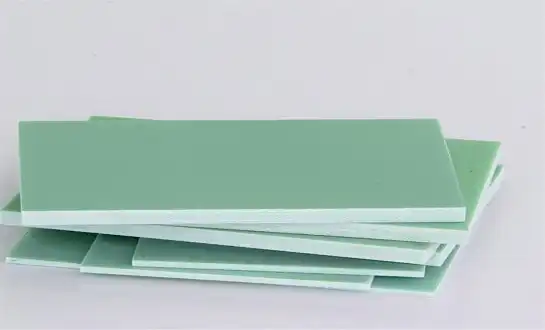
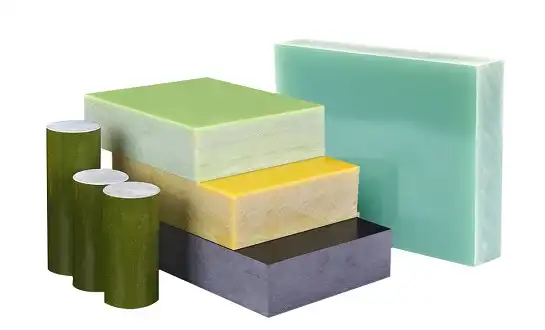
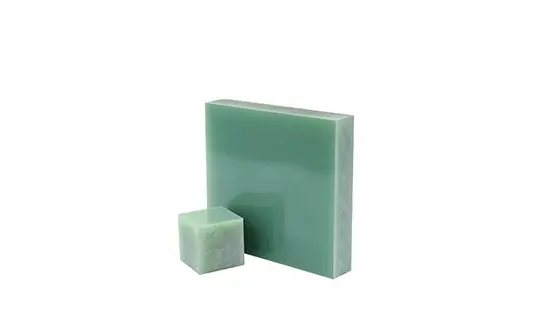
Machining Challenges of NEMA CE Epoxy Sheets
Engineers and procurement workers need to know about the unique challenges of machining NEMA CE epoxy sheets in order to get the best results. These special insulation materials have great electrical qualities but are hard to machine, which can cause problems like surface cracks, delamination, and tool wear. NEMA CE sheets are used in electrical cabinets, switchgear parts, and industrial equipment that needs to be very accurate in terms of size and surface stability. Knowing about these problems helps makers use the right machining strategies, pick the right tools, and keep quality standards constant while increasing production speed and lowering material waste in important electrical uses.
Understanding NEMA CE Epoxy Sheets and Their Machining Properties
NEMA CE epoxy sheets are a special kind of electrical insulation material that was made to meet the strict standards of the National Electrical Manufacturers Association. The insulating strength, flame resistance, and mechanical longevity of these materials are so high that they can't be used anywhere else but in electrical enclosures. The CE mark means that the product meets certain electrical safety standards, which guarantees stable performance in harsh industrial settings.
Because of how they are made, these epoxy-based materials are very different from metals or thermoplastics when it comes to how they can be machined. Epoxy resins are thermoset, which means they form a rigid, cross-linked polymer structure that is very hard but not very flexible. This basic trait affects every part of the machining process, from choosing the right tool to setting the right cutting conditions.
Epoxy insulation sheets behave in a certain way when they are machined because of how their material is made. These sheets usually have a high shear strength of between 25,000 and 35,000 PSI and great electrical insulation qualities of over 500 volts per mil. The brittle structure of finished epoxy systems, on the other hand, makes cutting difficult, especially when precise measurements are needed.
Another very important factor that affects cutting is thermal conductivity. Compared to metals, epoxy materials don't do a good job of letting heat escape, which causes temperature to build up in certain areas during cutting. Because of this temperature property, cutting speeds and cooling methods need to be carefully chosen to keep the surface quality and stop the material from breaking down.
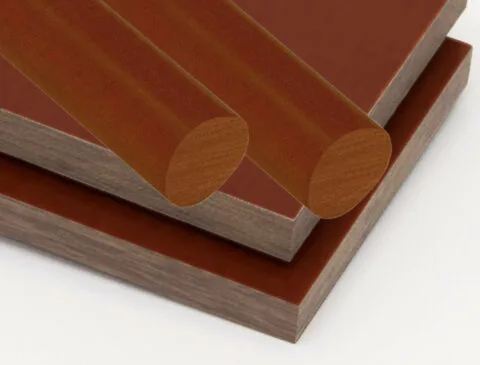
Epoxy sheets act differently when cutting needs to be done than phenolic cotton laminates or glass-reinforced plastics that are often used in electrical applications. Due to their flexible structure, phenolic materials are often easier to work with when it comes to machines. However, epoxy sheets have better electrical qualities and can withstand harsh environments. When engineering teams understand these trade-offs, they can choose the right materials and machining methods for each job.
Common Machining Challenges and Root Causes
One of the most common problems when working with fiberglass insulation products is surface cracking. This usually happens when cutting forces are too high or when the shape of the tool is wrong, creating stress concentrations that are higher than the material's breaking strength. Because finished epoxy systems are brittle, they are more likely to get micro-cracks along the cutting edges. This can affect both how they look and how well they work electrically.
Another big problem is delamination, which is especially common in layered epoxy structures. This problem shows up as layers coming apart while cutting. This usually happens because the tools aren't sharp enough or the feed rates are too high, which creates peeling forces instead of clean cutting action. Environmental factors like weather and the amount of wetness in the air can make delamination worse.
Tool wear patterns for NEMA CE sheet that are faster and different from those seen in metal cutting are caused by the rough nature of epoxy materials. The hard, gritty fillers that are often used in electrical-grade epoxy formulas can cause the edges of carbide cutting tools to wear down quickly. During production runs, this wear pattern changes the accuracy of the measurements and the quality of the surface finish.
Problems with chip removal make tool wear worse because epoxy materials make small, rough pieces that can build up around cutting edges. If you don't leave enough space between chips, friction and heat will build up, which will speed up the wear and tear on the tool and could also damage the subject material.
Because epoxy systems don't conduct heat well, it can be hard to keep the right temperature during cutting processes. When heat builds up, it can soften material in certain places, which can ruin the finish on the surface and make the shape less stable. Extremely high temperatures may break down chemicals in a way that makes the electrical qualities needed for shielding less useful.
Case studies from companies that make industrial tools show that heat damage often shows up near cut edges as discoloration, surface roughening, or changes in mechanical qualities. These effects can go several millimeters into the material, which could change how well fine parts used in electrical systems work.
Best Practices for Effective Machining of NEMA CE Epoxy Sheets
To successfully machine electrical insulation sheets, you need to pay close attention to choosing the right cutting tools and making sure the shape is optimized. It is usually better to use carbide tools with positive rake angles and sharp cutting edges instead of regular steel tools. The positive rake design lowers the cutting forces and encourages clean shearing, which keeps cracks and delamination to a minimum.
For the best resin sheet cutting, these are the most important tool characteristics:
- Cutting edges that are sharp and have a small radius to lower cutting forces and heat production
- Positive rake angles between 10 and 20 degrees to help move material quickly
- Enough space between pieces to keep them from rubbing against each other and building up heat during cutting
- Specialized coats, like diamond-like carbon or TiN, to make things last longer and be less likely to wear down.
Together, these tool standards make clean cuts, stretch the life of the tool, and keep the surface quality the same throughout production runs.
To get the best results, you need to carefully manage the cutting speeds, feed rates, and depth of cut. Most of the time, reasonable cutting speeds and light feeds give you the best mix of surface quality and output. Too fast of speeds can cause heat buildup that isn't good, and feeds that are too strong can damage the edges of the cuts by cracking or breaking them.
Cutting factors affect how the material responds in different ways depending on the width of the sheet, the amount of support, and the type of epoxy used. Because thermal impacts are stronger as material thickness goes up, different methods may need to be used for thin sheets compared to thick parts. Usually, finding the best parameters takes a lot of testing with common materials and cutting situations.
Managing heat well during cutting processes makes both the surface quality and the accuracy of the measurements much better. Compressed air cooling is a good way to get rid of heat for most uses, and it doesn't pose the same pollution risks as liquid coolants. The air stream should go straight at the cutting area to get rid of heat and any waste that might get in the way of the cutting.
Keeping the machine environment's atmospheric conditions stable for NEMA CE sheet helps make sure that the same results are obtained every time. Changes in temperature can affect the qualities and security of a material's dimensions, especially when it comes to precision parts that need to be made with very tight tolerances. Controlling the humidity may also be helpful, since some epoxy formulations can change how they work when they are machined when they absorb water.
Comparison of NEMA CE Epoxy Sheets with Alternative Materials
When it comes to electrical uses that need better dielectric strength and resistance to the environment, NEMA CE epoxy sheets are clearly better than other shielding materials. Epoxy-based materials usually have better protection to wetness and can work at higher temperatures than standard phenolic laminates. Due to these qualities, they work especially well in difficult situations like generator parts and high-voltage switchgear.
Epoxy insulation sheets often have better mechanical qualities than thermoplastic options, especially when temperatures are high. Because they don't change shape as much when heated or cooled, epoxy materials keep their shape and electrical properties over a wider temperature range. This steadiness is very important in situations where thermal cycling could hurt efficiency.
When comparing epoxy sheets to other options, the material cost analysis needs to look at both the original buy price and the long-term performance value. Epoxy materials may cost more at first, but their better stability and electrical qualities often make them worth the extra money in important situations. Over the duration of an item, higher material costs can be balanced out by lower upkeep needs and longer service life.
Total cost estimates are also affected by machining issues, as the unique tools and processing needs for resin materials may make production more expensive. Quality epoxy sheets, on the other hand, have stable dimensions and uniform properties that can cut down on scrap and repair costs compared to less stable options.
Different industrial uses benefit from different properties of materials, which affect the choice of materials. Power distribution equipment usually needs NEMA CE epoxy sheets because they are better at resisting arcs and flames. However, less demanding uses might be able to use cheaper options. Knowing these application standards helps people who work in buying choose the right materials.
Procuring NEMA CE Epoxy Sheets: Supplier Selection and Ordering Guide
When looking for good providers of electrical insulation materials like NEMA CE sheet, you need to carefully check their manufacturing skills, quality systems, and compliance with certifications. Reputable makers keep a lot of quality records, such as material test certificates, records of measurement inspections, and proof that their products meet all applicable industry standards. These papers give people confidence that the things they use will work well in important situations.
Manufacturing uniformity is another important factor to consider because changes in the qualities of the material can have a big effect on the results of the machining process and the performance of the end component. Suppliers who have strong process controls and statistical quality tracking usually give more regular products, which lowers the risks of manufacturing and boosts the efficiency of production.
When planning how to buy specialty insulation materials, you need to keep in mind that the wait times are longer than for standard industry materials. Custom thickness needs or unique approval needs may make shipping times longer, especially when market demand is high. Getting in touch with sources early on helps make sure that the supply of materials matches up with production plans.
Different suppliers have different minimum order amounts, which may affect how you buy things for smaller uses. By combining sales or working together with other departments, you can get bulk savings and make sure you have enough inventory to meet your ongoing production needs.
Before products go into production, they should be inspected to make sure they meet licensing requirements and have the right properties. Visual checks are a simple way to find clear flaws, but more complex tests may be needed for important uses that need to confirm the electrical properties. Setting clear standards for acceptance helps keep quality problems from getting in the way of production plans.
Documentation needs change depending on how important the application is and what regulations need to be followed. To support safety certifications and quality checks, companies that make electrical equipment often need detailed test paperwork and the ability to track down materials. Knowing these standards before choosing a provider can help you avoid problems with compliance later on in the buying process.
Conclusion
To successfully machine NEMA CE epoxy sheets, you need to know how to use the right working methods and understand how the materials work. The mix of high hardness, brittleness, and low thermal conductivity makes it difficult to work with, and you need to be very careful when choosing tools, setting cutting parameters, and managing heat. Consistent materials from good sources make it possible to get consistent machining results that meet strict electrical performance standards. Setting up tried-and-true machining processes and keeping close ties with experienced material sources who know how to meet these specific needs helps engineering teams.
FAQ
What distinguishes NEMA CE ratings from standard IP protection classifications?
The National Electrical Manufacturers Association sets safety and performance standards for electrical enclosures. NEMA CE ratings are all about those standards, while IP ratings are about protecting against dust and water getting in. The NEMA CE standards have higher requirements for electrical safety, corrosion protection, and industrial power than the basic IP classification standards.
Can standard metalworking tools effectively machine epoxy insulation sheets?
Because they aren't sharp enough or have the wrong shape, standard metal cutting tools often don't work well with epoxy materials. Specifically designed carbide tools with sharp edges and positive rake angles work better than regular tools and are less likely to crack or delamination occur.
How do NEMA CE certifications benefit electrical equipment manufacturers?
NEMA CE certification proves that electrical safety standards are met, which lowers the risk of damage and makes it easier for regulators to approve electrical equipment. The certification also makes sure that the material has uniform qualities that allow it to work reliably and safely in important situations.
Partner with J&Q for Premium NEMA CE Sheet Solutions
Choosing the right NEMA CE sheet provider has a direct effect on how well your products are made and how well they turn out. J&Q has been making and selling electrical insulation products for more than twenty years and has also been dealing internationally for more than ten years. Because we know a lot about the problems that come up when you're machining and the features of materials, we can give you expert advice that makes your production processes run more smoothly. We offer integrated solutions that make your supply chain processes run more smoothly thanks to our specialized logistics skills. Email us at info@jhd-material.com to talk about your unique needs and find out how our years of experience can help your electrical manufacturing projects.
References
National Electrical Manufacturers Association. "NEMA Standards Publication on Enclosures for Electrical Equipment." NEMA Publications, 2023.
Smith, Robert J., and Johnson, Maria K. "Machining Characteristics of Thermoset Polymer Composites in Electrical Applications." Journal of Manufacturing Science and Engineering, vol. 145, no. 3, 2023.
Thompson, David L. "Tool Wear Mechanisms in Epoxy Resin Cutting Operations." International Journal of Advanced Manufacturing Technology, vol. 127, no. 8, 2023.
Wilson, Sarah E., et al. "Thermal Effects in High-Speed Machining of Electrical Insulation Materials." Manufacturing Engineering Research, vol. 42, no. 2, 2023.
Chen, Li Wei, and Anderson, Mark P. "Quality Control Strategies for Electrical Enclosure Material Procurement." Industrial Materials and Processing, vol. 38, no. 6, 2023.
Rodriguez, Carlos M. "Comparative Analysis of Electrical Insulation Materials for Industrial Applications." Electrical Manufacturing Technology Review, vol. 29, no. 4, 2023.

Get a complete product list and quotation

J&Q New Composite Materials Company