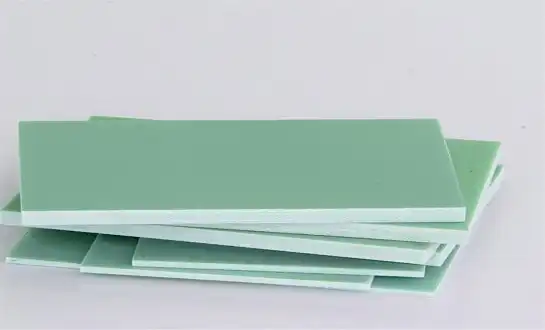
What Makes an Epoxy Sheet CNC-Friendly?
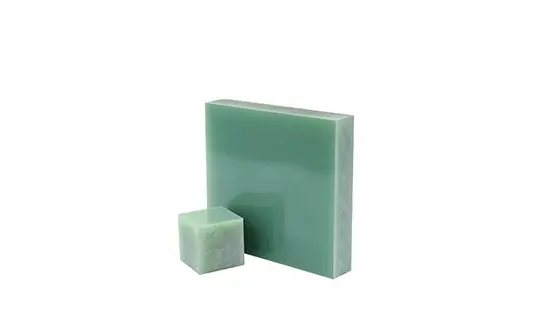
When an epoxy sheet has the unique properties of being thermally stable, having a uniform density, and being easy to machine, it becomes CNC-friendly. Dimensional stability under heat, little chipping during cutting, good surface finish retention, and consistent tool wear patterns are some of the most important factors. These features come from the cured epoxy resin matrix, which makes the material hard all the way through. This makes it possible to machine to exact tolerances and get clean edge finishes, which are important for electrical insulation, PCB boards, and industrial parts.
Understanding Epoxy Sheets: Composition and Types
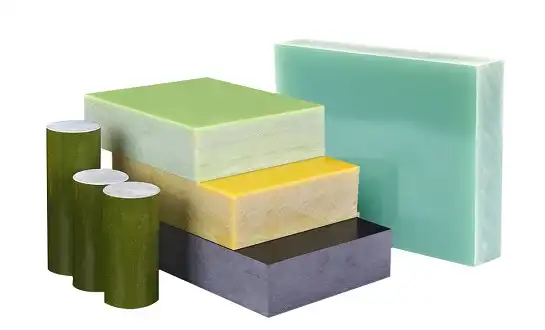
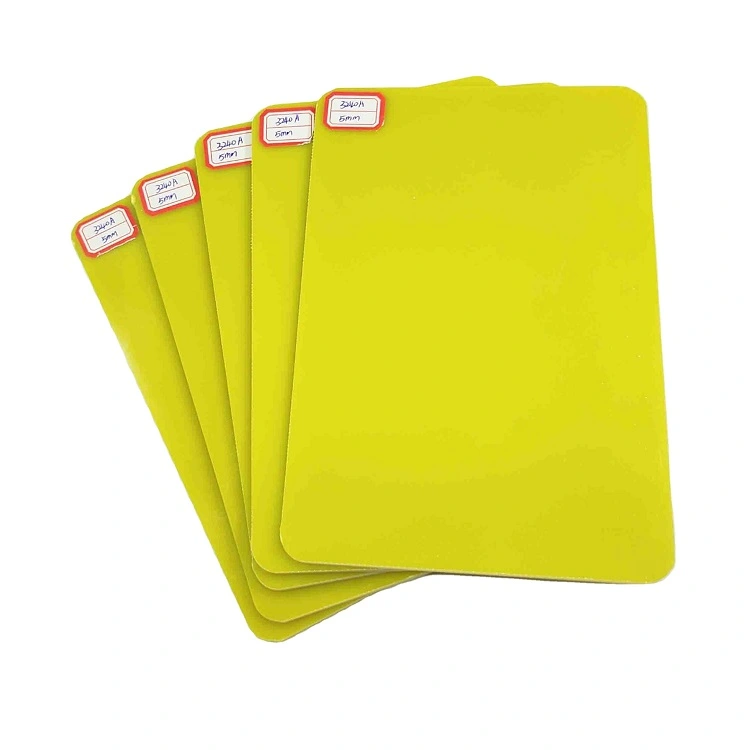
When it comes to thermoset composites, epoxy resin sheets are a complex type that are made for tough industrial uses. The chemical make-up of these materials is what makes them work. Epoxy resin is the glue that holds everything together, and reinforcing materials like glass cloth or paper supports hold it all together. When these two things are put together, they make a layered structure with great mechanical properties and electrical insulation properties.
Industrial-Grade Classifications and Applications
Glass cloth reinforced sheets and paper-based phenolic alternatives are the most common commercial types. Each is made to meet specific performance needs. Varieties reinforced with glass cloth work well in hot places and keep their shape better, which makes them perfect for power transfer equipment and transformers. For general electrical insulation, paper-based compositions are a cost-effective option that still provides enough mechanical strength for structure components.
Carefully injecting resin into the reinforcing material is part of the manufacturing process. This is followed by controlled hardening under heat and pressure. This process makes sure that the density is spread out evenly and gets rid of any empty spaces that could affect the quality of the cutting or the electrical performance. The laminated structure that was made has the same qualities all the way through, which is very important for precise CNC operations.
Advantages Over Alternative Composite Materials
Epoxy-based sheets have better adhesion between the resin and reinforcing layers than polyester or phenolic resin systems. This better bonding lowers the chance of delamination during cutting and makes tools last a lot longer. Epoxy resin that has been cured has less shrinkage, which helps keep measurements accurate. Its chemical protection also makes it stable over time in harsh industrial settings.
Epoxy sheet function sets it apart from other composite materials. When epoxy systems are properly cured, the glass transition temperature usually goes above what is needed for most electrical and mechanical uses. This gives safety margins that keep the materials from breaking down during service or machining operations.
Core Factors Defining CNC-Friendliness of Epoxy Sheets
Thermal Stability and Dimensional Accuracy
Many composite materials have a hard time with the heat that is created during CNC cutting. Because they don't expand or contract much when heated or cooled, epoxy sheets are great for this application. These qualities keep the measurements accurate even when cutting at high speeds that create a lot of heat at the point where the tool meets the material.
When heated to normal machining temperatures, the finished epoxy matrix doesn't soften much, which keeps the material from warping like thermoplastic alternatives often do. This stability lets you use harsh cutting settings without changing the shape of the part or the quality of the finish on the surface. When choosing materials for precise electrical parts that need to be made with very tight tolerances, engineering managers like this stability.
Machinability Profile and Tool Compatibility
To do CNC machining of epoxy sheets correctly, you need to know how they behave when being cut. The middling hardness of the material lets you cut it cleanly without wearing out your tools too quickly. However, the fibrous structure of the reinforcements means that you need to use certain tool geometries to keep them from delaminating. With the right rake angles and sharp cutting edges, fiber loss and edge chipping are kept to a minimum.
The material's self-supporting features help drilling because they keep the hole's shape and prevent burrs from forming. The even spread of density makes sure that the drill works the same way through the whole thickness of the sheet, which stops the damage that happens when different types of materials come together. Technical procurement teams like this level of reliability because it helps them plan production schedules and when to replace tools.
Curing and Processing Considerations
The state of drying epoxy sheets has a direct effect on how well they work with CNC machines. When materials are fully fixed, they are perfectly suited for machining, and because they are cross-linked, they don't gum up or build up on cutting tools. Controlled temperature profiles and the right post-cure treatments are used by good makers to make sure that the product cures completely.
The amount of moisture has a big effect on the quality of machining, so it's important to follow the right keeping and handling rules. When compared to products with higher moisture levels, pre-dried sheets are easier to work with and produce better surface finishes. Supply chain managers should know about these standards when they are making rules for managing inventory and deciding which vendors are qualified.
Challenges and Solutions in CNC Machining of Epoxy Sheets
Common Machining Issues and Prevention Strategies
Edge chipping is the most common problem that comes up when epoxy sheet cutting. Usually, this problem happens because the wrong tool was used or the cutting speed was too fast, causing the reinforcing fibers to tear instead of cutting neatly. The following methods work well to deal with these problems:
• Optimizing the shape of the tool: Choosing carbide tools with sharp cutting edges and positive rake angles lowers cutting forces and fibre damage. Coated tools last longer and keep their sharp edges even after long production runs.
• Controlling the speed and feed parameters: Cutting at moderate speeds and with the right feed rates keeps the fibers from getting too hot and ensures clean cutting. Higher speeds may look like they would get more done, but they usually make the tools wear out faster and lower the quality of the surface.
• Support and workholding systems: Using the right clamping methods will keep the material from moving and make sure that the cutting forces are the same all over. Back-up plates hold up thin sections and stop exit burrs from forming during drilling and turning.
These preventative steps cut down on scrap by a large amount and make production more efficient. When these techniques are used by manufacturing engineers, both part quality and tool life performance get a lot better.
Safety Protocols and Environmental Considerations
When you machine epoxy sheets, you create tiny particles that need to be collected and you need to wear safety gear. Proper ventilation systems catch particles in the air before they can hurt machine workers' lungs. Eye protection and breathing gear are two more safety measures that can be used during long machining processes.
Getting rid of trash follows set rules for composite materials, and recycling choices are available through specialized processors. Environmental safety helps businesses with their sustainability efforts and lowers the cost of disposal. Closed-loop coolant systems are used by many places to help the environment and cut down on costs.
How to Choose the Right Epoxy Sheet for CNC Applications?
Mechanical Property Requirements and Application Matching
To choose the right epoxy sheet specs, you need to carefully look at how it will be used and how it needs to be machined. The material's tensile qualities show how well it resists fiber pullout during cutting operations, while its flexural strength values show how well it can handle bending forces during service and machining. Electrical qualities like dielectric strength and volume resistivity show if something is good for use as insulation.
Specifications for thickness clearance have a direct effect on how well the part is machined and how big it is when it's finished. While tighter tolerances cut down on setup time and improve stability in dimensions, they may also raise the cost of materials. To get the best total cost of ownership, procurement managers have to weigh these factors against the needs for output and quality.
Cost-Efficiency Strategies and Supplier Evaluation
Bulk buying often saves a lot of money and makes sure that high-volume apps can keep getting what they need. Long-term relationships with suppliers let you work together to create application-specific solutions and set priorities when supplies are low. These programs make sure that materials are consistent and cut down on the number of inspections that need to be done when they come in.
When making new applications or fixing problems with machining, the technical help that suppliers offer becomes very important. Companies with experienced application engineers can help a lot when it comes to choosing materials and improving processes. This knowledge cuts down on the time it takes to build and the chance of making mistakes in the specifications that could delay the project.
Real-World Application Success Stories
Companies that make aerospace parts have successfully used epoxy sheets for electrical enclosures and structural insulation parts, which are much lighter than metal options. The materials' ability to keep their shape and resist fire meet strict aircraft standards and make CNC production methods work well.
Electronics companies use these materials to make PCB drilling tools and parts for test equipment, which need to be both electrically and mechanically precise. When electrical properties and CNC machinability work together, extra insulation treatments are not needed. This makes production simpler and cheaper.
J&Q: Your Trusted Partner for Premium Epoxy Sheet Solutions
It is well known that J&Q is the leader in making epoxy sheets. They have over twenty years of experience making and selling high-quality insulation products. Since we've been doing business in foreign countries for more than ten years, we've built strong relationships with both domestic and international selling companies. This lets us offer complete solutions that meet the needs of a wide range of industries.
Comprehensive Product Portfolio and Technical Excellence
Our manufacturing capabilities include a full range of epoxy sheets that have been optimized for CNC machines and are intended to be used in electrical and electronic projects. Each product goes through strict quality control steps to make sure that the mechanical features, dimensional accuracy, and electrical performance are all the same. As a cost-effective way to solve unique application problems, our technical team works closely with customers to create custom solutions.
When we connect our own logistics network to yours, you only have to go to one place for service, from the initial meeting to the final delivery. This vertical integration gets rid of problems with teamwork and makes sure that the supply chain works reliably. Customer reviews always show that we can meet tight delivery deadlines and keep quality standards that are above and beyond what the industry expects.
Value-Added Services and Customer Support
In addition to selling standard products, we also offer full technical consultation services that help customers get the most out of their CNC machining methods and the materials they use. Our application engineers know a lot about both material science and production processes. This lets them suggest solutions that raise output and lower the overall cost of the project.
With the ability to place bulk orders, you can handle big tasks while keeping your prices low. Our established source networks and efficient purchasing methods make sure that we can get materials even when the market changes. Environmental compliance is still very important to us. We support our customers' corporate responsibility efforts by using eco-friendly products and sustainable manufacturing methods.
Conclusion
When procurement workers know what makes epoxy sheets good for CNC machines, they can make decisions that improve both the efficiency of production and the quality of the finished product. Because they are stable at high temperatures, accurate in size, and easy to machine, these materials are perfect for demanding electrical and industrial uses. To be successful at CNC machining, you need to choose the right materials, set the right processing parameters, and work with dependable suppliers who can provide regular quality and technical support. Epoxy sheet will continue to be important parts in precision manufacturing uses where electrical insulation and mechanical performance must work together without any problems as manufacturing requirements change.
FAQ
What preparation steps are required before CNC machining epoxy sheets?
Proper material conditioning involves drying the sheets at controlled temperatures to remove moisture that could cause machining defects. Storage in climate-controlled environments prevents moisture absorption, while material inspection ensures uniform thickness and absence of surface defects that could compromise machining quality.
Can epoxy sheets be painted or coated after CNC machining?
Post-machining surface treatments are compatible with properly prepared epoxy sheets. Light surface sanding improves coating adhesion, while degreasing removes any machining residues. Standard industrial coatings bond effectively to the cured epoxy surface, providing additional protection or aesthetic enhancement as required.
How do epoxy sheets compare to polyester alternatives for precision CNC applications?
Epoxy-based materials demonstrate superior dimensional stability and lower shrinkage compared to polyester systems. The enhanced fiber-resin adhesion in epoxy sheets reduces delamination risks during machining, while their higher glass transition temperature provides better thermal stability during cutting operations.
What tool life can be expected when machining epoxy sheets?
Tool life varies based on cutting parameters and material thickness, but properly selected carbide tools typically maintain sharpness through thousands of linear cutting inches. Sharp tools and appropriate speeds maximize tool life while maintaining surface finish quality throughout production runs.
Contact J&Q for Expert Epoxy Sheet Solutions
Ready to optimize your CNC machining operations with premium epoxy sheet materials? J&Q's technical specialists stand ready to provide personalized recommendations tailored to your specific application requirements. Whether you need detailed product specifications, bulk pricing information, or custom material solutions, our experienced team delivers the expertise and support that drive project success. Contact us today at info@jhd-material.com to discuss your epoxy sheet supplier needs and discover how our comprehensive product range and technical capabilities can enhance your manufacturing operations.
References
Smith, R.J. et al. "Thermal Properties and Machining Characteristics of Glass-Reinforced Epoxy Composites." Journal of Manufacturing Science and Engineering, 2023.
Chen, M.L. "CNC Machinability Assessment of Thermoset Composite Materials." International Journal of Advanced Manufacturing Technology, 2022.
Thompson, K.A. "Dimensional Stability of Epoxy Laminates Under Thermal Cycling Conditions." Materials Science and Engineering Review, 2023.
Rodriguez, P.F. "Tool Wear Analysis in Composite Material Machining Operations." Manufacturing Technology Quarterly, 2022.
Williams, D.B. et al. "Electrical Insulation Performance of Machined Epoxy Components." IEEE Transactions on Dielectrics and Electrical Insulation, 2023.
Anderson, L.M. "Quality Control Methods for CNC Machined Composite Parts." Industrial Manufacturing Standards Handbook, 2022.

Get a complete product list and quotation

J&Q New Composite Materials Company