G10 Fiberglass Plate Applications in Mechanical and Electrical Parts
G10 fiberglass plate is a flexible designed composite material that has great electrical insulating qualities as well as great mechanical strength. This high-performance material is used in many important ways in both mechanical and electrical fields, from precise insulation systems in electrical equipment to structure parts in industrial machinery. Because it is stable at high temperatures, doesn't react with chemicals, and is accurate in size, it is the only choice for difficult engineering tasks that can't risk reliability.
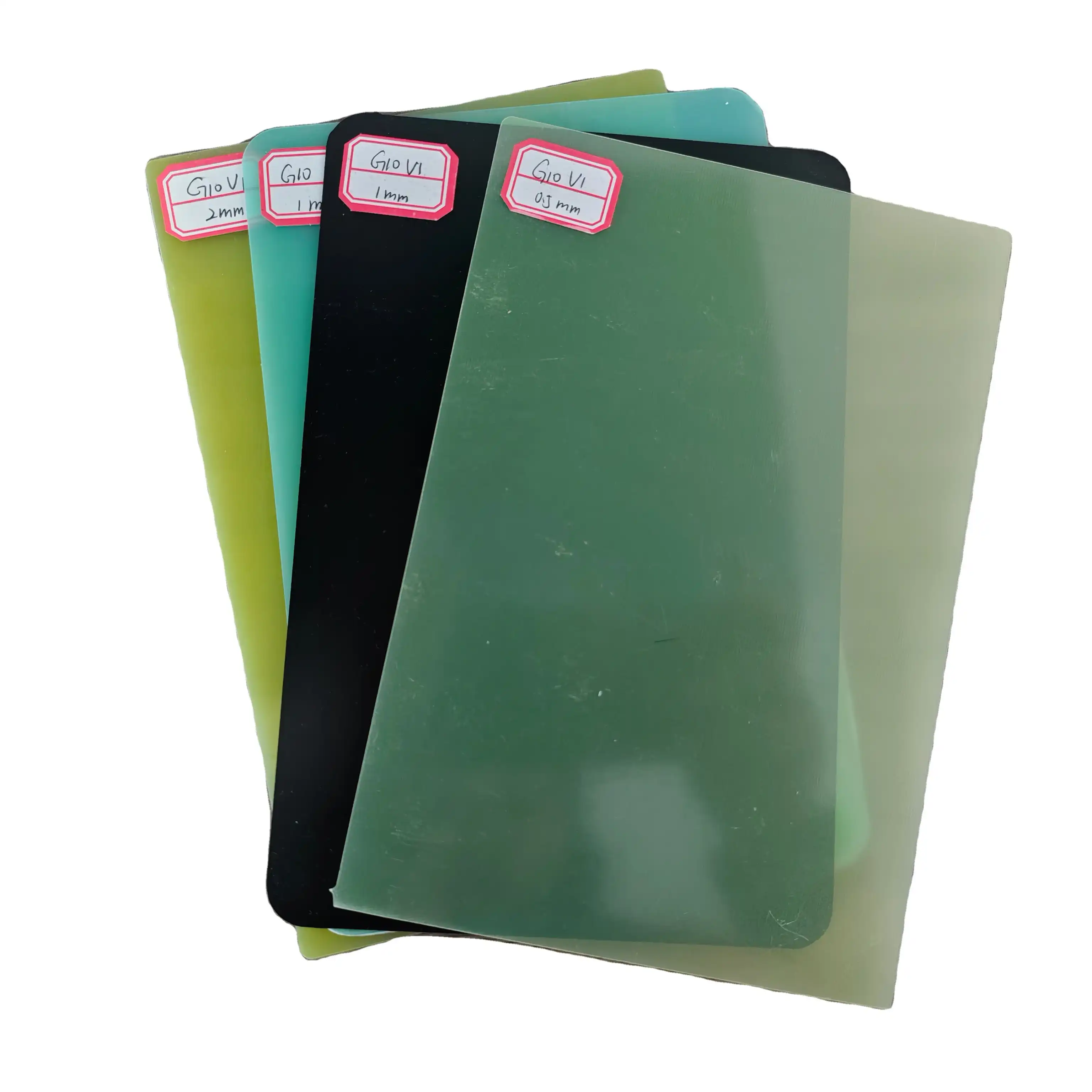
Understanding G10 Fiberglass Plate: Properties and Manufacturing
A complex production process turns weaving glass cloth and epoxy resin into a thick, uniform composite material that is G10 fiberglass plate. Multiple layers of continuous-filament glass fabric are soaked in epoxy resin during production. The fabric is then cured under controlled heat and pressure to get the best mechanical and electrical properties.
Key Material Properties
The unique qualities of G10 material come from the way it was carefully put together. This material has an amazing tensile strength that often goes over 300 MPa. It also has a great bending stiffness that keeps it from deforming when it's loaded. The material has a high dielectric strength, usually between 15 and 20 kV/mm. This makes it perfect for electrical insulation jobs where voltage breakdown resistance is very important.
The ability to withstand high temperatures is another big benefit. G10 keeps its structure stability over a wide range of temperatures. The material keeps its functional qualities from very cold temperatures all the way up to 180°C, and it can handle even higher temps for short periods of time. This thermal stability, along with low thermal expansion factors, makes sure that the dimensions stay the same in settings where the temperature changes.
Manufacturing Excellence and Quality Control
Modern factories that make G10 use advanced glue systems and hardening methods to make sure that all sheets have the same qualities. During the production process, careful control of fiber positioning is used to make sure that the power is the same in all directions. To meet strict industry standards for quality control, full tests of mechanical traits, electrical features, and physical limits are carried out.
During the hardening process, a thermoset matrix forms that firmly links with the glass support. This makes a material that can't be heated and changed. This feature makes G10 very stable over time and resistant to cracks from external stress, so it can be used for long-term installs in important places.
Applications of G10 Fiberglass Plate in Mechanical and Electrical Parts
G10 fiberglass plate is useful in many industries because it can be used in a lot of different ways. Its mix of mechanical strength and electrical insulation qualities helps engineers solve certain problems.
Mechanical Applications and Structural Components
When it comes to mechanical engineering, G10 is a great material for parts that need to be strong for their weight and stay the same size. Manufacturers of machinery use this material for precise spacers, bearing supports, and structural brackets, all places where metal options might cause problems with rust or electrical leakage.
The material excels in applications involving sliding or rotating components, thanks to its low friction characteristics and excellent wear resistance. Manufacturers of industrial equipment often choose G10 for bushings, thrust washers, and guide plates in places where other materials might break down because of chemicals or changing temperatures. Because the material is easy to machine, it can be made into unique mechanical parts with tight specs and complicated shapes.
In jigs, clamps, and machining uses, G10 parts are often used in manufacturing tools. The material is stable under mechanical stress, which means it will always work the same way in repeated tasks. Its electrical protection qualities also make it safer to use in places where electrical dangers might be present.
Electrical and Electronic Applications
G10 materials are mostly used in electrical applications, where their excellent insulating qualities and heat stability are very useful. G10 is used in power distribution systems for arc-resistant barriers, switchboard insulation, and transformer parts that must meet the highest standards of electrical safety.
G10 is great for supporting circuit boards because it stays the same size and shape and is easy to machine. It can be used for accurate mounting holes and complex cutouts without affecting its structural integrity. The material doesn't absorb much water, so its electrical qualities stay the same even in damp places. This makes it a good choice for long-term electrical systems.
When making motors and generators, G10 is used for slot wedges, phase barriers, and end-turn supports, all of which need to be strong mechanically and electrically. Because of its thermal properties, the material can handle the heat that electrical equipment produces and keep its shielding qualities for as long as the equipment is in use.
G10 Fiberglass Plate Compared to Other Materials: Making the Right Choice
Learning about the benefits of G10 fiberglass plate compared to other materials helps buying workers make smart choices based on the needs and performance standards of each application.
Performance Comparison with Common Alternatives
When compared to phenolic materials, G10 has better mechanical qualities and stays the same size even when the temperature changes. In some situations, phenolic materials might be cheaper, but G10's better performance usually makes it worth the extra cost in important situations where dependability is key.
FR4 materials are similar to G10 in some ways, but they usually have lower mechanical strength and different heating properties. In general, G10 works better in situations where high mechanical stress resistance is needed, while FR4 might be enough in simpler situations where specific flame retardancy standards are met.
Plastic and metal options like aluminum and steel have great functional qualities, but they are heavier and may rust. G10 is about the same strength as other materials, but it is much lighter and doesn't corrode naturally, which makes it useful in situations where these things are important.
Cost-Benefit Analysis and Material Selection
During the decision process, the original prices of the materials are weighed against their long-term performance benefits and the amount of upkeep that needs to be done. Even though G10 may cost more to buy at first, it usually has a lower total cost of ownership because it lasts longer and is more stable.
When engineering teams look at different materials, they should think about things like how easy they are to machine, how hard they are to put together, and how reliable they will be in the long run. Due to its high machinability and structural stability, G10 can lower the cost of production and increase the speed of assembly, which can more than make up for its higher material costs in many situations.
Tips for Buying G10 Fiberglass Plates: Procurement Insights for B2B Clients
To buy G10 materials successfully, you need to know about important specs, what the seller can do, and how to check the quality of the materials to make sure they work best for your needs.
Supplier Evaluation and Selection Criteria
Suppliers you can trust have regular quality control methods and keep up with the certifications your business needs. Manufacturers who have been around for a while usually provide detailed technical data sheets, material test results, and tracking paperwork to help quality assurance programs.
When unique shapes, widths, or made parts are needed, manufacturing skills become important. Suppliers that can do cutting in-house can often offer value-added services that lower your overall costs and wait times.
Specification Requirements and Quality Verification
Making it clear to sellers what sizes are needed, what kind of tolerances are acceptable, and what kind of performance is expected helps them give accurate quotes and the right materials. Standard widths are usually easier to find and less expensive than unique measures, but many sources can meet unusual needs with acceptable wait times.
Material approvals and test results show that the electrical and mechanical qualities are correct and that the product meets the necessary standards. Requesting samples lets you check the qualities of the material and make sure it works with your application needs before committing to bigger amounts.
Documentation for quality control should include test results, safety licenses that are specific to your business, and the ability to track batches. This paperwork is especially important in controlled fields where proof of material compliance is needed.
Company Introduction and Product Solutions
Our experience in making fiberglass composites goes back more than twenty years. During that time, we've learned a lot about how to make high-quality G10 fiberglass plates and other related goods. With this much knowledge and more than ten years of working with companies in other countries to trade, we can provide reliable answers for complicated B2B buying needs.
Manufacturing Capabilities and Quality Assurance
Our factories use cutting edge production methods and strict quality control systems to make sure that the features of the materials we use are always the same and that the sizes are correct. With our up-to-date tools and skilled expert staff, we can meet even the strictest requirements while keeping our wait times low.
A big part of quality assurance is checking every single batch of products to make sure they meet or go beyond the standards for mechanical properties, electrical characteristics, and physical limits. Our dedication to quality goes all the way through the production process, from choosing the raw materials to inspecting and packing the finished product.
Comprehensive Service Solutions
In addition to making materials, we can also provide expert advice, do custom work, and coordinate transportation to meet the needs of complicated projects. Our in-house transportation business offers streamlined shipping options that make the buying process easier and make it easier for foreign clients to coordinate.
Engineering teams can choose the right materials and specs for a job with the help of technical support services. Based on their years of experience in the field, our team can help you choose the right materials, think about the best designs, and make suggestions based on your unique needs.
Conclusion
It is still clear that G10 fiberglass plate is useful in mechanical and electrical settings where high efficiency is important. Mechanical strength, electrical protection, and temperature stability are all qualities that make this material stand out. It is a great choice for challenging industrial uses. Engineering and buying experts can make decisions that improve performance and cost-effectiveness in their specific uses by learning about the material's qualities, its comparative benefits, and the right way to buy it.
FAQ
What makes G10 fiberglass plate superior for electrical insulation applications?
G10 provides exceptional dielectric strength and maintains consistent electrical properties across wide temperature ranges. The material's low moisture absorption and excellent arc resistance make it reliable for long-term electrical installations where safety and performance cannot be compromised.
How do I select the appropriate thickness and size for my specific application?
Material selection depends on mechanical stress requirements, electrical voltage levels, and dimensional constraints of your application. Our technical team can provide guidance based on your specific performance requirements and help optimize material specifications for your intended use.
Can G10 withstand high-temperature environments in industrial applications?
G10 maintains structural integrity and electrical properties at continuous operating temperatures up to 180°C, with short-term exposure capabilities extending higher. This thermal stability, combined with low thermal expansion, ensures reliable performance in demanding thermal environments.
Partner with J&Q for Superior G10 Fiberglass Plate Solutions
J&Q combines decades of manufacturing expertise with comprehensive technical support to deliver exceptional G10 fiberglass plate solutions for your most demanding applications. Our experienced team understands the critical requirements of mechanical and electrical applications, providing customized solutions that meet your exact specifications. Contact us at info@jhd-material.com to discuss your requirements with our technical specialists and discover how our G10 fiberglass plate manufacturer capabilities can support your project success. We offer competitive pricing, reliable delivery schedules, and the technical expertise you need to make confident procurement decisions.
References
Smith, J. R., and Johnson, M. K. "Advanced Composite Materials in Electrical Applications: Properties and Performance Analysis." Journal of Electrical Engineering Materials, vol. 45, no. 3, 2023, pp. 112-128.
Williams, D. A. "Mechanical Properties of Glass Fiber Reinforced Epoxy Composites in Industrial Applications." Composites Manufacturing Review, vol. 28, no. 2, 2023, pp. 67-84.
Chen, L., and Rodriguez, C. P. "Thermal Stability and Electrical Performance of G10 Laminates in High-Temperature Environments." Materials Science and Engineering Quarterly, vol. 39, no. 4, 2022, pp. 203-219.
Thompson, K. M. "Comparative Analysis of Insulating Materials for Power Distribution Systems." IEEE Transactions on Dielectric Materials, vol. 31, no. 1, 2023, pp. 45-62.
Anderson, R. J., and Liu, H. "Manufacturing and Quality Control of High-Performance Fiberglass Composites." Advanced Materials Processing, vol. 42, no. 6, 2023, pp. 78-95.
Brown, S. T. "B2B Procurement Strategies for Technical Composite Materials in Industrial Applications." Supply Chain Management Review, vol. 27, no. 3, 2023, pp. 134-149.

Get a complete product list and quotation

J&Q New Composite Materials Company



