What CNC Equipment Is Best for G10 Epoxy Sheet Manufacturing?
Picking the correct CNC tools for making G10 epoxy sheets has a direct effect on the quality of the work, the prices of running the business, and the company's long-term profitability. The best machines have strong spindle power (usually 7–15 kW), carbide or diamond-coated tooling systems, advanced dust extraction features, and rigid structure frames that keep tight tolerances while they are in constant use. CNC milling machines with multiple axes are more accurate for complex shapes, while high-performance cutters are more cost-effective for cutting things that aren't too complicated. For G10 epoxy sheet machining to go well, you need tools that can deal with the roughness of the material while keeping its shape over many production runs.
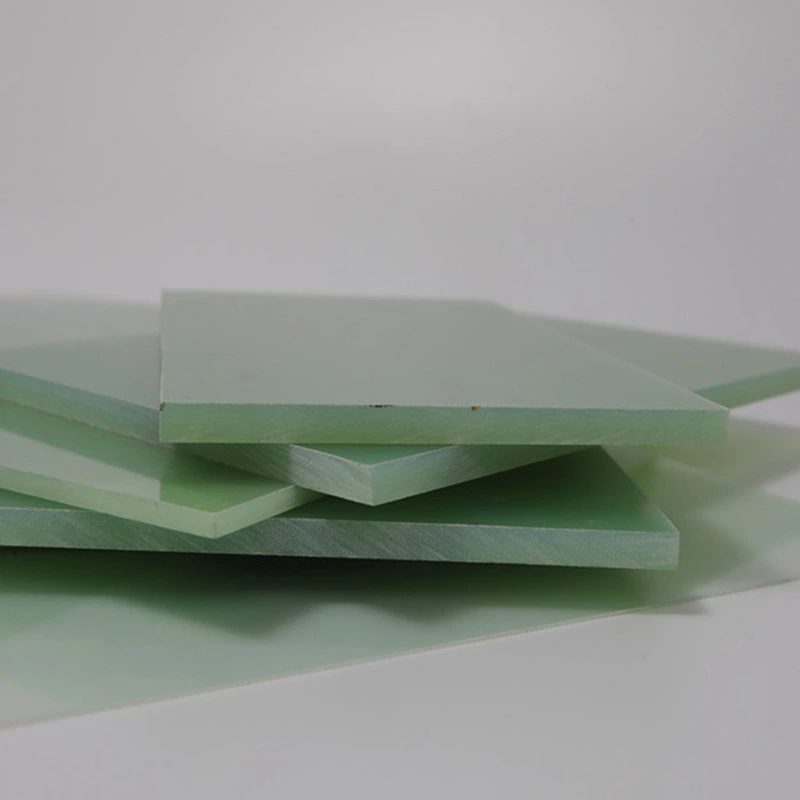
Understanding G10 Epoxy Sheet and Manufacturing Challenges
The G10 epoxy sheet is a high-performance composite material made of continuous filament glass cloth that is pressed and heated to join with epoxy glue. This thermosetting laminate is very strong, doesn't conduct electricity, and doesn't react with chemicals. It is essential in the aircraft, electronics, power distribution, and automobile industries. Unlike phenolic laminates, G10 epoxy sheet doesn't absorb much water (less than 0.1%), so its dimensions don't change when it's wet, which is a very important feature for precision electrical parts.
Material Characteristics That Impact Machining
The glass fiber support in G10 epoxy sheet makes it very rough when it comes to cutting. This roughness speeds up tool wear a lot compared to normal plastics or metals, so special molding techniques are needed. The material is very hard—about 110 on the M scale—so you have to use a lot of cutting force and keep your cool to keep the edges from breaking or delaminating. It is important to keep an eye on the temperature because too much heat during cutting can damage the epoxy matrix, which can affect its mechanical and electrical qualities.
Common Production Obstacles
There are a few problems that manufacturing processes keep running into. The biggest problem right now is that normal cutting tools don't last long enough when they're used on G10 epoxy sheet's glass strands. Care must be taken to make sure the surface finish is good. Rough edges that can't be used in electrical applications are caused by incorrect feed rates or worn tools. Fine fiberglass dust is made during the machining process. This dust can be harmful to your health and can damage equipment that doesn't have proper filtering systems. To keep thickness standards the same across big production runs, you need equipment that is very rigid and doesn't lose much heat.
Why Standard Equipment Often Falls Short
Machine centers that are usually made for metals or lighter plastics don't have the right qualities to work well with G10 epoxy sheet. When spindle power isn't enough, cutting forces are too high, which stresses both the tools and the material and causes them to break before they should. Standard dust collection systems can't get rid of the small particles that are made, which can make the workplace unsafe and contaminate precision parts. If the equipment doesn't have enough mass and stiffness, it will bend while cutting, which will cause measurement errors that make the parts useless in high-precision electrical applications.
Key Criteria for Selecting CNC Equipment for G10 Epoxy Sheet
To choose the right CNC equipment, you need to know about certain technical factors that have a direct effect on the results of the production. The choice to buy the equipment was a strategic one that will affect quality consistency, throughput capacity, and running costs over the life of the machine. To find solutions that meet their production volume, complexity needs, and price limits, decision-makers have to look at a lot of different factors at the same time.
Cutting Tool Compatibility and Tooling Systems
For G10 epoxy sheet machining, carbide tools are the bare minimum. For reasonable production rates, tungsten carbide grades offer enough strength and wear resistance. Diamond-coated tools last a lot longer—often three to five times longer than uncoated carbide—which makes up for their higher original cost by reducing the number of times they need to be changed out and maintaining a uniform edge quality. The CNC system should have automatic tool changes that can do a variety of tasks without any help from a person, cutting down on run times and the need for operators.
Spindle Power and Speed Requirements
The specs of the spindle directly affect how well it cuts and how good the surface is. Power levels between 7 and 15 kW give you enough force to remove material quickly while keeping your speed under control for the finishing passes. Operators can find the best cutting settings for different tool sizes and types of operations by changing the speed. High-speed spindles (18,000 to 24,000 RPM) let smaller diameter tools reach the right surface speeds, which makes the edges smoother and lowers the risk of delamination on complex shapes.
Machine Rigidity and Structural Design
The design of the frame affects how accurate the dimensions are when cutting. Heavy structures made of cast iron or bonded steel that are properly reinforced don't bend, so they can stay in place during long production runs. When there is enough setup in a linear guide system, there is no play that would make it harder to control the tolerances. As the machine heats up during use, thermal stability features like cooling systems and temperature-compensated control methods keep the dimensions from moving. These structure differences set production-level tools apart from entry-level options.
Dust Extraction and Environmental Controls
Managing dust well keeps both people and tools safe. For industrial-grade extraction systems to work, the airflow must be fast enough to catch particles at the cutting point before they spread out into the area. HEPA filters get rid of tiny particles that regular filters miss, so they meet safety standards in the workplace. Negative pressure containment walls around enclosed machine areas stop dust from moving to nearby production zones. Some more modern systems have automatic filter cleaning features that keep extraction working well without stopping production.
Comparing CNC Equipment Types for G10 Epoxy Sheet Manufacturing
Based on the amount of work that needs to be done and the budget, each type of machine has its own unique benefits. By knowing these differences, procurement teams can match the capabilities of tools with the real needs of manufacturing, instead of choosing solutions that are too specific or not good enough.
CNC Router Systems
Routers are a cheap way to get started with automatic G10 epoxy sheet processing. These tools are great at cutting profiles, punching patterns, and making simple curves in flat sheets. Modern cutters have vacuum hold-down systems that hold materials in place without using mechanical clamps. This cuts down on setup time and makes it easier to join multiple parts together. Because they are lighter than milling machines, they can only work with thinner materials and less precise measurements. This means they are best for situations where tolerances aren't too tight or too loose. Router systems usually cost 30 to 50 percent less than similar cutting centers, which makes them appealing to businesses that care more about initial investment than accuracy.
CNC Milling Machines
Milling centers offer the level of precision needed for difficult electrical and aircraft tasks. Because they are hard, they can stay in place with accuracy within microns, which means that the measurements are the same from one production batch to the next. Three-axis vertical milling tools are good for most flat sheet needs, while horizontal setups work better for some work flows. Milling centers usually have a sealed design that works well with dust disposal systems, making the workplace safer. These machines can work with thicker materials than cutters and keep their accuracy even when cutting things that would damage smaller machines.
Multi-Axis Machining Capabilities
Four- and five-axis systems can work with complicated shapes that three-axis systems can't. With the extra rotational axes, complex angles, undercuts, and three-dimensional shapes can all be machined in a single setup, which cuts down on mistakes and work. Multi-axis freedom is very helpful for industries that need custom insulation parts with complicated shapes, like aircraft bulkhead insulators or specialized transformer barriers. The more complicated code and higher equipment costs need to be carefully justified based on the complexity of the part and the amount of production, but the capabilities change the ways that specialized applications can be made.
Automation Integration Features
More and more, modern CNC systems are automated, which cuts down on the need for workers and improves accuracy. Automatic tool changers keep cutting productivity high by replacing worn-out tools without the user having to do anything. Inline measurement devices check the sizes of parts as they are being made, allowing real-time changes that keep scrap from building up. Part loading systems, which can be as simple as a conveyor belt or as complex as robotic cells, boost productivity while lowering physical stress on workers. These automatic features are smart investments that pay off over multiple shifts of production, which is especially helpful in places that make a lot of things.
Optimizing Production Efficiency and Quality in G10 Epoxy Sheet Machining
Choosing the right equipment is only one part of making G10 epoxy sheets well. The standard of the output, the speed of production, and the profit margin are all greatly affected by operational practices and computer strategies. Manufacturers with a lot of experience use organized methods that make the most of the equipment's capabilities while reducing the chances of common failures.
CNC Programming Strategies
Optimized toolpaths lower thermal stress by keeping chip loads constant and avoiding rest times that heat up specific areas. The cutting speed is changed by adaptive feed rate control, which slows down during heavy cuts and speeds up through lighter parts to protect both the tools and the material. When possible, climb milling direction makes edges that are cleaner than regular milling because it supports fibers while they are being cut instead of moving them forward of the tool. Programming should include smart approach and retreat moves that limit the number of quick passes across the part surface. This will cut down on particle redistribution and surface contamination.
Tool Wear Monitoring and Maintenance Protocols
Quality loss and unplanned downtime can be avoided with proactive repair. Setting up tool life databases through regular tracking lets you find the best times to change tools before they stop working properly and affect the quality of the parts. Visual inspection methods find early signs of wear, such as chipping on the edges or strange heating patterns. Cutting down on parameter documentation provides standard performance references that show when something isn't right and needs to be looked into. Cutting force tracking systems are used in some processes to find tools that are wearing out by noticing when they use more power. This sets off alarms before problems with dimensions happen.
Quality Control Implementation
Inline inspection tools check important measures without taking parts out of the production flow. They find problems early on, when they are easy to fix. Statistical process control methods find patterns that tell the difference between normal variation and changes in the process that need to be fixed. Written inspection methods make sure that all workers and production shifts follow the same rules. Material certifications and batch tracking systems help with quality checks and meeting customer needs. This is common in aircraft, medical, and defense uses where material pedigree paperwork is important for compliance.
Production Workflow Optimization
Handling materials efficiently cuts down on the time that can't be used for work between processes. Standardized tools and work-holding systems cut down on setting differences that make it harder to do the same thing twice. Batch processing groups parts that are similar together to cut down on tool changes and code shifts. Schedules for preventive repair work with natural breaks in production so that they don't interfere with busy runs. These small changes to how things are done add up to big improvements that have a big effect on how well the whole system works and how much it costs to make each part.
Procurement Considerations: Choosing The Right CNC Equipment Supplier
The choice of a supplier goes beyond the specs of the tools and includes the support infrastructure that will affect the business's long-term success. How reliable operations are, how quickly problems are fixed, and how easy it is to get new features that make equipment last longer are all affected by the relationship with machine makers.
Technical Support and Service Infrastructure
Technical help that responds quickly stops small problems from getting worse and causing long periods of downtime. Suppliers with local service teams can respond faster than those that need technicians to come from far away. Remote diagnostics allow for initial fixing that can often fix issues without having to visit the site. Training programs make sure that workers and support staff know what the equipment can do and how to use it correctly, which cuts down on problems caused by users. Having access to application engineering support helps make processes better for certain part needs or new changes in materials.
Total Cost of Ownership Analysis
The price of the tools is only one part of its total cost. Operating costs, such as power use, tool repair, and servicing parts, add up over the life of an item of equipment. In places with a lot of use, energy-efficient structures lower power costs. Modular design makes fixes easier and cuts down on the need to keep extra parts on hand. Equipment that has been shown to be reliable cuts down on missed production and the cost of emergency repairs. Realistic TCO estimates for five to ten years make it possible to compare investments between options that have different start-up costs but different ongoing costs.
Future-Proofing and Scalability
As a business grows and the market changes, so do its production needs. Expandable equipment, like that with more axes, a bigger work area, or the ability to integrate automation, saves original investments against becoming obsolete. Open control systems let you update software and add third-party tools without having to follow any specific rules. Suppliers that keep improving their products show that they want to help their current customers by giving them updates and new features. This focus on the future keeps equipment from needing to be replaced too soon when production needs grow beyond what was originally planned.
Financing and Acquisition Options
Buying capital tools can put a strain on cash flow, especially for businesses that are growing. Leasing plans help businesses keep their operating cash while giving them access to new technology. Depending on how they are set up, leasing may even be tax-effective. Equipment loans from specialized lenders have terms that are based on how much money a manufacturer makes each month. Some sellers offer finance through their own businesses, and the approval process is faster than with standard lenders. By comparing different ways to buy something, you can find methods that strike a good balance between financial freedom and total ownership costs over a range of realistic planning horizons.
Conclusion
When looking for the best CNC tools for making G10 epoxy sheets, you need to balance technical specs, working needs, and budget concerns. The best options have enough spindle power, the right tooling systems, and good dust control built into equipment frames that fit the complexity and volume needs of the production. Success includes more than just choosing the right tools. It also includes programming strategies, maintenance routines, and quality systems that make the most of what the machine can do. A full study of all costs and good ties with suppliers can help with purchasing choices and ensure long-term operational success. When businesses spend money on the right tools and facilities to support it, they set themselves up to provide consistent quality while keeping costs low in tough industrial markets.
FAQ
What makes G10 different from FR4 sheet material?
The main difference has to do with flame retardancy traits set by NEMA standards. Standard G10 epoxy sheet doesn't have any flame-retardant chemicals, but FR4 does. FR4 has bromine-based additives that make it self-extinguishing and meet UL94 V-0 standards. Because they are made of glass and cement, both materials have similar mechanical strength and electrical insulation qualities. Many current suppliers sell dual-rated G10/FR4 material that meets both requirements and is good for both mechanical performance and flame protection. This dual rating works for situations that need to follow fire safety rules without changing the way the structure works.
Can automated systems effectively machine G10 materials?
When set up correctly with the right tools and dust control, automated cutting systems can handle G10 epoxy sheet well. Robotic part filling systems cut down on the need for human work while keeping placement accuracy high. Automated tool switches swap out old cutters without any help from a user, which extends production runs. The key is to make sure that the level of automation you use matches the amount of parts you make and how complicated they are. For example, easy tasks might not be worth the cost of more complex automation, but high-volume production can greatly benefit from less reliance on human labor and better accuracy.
How does material thickness affect equipment selection?
To keep cutting G10 epoxy sheets, machines need to be more rigid and have more tool power. Cutting materials thicker than 25 mm requires strong cutting forces that smaller router-style tools can't safely produce. Thicker parts also need deeper chip removal, which changes how the tool is shaped and how much coolant needs to be delivered. Material thickness, fixturing height, and tool length must all be taken into account in the vertical clearance requirements. When working with different thicknesses on a daily basis, it's better to use tools with flexible work envelope configurations instead of machines that are only good for working with a few thicknesses.
What safety certifications should equipment meet?
In the United States, CNC machines must follow OSHA machinery guidelines for safety features like machine guarding, electricity safety, and the ability to stop in an emergency. The CE mark, which is often found on foreign goods, shows that the item meets European safety standards. For collecting dangerous dust, dust extraction systems that work with fiberglass particles should meet standards for workplace cleanliness. UL approval for electrical parts gives you even more confidence in the safety of the design. Equipment that meets these standards shows that the maker cares about the safety of its operators and lowers the risk of liability for organizations that buy it.
Partner With J&Q for Your G10 Epoxy Sheet Manufacturing Needs
J&Q has been making high-quality insulation materials, like G10 epoxy sheet, for more than 20 years. They have a lot of experience with these materials and know how to make them well. Our technical team knows exactly how to machine things and what they need to be used for in the electrical, industrial, and automobile sectors. This lets us make goods that are exactly what you want. We've been serving foreign markets for more than ten years and have simplified our processes to make sure that quality is always maintained and orders are delivered on time. Our integrated logistics services cover the whole supply chain, so you don't have to deal with the problems that come up when you have to work with different providers. If you need a reliable G10 epoxy sheet provider who knows about both material science and manufacturing, please email our team at info@jhd-material.com to talk about how our services can help you with your production needs.
References
National Electrical Manufacturers Association. "Industrial Laminating Thermosetting Products – NEMA Standards Publication LI 1-1998." National Electrical Manufacturers Association, 1998.
Davim, J. Paulo, and Pedro Reis. "Machinability Study on Composite Materials with Different Fiber Orientations Using Polycrystalline Diamond (PCD) Tools." Society of Manufacturing Engineers Technical Papers, 2004.
Sheikh-Ahmad, Jamal Y. "Machining of Polymer Composites." Springer Science & Business Media, 2009.
Teti, Roberto. "Machining of Composite Materials." CIRP Annals - Manufacturing Technology, Vol. 51, Issue 2, 2002.
Hocheng, Hong, and H. Y. Puw. "On Drilling Characteristics of Fiber-Reinforced Thermoset and Thermoplastics." International Journal of Machine Tools and Manufacture, Vol. 32, 1992.
Koplev, A., A. Lystrup, and T. Vorm. "The Cutting Process, Chips, and Cutting Forces in Machining CFRP." Composites, Vol. 14, Issue 4, 1983.

Get a complete product list and quotation

J&Q New Composite Materials Company



