CNC Router vs Waterjet Cutting for Bakelite Sheets
When handling Bakelite sheets, the choice between CNC router and waterjet cutting has a direct effect on the quality of the work, the prices, and the time it takes to deliver. CNC routing is fast and cost-effective for parts with a modest level of complexity. waterjet cutting, on the other hand, gets rid of heat-affected zones and cuts through complicated shapes with perfect edge quality. Both ways keep the electrical insulation and mechanical strength of Bakelite sheets, which are essential in the automobile, electrical, and industry fields. Knowing what each one can do helps buying managers and engineering teams choose the best way to cut based on the needs of the project and the available budget.
Understanding Bakelite Sheets and Their Cutting Requirements
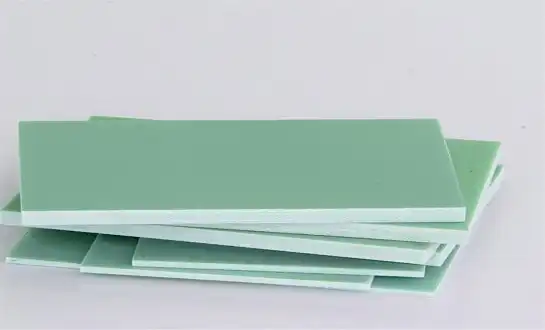
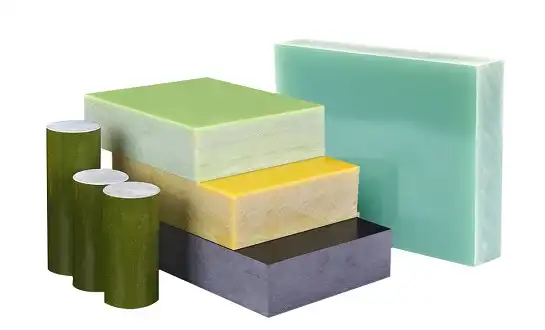
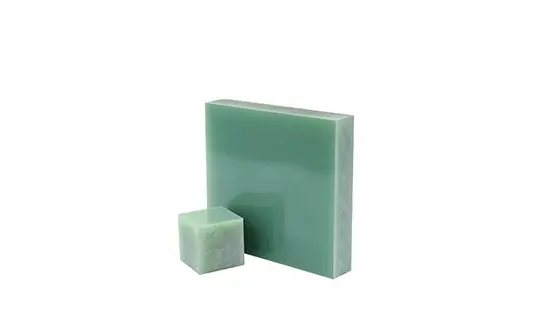
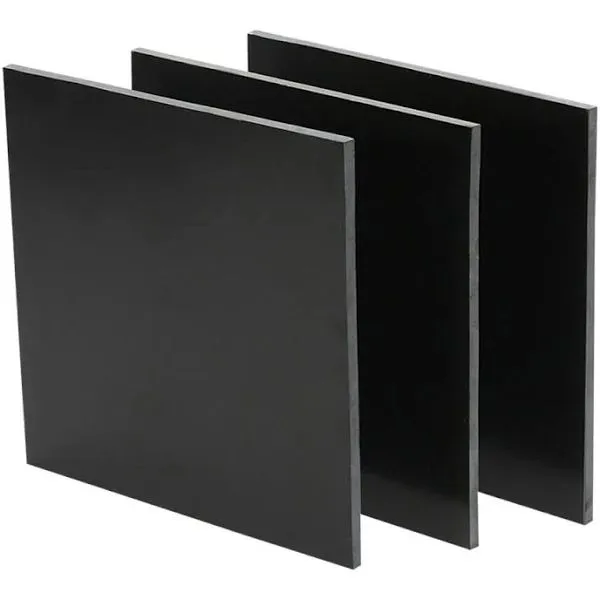
Bakelite sheet is a thermosetting phenolic resin that is strengthened with layers of paper, cloth, or glass. It has a very high dielectric strength and can work continuously at 120°C. We've been selling these materials to companies that make switches, transformers, and PCBs for more than twenty years, and we've seen how their brittleness and roughness make normal cutting methods less effective. The material is sensitive to thermal stress and tends to chip along cut edges. This means that exact tooling techniques are needed to balance speed with surface integrity.
Material Properties Influencing Cutting Method Selection
It has a mass of about 1.45 g/cm³ and a high bending strength, which makes it difficult to machine. Paper-reinforced grades (Grade X) focus on mechanical strength, while resin-rich grades (Grade XXX) are great at resisting water and keeping electricity from leaking in damp places. These changes in makeup affect how fast tools wear out, how well they cut, and how smooth the edges are. Different thicknesses (0.5 mm to 50 mm) make choosing a method even harder, since smaller sheets could bend when mechanical forces are applied, while thicker laminates stop fast entry.
Critical Quality Requirements in Industrial Applications
To make sure that their parts fit properly in motor housings and circuit board setups, companies that make electrical parts require tolerances of within ±0.1 mm. Customers in the power sector need edges without burrs that won't weaken arc resistance or make electrical tracking tracks. When it comes to thousands of insulation pads, automotive suppliers need batch uniformity because measurement drift stops the assembly line. Because of these strict rules, choosing a cutting method is more of a strategy procurement choice than a simple cost comparison.
Deep Dive into CNC Router Cutting for Bakelite Sheets
To cut through phenolic laminates, CNC routing uses bits with carbide or diamond tips that spin at high spindle speeds (18,000 to 24,000 RPM) and controlled feed rates. This method is great for making special shapes, slots, and mounting holes that can be used over and over again, making it perfect for medium-volume production runs. By using this method, we've been able to machine thousands of switchboard parts 40% faster than with other ways while still keeping Class 2 surface finishes.
Operational Advantages and Process Optimization
Through digital toolpath programming, the technology allows for quick setup changes, which gets rid of the need for real templates for prototype versions. Multi-axis features let you make parts with complicated 3D shapes and chamfered edges that make them work better. Different types of materials can be stored in different tool libraries. For example, soft paper-based sheets can be cut with strong parameters, but glass-reinforced sheets need modest feeds to keep them from delaminating. Active dust extraction systems collect phenolic particles, which reduces the breathing problems that come with working with Bakelite sheet and keeps spinning bearings safe from harsh contamination.
Limitations and Mitigation Strategies
When phenolic matrices are cut mechanical forces cause micro-fractures near the edges, which can lead to corner chipping on thin-wall features. On glass-reinforced grades, tool wear speeds up, so bits have to be replaced more often, which raises the cost per unit during long production runs. Even though friction doesn't produce as much heat as laser cutting, it can still cause localized resin degrading if spinning speeds go over the limits for the material. These problems can be solved by using climb milling methods, making sure chips are evacuated properly, and planning preventative tool changes.
Real-World Application Insight
An appliance maker that made 5,000 motor bracket insulators every month moved to CNC router after injection molding wasn't cost-effective for their complicated parts. The change cut the cost of each piece by 35% and cut wait times from six weeks to ten days. 90% of edge deburring tasks were removed by optimizing the toolpath, and digital storing of cutting programs made it easy to reorder without having to pay for new tools.
Exploring Waterjet Cutting for Bakelite Sheets
waterjet cutting technology pushes water at more than 60,000 PSI through a small hole. The water mixes with garnet grit to make a cutting stream that wears away material without adding heat. This cold-cutting method keeps Bakelite sheet's dielectric qualities and physical stability, which makes it perfect for precise electrical parts where heat-affected zones hurt insulator performance. The method can work with materials up to 200 mm thick and keep the quality of the edges the same all the way through.
Technical Capabilities and Material Preservation
Multiple-layer phenolic laminates don't delaminate because there is no mechanical stress on them. This keeps the bond between the glue and support layers strong. Compared to traditional cutting plans, complex nesting designs make the best use of material and cut waste by 15 to 25 percent. With CNC router-based ways, you would have to do extra work to get curved edges and tapered shapes with five-axis waterjet cutting systems. The narrow kerf width of the cutting stream (usually 0.8 to 1.2 mm) makes it possible to make complex interior cutouts and close spacing between parts.
Economic Considerations and Production Scale
The initial cost of the equipment is usually three to five times higher than similar CNC router. However, running costs stay the same during high-volume runs because only abrasive media and water need to be replaced. On thin sheets (less than 6 mm), CNC router takes 30 to 50 percent longer than waterjet cutting. But the difference gets smaller on bigger materials, where cutter depth passes make cycle times longer. The technology gets rid of the downtime needed to change tools and lets you switch materials quickly without having to pay extra for setup.
Industrial Implementation Case Study
A company that makes transformers used waterjet cutting to get rid of the heat-related bending that happened with their old laser system when they made arc shields from 25 mm glass-reinforced phenolic sheet. Over 500 mm spans, the edge straightness got better to within 0.05 mm, and tests of the dielectric strength showed that it didn't change at all during the cutting process. Running lights-out operations improved production capacity by 60%, taking advantage of the method's low control needs and steady rates of consumable use.
Comparative Analysis: CNC Router vs Waterjet Cutting for Bakelite Sheets
Capital expenditure and operating efficiency must be balanced across expected production levels in order for procurement decisions to be made. CNC router systems are now more affordable, which means that job shops and prototype development sites where equipment use changes often can use them. waterjet cutting systems require a bigger initial investment, but they offer better unit economics for long-term production runs of more than 10,000 pieces per year, especially for complex shapes where secondary operations would otherwise make CNC router costs go up.
Performance Metrics and Quality Outcomes
It is possible for CNC router to achieve positioning accuracy of within ±0.05 mm and surface roughness values of Ra 1.6–3.2 μm on optimal cuts of Bakelite sheet, making it suitable for most commercial uses. Waterjet cutting keeps tolerances of ±0.1 mm across the whole sheet, and the edge finishes are close to Ra 6.3 μm, though they can be improved further through secondary processing. Material waste is very different between the two methods. CNC routing creates 8–12% scrap because of the need for tool access and corner radius limits, while waterjet cutting nesting lowers waste to 3–6% by using efficient layouts and minimizing kerf loss.
| Factor | CNC Router | Waterjet Cutting |
|---|---|---|
| Equipment Cost | Less money needed to start | More money needed for capital |
| Cutting Speed (6mm sheet) | 2 to 4 m/min | 1 to 2 m/min |
| Edge Quality | Good at making things better | Very good consistency |
| Thermal Impact | Not much friction heat | Not any heat stress |
| Material Waste | 8–12% is normal | 3-6% is possible |
| Thickness Range | Up to 50 mm | Up to 200 mm |
Material-Specific Considerations
Both methods work well for processing paper-reinforced grades, but CNC router is faster by a large margin. The stress-free cutting of waterjet cutting is good for fabric-reinforced phenolic sheets because it keeps the fibers from coming apart, which can happen with mechanical tools. Glass-reinforced versions make CNC router operations more expensive because they wear down tools faster. This shifts the economic balance toward waterjet cutting for high-volume jobs, even though it takes longer to cycle times.
How to Choose the Right Cutting Method for Your Bakelite Procurement Needs
The amount of work that needs to be done determines the choice. For jobs with less than 5,000 pieces per year, CNC router is usually the best option because it has lower start-up costs and can make simple shapes faster. For medium-volume situations (5,000 to 20,000 pieces), it's important to do thorough cost planning that takes into account when to change tools and how much waterjet cutting consumables cost. When a business makes more than 20,000 units a year, it can often justify investing in waterjet cutting by saving money on materials and not having to do as many extra finishing steps.
Decision Framework for Engineering Teams
Part complexity adds a second important factor. Parts with small internal curves, complicated cutouts, or thickness changes of more than 25 mm are likely to be waterjet cutting-capable. Instead, parts that mostly have straight cuts, big corner radiuses, and modest thickness requirements work well with CNC router's speed. Tolerance requirements are very important. For example, waterjet cutting precision is needed for jobs that need better than ±0.08 mm accuracy across big dimensions, while normal industrial tolerances of ±0.15 mm allow CNC router to be the most efficient method.
Supplier Engagement Best Practices
Asking for cutting samples using your exact material specifications shows what the real capabilities are instead of just general claims. Checking that the seller has experience with material risks by checking dust extraction systems and phenolic-specific tooling. For clear lead times, there should be backup plans for tool wear on glass-reinforced grades or abrasive repeat rounds. Quality certifications like ISO 9001 and UL recognition give you a basic level of trust, but process paperwork that shows how statistical process control was used is a better way to be sure that the output will be consistent.
Because of limited funds, adoption is often done in stages. First, CNC router is used to test the market, and then high-volume SKUs are switched to waterjet cutting as demand levels off. Hybrid methods use the best parts of each method for different types of products. For example, waterjet cutting can be used to make complex electrical housings while cutting simple braces.
Conclusion
CNC router and waterjet cutting are two technologies that work together to make Bakelite sheets. Each is best for a certain type of output. CNC router is fast and cost-effective for parts with middling complexity and low to medium volume needs. waterjet cutting, on the other hand, is the best way to get precise results while preserving material for complex shapes and high volume needs. The best choice for you will rely on the part's specs, the size of the production run, and the quality standards that are needed for your application. To make the most of operational efficiency while keeping the electrical insulation integrity and dimensional accuracy that make phenolic laminates important to modern production, successful buying strategies often use both methods strategically across product lines.
FAQ
Can CNC routing damage Bakelite's electrical insulation properties?
When you use sharp carbide tools, control the feed rates, and get rid of the dust properly, properly adjusted CNC routing can keep the dielectric strength. Compared to laser ways, this method doesn't produce much heat, but keeping an eye on the spindle temperature stops localized resin breakdown. We suggest that production samples be tested for dielectric properties on a regular basis to make sure that the shielding performance stays within the acceptable ranges.
What thickness range works best for waterjet cutting of phenolic laminates?
waterjet cutting technology can cut Bakelite sheets from 3 mm to 200 mm thick, but it's most cost-effective between 10 and 75 mm, where other ways can't go as fast or as well. If the sheet is less than 6 mm thick, cutting may go more slowly than CNC router. But if the sheet is more than 100 mm thick, waterjet cutting's unique ability to keep the edge quality throughout the material depth really shines.
How do I verify a supplier's Bakelite cutting capabilities?
Ask for material certifications that confirm the phenolic grade and type of reinforcement. Then, use calibrated measuring tools to check cutting samples for straight edges, good surface finish, and accurate dimensions. Find out how much experience they have with your specific application sector and ask for references from projects that are similar to yours. Make sure that their dust control systems meet the safety standards for phenolic particles at work. This will protect both the workers and the quality of the product.
Partner with J&Q for Precision Bakelite Sheet Solutions
J&Q has been making phenolic laminates for more than twenty years and has advanced CNC router and waterjet cutting tools that can be used to make exactly what you want. Our fully combined processes, from making the resin to precise machining, make sure that the quality of every Bakelite sheet supply order is the same, no matter how many parts you need (50,000 samples or 500,000 production parts). We keep a lot of material standards (like UL recognition and RoHS compliance) and statistical process controls that take the guessing out of buying things. Our in-house logistics network gives you full insight into the entire supply chain and makes sure that packages go smoothly and on time with your production plans. Get in touch with our technical team at info@jhd-material.com to talk about your needs, see cutting samples, and get detailed quotes that come with clear wait times and quality promises.
References
Richardson, M.J. (2019). Thermosetting Plastics: Processing and Applications in Industrial Manufacturing. Cambridge Industrial Press.
Wilson, A.R. & Chen, K. (2021). "Comparative Analysis of Abrasive Waterjet and Mechanical Cutting for Composite Materials." Journal of Manufacturing Processes, 65, 234-248.
Thompson, L.D. (2020). Precision Machining of Engineering Plastics: Techniques and Quality Control. Society of Manufacturing Engineers.
Kumar, S. & Patel, R. (2022). "Tool Wear Mechanisms in CNC Routing of Phenolic Laminates." International Journal of Advanced Manufacturing Technology, 118, 1523-1537.
Anderson, G.T. (2018). Electrical Insulation Materials: Selection, Testing, and Application Standards. IEEE Press.
Martinez, C.E. & Wong, H. (2023). "Economic Modeling for Manufacturing Process Selection in Thermoset Component Production." Production Engineering Research and Development, 17(2), 89-104.

Get a complete product list and quotation
J&Q New Composite Materials Company