CNC Machining G10 Epoxy Sheets: Tips for High-Quality Results
To get good results when CNC cutting G10 epoxy sheet, you need to pay attention to how you choose the tools, how you optimize the parameters, and how you handle the material. Because this glass-reinforced epoxy laminate is rough, you need carbide or diamond-coated cutting tools to work with it. Using the right coolant will keep the layers from coming apart when heated up. Knowing the special features of the material—its high dielectric strength, low moisture absorption, and stable shape—helps makers make the best choices about feeds, speeds, and fixing methods. We've spent more than 20 years improving the way we machine electrical insulation parts, and sometimes the difference between good results and great ones is as simple as making a few small changes to how your CNC works.
Understanding G10 Epoxy Sheets for CNC Machining
What Makes G10 Epoxy Sheets Unique
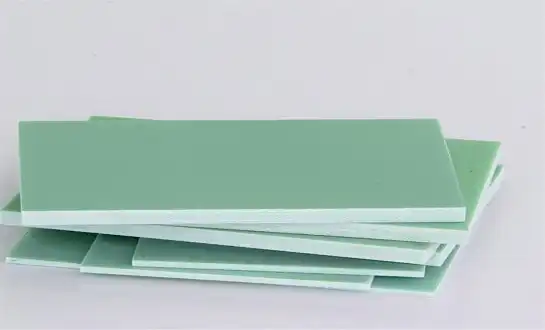
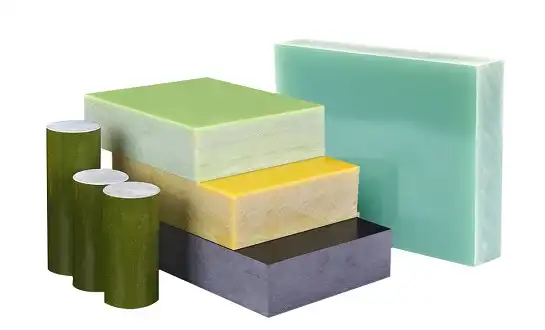
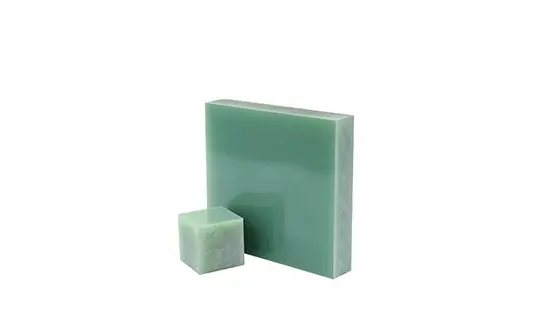
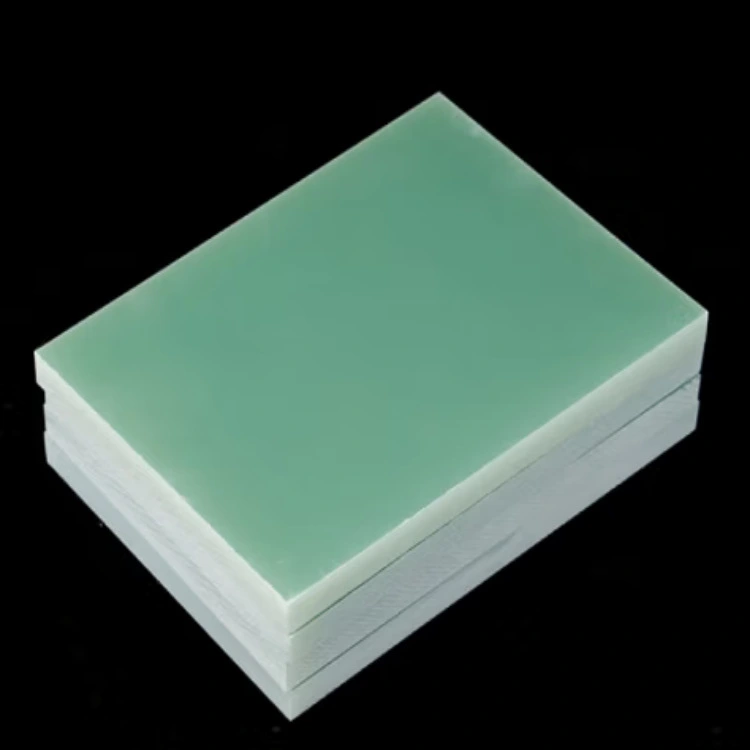
G10 epoxy sheet is a high-performance thermosetting laminate made from glass cloth that is wound in a continuous thread and mixed with epoxy resin binder. During production, several layers of glass cloth are stacked, mixed with resin, and pressed together under a lot of heat and pressure until the resin hardens into a solid mass. This process joins the layers together to make a single structure that can't be taken apart. This solves important engineering problems like electrical leaks and unstable dimensions. Unlike phenolic paper laminates, this material absorbs almost no water (usually less than 0.1%), so it doesn't swell or bend in places with a lot of dampness where accuracy is key.
Material Properties Critical to Machining Success
The scientific details show why this combination works so well in tough situations. The material's flexural strength is more than 45,000 PSI along its length, and its compressive strength is around 60,000 PSI. This means that it keeps its shape under high mechanical stress, where thermoplastics would break. When the epoxy matrix hardens, it is very resistant to strong acids, solvents, and oils. This makes it a good choice for chemical processing surfaces. Standard grades stay strong up to 130°C, but some specialized types can reach higher temperatures where they turn into glass. Electrically, the dielectric strength is around 400 to 500 volts per mil, and it has a low loss factor. It must meet the strict requirements of NEMA LI-1, MIL-I-24768/2, and ASTM D709 standards.
Common Thicknesses and Surface Finishes
Manufacturers usually keep sheets in store that are between 0.031 inches and several inches thick. For exact grades, ASTM D374 says that the thickness uniformity must be within ±0.005 inches. Depending on the need for the surface, finishes range from smooth finished sides to textured patterns. The material has a very low rate of thermal expansion, which makes it very stable in terms of size. This makes it better than most thermoplastics for making precise fittings and jigs. This stability is very useful for supporting PCBs, making parts for spacecraft, making barriers for car batteries, and using electricity in industrial settings where long-term dependability is more important than initial cost.
Preparing for CNC Machining G10 Epoxy Sheets: Key Considerations
Selecting Appropriate Tooling and Equipment
Because G10 epoxy sheets are made of glass fibers, they make a very rough surface for cutting. Standard high-speed steel equipment goes out quickly, which causes the dimensions to shift and the surface finish to be bad. Carbide or diamond-tipped bits are needed to keep the tool in good shape and keep the quality of the cuts. We've seen that router bits with more than one flute and smooth cutting edges work better than ones with only one flute. Compression bits are great for through-cutting jobs because they keep the edges of the entry and exit areas from chipping. When working with glass-filled materials, coating choice is also important. Titanium aluminum nitride coats last longer on tools than uncoated carbide.
Understanding Heat, Vibration, and Dust Impact
The main thing that can damage the quality of a part is heat buildup during grinding. Cutting at too high of a temperature can soften the matrix, which makes it impossible to make clean chips. During drilling activities, where chip removal is limited, this thermal effect is especially troublesome. Vibration from workpieces that aren't properly fastened or dull tools makes tiny cracks that might not be noticeable at first but weaken the structure. When you machine fiberglass, you make fiberglass dust, which can damage machine parts and make it hard for people to breathe.
Safety Protocols and Compliance Requirements
Proper dust filtration systems stop being choice and become necessary. At the point of cut, we've put in place HEPA-filtered cleaning systems to catch particles before they can get into the air. Protective gear for workers should include respirators that are rated for fiberglass dust, safety glasses with side shields, and long-sleeved clothes to keep the skin from getting irritated. Machine enclosures with clear screens let you watch the process while keeping dust in the work area. Maintaining filters and getting rid of waste according to local rules is an important part of making sure that safety standards are always met at work.
Step-by-Step CNC Machining Process for High-Quality G10 Epoxy Components
Material Inspection and Secure Fixturing
Before the wheel starts turning, good grinding starts. When checking incoming materials for flatness, a precision straightedge and feeler gauges should be used, since cutting depth changes happen when sheets are bent. Check the surface for flaws like cracking, bubbles, scratches, or measling, which are white spots that show resin isn't getting enough and lower the insulation value. Cross-sectional study of sample pieces supports the strength of the interlaminar bonding, which means that the layers will not come apart during machining or mechanical load. Use vacuum tables or low-profile clamps to hold the item in place away from the cutting tracks. If the fixturing isn't good, vibration can happen and hurt both the part and the cutting tools.
CAD/CAM Programming Strategies
For programming purposes, G10 epoxy sheets are not the same as metals or plastics. Strategic cutting patterns on tool paths should keep heat from building up. Letting time to cool between nearby features stops heat from building up. Because the cutting force is directed in a way that supports the material instead of breaking it, climb milling usually makes better edges than regular milling. When you ramp into cuts instead of diving, you lower the shock loads that can cause internal fractures. We've found that adaptive clearing processes that keep the tool engaged consistently give more even surface finishes than standard pocketing methods.
Optimized Machining Parameters
Here are the main cutting factors that always lead to better results:
- Spindle Speed: 18,000 to 24,000 RPM for small tools (less than 0.25 inches in diameter); 12,000 to 15,000 RPM for bigger cuts to control heat production while keeping the surface speed right
- Feed Rate: 80 to 120 inches per minute for grinding tasks, which can be changed based on the width of the tool and the depth of the cut to make sure chips form properly without too much heat
- Depth of Cut: 0.030 to 0.050 inches per pass for roughing tasks; 0.010 to 0.020 inches per pass for finishing tasks to meet quality standards
- Coolant Application: Compressed air blast or light mist coolant to get rid of chips and keep the material at the right temperature without making it too wet, since too much wetness during cutting affects its stability
These factors are starting points that need to be changed depending on the type of material, the shape of the tool, and the stiffness of the machine. Continuously check for chip formation—powdery dust means too much heat, and long, stringy chips mean the cutting action isn't good enough.
Post-Machining Finishing and Inspection
Deburring is important because glass threads that stick out past the cut ends of G10 epoxy sheet make it dangerous to handle and put together. Fine-grit sandpaper light sanding or gentle scraping can get rid of these fibers without hurting the edges. Calibrated micrometers and coordinate measuring tools are used for dimension checking to make sure that finished parts meet the limits set by the drawing. Dielectric breakdown testing according to ASTM D149 shows that the machining processes haven't changed the electrical insulation qualities. Incorrect cutting parameters can cause thermal stress, which can create tiny cracks that lower the voltage breakdown limits.
Common Challenges in CNC Machining G10 Epoxy Sheets and How to Overcome Them
Delamination and Cracking Issues
The most common type of failure during cutting is delamination between layers of glass cloth. This split usually happens when there are too many cutting forces, tools that are too dull, or bad support near the cut edges. Often, the problem is caused by either feed rates that are too fast for the spinning speed or tools that are past their useful life. We have records of workers who kept using old bits to "finish the job," only to have to throw away whole batches because the edges were delaminating. This expensive result can be avoided by replacing the tool as soon as it shows signs of wear, such as higher cutting pressure, a change in the sound signature, or a worsening of the surface finish.
Surface Quality Degradation
Damage to the surface can show up as fuzzing, where glass strands stick out from the cut surface, or burning, where the resin matrix turns a different color from being heated too much. Fuzzing happens when tools aren't sharp enough to neatly cut through glass strands, pulling them out of the matrix instead. If the material is burning, it means that the heat isn't being released properly. This could be because the feed rate is too slow, letting the heat build up, or the chips aren't being blown away quickly enough. Both problems can be fixed by optimizing the parameters: raising the feed rate while keeping the right depth of cut makes cleaner chips that move heat away from the object.
Tool Life Management and Thermal Control
To make tools last longer while keeping the quality of the cuts on G10 epoxy sheet, they need to be regularly checked and fixed when needed. We use CNC control systems to keep track of how much each tool is used and change them based on the linear cutting distance instead of waiting for the quality to get worse. This proactive method makes sure that the quality of the parts stays the same throughout production runs. Controlling the environmental temperature is also part of thermal management. Machining in temperature-stable settings stops thermal expansion that affects the accuracy of measurements. By letting the workpieces cool down at room temperature before the final check, parts that are perfectly good are not mistakenly thrown away.
Procuring G10 Epoxy Sheets for CNC Machining: What to Know
Evaluating Supplier Certifications and Quality Standards
Consistency of the material has a direct effect on how well the end part works and how well it is machined. Professionals in charge of buying things should make sure that the companies they work with have quality systems that are approved to international standards. This will make sure that the mechanical properties, dielectric strength, and dimensional tolerances are the same from batch to batch. Ask for certifications of the materials that show they meet NEMA grades and important military standards. The material shouldn't split or delaminate when put through solder-float tests or working temperature limits, according to the results of thermal stress tests. Verification by a third party during testing adds more credibility than data sheets given by the provider.
Benefits of Direct Factory Sourcing
There are several benefits to working directly with suppliers instead of going through several levels of marketing. Because of direct relationships, custom sizes are possible, which cuts down on material waste. For example, buying sheets cut to sizes just a bit larger than finished part boxes cuts down on scrap more than working from standard stock sizes. When you work with production sources instead of just depending on dealer inventory levels, you can see lead times more clearly because you know when things are being made. When you deal with the company that made the material directly instead of middlemen who don't have the technical knowledge, it's easier to solve quality problems.
Cost-Benefit Analysis Versus Alternative Materials
G10 epoxy sheets cost more than phenolic paper composites, but for tough jobs, the material is usually the better choice because it has a lower total cost of ownership. The material's dimensional stability means that parts that are bent don't need to be fixed, and its high mechanical strength lets smaller sections be made, which uses less material. Chemical resistance makes things last longer in harsh settings, so they don't need to be replaced as often as materials that break down in tough conditions. We've helped customers figure out how to measure these lifetime benefits, showing that higher starting material costs lead to lower total project costs due to lower failure rates and longer service intervals for parts.
Conclusion
To get good at CNC machining G10 epoxy sheet and other epoxy laminates, you need to know how to use the right tools, set the right settings, and handle the material in the right way. Picking the right carbide or diamond-coated tools, adjusting feeds and speeds to control heat production, and following strict dust extraction methods are all important for success. Choosing where to get materials has just as big of an effect on the results as the way they are machined. Consistent quality from approved suppliers is what makes production predictable. Investing in the right tools, training for operators, and high-quality materials pays off in the form of lower scrap rates, longer tool life, and parts that meet strict electrical and mechanical standards. When these factors line up, manufacturers achieve the accuracy and dependability needed for industrial, automotive, and electrical applications.
FAQ
What distinguishes G10 from FR4 materials?
They are often used equally, but NEMA standards tell them apart by how flame retardant they are. FR4 has bromine in it, which makes it self-extinguishing according to the UL94 V-0 grade. Standard G10 epoxy sheet does not have this ingredient. A lot of new products are dual-rated G10/FR4, which means they have both the mechanical qualities of epoxy glass and the flame protection needed for electrical safety uses. This difference is important to keep in mind when choosing materials for uses that need to be very resistant to fire.
Can this material be used in submerged applications?
Of course. The material doesn't swell or lose its dielectric strength when underwater because it absorbs less than 0.1% of its weight in water. This makes it perfect for naval electronics and structural parts of submarines. This quality comes from the fully sealed epoxy structure, which doesn't let water in. This is different from hygroscopic materials, which do soak up water and lose their shape or quality.
What thickness tolerances should I expect for precision machining?
As per ASTM D374, good providers keep the thickness uniformity for precise grades within ±0.005 inches. This tight tolerance control makes sure that the cutting levels are the same all the way through the workpiece. This means that adaptable machining techniques are not needed to account for differences in the material. Before sending material to production runs, it is checked for flatness with a micrometer during the receiving inspection process.
Partner with J&Q for Superior G10 Epoxy Sheet Solutions
To get regular machining results, you need more than just technical know-how. You also need a trusted G10 epoxy sheet provider who knows how important precision is to you. For more than 20 years, J&Q has been making and selling high-quality insulation products that meet the strict needs of customers in the electrical, automobile, and industrial sectors. We can help you with your buying needs by providing certified products, custom sizes, and quick expert advice based on our ten years of experience in foreign trade. Using our combined transportation network to buy directly from factories makes sure that the materials you get are always the same and that lead times are cut down, which helps you stick to your production schedules. Reach out to our team at info@jhd-material.com to talk about your unique machining needs, get material approvals, or get quotes for custom sheet measurements. We're dedicated to providing the quality and service that turns material problems into manufacturing advantages.
References
National Electrical Manufacturers Association. (2019). Industrial Laminating Thermosetting Products Standards Publication NEMA LI 1-2019. Rosslyn, VA: NEMA.
Chawla, K.K. (2016). Composite Materials: Science and Engineering (4th ed.). New York: Springer-Verlag.
American Society for Testing and Materials. (2020). ASTM D709-20 Standard Specification for Laminated Thermosetting Materials. West Conshohocken, PA: ASTM International.
Mallick, P.K. (2021). Fiber-Reinforced Composites: Materials, Manufacturing, and Design (4th ed.). Boca Raton, FL: CRC Press.
Military Specifications Department. (2018). MIL-I-24768/2 Insulation Sheet, Electrical, Glass-Cloth, Laminated, Epoxy Resin. Washington, DC: U.S. Department of Defense.
López-Puente, J. & Arias, A. (2020). Machining optimization of glass fiber reinforced polymer composites. Journal of Composite Materials Research, 44(12), 2891-2906.

Get a complete product list and quotation

J&Q New Composite Materials Company