CNC Machining Phenolic Cotton Sheets for Mechanical Wear Parts
When industrial engineers have problems with noisy gears, parts that wear out too quickly, or metal-on-metal friction in tough conditions, phenolic cotton sheets have been shown to work. The phenolic resin and cotton cloth support in these hybrid laminates give them great mechanical strength, self-lubricating qualities, and dimensional stability. CNC machining turns these sheets into precise worn parts like quiet gears and bearing bushings. These parts are used in important electrical, automobile, and machinery industries where traditional materials can't balance toughness and machinability.
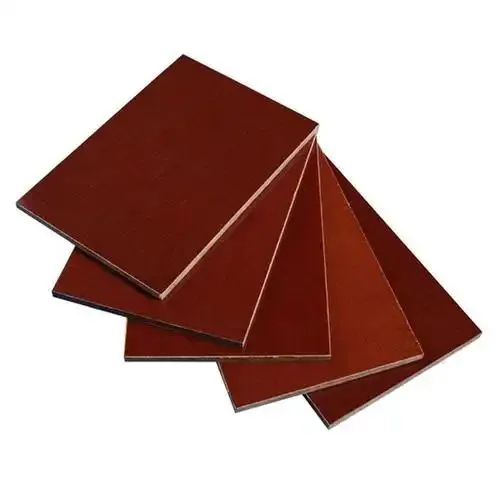
Understanding Phenolic Cotton Sheets and Their Mechanical Advantages
Phenolic cotton laminates are a specific type of thermoset material that are made by controlling the impregnation process and compression shaping. During production, layers of cotton canvas or linen cloth are soaked in liquid phenolic resin in a controlled environment. Then, these stacks are put into hot presses that have pressures above 1,000 psi and temperatures around 150°C. This causes polymerization to happen. The sheets that were made have densities between 1.35 and 1.45 g/cm³. This makes a material that is in between structural metals and regular insulators.
Core Material Properties
When compared to paper-based phenolic grades, the cotton support is much more resistant to pressure. The tensile strength is usually higher than 100 MPa, and the weave structure can handle shock loads that would break more flimsy materials. It is very important for transportation systems to be tough because the load changes quickly.
Chemically, these laminates don't get swollen or broken down by natural oils, hydraulic fluids, or greases made from petroleum. They are essential for lubricated bearing uses where other materials fail because of this trait. For constant operation under NEMA Class E insulation ratings, temperature stability hits about 120°C. However, short trips to higher temperatures are still doable in many industrial settings.
Comparison with Alternative Materials
Engineers often look at phenolic cotton laminates along with other materials when choosing materials for mechanical wear parts. FR4 epoxy glass is better at keeping electricity out and withstanding heat, but it needs special carbide tools because the glass strands are rough, which makes the cost of cutting much higher. Because FR4 is so fragile, it can't be used in high-impact situations either.
Metal metals are very strong, but they make a lot of noise when used in gear uses and need complicated lubrication systems. Metal parts that fail too soon in sea or chemical processing settings are still a problem because of corrosion.
Nylon and other industrial plastics are easy to work with, but they don't hold their shape as well under load as phenolic laminates do. Because they have higher coefficients of thermal expansion, they make it hard to keep clearances in precision systems that are subject to changes in temperature.
Phenolic cotton sheets are the best of all worlds because they are easier to work with than glass-reinforced composites, quieter than metals, and better at keeping their shape over a wider temperature range than thermoplastics.
CNC Machining of Phenolic Cotton Sheets: Process and Benefits
Computer numerical control machining makes phenolic cotton laminates fully useful by making it possible to make complicated shapes that can't be made the same way twice using normal methods. This automatic method meets the precise needs of current mechanical systems while still being cost-effective for both prototypes and mass production.
Machining Parameters and Tooling Selection
For CNC processes to go well, the parameters must be carefully optimized. Feed rates are changed based on the complexity of the part and the finish you want on the surface. Cutting speeds are usually between 150 and 300 surface feet per minute. For normal tasks, carbide-tipped tools are the most cost-effective, but in high-volume production settings, diamond-coated bits make tools last a lot longer.
During machining, the material produces phenolic dust instead of continuous chips, so proper dust gathering methods are needed. Good ventilation keeps the cutting zone visible and saves both the tools and the people who are using it. Using coolant is still not required for most operations, but it can make the surface finish better on complicated parts.
Spindle speeds need to be watched carefully so that the resin doesn't burn, which changes the color and weakens the material's mechanical qualities. Keeping the cutting edges sharp reduces the amount of heat that is produced, which protects the quality of polished surfaces. Because cotton phenolic is self-lubricating, it lowers tool wear compared to rough composites. This means that the cost of making each part with tools is lower.
Industrial Applications and Performance Results
CNC-machined resin gears have been used instead of metal pinions in high-speed looms by companies that make textile machines. The lower noise level—often 15 to 20 dB lower—makes working conditions better, and the ability to lubricate itself keeps materials from getting oily. These systems have shown that they can last longer than 18 months of steady use.
Thick phenolic sheets are used to make stern tube bearings and rudder bushings by people who make marine tools. These parts can work in seawater without any extra lubrication because they use the fluid itself as a lube and don't rust like copper parts do. Operators of ships say that repair breaks last between three and five years between replacements.
CNC-machined phenolic cotton sheet parts are used by companies that make electrical equipment for busbar supports and terminal blocks. Because these parts have good electrical insulation and are very strong mechanically, they can handle the physical forces that come with switching operations and maintain their safe gaps during heat cycling.
Selecting the Right Phenolic Cotton Sheet for Your Application
To choose the right material, you must first understand how the NEMA grade system works for phenolic cotton laminates. This standardization makes sure that all sellers have the same qualities, which makes the buying and qualifying processes easier.
NEMA Grade Classifications
When something is marked with a Grade C or CE, it means that it is made of cloth and has a rougher weave pattern. When maximum impact strength and load-bearing ability are needed, these types are the best choice. The rough texture makes machined surfaces a little rougher, but it makes gears, structural spacers, and mechanical links that are exposed to shock loads stronger.
The Grade L and LE versions use linen cloth with tighter weaves, which makes the surface edges smoother after they are machined. This building style works well for precise parts like bearing surfaces, sealing faces, and fine mechanical parts where smoothness impacts performance. Linen-based types are better at resisting water, which is useful in damp places or situations where the material will be exposed to water.
Thickness and Dimensional Considerations
Standard sheet widths are between 1.5 mm and 50 mm, but unique sizes can be made to fit specific needs. Thin pieces are good for things like insulation barriers and spacers, while thicker stock can be used to make big gears, bearing blocks, and structural parts.
For normal business grades, thickness tolerances are usually within ±10%. For premium grades, control is tighter. This variation needs to be taken into account during the planning process, especially for parts that need to meet perfectly. Fit-up problems during assembly can be avoided by working with experienced sources who know how to do tolerance stack-up analysis.
Quality Standards and Certifications
The qualities of phenolic laminate are regulated by international standards. This makes sure that the material is the same all over the world's supply lines. ISO approval shows that quality management is carried out in a planned way throughout the whole production process. While NEMA grades set the minimum requirements for properties, different makers may offer better specs for tougher jobs.
When businesses have strict paperwork needs, being able to track materials becomes important. Lot tracking and test reports confirm the mechanical qualities and make it possible to connect fitted parts to specific production batches in case problems happen in the field.
Advantages of Using Phenolic Cotton Sheets in Mechanical Wear Applications
Because they have a special mix of properties, phenolic cotton sheet can solve many technical problems at once, often without the trade-offs that are needed with other materials. Knowing these benefits helps procurement teams explain the choices they make about materials to people who care more about lifetime costs than original piece prices.
Durability and Lifecycle Economics
In industrial uses, wear resistance is one of the most important traits. When you mix hard phenolic resin with cotton support, you get surfaces that can handle rough contact. The low friction coefficient of the material also keeps matching parts from wearing out. This double benefit makes the system last longer than just changing a part that wears out with a new one.
Impact absorption stops the brittle failure modes that happen a lot with ceramic or glass-reinforced options. Dropped tools, messed-up assembly, and operating shock loads that would break harder materials don't hurt the parts. This toughness cuts down on guarantee claims and failures in the field, which protects the brand's image and lowers the cost of support.
The ability to keep their shape under load stops the creep deformation that happens with thermoplastics in long-term compression uses. Mechanical specs stay the same over the course of a service life, which keeps precision gears working properly. This dependability is especially useful in systems that need to be adjusted or realigned, which costs a lot of money in lost time.
Thermal and Electrical Performance
The ability to work continuously at temperatures up to 120°C covers most industry mechanical tasks. The material can handle short changes in temperature during peak loads or extreme weather conditions without losing any of its properties permanently. This temperature steadiness takes away any worries about how performance changes with the seasons or how the cooling system works with other systems.
Even though the electrical insulation qualities don't match up to certain electrical grades, they are good enough to protect low- to medium-voltage structure parts. Because they can do two things at once, these materials can be used for both mechanical and electrical separation, which makes designs easier and cuts down on the number of parts needed.
Localized hot spots are avoided in contact uses by having good heat dissipation properties. The material transfers heat well enough to keep it from running out, but not too well so that it doesn't damage nearby temperature-sensitive parts. Using only metal or plastic as an option makes it hard to find this balance.
Environmental Compliance and Safety
Modern phenolic formulas meet RoHS rules on dangerous chemicals, which meets the needs of the electronics and car industries' supply chains. Getting rid of and reusing these materials is easier than with older materials because they don't contain heavy metals, brominated flame retardants, or limited plasticizers.
The chemical resistance of phenolic cotton sheet to oils and hydraulic fluids takes away any worries about damage from spills or contact with lubricants. This stability means that machines that regularly come into contact with fluids don't need to be inspected as often and can go longer between service intervals. The material doesn't swell or soften, which can affect dimensional tolerances in fluid-exposed applications.
The fire performance isn't as good as halogenated flame-retardant grades, but it's still pretty good at stopping sparks and spreading fire. When exposed to flames, phenolic resins naturally burn instead of dripping, which makes them less likely to spread fire than many thermoplastics.
How to Integrate Phenolic Cotton Sheets into Your Manufacturing Workflow
For implementation to go well, the planning, buying, and production teams need to work together. Setting up clear specs and ways to communicate stops misunderstandings that waste materials or make it hard to machine things.
Technical Specification Development
Not only should detailed sketches show sizes, but they should also show tolerance zones, surface finish standards, and important features that need extra care. By specifying the correct NEMA grade, performance problems can be avoided, and costs can be kept low without needlessly going up. Talking to material sources during the design process lets you use their knowledge with how the product will be used, which can often help you find ways to make it better.
Prototype development validates machining processes and confirms material performance before committing to production tooling. During this step, problems with chip removal, surface finish, or dimensional stability during grinding processes are looked for. Making changes during testing keeps expensive fixes from having to be made after production starts.
Quality Control and Inspection Protocols
Before machining starts, the thickness of the sheet, the state of the surface, and the accuracy of the paperwork are checked by an incoming material inspection. Random sampling of mechanical properties through flexural or impact testing proves that the material is consistent. This is especially important when working with new sources or getting materials from production lots that you don't know much about.
Dimensional drift can be caught before whole batches stop meeting requirements by inspecting them while they are being machined. Statistical process control charts keep track of key measurements and let workers know when tools are wearing out or machines are having problems that need to be fixed. This proactive method cuts down on waste while keeping the quality of the parts constant.
Final inspection protocols should address both dimensional conformance and visual quality. Surface flaws, delamination, or burning from wrong cutting settings, the part should be rejected even if it meets the size requirements because it will not work well or last long.
Supplier Relationship Management
Pricing, delivery, and quality are all stable when you work with trusted providers over a long period of time. Suppliers who know about your applications can offer better materials or ways of doing things based on their knowledge in the business as a whole. This way of working together often leads to new ideas that lower costs or make things work better than planned.
Different providers have different minimum order amounts based on how much they can make and how they manage their inventory. The best way to maximize purchase economics is to balance minimum order quantities (MOQs) with storing costs and inventory carrying charges. Some sellers offer consignment programs or planned release plans that keep materials available while reducing the amount of capital that is stuck in inventory.
Lead times change based on the grade, the width, and the size of the order. Standard materials can usually be shipped within days, but materials made to special requirements may need a few weeks to be made and quality checked. When you plan your production timeline around realistic lead times, you can avoid rush fees and higher shipping costs that cut into project savings.
Conclusion
Phenolic cotton sheet that are machined using CNC methods are reliable for challenging mechanical wear applications in the marine, automobile, machinery, and electrical industries. Because they have the right amount of mechanical toughness, physical stability, chemical resistance, and machinability, they can be used in engineering problems where other materials can't. The best performance and lifecycle costs are achieved by carefully developing specifications based on NEMA grades, choosing the right materials, and working with experienced providers. Composites are being used more and more in a wide range of industries because they solve real problems and meet modern safety and environmental standards.
FAQ
What distinguishes coarse weave from fine weave phenolic grades?
Coarse weave (NEMA C/CE) types are made of canvas fabric, which gives gears and structural parts that are exposed to shock loads the most impact strength and toughness. Linen cloth is used in fine weave (NEMA L/LE) grades to make finished surfaces that are smoother and more resistant to moisture. These grades are good for precision bearing surfaces and intricate mechanical parts. Which one to use relies on whether toughness or surface finish quality are more important in your application.
Can these materials operate submerged in hydraulic oil?
Mineral oils and petroleum-based hydraulic fluids don't damage phenolic cotton laminates at all, which is why they are commonly used for uses that will be in oil. The material doesn't get bigger or softer when it's exposed to fluids for a long time. This keeps its shape, which is important for bearing gaps and closing surfaces. Because of this feature, they are ideal for hydraulic system parts and mechanical parts that are greased with oil.
How does machinability compare with fiberglass-reinforced materials?
Because cotton strands are not as rough as glass, they make cotton-reinforced phenolics much easier to machine than FR4 or glass-epoxy laminates. It makes tools last a lot longer, and regular carbide tools work just fine for most jobs instead of expensive diamond-coated bits. The material doesn't break into sharp pieces of glass; instead, it creates dust. This makes the job easier for the person doing the work and makes it safer for everyone in the air.
Partner with J&Q for Your Phenolic Cotton Sheet Requirements
J&Q serves electrical, machinery, automobile, and industry customers all over the United States. They have more than twenty years of experience making insulation materials and more than ten years of experience trading with other countries. Because we can make phenolic cotton sheet laminates ourselves, we can guarantee stable quality and low prices without adding any markups for middlemen. We know how important it is for your production systems to have precision-machined wear parts. That's why our quality control systems stress the importance of checking dimensions, properties, and data at every stage.
Our streamlined shipping options cut down on travel times and make clearing customs easier. This means that materials get to you when your production plan calls for them. Whether you need standard NEMA grades or specs that are made just for your purpose, our engineering team works with your technical staff to find the best materials and machining settings for you. You can talk to our experts about your unique needs, get detailed data sheets, or get quotes for your next project by emailing info@jhd-material.com. As a reputable phenolic cotton sheet provider that has been trusted by many challenging industries, we promise to help your business succeed by providing quick service and consistent quality.
References
National Electrical Manufacturers Association. "NEMA LI 1-1998: Industrial Laminated Thermosetting Products." Standards Publication, Rosslyn, Virginia, 1998.
Richardson, Terry L. "Composites: A Design Guide for Mechanical Engineers." Industrial Press Inc., New York, 2007.
Mallick, P.K. "Fiber-Reinforced Composites: Materials, Manufacturing, and Design, Third Edition." CRC Press, Boca Raton, 2007.
Chanda, Manas and Salil K. Roy. "Industrial Polymers, Specialty Polymers, and Their Applications." CRC Press, Boca Raton, 2008.
ASM International Handbook Committee. "Composites: Engineered Materials Handbook, Volume 1." ASM International, Materials Park, Ohio, 1987.
Rothon, Roger. "Particulate-Filled Polymer Composites, Second Edition." Rapra Technology Limited, Shawbury, United Kingdom, 2003.

Get a complete product list and quotation

J&Q New Composite Materials Company



