What are Good Cutting Speeds for Turning G10 Fiberglass
Finding the right cutting speeds for G10 fiberglass sheet has a direct effect on the quality of the parts, the life of the tools, and the cost of production. Spindle speeds should be between 800 and 1500 RPM for turning tasks, but the best settings rely on the thickness of the material, the tools used, and the needs of the application. Because it is rough and sensitive to heat, this epoxy-fiberglass composite needs careful cutting techniques. For electrical insulation parts, structural spacers, and precision industrial parts, choosing the right speed is important.
Understanding G10 Fiberglass and Its Machining Characteristics
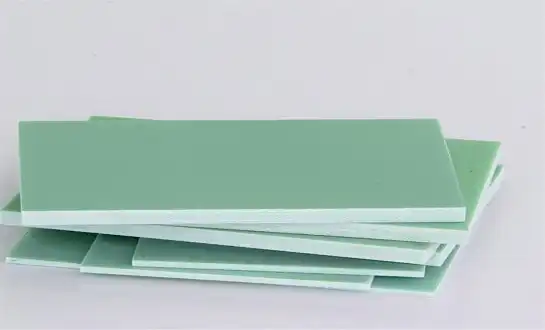
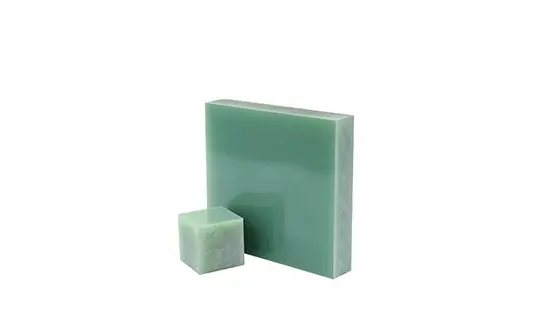
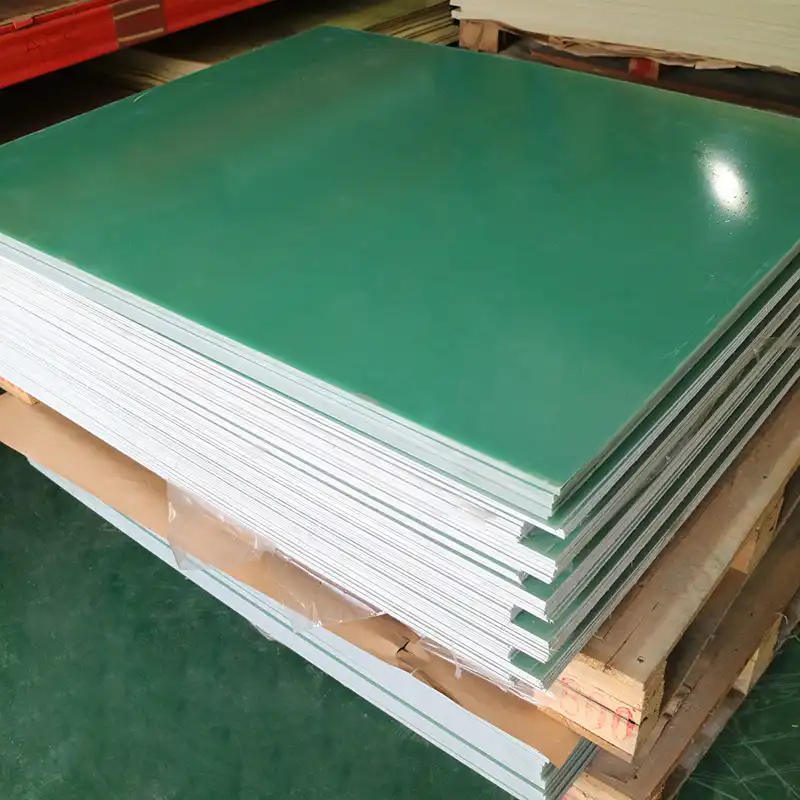
A high-pressure industrial laminate called G10 fiberglass sheet is made by mixing epoxy glue with knitted glass cloth and then letting it cure under controlled heat and pressure. This process makes a thick, uniform material that meets NEMA G-10 standards and has great mechanical strength as well as solid electrical insulation.
Composition and Material Properties
G10 is made in a special way because it has both thermosetting epoxy glue and continuous glass fiber support. During production, several layers of epoxy-soaked glass cloth (prepreg) are stacked and pressed together to make a firm laminate. This mixed structure has great tensile strength, stays the same size even when the temperature changes, and has great dielectric qualities that are useful in electrical and computer uses.
The density of a material is usually between 1.7 and 1.9 g/cm³, which means it has good mechanical properties without being too heavy. The glass fiber presence makes the material very rough when it's being machined, which speeds up tool wear compared to metals or plastics that aren't bolstered. When making plans for production timelines and tooling funds, engineering managers take this trait into account.
Machining Challenges Specific to G10
Because it is made of several different materials, G10 is hard to turn. The rough glass strands make the cutting edge wear off quickly, especially with regular high-speed steel tools. Another problem is that cutting can produce a lot of heat. High temperatures can damage the epoxy matrix, leading to delamination between fiber layers or surface burning that makes it harder to get accurate measurements.
G10 doesn't have the same properties everywhere; instead, the properties depend on the direction of the fibers. When deciding on standards and cutting methods, procurement specialists and mechanical engineers need to take these uneven properties into account. When the material is cut, it tends to release small dust particles, so production areas need to have good air flow and safety steps for workers.
The cutting settings and the state of the tool have a big impact on the quality of the surface finish. When you use dull tools to make precise cuts, like in PCB supports or insulation barriers, you end up with fiber pull-out and fuzzy edges instead of clean cuts. This can affect both how the job looks and how well it works.
Key Factors Influencing Good Cutting Speeds for Turning G10 Fiberglass
To choose the right cutting speeds, you have to balance a lot of different factors that affect how the G10 fiberglass sheet machine turns out. It's helpful for technical buying teams to know how these factors affect both the quality of the production right now and how much it costs in the long run.
Material Thickness and Sheet Variants
When compared to thinner sheets, thicker G10 pieces need different cutting settings. The mass and quantity of the material stay mostly the same across thicknesses, but how it loses heat changes. Because thicker pieces keep heat in longer during cutting, speeds may need to be slowed down or cooling methods may need to be improved to avoid thermal damage.
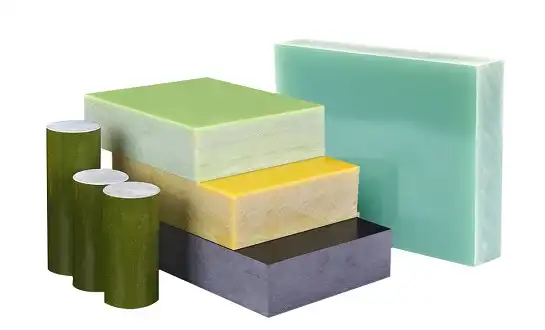
Different types of fiberglass laminate make it harder or easier to machine. While normal G10 works well at temperatures up to 140°C, other types, such as G11, have better thermal performance but are harder, so they need to be cut in different ways. Different versions of G7, made for use at higher temperatures, have different plastic properties that change the best cutting speeds. Knowing these differences helps engineers choose materials that meet both practical needs and the powers of the manufacturing process.
Tool Selection and Geometry
Because they are hard and don't break down easily, carbide cutting tools are the best for turning fiberglass laminates. Because the material is so rough, it quickly wears down softer tool materials. This makes carbide plugs cost-effective, even though they cost more at first. Special coats on tools, like titanium nitride or diamond-like carbon, make them last longer by lowering friction and heat buildup.
The shape of the tool has a big effect on how well it cuts. Sharp cutting edges with the right amount of space between them keep fibers from breaking and heat from building up. When cutting composite materials, positive rake angles usually make cleaner cuts. However, when heavy cutting is needed, tool strength may limit the shape choices. When working with fine parts, OEM buying managers should make sure that their machining partners follow the right tooling specs.
When choosing tools for turning tasks, keep the following things in mind:
- Cutting Edge Preparation: Edges that are sharp and exactly ground lower cutting forces and heat production. Honing or edge preparation methods make the first cut better and make the tool last longer before it needs to be replaced. This is especially important when making a lot of things, because the time it takes to change tools directly affects the rate of production.
- Insert Grade Selection: The composition of carbide changes by grade, with some formulas being better for working with rough materials. It's better to talk to tooling makers about specific types made for composite machining than to go with general-purpose choices.
- Tool Coating Technology: New coats make it so that the tool and workpiece material don't rub against each other or react chemically. This layer of protection keeps the cutting edge in good shape for longer, which means that tools don't need to be changed as often and the dimensions are more consistent across production runs.
Together, these tooling methods make it possible for industrial machinery makers to reliably machine G10 parts for use as electrical insulation, mechanical spacers, and structural parts.
Machine Setup and Operating Parameters
More than just cutting speed, feed rate and depth of cut affect how much material is removed and how good the surface is. Conservative feed rates, which are usually between 0.05 and 0.15 mm per rotation, lower cutting forces and heat production but make cycle times longer. Manufacturing engineers are always thinking about how to balance the need for quality with the need for efficient production.
Even though G10 is not made of metal, using it as a coolant is helpful. Air blast cooling gets rid of dust and heat successfully without causing problems with moisture. Misting systems or special cooling fluids made for composite materials are used in some processes. By keeping the epoxy material from breaking down too quickly, proper cooling increases the life of the tool and makes the surface finish better.
Machine stiffness affects the quality of the surface and the limits that can be used. Cutting with vibration makes chatter marks and wears down tools faster. When it comes to precision parts in car battery barriers or power distribution systems, where size directly affects performance, well-maintained equipment with rigid fixturing is the best way to go.
Recommended Cutting Speeds and Parameters for Turning G10 Fiberglass
Practical parameter ranges that combine efficiency, quality, and tool economy have been set by industry experience and real-world testing. Professionals in machining can use these suggestions as starting points and then make changes based on their equipment's skills and the needs of the part.
Spindle Speed Ranges for Different Applications
Standard turning operations on G10 fiberglass sheet work well at spindle speeds between 800 and 1500 RPM, which are set based on the width of the object and the tools being used. For smaller diameter parts, higher speeds are okay as long as the surface cutting speed is right. But for larger diameter parts, lower RPM is needed to keep the peripheral speeds from getting too high and creating heat.
When sharp tools are used with light finishing passes, speeds toward the faster end of this range are best for parts that care a lot about the quality of the surface finish. For rough turning jobs that need to remove a lot of material, speeds around 1000 RPM are usually used to balance the rate of material removal with tool wear. When making electrical insulation parts, the surface condition needs extra care because rough ends can cause weak spots in the insulation or differences in size that make assembly harder.
Balancing Surface Finish and Tool Life
To get the best results, you need to carefully change the parameters based on the goals of the output. Businesses that make a lot of the same parts can get the best parameters by trying them in a planned way and writing down the results to create proven processes. This method lowers variation and meets the quality system standards that power distribution companies and transformer makers value.
When R&D workers are making prototypes of new parts, they should work together with manufacturing teams to find problems with the machines early on. Different thicknesses of materials, tight tolerances, or complicated shapes may require custom toolpaths or setting changes that affect both the cost and the ability to do the job.
Application-Specific Parameter Optimization
Changing the feed rate gives you another way to control the results and get the best ones. When feeds are slowed down, cutting forces and heat production are reduced. This results in better surface finishes but longer cycle times. While faster feeds may boost output, they may lower quality or speed up tool wear. The economic balance point is based on the worth of the part, the amount of output, and the quality standards.
Batch production steadiness is important for tier-1 supply chain managers who are in charge of planning when parts will be delivered. Validated cutting settings that consistently make parts that fit together correctly across multiple production runs cut down on the time and money needed for inspections and keep scrap rates low. This consistency helps with just-in-time shipping models and lean production, both of which are common in supply lines for auto parts.
Comparison of Turning G10 Fiberglass with Other Material Options
Choosing the right materials affects both how well they work and how quickly they can be made. When purchasing managers know how G10 fiberglass sheet stacks up against other laminates and composites, they can make better decisions about where to buy things that meet both academic and business needs.
G10 Versus G11 Fiberglass Laminates
G11 fiberglass is better at withstanding high temperatures than regular G10. It keeps its functional qualities at temperatures up to about 180°C. This temperature edge makes the material harder and denser, which makes it harder to machine. When turning on G11, cutting speeds need to be slowed down, usually by 15 to 25 percent compared to G10. This is so that the tool wear and heat production can be controlled.
The trade-offs in performance between these materials help you choose the right one for your needs. Power sector parts that are exposed to high temperatures for long periods of time benefit from G11's thermal stability, which makes the extra complexity of the manufacturing process and the cost of the material worth it. Standard electrical casings or structural parts that can be used at room temperature work well with G10. It's easier to machine and costs less total.
Alternative Composite and Laminate Materials
The way that phenolic cotton laminates and glass-epoxy composites are machined is different. Even though they aren't as strong or resistant to water, these materials are usually easier to work with and don't wear down tools as quickly. When machinability is more important than final performance, phenolic materials may be better, especially in areas where cost is a factor.
Carbon fiber materials have great strength-to-weight ratios, but they need special tools and ways to be machined. Compared to glass support, carbon strands are much more abrasive, which speeds up tool wear and raises production costs. Because carbon fiber is electrically conductive, it can't be used in insulation parts. Instead, it can only be used in structural jobs where its better performance justifies the higher cost.
Material Selection Implications for Machining Strategy
Mica-based laminates are better at keeping heat and electricity from moving than glass composites, but they have different dynamic qualities. Most of the time, these materials are easy to make, but their tensile strength is smaller, which changes how parts are designed that will be loaded mechanically.
Choosing materials that are best for both their function and their ability to be manufactured cuts down on the overall cost of the project while still meeting performance goals. Early teamwork between the design, procurement, and manufacturing teams to find the best material specs is helpful for engineering managers. Using this unified method stops cases where designed parts are hard or expensive to make consistently.
Procurement and Supplier Guidance for G10 Fiberglass Sheets
Getting high-quality G10 fiberglass sheet from dependable sources has a direct effect on how quickly and well the final product works. When setting up ties with suppliers, technical procurement experts should look at more than just unit price.
Quality Certifications and Material Consistency
Reliable providers have quality management systems that are approved to meet international standards. This makes sure that the properties of the materials are the same from one production lot to the next. This stability is very important when verified machining settings depend on knowing how the material will behave in a certain way. Changes from batch to batch in the amount of glue, the density of the fibers, or the drying conditions can mean that parameters need to be changed, which slows down production.
Material approvals that show compliance with environmental and electrical safety rules give the traceability that is needed in controlled industries. Documentation that confirms flame resistance grades and the lack of restricted substances is often needed for parts used in power distribution systems or household products. Suppliers with well-established certification programs make it easier for buying organizations to check for compliance.
Customization and Value-Added Services
Suppliers that let you customize materials offer a lot more value than just plain sheet stock. Pre-cut pieces that are the right size for the job cut down on waste and get rid of the need for extra cutting. Custom width choices let designers make parts work better without over-engineering, which lowers material costs while still meeting functional needs.
Some wholesalers offer machining services or expert advice to help with the development of parts. Access to application engineering experts helps solve problems in manufacturing and make ideas more efficient so they can be made. This plan for technical partnerships helps businesses that are making new goods or entering new markets.
Logistics and Supply Chain Considerations
Reliable delivery and acceptable lead times help with planning production and keeping track of supplies. Logistics-savvy suppliers, like those who offer fast shipping and exchange inventory programs, help manufacturing companies stay flexible while keeping their working capital as low as possible by keeping raw materials in stock.
Procurement teams that are trying to meet cost goals profit from clear pricing structures and being ready to negotiate volume buy deals. Long-term supply deals with clear price and delivery terms lower uncertainty in the supply chain. This is especially helpful when markets are volatile or when it's hard to get materials to the right places.
Conclusion
To get the best cutting speeds for turning G10 fiberglass sheet, you need to know how the material works, choose the right tools, and carefully change the machine parameters. A useful starting point is the suggested spindle speed range of 800 to 1500 RPM. However, for some uses, the speed range needs to be changed depending on the thickness, part geometry, and quality standards. To deal with the rough quality of the material and keep tool life at a good level, you need carbide tools with the right shape and finishes. When engineering teams compare G10 to other materials, such as G11 or phenolic laminates, they can make better choices about which one to use based on performance, ease of machining, and cost. Working with providers who know what they're doing guarantees access to consistent, certified goods that help production run smoothly.
FAQ
What spindle speed should I use when turning G10 fiberglass sheet?
When I turn G10 fiberglass sheet, what speed should I set the spindle to? Depending on the width of the part, the thickness of the material, and the tools being used, the spindle speed is usually set between 800 and 1500 RPM. Higher speeds can be used for parts with a smaller diameter, while lower RPM is needed for bigger parts to control the cutting speed and heat production around the edges.
Which cutting tools work best for machining fiberglass laminates?
Because they are hard and don't wear down easily when hit with glass fibers, carbide cutting tools are the best choice. Tools that have special coats on them, like titanium nitride, last longer. Tools with sharp edges and positive rake angles make better cuts and build up less heat than tools with dull or badly ground edges.
How does G11 differ from G10 in terms of machining difficulty?
G11 is better at withstanding high temperatures, but it is also harder, so cutting speeds need to be 15 to 25 percent slower than with G10. This better thermal performance means that tools wear out faster and it's harder to machine, which changes how materials are chosen based on working temperature needs instead of manufacturing concerns.
Partner with J&Q for Premium G10 Fiberglass Sheet Supply
To help you with your precision milling needs, J&Q has more than twenty years of experience making high-quality products and more than ten years of experience trading with other countries. The approved G10 fiberglass sheet inventory we have in stock meets the high quality standards needed by companies that make electronics, cars, and industrial machines. We know how important it is for materials to be consistent if you want to machine them well, so our quality control processes make sure that the properties of the materials are always the same and support approved production factors.
In addition to selling high-quality materials, we also offer customization services, such as different thicknesses and pre-cut blanks that are made to your exact specs. Our integrated logistics skills give you reliable supply dates that help you plan your production. Technical advice services can help you choose the best materials and machining methods for your needs. Get in touch with our team at info@jhd-material.com to talk about your needs and get personalized advice from a reliable G10 fiberglass sheet maker who cares about your manufacturing success.
References
National Electrical Manufacturers Association. "NEMA Standards Publication LI 1-2018: Industrial Laminated Thermosetting Products." NEMA, 2018.
Chandler, H.E. "Machining of Composites." ASM Handbook Volume 16: Machining. ASM International, 1989, pp. 879-894.
Kobayashi, A. "Tool Wear in Cutting Glass Fiber Reinforced Plastics." Bulletin of the Japan Society of Precision Engineering, vol. 18, no. 4, 1984, pp. 281-286.
Davim, J.P. and Reis, P. "Drilling Carbon Fiber Reinforced Plastics Manufactured by Autoclave: Experimental and Statistical Study." Materials & Design, vol. 24, no. 5, 2003, pp. 315-324.
Sheikh-Ahmad, J.Y. "Machining of Polymer Composites." Springer Science & Business Media, 2009.
Hocheng, H. and Tsao, C.C. "Comprehensive Analysis of Delamination in Drilling of Composite Materials with Various Drill Bits." Journal of Materials Processing Technology, vol. 140, no. 1-3, 2003, pp. 335-339.

Get a complete product list and quotation

J&Q New Composite Materials Company