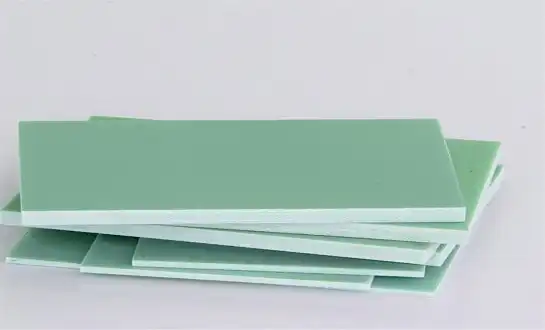
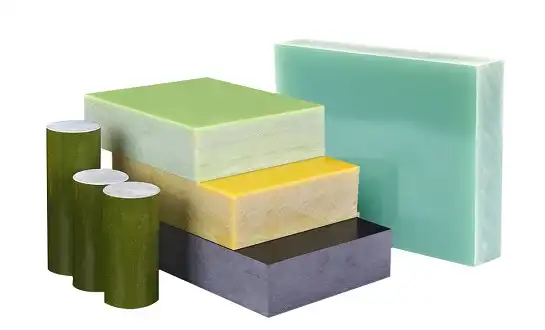
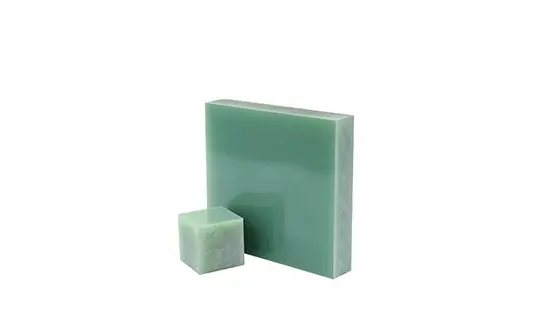
FR4 Sheet For CNC Machining Industrial Applications
When purchasing and engineering managers look for strong insulation materials that can stand up to tough CNC cutting processes, the FR4 sheet stands out as the best choice. This flame-resistant composite material is made up of woven fiberglass cloth that is fully saturated with epoxy resin. It has great mechanical strength, thermal stability, and electrical insulation qualities that are necessary for precise making. Whether you're making support structures for PCBs, motor parts, or insulation walls, knowing how the FR4 sheet works with CNC machines has a direct effect on how quickly and reliably you can make your products. This complete book explains the properties of materials, how to buy them, and how they are used in the real world. This will help you make smart choices about where to buy materials that meet the needs of your industry.
Understanding FR4 Material and Its Properties for CNC Machining
What Makes FR4 a Preferred Choice for Industrial Applications?
The FR4 sheet is a thermosetting industrial laminate that meets the requirements of NEMA LI 1-1998 standards. It is the standard for high-pressure composite insulation materials around the world. The "FR" marking means that the material is flame retardant, with a self-extinguishing flammability grade of UL94 V-0 achieved by adding bromine or non-halogenated chemicals. This mixture solves some of the most important problems in manufacturing, like dielectric breakdown in high-voltage settings and structure deformation caused by thermal cycles.
The material's main strength is that it has a balanced set of properties. In contrast to paper-based laminates, which absorb water and weaken shielding, the FR4 sheet keeps almost no water absorption even in wet places. This stability makes sure that the dielectric qualities stay the same over the life of the product. This makes it especially useful for power distribution equipment and transformers where electrical safety must not be compromised.
Mechanical and Thermal Characteristics Relevant to CNC Operations
For CNC machining to work, the materials must stay the same size while they are being cut, drilled, and routed. The continuous strand glass support in the FR4 sheet makes it very good at this because it gives it great mechanical toughness. The material can handle a lot of physical stress without delaminating or cracking, which lets precise parts be machined to very tight tolerances.
In business settings, thermal efficiency is just as important. Standard grades of the FR4 sheet work well up to 130°C, while high-Tg versions work well up to 170°C or higher. The glass transition temperature (Tg) shows when epoxy resin starts to soften. Choosing the right Tg numbers for your machined parts will keep their structural integrity at all temperatures they are supposed to be used at. This thermal resistance is especially helpful for automotive battery pack shields and motor insulation components, which are often exposed to high temperatures while they are working.
Electrical Properties That Define FR4's Industrial Value
At 1 MHz, the dielectric constant of the FR4 sheet is usually between 4.2 and 4.8. This means that the electrical performance across circuits is stable and reliable. This uniformity makes precise impedance control possible, which is important for high-speed digital and analog uses in production and telecommunications. The low dissipation factor of the material reduces the amount of energy lost as electrical messages move through its parts, which helps the device work more efficiently.
For good FR4 sheet laminates, the dielectric strength (the highest voltage a material can handle before breaking) is usually higher than 20 kV/mm. Because it can effectively block voltage, this material is perfect for use as a spark barrier in transformers, an insulation layer for motor coils, and other places where voltage separation is very important. Electrical engineers like these uniform traits because they make design calculations easier and cut down on the number of tests that need to be done during the development cycle.
Comparison of FR4 with Other PCB and CNC Machining Materials
How FR4 Stacks Up Against Alternative Insulation Materials
How Does the FR4 sheet Compare to Other Insulation Materials? The choice of materials has a direct effect on both the cost of production and the performance of the finished product. The FR4 sheet is often put up against phenolic cotton sheets, polyimide films, ceramic bases, and aluminum-backed laminates when machinery makers look at different types of structural insulation. Depending on the needs of the application, each material has its own unique benefits.
Epoxy-based FR4 sheet is more expensive, but phenolic cotton sheets are better at withstanding high temperatures and keeping electricity from flowing through them. Because it is more thermally stable, the FR4 sheet is often used in situations where temperatures stay above 120°C for a long time. On the other hand, Rogers or polyimide materials, which have lower dielectric constants and dissipation factors than normal FR4 sheet, may be worth the extra cost for ultra-high frequency circuits that need to lose as little information as possible.
Ceramic surfaces are great at moving heat and keeping their shape, which makes them ideal for putting high-power LEDs and RF amplifiers. However, their brittleness makes CNC cutting more difficult and greatly raises the cost of materials. Aluminum-backed laminates are great for keeping power gadgets cool, but they let electricity flow through them, so they can't be used for pure insulation. These trade-offs show why the FR4 sheet is still the best choice for a wide range of industrial machining tasks: it performs well enough in a number of areas at a price that is competitive.
Machining Considerations Across Different Material Grades
Not all types of FR4 sheet machine the same. Standard FR4 sheet types with less resin make it easier to machine, which means they have cleaner edges and need fewer tool changes during CNC operations. For high-Tg versions, changed epoxy mixtures make them harder, so carbide tools and different feed rates are needed to keep the tools from wearing out too quickly.
The specs for the surface finish also affect how the cutting turns out. When drilling, smooth copper-clad surfaces make exact registration easier, while matte finishes might need extra support to keep the part from moving. When buying something, OEM sourcing managers should be clear about what surface standards they have, since finishing processes after machining add cost and wait time to production schedules.
Precision in machining is directly affected by the thickness limit of the pieces that are provided. Reliable providers keep tolerances within ±10% of the standard thickness. This makes sure that the depth is always controlled during routing and counterboring. When making a lot of device insulation frames or car fixtures, where interchangeability between production runs is important, batch-to-batch consistency is very important.
How to Identify and Evaluate FR4 Sheets for CNC Machining
Verification Techniques for Material Authenticity
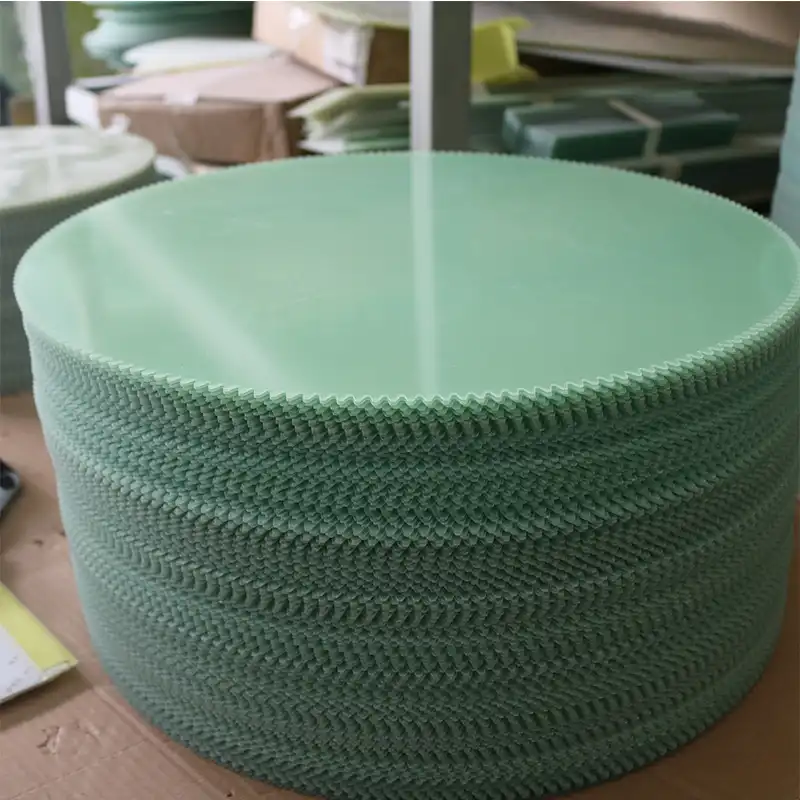
It is really hard for procurement teams to tell the difference between real FR4 sheet laminates and cheaper imitations. The first way to tell if something is real is to look at it. Real FR4 sheet has uniform woven glass fiber designs that can be seen at the cut edges, while fake materials might have uneven resin distribution or paper-based bases that look like fiberglass reinforcement.
Datasheet research gives you more information about the specs of a material. Certified sellers give full records with dielectric strength values, thermal expansion coefficients, flexural strength scores, and flammability test results. Comparing these specs to NEMA LI 1-1998 standards helps make sure the material is real. Supplier approvals from groups like UL, ROHS, and ISO 9001 show even more dedication to quality control systems and following the rules.
Chemical makeup testing is more complicated, but it is the only way to be sure of what a substance is. Fourier-transform infrared spectroscopy (FTIR) can be used to prove the type of epoxy resin and make sure that flame-retardant ingredients are present. When electrical engineers choose materials for safety-critical uses like power distribution insulation or arc barriers, they might need this level of confirmation to make sure that the parts meet safety standards for the whole time they are in use.
Assessing Performance Through Real-World Machining Tests
You can't just read the datasheets to understand everything. Trials of practical cutting show how the FR4 sheet acts in real-world industrial settings. Small test runs check the quality of the edges after cutting, the smoothness of the hole walls after drilling, and the finish on the surface after end milling. These tests show possible problems, like the chance of delamination or too much dust production, that could make production more difficult.
Thermal cycle tests make made parts go through the same kinds of stresses that they will face in real life. When sample parts are heated and cooled many times between -40°C and 125°C, it shows if the material properties stay fixed or if the sizes change, which could affect how well the parts fit together. Companies that make transformers and power gadgets often do these kinds of proof tests before making big purchases.
Mechanical load testing shows that FR4 sheet parts that have been made can handle the expected physical forces. Measurements of flexural strength show that insulation gaps in industrial machinery can hold the loads that are needed without breaking. Compression testing proves that motor clamps keep their structural integrity when bolt force and vibration are applied. These real-world tests give people more faith that the materials they buy will work reliably in tough industrial settings.
Procurement Guide: Sourcing FR4 Sheets for Industrial CNC Applications
Criteria for Evaluating Supplier Credibility
Long-term buying experts know that ties with suppliers have a big effect on the continuity of production. Aside from reasonable prices, there are a number of other things that set trustworthy FR4 sheet providers apart from dishonest ones. The manufacturing capacity and inventory depth of providers decide whether they can meet urgent orders during production ramp-ups or stick to regular supply schedules over the course of multi-year contracts.
Quality management systems give you information about the rules that make sure that each batch is the same. Suppliers that meet ISO 9001 standards keep written processes for inspecting arriving materials, checking quality while the product is being made, and validating the finished product. This organized method makes it less likely that you will get materials that don't meet the specifications, which wastes time during cutting and lowers the performance of the part.
Technical help is what sets great sellers apart from those who just sell products. Suppliers who can offer the right FR4 sheet grades for different uses, the right machining settings based on the material's properties, and help with quality problems when they happen are helpful to engineering teams. This way of working together cuts down on expensive trial-and-error testing during manufacturing optimization and speeds up the process of making new products.
Key Purchasing Considerations for Industrial Buyers
When you buy in bulk, you get a discount, but you have to be careful with your goods so that you don't tie up your working capital in extra stock. Setting up blanket purchase orders with planned releases is a good way to balance volume discounts with just-in-time inventory practices. This is especially helpful for appliance makers whose production cycles are stable and whose design specs are reliable.
Lead times are very different between sources and types of materials. FR4 sheet thicknesses that are standard usually ship within two weeks. Custom thicknesses or high-Tg versions may take four to six weeks to make. Automotive part sellers with tight start dates have to plan their projects around these deadlines, which could mean qualifying more than one source to lower supply chain risks.
Minimum order numbers (MOQs) affect how to source materials for different amounts of production. MOQs of thousands of square meters are easy for companies that make a lot of goods to handle, but companies that make a lot of industrial machines may have trouble with having too much inventory after making large minimum purchases. When it comes to these buying problems, suppliers who offer adjustable MOQs or consignment inventory arrangements are very helpful.
Customization choices make the FR4 sheet more useful for a wide range of applications. Suppliers who can offer pieces that are already cut, unique thicknesses, or special surface processes cut down on the work that needs to be done later. Tier-1 car supply chain managers really like these services because they shorten the time it takes to make things and get rid of steps in the production process that don't add value.
Building Partnerships for Supply Chain Reliability
A good connection with a supplier is built on consistent quality and reliable service. Regular performance reviews that keep track of measures like on-time delivery rates, material conformance percentages, and how quickly you respond to technical questions find ways to keep getting better. Dealing with problems before they get out of hand makes relationships stronger and keeps quality issues from getting worse and causing production problems.
Both buyers and sellers benefit from collaborative forecasts because it makes the supply chain work better. Sharing production plans six to twelve months in advance helps suppliers get the raw materials they need and divide up the factory space they have, which cuts down on wait times and makes deliveries more reliable. This honesty comes in handy especially when it comes to starting new product lines that need a lot of materials or when materials are hard to come by.
Dual sourcing methods find a good balance between relationship depth and supplier security. Keeping qualified backup suppliers on hand protects against problems that affect main suppliers, and focusing on doing business with chosen partners on a regular basis keeps the business relationships that allow for customized service and special treatment when capacity is limited. Strategic buying teams actively handle this balance to get the most out of both reducing risk and working with suppliers.
Conclusion
The FR4 sheet has been useful in many industrial CNC cutting tasks because they consistently provide mechanical strength, electrical insulation, and heat stability. This material can be used in a lot of different ways, from making gadgets to building car systems. It meets important performance standards and stays cost-effective so that industry can stay competitive. Procurement pros and engineering teams can make better material selection choices by learning about the qualities of materials, evaluating suppliers thoroughly, and using what they've learned in real-world applications. As FR4 sheet formulations and production methods change over time, this basic material will still be useful for next-generation industry uses that need higher and higher performance standards. Spending time on properly qualifying materials and building relationships with suppliers will pay off in the form of more reliable products, more efficient production processes, and a lower total cost of ownership across all of your manufacturing activities.
FAQ
What differentiates FR4 from alternative materials in CNC machining applications?
The FR4 sheet is a cost-effective material that has electrical protection, industrial strength, and flame resistance all in one. Unlike pure ceramics, which are better at transferring heat but very brittle, or aluminum, which is great at transferring heat but very conductive electrically, the FR4 sheet has balanced properties that make it useful in a wide range of situations. Its woven fiberglass support stops delamination during machining, which happens a lot with paper-based phenolic materials. Epoxy resin formulations also make it more stable at high temperatures than most thermoplastic options.
How can people make sure the quality of FR4 before they buy a lot of it?
Ask for detailed material datasheets that show the dielectric strength, heat properties, and dynamic properties. Check the certificates of the seller, such as UL recognition and ISO 9001 quality management systems. Do some small-scale grinding tests to check the quality of the edges, the security of the dimensions, and the finish on the surface. When you look at the fiberglass weave designs with your own eyes, they should be uniform and free of resin gaps or contamination. Suppliers with a good reputation will gladly give you samples of their products and third-party test results that match the specifications. This shows that they are confident in the quality of their products.
What customization options exist for industrial CNC machining requirements?
A lot of providers offer custom thickness choices in addition to standard sizes, blanks that are already cut to the right size for your part, and special surface finishes that make the next steps in the process go more smoothly. Some companies offer CNC cutting services and send finished parts instead of raw sheets, which is helpful for making prototypes or small batches. Specialized formulas, such as halogen-free versions, high-Tg grades, and better tracking-resistant mixes, meet specific application needs that normal FR4 sheet grades might not fully meet.
Partner with J&Q for Premium FR4 Sheet Supply
If you need commercial insulation material, J&Q can help. They have been making high-quality products for over twenty years and have been trading internationally for ten years. Because we've been making and selling FR4 sheet products, epoxy boards, and phenolic laminates for a long time, you can trust us to be your reliable source for tough CNC cutting jobs. During production, we keep a close eye on quality to make sure that every sheet meets the required width limits, electrical properties, and mechanical properties for your uses. Our in-house transportation services make the whole process of placing an order to delivering it easy because you don't have to deal with the hassles of coordinating with different providers. Engineering support teams help you choose the best types of materials, suggest the best settings for cutting, and fix any problems that come up during production. Get in touch with our experts at info@jhd-material.com to talk about your specific needs and get personalized quotes that are backed by consistent quality, reasonable pricing, and reliable shipping schedules that keep your production operations running smoothly.
References
National Electrical Manufacturers Association. "NEMA Standards Publication LI 1-1998: Industrial Laminating Thermosetting Products." National Electrical Manufacturers Association, 1998.
Harper, Charles A. "Electronic Materials and Processes Handbook, Third Edition." McGraw-Hill Professional, 2004.
Coombs, Clyde F. "Printed Circuits Handbook, Seventh Edition." McGraw-Hill Education, 2016.
IPC Association Connecting Electronics Industries. "IPC-4101: Specification for Base Materials for Rigid and Multilayer Printed Boards." IPC International, 2016.
Jawitz, Martin W. "Materials for Rigid and Flexible Printed Wiring Boards." CRC Press, 2007.
ASM International Handbook Committee. "Composites: Engineered Materials Handbook, Volume 1." ASM International, 1987.

Get a complete product list and quotation
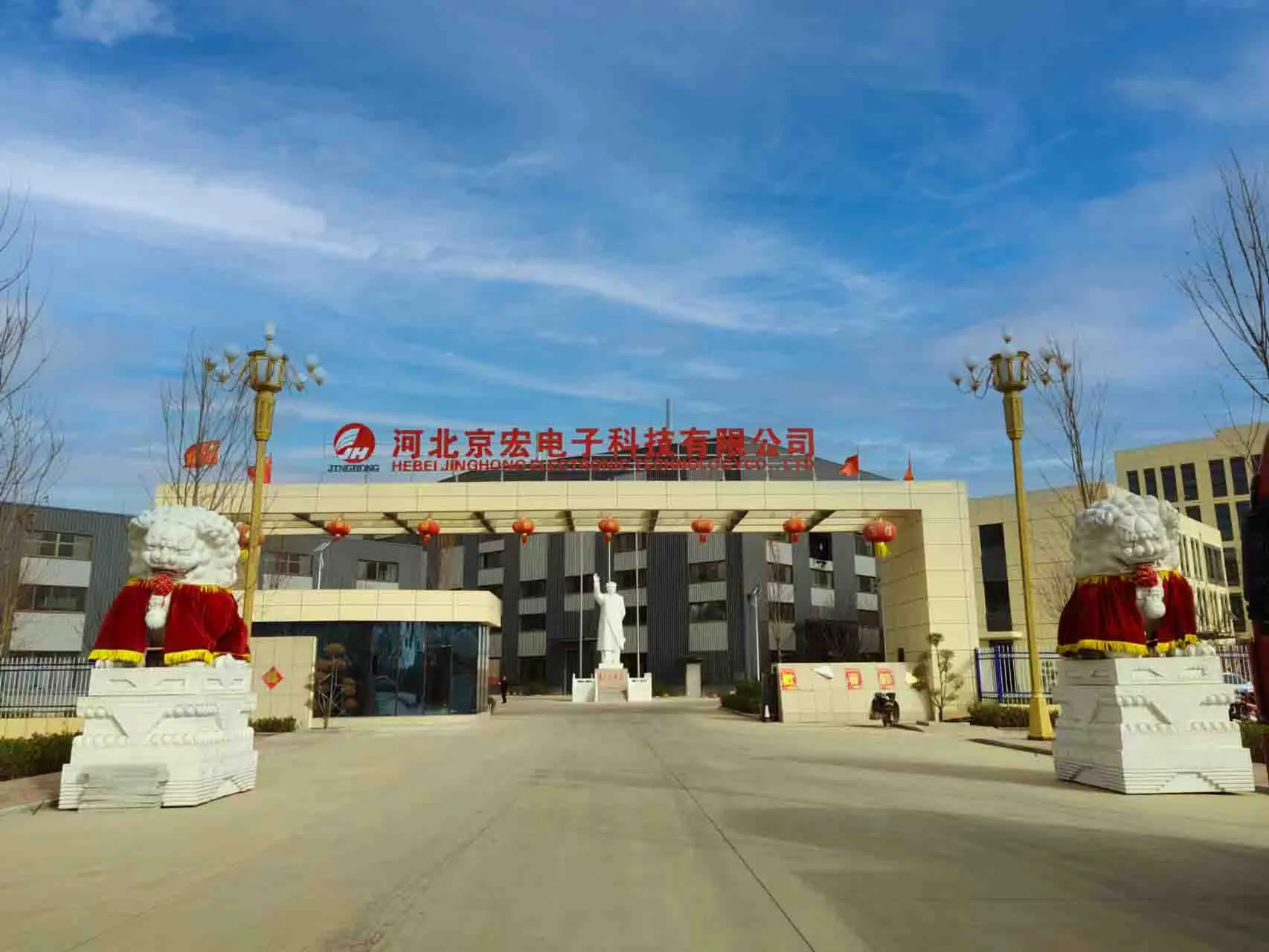
J&Q New Composite Materials Company