Custom Cut Bakelite Sheets - Heat & Insulation Panels
Custom cut Bakelite sheets are a well-thought-out way to meet the toughest insulation and heat protection needs in industrial settings. These phenolic laminated panels combine the well-known thermal stability and dielectric strength of Bakelite sheets with the precision of modern CNC machining. They come in exact sizes and thicknesses that cut down on waste and make sure they fit perfectly in electrical systems, machinery parts, and thermal barriers. These custom panels are used by engineering teams in the automobile, electrical manufacturing, and power distribution industries to meet strict safety standards while keeping costs low in high-volume production settings.
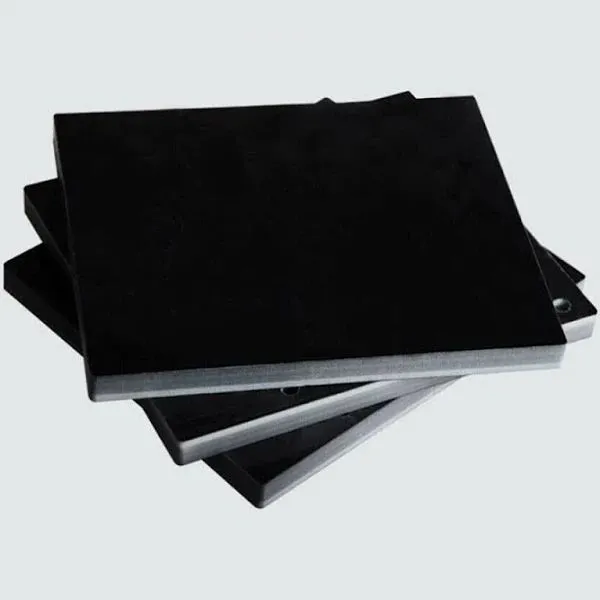
Understanding Bakelite Sheets: Properties and Applications
Historical Significance and Modern Relevance
Because Baekeland did groundbreaking work on thermosetting resins, phenolic paper laminates were made. This material changed how electrical shielding was done throughout the 20th century. Unlike thermoplastics, which soften when heated, these thermoset composites cure in a way that can't be undone during production. This creates cross-linked molecular structures that keep their shape and electrical properties even when the temperature changes. During World War I, the material was used in a wide range of military applications, from Liberty airplane engine parts to radio telephone systems. These uses showed how reliable it was in harsh conditions, and this reliability is still used today in industrial settings.
Core Material Properties
In the production process, phenolic resin is mixed with layers of cellulose paper. The assembly is then heated and pressed in a controlled way to cause polymerization. In the end, this makes a thick, uniform compound with amazing performance properties:
Electrical insulation capability stands as the main benefit; in normal grades, the dielectric strength of Bakelite sheets is higher than 12 kV/mm. Low moisture absorption rates (below 1%) make sure that the insulation stays strong even in damp places where other materials break down. Because they stop tracking failures in high-voltage situations, arc resistance makes these laminates necessary for circuit breakers, fuse blocks, and transformer gaps.
Thermal performance stays the same over a large temperature range, usually from -40°F to 300°F (-40°C to 149°C) for normal grades. This heat resistance keeps motor housings from deforming, lets you place them directly next to heating elements, and keeps their mechanical integrity during thermal cycle, which would normally cause plastics to crack or creep.
Mechanical strength does more than just insulate; it supports structures. The compressive strength of thin sheets is often higher than 30,000 psi, which means they can be used as load-bearing spacers, gears, and mechanical braces. Machinability lets you drill, mill, and route precisely without delamination, which lets you make complicated shapes for specific uses.
Chemical resistance to oils, solvents, and weak acids makes things last longer in factories where they are constantly exposed to cleaners and lubricants. Compared to materials that swell, dissolve, or break when they come into touch with chemicals, this durability cuts down on upkeep and repair costs.
Industry Applications Across Sectors
When UL and RoHS compliance is important, electrical and electronics makers use these laminates in PCB support structures, switchgear systems, and terminal blocks. The material can be cut with a CNC machine, so it can be used to make complex patterns for current circuit layouts. It also keeps its dielectric qualities, which stop short circuits and electrical fires.
Builders of industrial machinery use phenolic cotton laminates for structural insulation, bearing guards, and gears that don't wear out, as well as for areas where mechanical loads and electrical separation needs to work together. Tight thickness limits make sure that precision parts always work the same way, and the material's dimensional stability stops it from binding and misaligning, which can happen with plastics that absorb water.
These insulation walls are used by power distribution networks and transformer makers to keep coils apart, protect against arcs, and keep temperatures safe in substations and factories. Flame resistance and temperature stability meet the strict safety requirements of electricity codes. Certified quality systems provide the proof needed to comply with regulations and protect against risk.
Precision-cut panels are used by automotive component makers to insulate the battery packs in electric cars. To stop thermal runaway, these panels must be made of materials that won't help the fire spread. Heat-resistant parts and insulation pads in regular powertrains work better with this material because it can handle high temperatures in the engine area without losing its shape or burning out.
Manufacturers of home appliances like how cost-effective phenolic laminates are for making motor brackets, insulation frames, and thermal separation parts in large quantities. Just-in-time production is supported by stable batch quality and fast delivery processes. The material's track record also lowers warranty claims related to electrical breakdowns.
Custom Cutting Bakelite Sheets: Enhancing Performance and Fit
Advantages of Precision Tailoring
For standard Bakelite sheet stock, extra steps are needed that create waste, take time, and could lead to differences in quality. Custom cutting gets rid of these wasteful steps by sending parts in their final sizes, which can then be put together right away. When specialized providers perfect nesting patterns and cutting sequences, material utilization rates go up by a huge amount. This saves you money, which goes straight to your bottom line. Also, precise sizing improves performance because exact fits get rid of air holes that let heat escape and loose tolerances that make mechanical parts rattle or wear out.
Advanced Cutting Technologies
There are different ways to make things that meet the needs of different applications. CNC routing is the most common way to make things with complicated shapes and tight limits. Modern machines can keep big panels accurate to within ±0.005 inches. Computer-controlled cutting heads follow pre-programmed tool tracks that make sure the quality of the edge stays the same throughout the whole production run. This gets rid of the differences that come with doing things by hand.
When waterjet cutting is used for tasks that don't need a lot of heat, high-pressure abrasive streams cut through thick laminates without putting temperature loads on them. This cold-cutting method keeps the material's qualities right up to the cut surface and stops the edges from turning color. This is especially helpful for parts that are exposed to high voltages, where carbonized edges could make tracking tracks.
Laser cutting is fast for smaller sizes, but phenolic materials need to be carefully controlled so that they don't get too charred. The non-contact process doesn't wear down the tools and can make detailed patterns that aren't possible with mechanical methods. However, for important electrical uses, edge finishing may need extra steps.
Machining Best Practices
When cutting and grinding, using sharp carbide tools lowers the risk of delamination. Fine particles are made during cutting. Dust cleaning systems keep both the equipment and the people using it safe from these particles. Controlled feed rates keep the machine from getting too hot, which can burn the surface. When you hold the workpiece correctly, it doesn't bend in thin sheets, which keeps the measurements accurate and stops stress cracks that could damage electrical wiring.
Procurement Guide: Buying Custom Cut Bakelite Sheets for B2B Clients
Specification Criteria
Usually, you can choose a thickness between 0.5 mm for thin insulating walls and 50 mm for solid parts that have to hold mechanical loads. Paper-based phenolic (Grade XX, NEMA XX) is used for basic electrical work, canvas phenolic (Grade CE, NEMA CE) is used for uses that need higher mechanical strength, and linen phenolic (Grade LE, NEMA LE) is used when better impact resistance is important. Knowing the differences between these grades helps match the qualities of a material to the needs of an application without choosing too many expensive options.
Because of dimensional limits, the buying and manufacturing teams need to be able to talk to each other clearly. For most brackets and spacers, market standards of ±0.030 inches may be enough, but for precision electrical parts, control of ±0.005 inches is usually needed. Talking about tolerance standards up front saves money on repairs and makes sure that Bakelite sheet providers can meet goals with the tools they have on hand.
Quality Certifications and Compliance
Suppliers with a good reputation keep certificates that show they follow regular quality systems and regulations. ISO 9001 approval means that there are set processes for maintaining quality, keeping records, and making improvements all the time. Electrical insulation materials that are recognized by UL have their dielectric strength, flammability scores, and long-term temperature stability checked by a third party. RoHS compliance paperwork proves that banned dangerous substances are not present. This is especially important for gadgets sold in Europe or to people who care about the environment.
By asking for material test results and certificates of conformance, you can keep track of the parts you receive by connecting them to data from batch testing. This paperwork is very helpful for quality checks, customer reviews, or failure reports that need to find the root cause.
Supplier Evaluation
When making sourcing choices, the total cost of ownership is taken into account as well as unit prices. Reliability of lead times affects the cost of keeping supplies and the freedom of production schedules. When distributors need something quickly, suppliers with specific inventory and in-house machining skills can react faster than those who rely on outside fabricators. Technical support tools can help you with questions about choosing the right materials and improving the process. This is especially helpful when you are designing new goods or fixing problems with assembly.
For different project sizes, minimum order numbers affect which suppliers are chosen. Some specialized makers only do high-volume production runs where the cost of the tools is spread out over thousands of pieces. Others, on the other hand, are willing to work with prototypes and short runs for a small fee. Making it clear what volume goals are during the original talks with suppliers helps avoid misunderstandings and makes it easier to build long-term relationships that work.
Pricing and Volume Considerations
Setup and tooling costs are spread out over bigger amounts, so unit costs go down a lot as the order volume goes up. Sample amounts may cost 200–300% more than high-volume prices, while orders of 100–500 pieces usually cost 40–60% more than high-volume prices. When procurement teams understand these cost curves, they can better plan when to place orders by combining needs into fewer, bigger releases instead of many small orders.
Different providers offer a wide range of customization options. Simple basic shapes, like squares and circles, with standard hole designs usually don't cost much more than the cost of the materials. Complex shapes that need special programming, multiple setups, or secondary processes cost more because they take longer to build and machine. Talking about the freedom of the design early on in the development process can help find cost-effective changes that keep the usefulness while making manufacturing easier.
Best Practices and Technical Tips for Using Bakelite Sheets in Heat and Insulation Panels
Installation and Handling Procedures
The first step in proper handling is the receiving inspection, which checks packages for damage to the edges, contamination of the surface, or moisture exposure during travel. When you store Bakelite sheets in a clean, dry place, they keep their qualities. For example, controlling humidity stops moisture absorption that could hurt electrical performance, and keeping the temperature stable stops changes in size that could make precision assembly tasks harder.
Stress cracks around mounting holes can be avoided by not over-torquing screws during installation. Phenolic laminates are less flexible than metals, which means they can break when clamp loads are too high. Maintaining mechanical integrity means using load-distributing washers and following the power specs given. Leaving enough space around the edges keeps them from breaking during thermal expansion cycles. This is especially important in places where temperatures change a lot.
When sticky connection is needed, surface preparation makes bonding better. Light rubbing with fine sandpaper makes the surface area bigger so that the pieces can fit together mechanically, and cleaning with solvents gets rid of oils and other leftovers that stop the glue from sticking. Bond-line failures can be avoided by matching the glue chemistry to the working temperatures. Standard epoxies work well for most uses, while high-temperature silicones are better for very hot or cold places.
Maintenance and Longevity
Inspections done on a regular basis find new problems before they become major problems. A visual inspection can show surface tracking, edge carbonization, or mechanical damage that needs the part to be replaced. Electrical testing makes sure that the insulation resistance stays within acceptable limits, finding any loss caused by dirt or water getting in. Checking mechanical fasteners makes sure that shaking hasn't broken any links, which could lead to arcing or too much heat.
When cleaning, strong chemicals that break down phenolic resins must not be used. Most dirt can be cleaned up with water and mild cleansers. For tough leftovers that won't come off, isopropyl alcohol can be used without damaging the material. Using rough cleaning methods can leave scratches on the surface, which can damage electrical properties and make places where water can stay.
Environmental factors have a big effect on service life. Continuous exposure to the highest temperatures speeds up the breakdown of resin, making it weaker and more fragile over time. Sunlight's UV rays can chalk and change the color of surfaces outside if they are not protected by protective coats. Understanding these ways that things break down helps you set reasonable repair and replacement plans.
Troubleshooting Common Issues
Usually, wetness getting into parts that aren't protected well enough or manufacturing flaws in the base material cause delamination between paper layers. In humid places, covering the edges with the right coats stops water from getting in. Surface tracking along phenolic insulators shows that contamination is making electrical lines or voltage levels that are higher than what the material can handle. Finding the root reasons, like bad weather conditions, bad design, or wrong material specifications, stops the problem from happening again.
Thermal damage shows up as staining, charring, or changes in size that happen after being exposed to temperatures above the recommended ones. By looking into heat sources, you can tell if changes to the design, better airflow, or different materials are needed. Impact damage, too much force on the fasteners, or not enough structural support are all signs of mechanical cracks that need to be looked at by a designer.
Conclusion
Custom-cut Bakelite sheets continue to work well in tough industrial settings where they are needed for electrical protection, heat resistance, and strength. Making smart choices about what to buy by weighing the qualities of the materials, the skills of the suppliers, and the total cost of ownership is important to make sure that projects meet technical needs while staying within their budgets. It's helpful for engineering teams to know the different ways that these phenolic laminates are better than other materials, especially when efficiency in the field is more important than meeting lab standards. When you work with experienced providers, choosing materials stops being a transaction and becomes a joint process that improves long-term product quality, lowers production costs, and makes designs better.
FAQ
Can I order custom-sized Bakelite sheets for small prototype quantities?
A lot of specialized providers can handle prototypes and small orders, but the unit price usually spreads the setup costs across fewer pieces. Giving suppliers information about project timelines and possible production numbers helps them give accurate quotes and reasonable wait times. Some makers keep standard sheet sizes in stock, which makes cutting easier and costs less than making completely unique shapes.
How does Bakelite perform compared to FR4 in high-temperature applications?
Standard phenolic laminates can be used continuously up to 300°F, but FR4 epoxy glass materials can handle the same temps and keep their tensile strength better at higher temperatures. The decision relies on the needs of the application. Phenolic materials are easier to work with and cost a lot less, so they are better when the extra features of FR4 are not needed. For uses close to or above 300°F, you should have a thorough conversation with the material providers about which grade to use and how long the product is expected to last.
What certifications should I verify when sourcing electrical insulation materials?
UL recognition gives electrical properties and flammability scores third-party confirmation, which is important for following the rules and protecting yourself from responsibility. ISO 9001 approval means that the quality systems are uniform and that the same things can be made in different batches. RoHS compliance paperwork proves that dangerous chemicals are limited, which is especially important for the electronics market. Material test records and certificates of conformance make it possible to track down components by connecting them to data from lab tests.
Partner with J&Q for Reliable Bakelite Sheet Solutions
If you need insulation panels, J&Q can help. They have been making high-quality products and trading internationally for over twenty years. As a seller of Bakelite sheets with a lot of experience, we know how important electrical protection parts are and keep strict quality standards throughout the whole production and shipping process. With our in-house CNC machining, we can make panels that are precisely cut to your exact specs, and our dedicated transportation company can handle everything, from giving you a quote to delivering your order.
Managers of engineering projects and people who buy things like our technical consulting service because it helps them choose the best materials and design details that save money without sacrificing performance. Whether you need UL-approved materials for switchgear systems, precisely cut spacers for transformer use, or custom insulation panels for auto parts, our team is ready to help you with your project from the first sample to mass production. Email us at info@jhd-material.com to talk about your unique needs and find out how our experience can help you find reliable answers to your thermal and electrical insulation problems.
References
American Chemical Society National Historic Chemical Landmarks. "Bakelite: The World's First Synthetic Plastic." Washington, DC: American Chemical Society, 2015.
Bijker, Wiebe E. "The Social Construction of Bakelite: Toward a Theory of Invention." In The Social Construction of Technological Systems: New Directions in the Sociology and History of Technology, edited by Wiebe E. Bijker, Thomas P. Hughes, and Trevor Pinch, 155-182. Cambridge: MIT Press, 1987.
Crespy, Daniel, Michael Bozonnet, and Martin Meier. "100 Years of Bakelite, the Material of a Thousand Uses." Angewandte Chemie International Edition 47, no. 18 (2008): 3322-3328.
National Electrical Manufacturers Association. "Industrial Laminating Thermosetting Products: NEMA Standards Publication LI 1-1998." Rosslyn, VA: NEMA, 1998.
Underwriters Laboratories. "Polymeric Materials - Industrial Laminates, Filament Wound Tubing, Vulcanized Fibre, and Materials Used in Printed-Wiring Boards: UL 746E Standard for Safety." Northbrook, IL: Underwriters Laboratories, 2017.
Wilkes, Charles E., James W. Summers, Charles A. Daniels, and Mark T. Berard. "Phenolic Resins." In PVC Handbook, 477-502. Munich: Hanser Publications, 2005.

Get a complete product list and quotation

J&Q New Composite Materials Company



