Phenolic Sheet Machining Methods and Advantages
Phenolic sheet machining is an important skill for makers who need strong electrical protection and mechanical strength for tough jobs. When used with the right cutting techniques and tools, these thermoset composite materials, such as phenolic paper sheets, phenolic cotton cloth laminates, and CE grade phenolic, are very easy to machine. When buying teams and engineering managers understand the balance between the properties of the material and the methods used to process it, they can keep tolerances tight and get better surface finishes in a wide range of industrial settings. This complete guide looks at tried-and-true cutting techniques, the benefits of different materials, and smart sourcing issues to help you make production more efficient while keeping costs low.
Understanding Phenolic Sheets and Their Machining Challenges
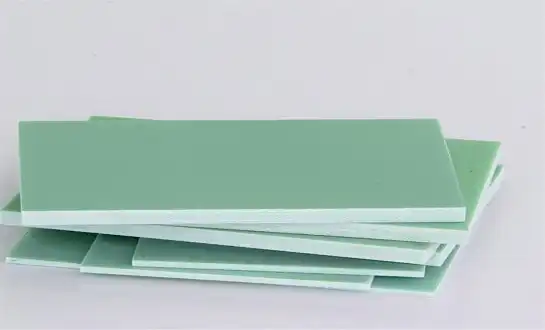
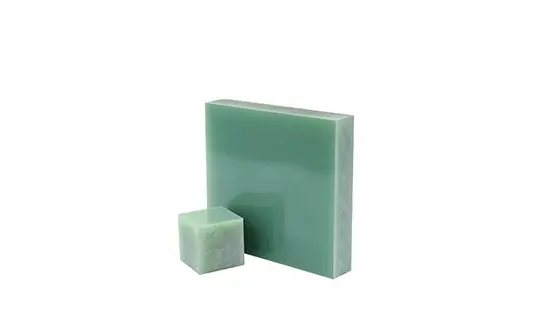
Phenolic sheets are made up of a thermosetting phenolic resin matrix mixed with different support substrates. They are hardened under high heat and pressure to make a material that doesn't change shape. The plastic system is stable at temperatures up to 150°C when used continuously. It is also very hard and keeps its shape even when temperatures change. Because of these qualities, phenolic laminates are needed for many things, like electrical protection in switches, mechanical spacers in industrial machinery, and structural parts in equipment for power distribution.
Material Composition and Grades
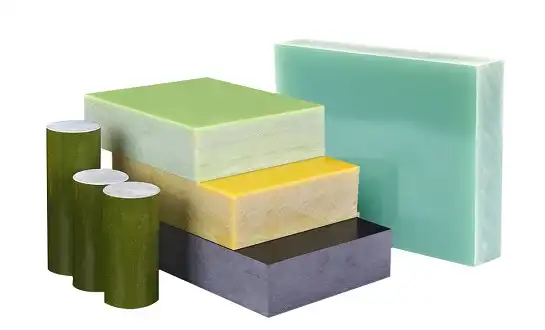
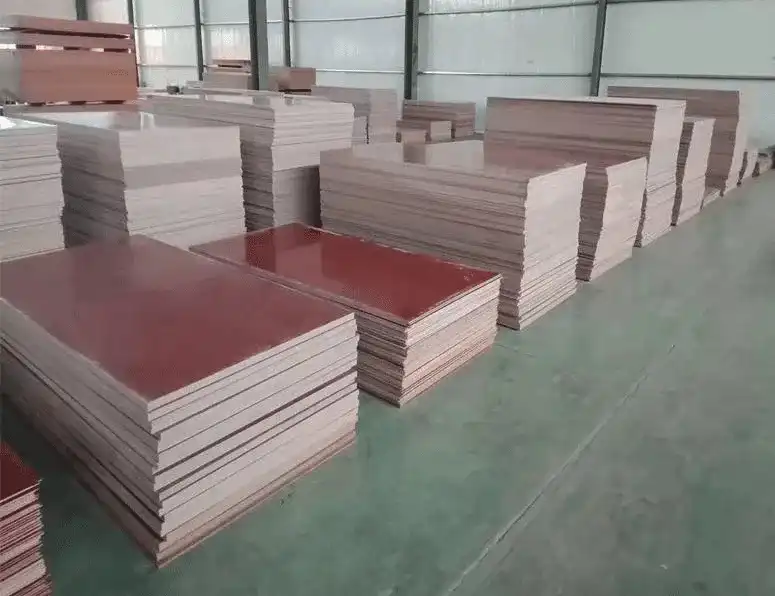
Different types of strengthening materials have different levels of function. Phenolic paper sheets are made by impregnating kraft paper and meeting NEMA types X, XX, and XXX standards. They provide cheap electrical protection for places that are dry or oily. Phenolic cotton cloth laminates are made up of woven cotton fabrics that give them extra strength and resistance to pressure. They are good for gears, washers, and electrical parts that are part of structures. The medium-to-coarse canvas weave used in CE phenolic sheet puts toughness and vibration damping ahead of a smooth surface finish. This makes it perfect for metal replacement uses where the self-lubricating qualities keep the sheet from wearing down.
Common Machining Obstacles
Even with these benefits, cutting phenolic materials has its own problems that need to be carefully thought through. Because the material is naturally fragile, edge chipping and micro-cracking can happen when feed rates are too slow or tools are too hard. Cutting creates a lot of dust, so it's important to use good collection methods and follow the safety rules spelled out in the material's Safety Data Sheets. To keep margins within ±0.005 inches and get smooth surface finishes, you need to know how the amount of resin, the direction of the reinforcements, and the degree of curing affect how the material cuts. When procurement and production teams know about these traits of materials, they can choose the right grades and work with suppliers to cut down on scrap and improve operating efficiency.
Top Phenolic Sheet Machining Methods and Their Applications
Choose the best phenolic sheet cutting method based on the shape of the part, the number of copies needed, the required tolerances, and the quality of the edges you want. There are a number of successful ways to work with phenolic laminates, depending on the needs of the application.
Mechanical Sawing and Milling
Using carbide-tipped blades in regular sawing operations is an inexpensive way to do rough cutting for breaking up big sheets and separating them along straight lines. Band saws with 6 to 10 teeth per inch can cut cleanly through up to 2 inches of material, and circular saws are better for making a lot of things at once. End mills with carbide or diamond coating are used in milling to make complicated curves, pockets, and shaped surfaces. For correct technique, keep the cutting edges sharp, use modest spindle speeds (3,000 to 8,000 RPM, based on the cutter width), and use steady feed rates to keep the material from breaking due to too much heat.
CNC Machining Precision
CNC tools for routing and milling have better accuracy, repeatability, and programming freedom, which makes them perfect for making things with complicated shapes and in medium to large quantities. Computer-controlled toolpaths make sure that the cutting settings are the same for all parts, which allows for positional errors of less than 0.002 inches. Multi-axis CNC machines can do operations like cutting, contouring, and pocketing all at once, which cuts down on handling time and makes the accuracy of the dimensions better. This method works especially well for companies that make car parts and need precise insulation pads and battery pack barriers. It also works well for companies that make electronics and make custom PCB support structures.
Drilling Operations
To keep the bore surfaces clean and stop delamination, you need to use special drilling methods to make mounting holes, through-holes, and fastener gaps. For general-purpose drilling, 118-degree point-angle carbide twist drills work well, while brad-point or spur-point bits keep entrance burrs from forming. Putting backing materials under the item stops it from tearing on the exit side. Drilling speeds should be between 1,500 and 4,000 RPM, and feed pressure should be modest. This will let chips fall off easily and keep the glue from getting too soft from too much friction heat.
Grinding and Surface Finishing
Grinding processes improve the quality of the surface and get the exact thicknesses needed for electrical clearance uses. Surface mills with aluminum oxide or silicon carbide wheels slowly remove material, leaving behind clean surfaces that are rated at 32 Ra microinch. Belt sanders and circular finishing tools are used to finish edges and curved surfaces a second time. Effective dust extraction during grinding protects the health of the user and keeps the work area visible, which is important because phenolic materials produce a lot of particles.
Alternative Cutting Technologies
Laser cutting systems can remove material without touching it, which is good for detailed designs and thin-gauge sheets. However, heat-affected zones can change the edge properties and need extra finishing. Waterjet cutting completely gets rid of thermal effects, leaving clean lines that don't damage the plastic, which is good for heat-sensitive parts. Both of these ways usually cost more per part than mechanical cutting, but they are better for testing, small-scale custom work, and shapes that can't be cut with regular tools.
Advantages of Machining Phenolic Sheets In-House vs Outsourcing
Decisions about the phenolic sheet production plan have a big effect on costs, lead times, and the ability to control quality. To compare internal cutting to outsourcing, you need to look at a number of practical factors.
In-House Machining Benefits
By having direct control over cutting parameters, tool selection, and checking processes, setting up internal machining capacity leads to better quality control. During the prototyping process, engineering teams can quickly make changes to designs without having to wait for outside contact or meet a minimum order quantity. Just-in-time manufacturing methods work better with faster turnaround times, which also lower the cost of keeping supplies on hand. Inside the company, secret methods and design details are kept secret. This keeps competitive benefits in specific uses safe.
Outsourcing Advantages
When you work with specialized machine providers, you don't have to spend as much on equipment, tools, and building infrastructure. This is especially helpful for companies that focus on system integration and assembly. Costs per unit are often lower for large production runs thanks to economies of scale and specialized production lines. Experienced machine shops know the best ways to cut, fix problems, and move materials, which may be more than what an in-house team can do during the early stages of production.
Comparing Phenolic Sheets with Other Materials in Machining
The choice of phenolic sheet material has a direct effect on how well the part is machined, how much the tools cost, and how well the end part works. Phenolic laminates are different from other thermosetting composites because of the way they are made and the qualities they have.
Performance Relative to Epoxy Composites
Epoxy glass laminates, such as FR4, are better at resisting dielectric breakdown and moisture than phenolic paper types. This is why they are chosen for high-frequency PCB uses and harsh weather conditions. But phenolic materials are easier to work with and wear down tools less quickly. They also make less dust when they are cut and cost a lot less per square foot. You can use phenolic paper sheets when you need electrical insulation in dry or oily places below 250 volts and without being exposed to extreme moisture. They work very well and are reasonably priced, and they solve the problem of "engineered overkill" where FR4 specifications go beyond what is needed.
Advantages Over Polyester and Melamine
When it comes to chemicals, phenolic resin systems are better than polyester composites at withstanding oils, weak acids, and aliphatic solvents. Dimensional stability over changing temperatures is better than with melamine formulations, keeping tight limits in situations where temperatures change. Phenolic cotton cloth laminates are stronger against impact than melamine-paper composites, which lowers the risk of catastrophic failure in electrical structure uses.
Mechanical Properties Against Metal Alternatives
With CE phenolic sheet, you can replace metal in gears, bearings, and wear parts in a very specific way. The self-lubricating surface cuts down on friction and gets rid of metal-on-metal galling, which is what makes normal designs wear out faster. Noise in gear trains and mechanical systems is kept to a minimum by their excellent vibration damping qualities. When you machine phenolic materials, you get a lot less tool wear than when you machine aluminum or steel. This means that you can save money on consumables and setup time while still getting the same level of accuracy in many situations.
Best Practices for Procurement and Quality Assurance of Phenolic Sheets
To strategically source phenolic sheet laminates, you need to make sure of important quality factors and build relationships with dependable providers who know what your application needs.
Essential Quality Verification
Density limits (usually 1.35–1.45 g/cm³ for paper grades and 1.30–1.38 g/cm³ for cotton grades), resin content percentages, and compliance with appropriate NEMA or IEC standards should all be spelled out in the procurement specs. Standardized tests should be used to show a material's dielectric strength, flexural strength, and heat resistance on its approval. In electrical clearance uses, thickness tolerances are very important. Commercial grades usually hold ±10%, while precise grades reach ±0.005 inches. When evaluating a provider for the first time, asking for material test results and inspection certificates helps make sure that all production lots are the same.
Supplier Partnership Criteria
Suppliers with a good reputation have quality management systems that are approved, offer expert advice on choosing materials, and give samples for testing applications before placing large orders. When standards go beyond what is needed for functionality, suppliers with a wide range of materials can suggest different grades. This saves money without sacrificing performance. Logistics skills, such as standard packaging, reliable wait times, and the ability to change orders, have a direct effect on planning production and managing supplies.
Volume Economics and MOQ Considerations
Most of the time, buying in bulk lowers the cost per unit through volume savings and combining shipping, but it needs to be carefully thought out in terms of storage space, capital allocation, and usage rates. Minimum order amounts depend on the seller and the grade of the material. The best way to use working capital is to balance the number of orders with the cost of carrying them. Setting up blanket buy deals with scheduled releases keeps prices stable while still letting you change your inventory as needed.
Safety and Handling Protocols
According to OSHA rules, phenolic machining dust has particles that can be breathed in and needs the right air systems and personal safety equipment. The way you handle materials should keep the edges from getting damaged and keep them from getting wet, which can damage their electrical properties. Specific information on dust exposure limits, fire risks, and disposal requirements can be found in Safety Data Sheets. Following these rules saves workers' health and meets legal requirements.
Conclusion
To successfully machine phenolic sheet materials, you need to match the right material grades to the needs of the application, choose the right cutting methods for the shape and number needs, and work with providers who know what they're doing and provide consistent quality. Different types of phenolic paper, cotton cloth, and CE canvas all have their own benefits when used for electrical protection, mechanical parts, and wear-resistant tasks. Procurement teams can save money on tools, keep tolerances tight, and make production more efficient by understanding the balance between the qualities of the material and the methods used to handle it. To ensure long-term success in manufacturing, strategic buying choices should be based on volume economics, quality control goals, and practical capabilities. This is true whether you're looking to build your own capabilities or work with outside companies.
FAQ
What phenolic sheet grade works best for CNC machining applications?
Phenolic sheet paper sheets in NEMA XX or XXX grades are great for making electrical insulation parts that need to be machined with tight tolerances and smooth surfaces. CE phenolic sheet is good for mechanical parts that need to be resistant to pressure and lubricate themselves. Which grade to use relies on whether the product needs electrical insulation or mechanical strength.
How does phenolic material compare to FR4 epoxy for machining efficiency?
When cutting, phenolic laminates wear down cutting tools less and are easier to make than FR4 glass-epoxy composites. FR4 is better at resisting moisture and having dielectric properties for high-frequency electronics, but phenolic materials work just as well and are less expensive for dry electrical uses and mechanical parts where FR4 specs aren't enough to meet the needs.
What safety precautions are necessary when machining phenolic composites?
Exposure to phenolic machining particulates can be avoided with good dust collection equipment and breathing protection. Using sharp tools and the right cutting settings will keep dust to a minimum. Material Safety Data Sheets list specific exposure limits and handling instructions that must be included in safety rules for the workplace.
Partner with J&Q for Premium Phenolic Sheet Solutions
J&Q sells precisely designed phenolic sheet materials and has been in business for over 20 years, making things and trading with other countries for ten years. We offer a wide range of products, such as phenolic paper sheets, cotton cloth laminates, and CE canvas types that meet NEMA and IEC standards for tough electrical and mechanical uses. You can be sure of consistent quality control, competitive pricing, and quick wait times that work with your production plans when you can do direct manufacturing. Our integrated logistics operations make it easy to coordinate deliveries from the plant to your building, which gets rid of the complexity of the supply chain. J&Q's engineering teams can help you choose the right material, set the right settings for cutting, and make the best use of your parts so they work better. As a reliable phenolic sheet manufacturer dedicated to your success, please email our experts at info@jhd-material.com to talk about your unique needs, request samples of our products, or get bulk prices.
References
National Electrical Manufacturers Association. "Industrial Laminating Thermosetting Products: NEMA Standards Publication LI 1-2020." NEMA, 2020.
Harper, Charles A. "Handbook of Plastics, Elastomers, and Composites, Fifth Edition." McGraw-Hill Professional, 2015.
Goodman, S.H. "Handbook of Thermoset Plastics, Third Edition." William Andrew Publishing, 2014.
Richardson, Terry. "Composites: A Design Guide." Industrial Press Inc., 2017.
Mallick, P.K. "Thermosets and Composites: Material Selection, Applications, Manufacturing and Cost Analysis." Marcel Dekker Inc., 2002.
Society of Manufacturing Engineers. "Machining Data Handbook: Volume 2 - Non-Metallic Materials." SME Technical Publications, 2018.

Get a complete product list and quotation

J&Q New Composite Materials Company