Arc Chutes and Flash Barriers: Using Phenolic Paper Sheets Safely
Arc chutes and flash barriers keep people and equipment safe from dangerous electrical sparks when problems happen in switchgear or power distribution systems. Because it is good at insulating, resisting flames, and being stable mechanically, phenolic paper sheet has become a trusted material for these important safety parts. Using phenolic resin to soak kraft paper and then hot pressing it under controlled conditions to make this laminated composite creates a hard shield that can handle high temperatures and electrical stress while keeping its structure intact during fault conditions.
Understanding Phenolic Paper Sheets in Arc Chutes and Flash Barriers
What Makes Phenolic Paper Sheets Unique?
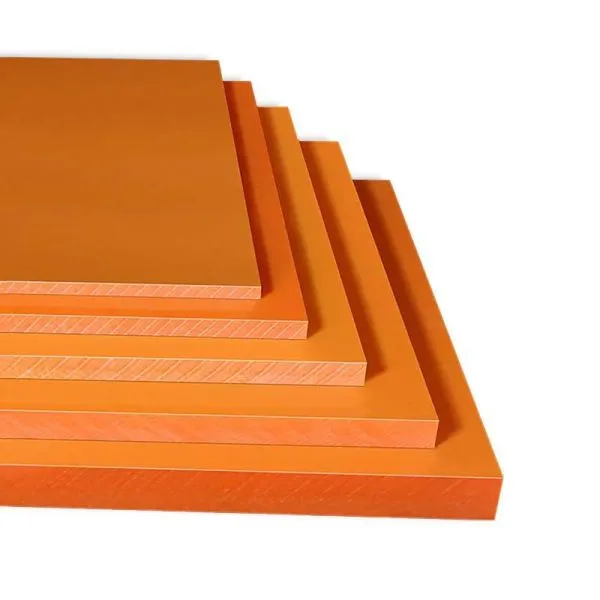
Electrical shielding is one of the main uses for phenolic paper sheets, which are a type of industrial laminate. The insulation is made by continuously stacking kraft paper that has been soaked with phenolic resin. This is done by baking at high temperatures and then compressing the paper. This makes a thick, uniform material that is good at keeping out electricity while also being easy to work with. Standards like IEC 60893-3-4 type PFCP201 and NEMA grades X, XX, and XXX spell out the performance traits that buying teams use to choose materials for arc chutes and flash barriers in medium-voltage switchgear.
Core Properties for Electrical Safety Applications
The information covers a number of important issues that come up in power sharing settings. Its dielectric strength stays the same even when the temperature changes, so it doesn't break down when it comes in contact with water or other contaminants. While bare cellulose insulators break down quickly, the resin-impregnated structure doesn't break down in the surroundings and keeps its shape. The brown or black color means that the glue is fully saturated, which is directly related to how well the soundproofing works. The self-extinguishing properties of the material make arc shields useful. When exposed to electrical arcs, the surface may char but does not support combustion, keeping the fault within specified areas.
Manufacturing Flexibility and Customization
We've seen that customizing the width is a key part of meeting program needs. Different voltage classes and types of mechanical loads can be handled by phenolic paper sheets that are 3 mm to 100 mm thick. Thinner gauges work best in low-voltage situations where room is limited, while thicker boards help support the structure of high-voltage switchgear units. Standard carbide tools can be used to easily cut the material, which lets fabricators make complicated shapes for arc chute plates, insulating barriers, and component mounting panels without having to use special tools. This ability to be machined cuts down on lead times compared to ceramic options while keeping the necessary size limits for electrical clearances.
Environmental Considerations in Modern Procurement
Environmental duty is becoming more and more important in choosing materials. Phenolic resin science has changed over time to lower formaldehyde pollution during production, which improves safety at work and meets government standards. When providers keep their chain-of-custody certifications up to date, the paper base comes from green forestry sources. Phenolic paper sheets are thermosetting materials that can't be reshaped. However, waste from factories can be ground up and used as filling material in less important tasks. When looking at long-term sustainability, procurement teams should make sure that suppliers follow environmental management systems that keep track of measures for energy economy and waste reduction throughout the production cycle.
Why Use Phenolic Paper Sheets for Arc Chutes and Flash Barriers?
Comparative Performance Against Alternative Materials
When creating spark interruption systems, electrical engineers have a lot of material options. Phenolic paper sheets have some clear benefits. Compared to fiberglass-reinforced epoxy laminates, phenolic paper sheet offers similar protection at a much lower cost—often 30–40% less for the same thickness. The less hard the material is, the less tool wear there is during cutting, which is important when making a lot of arc chute parts. While melamine laminates are better at resisting arcs, they are not strong enough for structural uses. Rigid plastic sheets may be resistant to chemicals, but they break down horribly when exposed to heat. Phenolic paper sheets, on the other hand, stay strong long enough for safety devices to work.
Cost-Efficiency Without Performance Compromise
Procurement managers who are tight on money like that phenolic paper sheets provide important safety features without the high cost of modern materials. The material has been used for decades to make generator parts and motor insulation, showing that it is reliable. When the voltage is less than 600 volts and the surroundings is dry or oily, using more expensive materials like FR4 epoxy glass is unnecessary. This cost-effectiveness goes all the way through the supply chain. Less complicated machining needs lower the cost of production, and easy access to supplies around the world lowers the cost of keeping inventory and the risk of source problems. Because they are both effective and inexpensive, phenolic paper sheets are the first choice for original equipment makers who want to keep bill-of-material costs as low as possible.
Specific Scenarios Favoring Phenolic Solutions
Phenolic paper sheet has properties that make it useful for certain tasks. In molded-case circuit breakers, arc chute systems need materials that can absorb arc energy while keeping the structure separate between stages. The material can survive short-term arc contact without melting or making conductive carbon paths, which keeps equipment further downstream safe. In motor control centers, phenolic paper sheets separate neighboring areas physically and electrically, keeping problems inside while techs work on parts that are not powered up. Manufacturers of transformers use phenolic paper sheets for coil structures that are buried in mineral oil. The chemical safety of the material keeps it from breaking down over 20 to 30 years of service. The material's natural features work perfectly with these specific needs.
Best Practices for Safe Use of Phenolic Paper Sheets in Electrical Applications
Installation Guidelines for Maximum Safety
The right way to handle materials is the first step in a proper installation. To keep them from breaking or getting wet, phenolic paper sheets should be kept flat in climate-controlled spaces. When cutting, use saw blades or cutters with carbide tips that are running at reasonable speeds to keep the edges of the cuts from chipping. To get rid of stress concentrators that could cause cracks when mechanical loads are put on sharp edges, they need to be deburred. When installing arc barriers, make sure to keep the electrical gaps required by equipment standards. Depending on the voltage class, these are usually 12 to 25 mm between phases. Using large-diameter washers, fasteners should spread binding pressure equally so that the laminate structure doesn't get crushed in one place.
Maintenance Protocols That Extend Service Life
Protocols for routine inspections find problems before they become dangerous. Surface tracking, which looks like dark lines between conductors, is caused by contamination building up and making conductive tracks. Cleaning with isopropyl alcohol gets rid of leftovers that aren't conductive, but tracking routes need new parts. Vibrations can loosen bolts over time, so mechanical integrity checks make sure that fixing hardware stays in place. In places where temperatures change often, check the ends of sheets for delamination where different thermal expansion causes stress. Any charring from being exposed to an arc should be replaced right away because the changed material is no longer a good insulator. Writing down what was found during a check creates a maintenance log that helps efforts to make things more reliable.
Compliance With Safety Certifications
When it comes to safety-critical uses, phenolic paper sheets must meet international standards. UL recognition in different areas confirms grades for flammability, and RoHS compliance makes sure that there are no restricted chemicals on the world market. When making equipment for the North American market, companies use NEMA standards, while companies making equipment for the European and Asian markets use IEC standards. Material test results that show agreement with relevant standards should be checked by procurement teams. These standards include ASTM D149 for dielectric strength testing, ASTM D790 for flexural strength testing, and UL94 for flammability classification. Third-party certification makes sure that lots of materials always meet the requirements. This makes qualification testing easier for equipment makers who are working on tight deadlines.
Real-World Performance Validation
A company that makes power distribution tools had arc shields made of thermoplastic materials fail over and over again. When there was a fault, the shields melted, letting phase-to-phase flashovers happen, which made the damage worse. These problems went away when phenolic paper sheets were used. The charring behavior of the material kept arcs within the intended zones, which let overcurrent protection clear faults before they destroyed equipment. In a different case, a company that makes parts for cars made battery release buttons. The repeated switching processes put heat and mechanical stress on phenolic paper sheets, but they were able to keep the electrical clearances throughout the product's ten-year design life. These cases show how the choice of material has a direct effect on the safety margins and stability of a product.
Procurement Guide for Phenolic Paper Sheets in B2B Contexts
Technical Specification Evaluation
Clear needs are the first step to successful buying. Choosing the right thickness depends on the voltage class and the mechanical load. For low-voltage uses, smaller sheets (3-6mm) work best, while 12–25mm walls may be needed for high-voltage switchgear. For normal grades, the thermal rating is usually in Class E (120°C continuous), which is enough for most industry uses. Specifications for dielectric strength should be higher than the working voltage by a safe amount, usually two to three times the maximum voltage. It's important that the flexural strength perpendicular to the laminates can support the mounting loads without deformation that would block electrical openings. Specifications for density (1.30–1.40 g/cm³) show the right amount of resin, which is directly related to how well the insulation works. By asking for certified material test results, you can be sure that the goods you buy from suppliers meet these important standards.
Supplier Assessment and Quality Assurance
When looking for trusted providers, you need to look at more than just unit price. Experience in manufacturing shows that a process is mature; suppliers who have been making things for decades keep quality control stricter than newcomers. Certifications for quality management systems, such as ISO 9001, offer an organized way to make sure that standards are always met. Ask where the raw materials come from because the quality of the paper and the way the glue is made directly affect how well the phenolic paper sheet works. When a pressing need arises, suppliers who keep goods in regional warehouses can serve faster than those who only ship from faraway manufacturing locations. References from current customers in related industries can tell you a lot about how responsive a seller is, how well they can help with technology issues, and how they handle problems when they happen.
Understanding Pricing and Lead Times
Prices are different depending on the size, thickness, and number of sheets ordered. Standard sizes (1030x2070mm, 1220x2200mm) usually cost less than unique sizes that need special pressing techniques. With volume agreements, tiered pricing is unlocked, which lowers unit costs by 15–25% for yearly contracts compared to spot purchases. Lead times depend on whether the material is in stock or made to order. Items that are in stock ship within days, but custom sizes may take 3–6 weeks to schedule and make. International shipping takes longer to get to, but experienced providers can plan processes to keep delays to a minimum. When you get quotes from several providers, you can compare prices and find out which ones offer extra services like custom machining, quality paperwork, or technical advice.
Supply Chain Reliability for Industrial Clients
Large-scale processes need to know when materials will be available. Suppliers who keep safety stock protect against production problems and make sure that business keeps going when demand suddenly rises. Dual-source methods lower the risks that come with problems with one provider, but testing is needed to make sure that the alternative sources are materially equivalent. Long-term supply deals keep prices stable and make sure that supplies are distributed evenly when the industry as a whole is short on capacity. International buying is easier when suppliers offer integrated services, which includes arranging ocean freight, customs clearance, and final delivery. When producers use lean inventory systems, where material shortages have a direct effect on output plans and customer promises, these supply chain issues become even more important.
Conclusion
Phenolic paper sheets have been shown to improve safety in arc chutes and flash barriers by offering a unique mix of flame protection, electrical insulation, and mechanical strength. Because they are less expensive than other materials and are easy to machine and install, they are the practical choice for companies that make electrical tools and companies that run power systems. For execution to go well, the right materials must be chosen, best practices must be followed during installation, and ongoing upkeep must be done to keep the insulation's properties throughout its service life. When purchasing teams understand technical specs and build relationships with qualified sellers, they can find reliable sources of materials that meet both short-term output needs and long-term quality goals.
FAQ
What advantages do phenolic paper sheets offer for electrical flash barriers?
Phenolic paper sheets have a high insulating strength that keeps electricity from breaking down when there is a fault. The material's ability to put out fires on its own limits the arc energy to certain areas, keeping nearby equipment and people safe. Instead of melting when heated, thermoplastic options melt, but phenolic paper sheets create a solid char layer that keeps the conductors physically separate. This trait gives safety devices enough time to stop fault currents before they do a lot of damage to equipment. The substance also doesn't allow tracking, which is when conductive lines are formed across insulating surfaces. This makes it less reliable over time in dirty settings.
How do phenolic sheets compare to fiberglass in terms of durability and cost?
Phenolic paper sheets are often 30–40% less expensive than fiberglass-reinforced epoxy laminates of the same thickness, which makes them a good choice for uses that need to save money. Fiberglass is stronger mechanically and can withstand higher temperatures, but phenolic paper sheet works well enough for most low- to medium-voltage uses. Because phenolic paper sheets are made of softer materials, they wear down tools less quickly during cutting, which lowers the cost of making them. Durability is good enough for most work settings; many transformer and motor uses show steady performance over 20 to 30 years. The cost edge is especially important when making a lot of products, because the cost of materials has a direct effect on how competitive the products are.
What is the typical process for requesting samples and understanding lead times?
Get in touch with providers directly and give them details like the thickness, size, and number you need. Most companies offer free small samples to people who qualify, and filled items can be shipped within a few business days. When you ask for quotes, be sure to include the delivery address so that you get exact estimates of freight costs and wait times. Stock items ship as soon as the order is confirmed, but special sizes need to be scheduled for production, which adds to the wait time and can take up to a few weeks. Before agreeing to full production orders, getting in touch with the expert teams of suppliers can help clear up questions about specifications and make sure that the material's properties match the needs of the application.
Partner With J&Q for Reliable Phenolic Paper Sheet Supply
J&Q has been making insulation products for more than twenty years and has been dealing internationally for more than ten years. Because we know a lot about how phenolic paper sheets are used in electrical equipment, industrial machinery, and power distribution, we can give you expert advice that helps you find the right materials for your needs. We keep strategic relationships with trading companies in both the United States and other countries. This keeps our supply lines stable and our prices low. Our combined logistics services make it easy for customers around the world to buy things because they only need to go to one place for service from production to final delivery. Our expert team is ready to help you with your project, whether you need standard sheet stock or special cutting for flash barriers and arc chute parts. Email us at info@jhd-material.com to talk about the needs of your application, ask for examples of the material, or get specific quotes. As a well-known company that makes phenolic paper sheets, we'd love the chance to show you how our high-quality goods and quick service can help you reach your goals for machine safety and dependability.
References
National Electrical Manufacturers Association (NEMA). Industrial Laminating Thermosetting Products: Standards Publication LI 1-2018. Rosslyn, VA: NEMA, 2018.
International Electrotechnical Commission. Insulating Materials – Industrial Rigid Laminated Sheets Based on Thermosetting Resins for Electrical Purposes – Part 3-4: Specifications for Individual Materials. IEC 60893-3-4:2010.
Harper, Charles A. Handbook of Plastics Technologies: The Complete Guide to Properties and Performance. 4th ed. New York: McGraw-Hill Education, 2006.
IEEE Standards Association. IEEE Guide for Diagnostic Field Testing of Electric Power Apparatus – Part 1: Oil Filled Power Transformers, Regulators, and Reactors. IEEE Std C57.152-2013.
Underwriters Laboratories. Polymeric Materials – Industrial Laminates, Filament Wound Tubing, Vulcanized Fiber, and Materials Used in Printed-Wiring Boards. UL 746E Standard, 2019.
Tanaka, Toshikatsu and Alireza Greenwood. Advanced Power Cable Technology: Present and Future. Boca Raton: CRC Press, 2014.

Get a complete product list and quotation
J&Q New Composite Materials Company