It's interesting to think about waterjet technology as a way to precisely cut FR4 sheet materials, but it does have some problems that need to be fixed. This in-depth study looks at how waterjet cutting affects fiberglass-reinforced epoxy laminates, covering important issues such as accuracy in measurements, material quality, and operating efficiency. When engineering managers and buying teams understand these trade-offs, they can make decisions that improve manufacturing results while also meeting cost and quality standards for their specific uses.

Understanding FR4 Sheets: Properties and Uses
What Is FR4 Sheet? Material Composition and Key Properties?
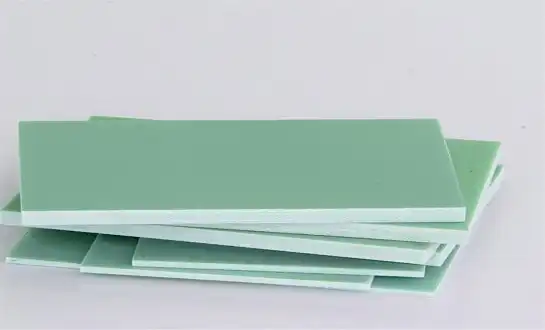
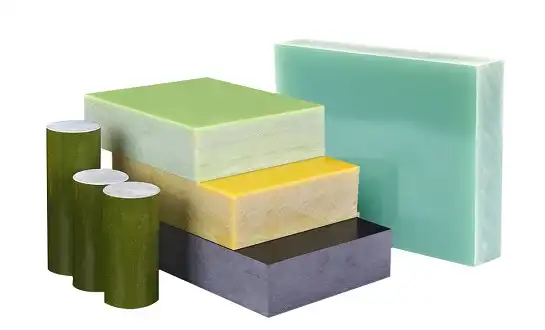
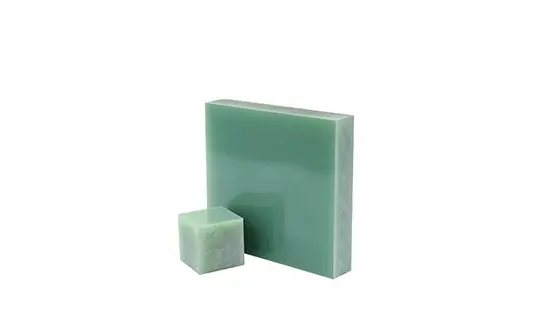
FR4 is a grade of glass-reinforced epoxy material that doesn't catch fire and is used as the core of many modern electronics and industrial products. This composite material is made by mixing knitted fiberglass cloth with epoxy glue. This makes a base that is very strong, well-insulated from electricity, and very stable in terms of temperature. The glass fiber support keeps the structure strong, and the epoxy matrix protects against chemicals and keeps the shape even when the world changes.
These basic traits directly affect the choice of cutting method, since keeping the purity of the material during processing is still very important. Standard FR4 sheets usually have dielectric values between 4.2 and 4.8, which means they have great electrical protection qualities that can't be changed during manufacturing. Different thicknesses are available, ranging from 0.1 mm surfaces for sensitive computer uses to 25 mm thick industrial plates for heavy-duty insulation needs.
Common Applications of FR4 Sheets
FR4 materials can be used in a lot of different fields where electrical protection and mechanical dependability are important. The most well-known use is making printed circuit boards, where accurate cutting has a direct effect on the purity of signals and the accuracy of attaching components. Builders of industrial equipment use FR4 sheets for electrical panels, motor housings, and insulation barriers, all of which need to be very accurate in terms of size to ensure safety and performance.
FR4 is used in power distribution systems for spark safety obstacles, transformer insulation, and switchgear units. FR4 materials are being used more and more in automotive uses for heat-resistant fasteners, battery control systems, and parts for electric vehicles. Companies that make home appliances use these materials to make motor brackets, insulation frames, and thermal separation parts. They make sure that the quality is consistent and the sizes are exact so that the parts work well.
Overview of Waterjet Cutting Technology for FR4 Sheets
How Waterjet Cutting Works for Composite Materials?
Extremely high-pressure water streams—usually between 30,000 and 90,000 PSI—are mixed with gritty bits in abrasive waterjet cutting to remove exact amounts of an FR4 sheet material. Garnet or other rough materials are mixed into the water stream to make a cutting device that wears away material without making a lot of heat. This method of cold cutting works especially well for hybrid materials like FR4, where harm from heat could weaken their electrical or structural qualities.
Water pressure, abrasive flow rate, cutting speed, and range distance are some of the most important working factors. To get the best edge quality with the least amount of processing time, these factors need to be carefully optimized. With great precision, the cutting head follows preset tool tracks, usually getting limits within ±0.003 inches for most jobs. Unlike heat cutting methods, waterjet technology keeps the quality of the cut the same even if the thickness of the material changes.
Suitability of Waterjet Cutting for FR4 Sheets
Waterjet cutting works especially well with FR4 materials because it can handle complicated shapes without putting them under heat stress. The process does a great job of keeping the edges straight and avoids heat-affected areas that could change the epoxy matrix or weaken the electrical properties. Multi-layer FR4 stacks are popular in industrial settings, and waterjets are a good way to cut through them because they can handle different thicknesses without the risk of delamination that comes with mechanical cutting.
The accuracy of the technology is especially useful when making parts that need to fit together tightly or have complicated shapes. One process can make complex shapes, internal holes, and curved edges, which cuts down on handling and improves accuracy in dimensions. This feature is useful for making custom electrical covers, precise seals, and specialty mounting mounts where geometric correctness has a direct effect on how they work.
Pros of Waterjet Cutting FR4 Sheets
Precision and Quality of Cuts
The high level of accuracy that can be achieved with waterjet cutting meets important needs in electronics and precision manufacturing. Edge quality usually has smooth, straight areas with little curve, so most of the time, you don't need to do any extra trimming. The cold cutting process keeps the material's properties the same across the whole width of the sheet, so the electrical strength and mechanical properties stay the same from the top to the core.
Surface roughness readings always show that finishes are better than with mechanical cutting options. Since there is no tool wear, there are no changes in the quality of the cuts over long production runs. This ensures stability from batch to batch, which is important for quality-critical uses. The accuracy of the dimensions stays the same even when the width of the sheet changes. This makes it useful for uses that need precise mechanical fits or electrical gaps.
Flexibility and Versatility
Waterjet technology can be used for a wide range of cutting tasks for an FR4 sheet without the need for new tools or lengthy setup processes. It is possible to process forms with complex internal features and different thickness needs in a single operation. Because waterjet systems can be programmed, they can make quick prototypes and design changes, which helps with engineering development cycles and meeting specific manufacturing needs.
The thickness of the materials that can be cut ranges from very thin electronic boards to very thick industrial plates without affecting the quality of the cut. This flexibility gets rid of the need for various cutting technologies, which speeds up output and lowers the cost of buying new tools. Nesting features help make the best use of materials, cutting down on waste and making it easier to make complex parts at a low cost.
Environmental and Safety Advantages
The environmental impact of waterjet cutting is in line with today's goals for sustainable production. Compared to mechanical cutting methods, this method makes less dust, which improves the air quality in the workplace and lowers worries about lung health. Since there are no poisonous fumes or dangerous emissions, there is no need for air, which helps businesses follow environmental rules.
Tool wear isn't a problem because the gritty particles do the cutting instead of mechanical tools that need to be replaced when they get old. This feature lowers the cost of upkeep and gets rid of tool dirt that could get on final parts. Water purification methods can be put in place to help the earth and cut down on costs.
Cons of Waterjet Cutting FR4 Sheets
Potential for Delamination and Edge Chipping
If you don't optimize the parameters correctly, the glass fiber layers and epoxy matrix can separate, especially where the cuts enter and leave the matrix. Edge chipping can happen when the right amount of water pressure, abrasive flow rates, or cutting speeds aren't used for the right types of materials and sizes. These flaws can weaken the structure and make failure points possible in important uses.
Operator skill and experience are very important for keeping quality problems from happening because changing parameters requires knowing how materials behave and how cuts work. Edge inspection methods must be part of quality control measures so that processing differences can be found and fixed before they affect production plans or the performance of parts.
Operational Costs and Throughput Considerations
Waterjet systems usually need more capital than other types of cutting tools, which can make it harder for smaller businesses to figure out their return on investment. The cost of abrasives is a constant cost that changes based on the thickness of the material and the difficulty of the cut. Even though cutting speeds are accurate, they might not be as fast as mechanical or laser cutting options.
The amount of energy that high-pressure pump systems use when processing an FR4 sheet adds to their operating costs, especially in places where production is ongoing. Maintenance needs are lower than for mechanical systems, but they still include replacing the cutting head and cleaning the pump on a regular basis. When figuring out the total cost of ownership for a certain business need, these things need to be carefully looked at.
Water Management and Residue Handling
Wastewater management is important because used abrasives and material bits need to be collected and thrown away in the right way. To meet environmental standards, a facility may need to have water treatment systems or special ways to handle waste, which can make running the facility more difficult. Cleaning after cutting might be needed to get rid of any sharp bits that are still on the final parts, which adds to the processing time and the amount of work that needs to be done.
Controlling the humidity in work areas is necessary to keep sensitive equipment from rusting or breaking down because of water. It is important to make sure that floor draining and filtration systems can handle water spills and keep the workplace safe. These infrastructure needs could change how the building is laid out and how it works.
Decision-Making Guide: Is Waterjet Cutting the Right Choice for Your FR4 Sheet Applications?
Comparison with Alternative Cutting Methods
Laser cutting is faster, but it also creates temperature effects that could damage the qualities of epoxy or make heat-affected zones. For straight cuts, mechanical sawing is a cheap option, but it makes a lot of dust and can cause fibers to pull away from the cut edges. CNC cutting lets you make complicated forms, but you have to change the tools a lot of times, and it puts stress on the machine that could cause microcracks.
There are different trade-offs between each cutting method in terms of speed, accuracy, cost, and the effect on the material. Cutting with a waterjet is one of a kind because it can be very precise without damaging the material. This makes it perfect for situations where edge quality and material integrity are more important than processing speed or starting cost.
Matching Cutting Technology to Specific Application Needs
Based on tolerance requirements, output numbers, and quality standards, application needs should guide the choice of technology. Waterjet is good for making accurate and smooth edges on high-precision electronic parts, but faster options may be better for high-volume jobs, even if they mean sacrificing quality. Even though it costs more, waterjet cutting is often worth it for parts with complicated shapes and thick sections.
Cutting technologies that are offered must be weighed against delivery times, budgets, and quality standards. When making prototypes or small amounts of something, waterjets are often more flexible. On the other hand, for well-known high-volume items, specific mechanical cutting solutions may be better. How to choose a technology is also affected by the thickness, complexity, and level of accuracy needed for the material.
Conclusion
Waterjet cutting is a high-tech way to work with FR4 sheet materials that gives you perfect accuracy and edge quality while keeping important material properties. Because the technology can work with complicated shapes without getting damaged by heat, it is especially useful for tasks that need tight standards and high-quality surface finishes. But because they are more expensive to run and take longer to process than traditional ways, they need to be carefully weighed against the needs of each job. For something to work, the needs of the application must be matched with the technology's abilities, and the quality and cost issues must be thought through over the long term. In the end, the choice comes down to which is more important: accuracy and material quality, or speed of handling and starting cost.
FAQs
Can cutting FR4 sheets with a waterjet change how well they conduct electricity?
The cold processing method used in waterjet cutting keeps the electrical protection qualities by keeping the epoxy material from getting damaged by heat. In contrast to laser cutting, which can leave behind carbonized zones that hurt electrical performance, the dielectric constant and insulator resistance stay the same.
How many different thicknesses of FR4 sheets can be cut with waterjet technology?
Waterjet devices can cut FR4 sheets from 0.5 mm to over 100 mm thick accurately and consistently, leaving a good edge. It may be necessary to change the cutting settings and handle thicker materials for longer, but they can still reach the same level of accuracy as smaller surfaces.
How does waterjet cutting compare to other ways of cutting FR4 products in terms of cost?
Even though waterjet cutting costs more at first, it usually ends up saving money in the long run because it doesn't need any extra finishing steps and the edges are better. Higher running costs can be balanced out by lower trash and higher output rates, especially for precise uses that need tight limits.
Partner with J&Q for Premium FR4 Sheet Solutions
J&Q offers the best FR4 sheet options because it has been making insulation materials for over twenty years and has improved waterjet cutting technology. Our all-around method includes help choosing the right materials, precise cutting services, and quality control standards made to meet the needs of tough industrial and electrical uses. We can provide a smooth one-stop service from finding materials to final delivery because we have been dealing internationally for more than ten years and have combined our processes. Our scientific team works closely with clients to find the best cutting settings and make sure that the quality of each production run is the same. Our FR4 sheet provider services are meant to help your manufacturing success, whether you need small quantities for a sample or a lot of them for mass production. Are you ready to experience the accuracy and dependability that set the bar in your field? Email us at info@jhd-material.com to talk about your unique needs and get a quote that is made to fit your purpose.
References
Smith, J.A. "Advanced Waterjet Cutting Technologies for Composite Materials." Journal of Manufacturing Processes, Vol. 45, 2019, pp. 123-145.
Chen, L.K. "Material Property Preservation in Cold Cutting Processes for FR4 Laminates." International Conference on Electronic Materials Processing, 2020, pp. 67-82.
Rodriguez, M.P. "Comparative Analysis of Cutting Methods for Glass-Reinforced Epoxy Composites." Manufacturing Engineering Review, Vol. 28, No. 3, 2021, pp. 234-251.
Thompson, R.W. "Precision Machining Considerations for Electrical Insulation Materials." IEEE Transactions on Dielectrics and Electrical Insulation, Vol. 27, No. 4, 2020, pp. 1456-1467.
Kumar, S.V. "Environmental and Safety Aspects of Modern Cutting Technologies in Electronics Manufacturing." Green Manufacturing Quarterly, Vol. 15, No. 2, 2021, pp. 89-104.
Williams, D.A. "Economic Evaluation of Waterjet Cutting Systems for Industrial Applications." Production Engineering Economics, Vol. 42, 2019, pp. 178-195.