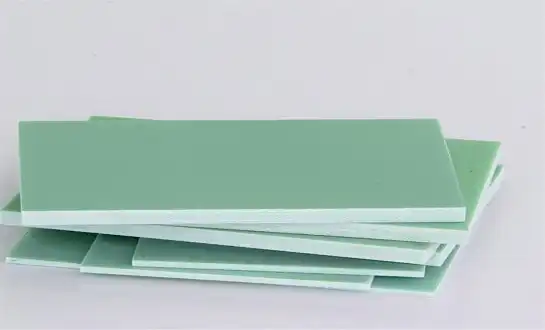
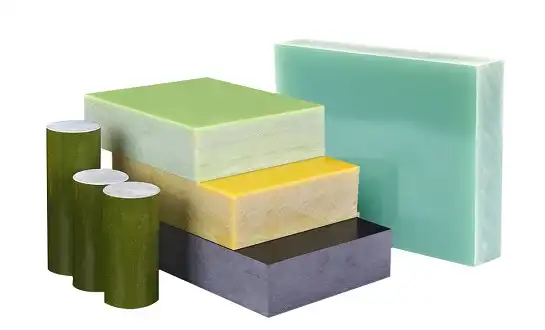
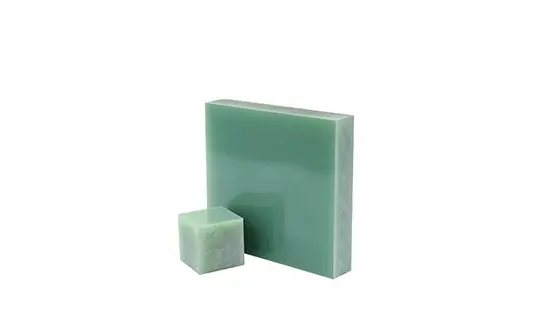
OEM customers depend on FR4 sheets that have been CNC machined for important uses that need great electrical protection and mechanical dependability. Precision machining processes make these composite materials, which are made from woven fiberglass and epoxy glue, very accurate in terms of size. FR4 sheet substrates are used in the manufacturing industry for printed circuit boards, structural parts, and electrical housings. They need to work consistently under thermal stress.
You can't say enough good things about FR4 sheets in OEM manufacturing, especially since electronics are getting smaller and smarter. CNC cutting makes these materials better by making it possible to get tight tolerances, smooth surfaces, and complicated shapes that can't be made by hand. When you combine high-tech materials with precise manufacturing, OEM customers from all kinds of businesses can make new products that meet strict quality standards.
Our detailed guide is designed to meet the needs of buying managers, engineers, distributors, and OEM clients who want to know more about how to buy FR4 and what to think about when using it. Knowing about these materials gives buying teams the power to make smart choices that improve product performance while lowering costs.
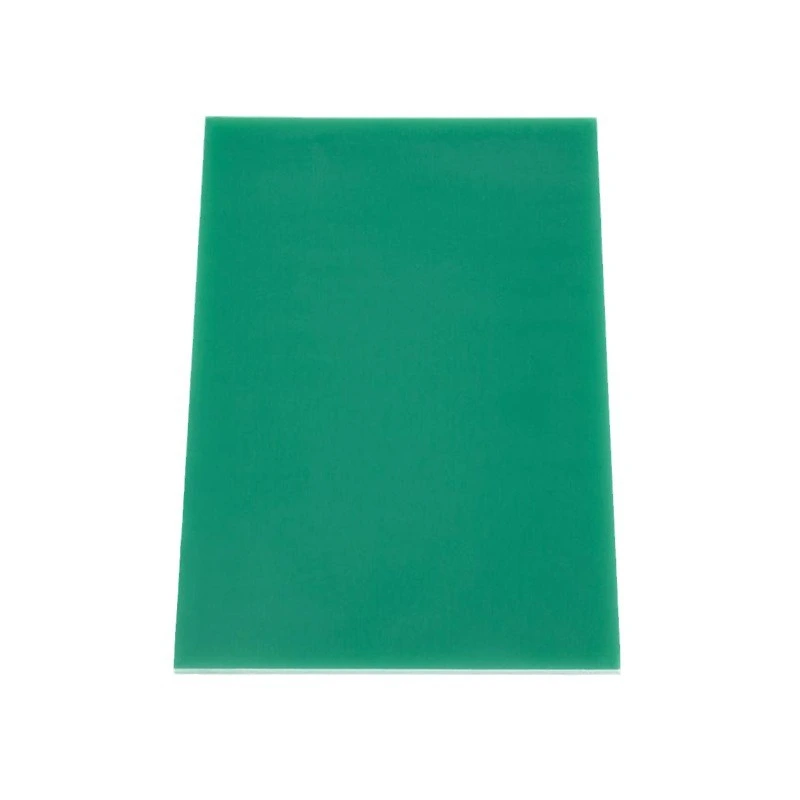
Understanding FR4 Sheets in OEM Applications
FR4 is a composite material that is widely used. It is made from woven fiberglass cloth and epoxy glue, and it has great electrical insulation, mechanical strength, and thermal stability. Because of these qualities, FR4 is a great material for OEM manufacturing, especially in the electronics and industrial fields where dependability under stress is very important.
Core Material Properties and Specifications
Because of its basic structure, FR4 is very useful in a wide range of industrial settings. This glass-reinforced epoxy laminate has a dielectric strength of more than 20 kV/mm, can work continuously at temperatures up to 130°C, and has mechanical properties that make it useful for use in structures. Because of these specs, FR4 is great for electrical parts that need to be insulated and supported mechanically.
Standard thicknesses for an FR4 sheet range from 0.2 mm to 25 mm, so they can be used to meet a wide range of design needs while keeping the same material qualities. OEMs can specify exact dimensions with custom sizing, which cuts down on waste and improves production efficiency. Flame-retardant qualities of the material meet UL94 V-0 standards, making sure safety rules are followed in many fields.
CNC Machining Benefits for FR4 Processing
CNC machining uses computers to control the cutting, drilling, and shaping of raw FR4 pieces to make precise parts. Compared to traditional ways of making things, this technology provides better accuracy in measurements (within ±0.05mm), very smooth surfaces (approaching Ra 0.8μm), and a lot less wasteful material use.
The machining process makes it possible to make complicated geometries, such as cutouts, holes, and custom contours that support new design ideas. These skills are very important for making sure that OEM parts are of high quality and reliable, because consistent dimensions have a direct effect on how well they fit together and how well the finished product works.
Key Uses of CNC Machined FR4 Sheets in OEM Manufacturing
CNC-machined FR4 sheets are used in many OEM businesses for important tasks, from making electronic substrates to making mechanical parts. When buying teams know about these different uses, they can find ways to standardize materials and cut costs.
Printed Circuit Board Substrates and Electronic Applications
Manufacturers of electronics mostly use FR4 as a base for printed circuit boards. Its electrical insulation and mechanical strength make the products very reliable. It is perfect for high-frequency uses and power electronics because it has a low dielectric constant and stable electrical qualities across a wide range of temperatures. Standardizing circuit board thickness around common FR4 dimensions makes production easier and makes inventory less complicated.
CNC machined parts made from FR4 sheet are used for more than just PCBs. They are also used in electrical housings, terminal blocks, and insulation barriers within switchgear systems. The arc resistance and flame retardant properties of the material are used in these uses to make sure safe operation under electrical stress.
Structural and Mechanical Component Applications
FR4 is being used more and more in structural uses that need both mechanical strength and electrical isolation in the aerospace, automotive, and instrumentation industries. The material is good for mounting brackets, spacers, and sound dampening parts because it has a good strength-to-weight ratio and doesn't change size when the temperature changes.
Rapid prototyping and small-batch production are made possible by CNC machining. This lets OEMs make changes to designs quickly and make parts fit specific uses. These features help new ways of making things work in situations where regular materials can't meet both mechanical and electrical needs.
Comparing FR4 Sheets with Alternative Materials for OEM Use
When choosing materials for OEM uses, it's important to think about how well they work, how much they cost, and how well they work with other materials. FR4 is competing with a number of other materials, each of which has its own benefits for certain uses.
Performance Comparison with Alternative Materials
When you compare FR4 to other options like phenolic sheets, pure epoxy boards, and composite laminates, you can see that they all work differently. FR4 stands out because it has better electrical insulation qualities than phenolic alternatives. Its dielectric strength is usually 20–30% higher. Thermal stability goes beyond a lot of other materials because it keeps its mechanical qualities at high temperatures while others break down.
The material is easier to cut with a CNC machine than many other options, making cleaner cuts with less delamination and better stability in terms of size during processing. Because of these machining characteristics, production prices go down and the quality of the parts goes up.
Certification and Compliance Considerations
Material certifications are very important to OEMs when they decide what to buy, especially for uses that need to follow rules. FR4 sheets that meet UL recognition standards guarantee consistent quality and performance, and RoHS compliance makes sure that electronic goods are compatible with environmental rules that affect them.
You can't say enough about how important it is to choose certified FR4 providers. These certifications make sure that you can track down materials and check their performance throughout the lifecycle of the product. Suppliers who keep a lot of paperwork to support compliance requirements across many foreign markets are good for procurement teams.
How to Procure CNC Machined FR4 Sheets for OEM Projects?
To make good purchasing plans for CNC-machined FR4 sheets, you need to plan in detail about things like order quantities, technical requirements, and partnerships with suppliers. Strategic methods to sourcing can have a big effect on both how much things cost and how reliable the supply chain is.
Volume Planning and Cost Optimization
Negotiating the minimum order quantity and buying in bulk are two methods that can help you save a lot of money when buying FR4. Suppliers can offer better prices and make sure materials are available on time for production plans when customers make volume commitments. When compared to spot purchases, annual contracts with volume bonuses can save you 15 to 25 percent on costs.
Customizable sizes and cutting requirements that are easy to change help new products come out while keeping costs low. Using the same ranges of thickness and size for multiple jobs simplifies inventory and takes advantage of the benefits of buying in bulk.
International Sourcing and Logistics Considerations
When planning how to buy FR4, global OEM buyers need to think about shipping processes, lead times, and total landed costs. When you need something quickly, air freight choices are available, while sea freight is cheaper for planned inventory builds. Understanding these trade-offs is important for planning the best supply chain.
Quality assurance is maintained throughout the buying process by giving users access to detailed technical documentation and dependable customer service. Suppliers who offer detailed material certificates, data on their ability to machine parts, and quick expert support lower production risks and help with design validation.
J&Q: Your Trusted FR4 Sheet Supplier and Manufacturing Partner
J&Q is one of the best places to get high-quality FR4 sheets and precise CNC cutting services that are made to meet the needs of OEMs. With more than 20 years of experience making insulating sheets and more than 10 years of experience trading internationally, we are in a unique situation to provide OEM customers around the world with the best service and technical support.
Comprehensive Product Range and Manufacturing Capabilities
Our wide range of products includes standard and special CNC machined FR4 sheets that are made to fit a wide range of OEM requirements. Precision cutting, drilling, routing, and surface finishing are some of the manufacturing processes that can be used to make parts that meet tight limits and surface quality standards. Quality certifications like UL and RoHS make sure that products are always of high quality and follow all regulations in all foreign markets.
Our manufacturing skills are complemented by technical consulting services that help OEM customers choose the right materials, make designs that work better, and build new manufacturing processes. This way of working together makes sure that the specs for each part match the needs of the application while also getting the best price and performance.
Integrated Logistics and Customer Support
Our integrated logistics, which includes our own shipping company, allow us to provide full one-stop service from the first request to the final delivery. This vertical integration gives companies more control over shipping costs, delivery times, and the right way to package their goods. It also makes sure that the quality of the products stays high throughout the supply chain.
We can better serve our global OEM customers because we have long-term ties with trading companies in both the United States and other countries. These partnerships help our customers make foreign purchases easier by giving them access to local market information, regulatory knowledge, and streamlined logistics.
Conclusion
CNC-machined FR4 sheets are important parts for OEM makers who need reliable electrical insulation, high mechanical strength, and accurate fabrication. Knowing the properties of an object, what it needs to be used for, and how to get it helps you make decisions that are best for both performance and cost. Advanced composite materials and precise machining technologies keep pushing the electronics, automotive, aircraft, and industrial equipment industries to come up with new ideas. Strategic relationships with suppliers that focus on quality, service, and technical support are essential for OEM manufacturing programs that need materials to perform consistently and the supply chain to run smoothly.
FAQs
What kinds of thicknesses are there for FR4 sheets that have been CNC machined?
Standard FR4 sheet thicknesses are between 0.2mm and 25mm, with 0.5mm, 1.0mm, 1.5mm, 2.0mm, and 3.0mm being the most popular. If the application calls for it and the order volume allows it, custom thickness specs can be met.
How does CNC cutting make FR4 sheet work better than making it by hand?
CNC machining gives you better dimension accuracy (within ±0.05mm), uniform surface finishes, and the ability to make shapes that are too complicated to do by hand. This accuracy cuts down on problems with assembly, raises the durability of parts, and opens the door to new design ideas that need tight tolerances.
What kinds of approvals should OEM buyers look for in FR4 suppliers?
Some important certificates are UL recognition for electrical uses, RoHS compliance for environmental rules, and ISO quality management systems. These certifications make sure that materials can be tracked, that they work the same way every time, and that they follow the rules in all international markets.
Partner with J&Q for Premium CNC Machined FR4 Solutions
With J&Q's precision-engineered FR4 sheet options and full CNC machining services, you can make your OEM manufacturing projects better. Our integrated logistics skills and more than 20 years of experience with materials make sure that your important applications get reliable supply chain performance. Get in touch with our technical team to talk about custom specifications, volume prices, and rapid prototyping choices that are made to fit your needs. Working with a dedicated FR4 sheet manufacturer who is driven to quality excellence and customer success is a plus. Email us at info@jhd-material.com right now to find out how our knowledge of materials can help your next project.
References
Smith, J.A., "Advanced Composite Materials in Electronic Manufacturing," Journal of Electronic Materials Engineering, Vol. 45, No. 3, 2023, pp. 234-251.
Chen, L. and Roberts, M.K., "CNC Machining Optimization for Fiberglass Reinforced Plastics," Manufacturing Technology Quarterly, Issue 2, 2023, pp. 78-94.
Williams, D.R., "Material Selection Guidelines for OEM Electronic Components," Industrial Electronics Review, Vol. 28, No. 4, 2023, pp. 145-162.
Thompson, S.E. et al., "Thermal Performance Analysis of FR4 Substrates in Power Electronics," Power Systems Technology Journal, Vol. 19, No. 2, 2023, pp. 89-107.
Anderson, P.J., "Supply Chain Strategies for Technical Materials Procurement," B2B Manufacturing Today, Vol. 15, No. 6, 2023, pp. 56-71.
Martinez, C.A., "Quality Assurance in Composite Material Manufacturing," Materials Science and Engineering Review, Vol. 33, No. 1, 2023, pp. 123-139.