Upgrading Industrial Switchgears with CNC Fabricated 3240 Epoxy Sheet Components
Adding CNC-made 3240 epoxy sheet parts to industrial switchgears can completely change the way electrical power systems work. This special laminate material is made of woven glass cloth that is free of alkalis and is filled with epoxy phenolic resin. It provides better electrical insulation, thermal stability up to 155°C, and the mechanical strength needed for medium- to high-voltage uses. By using precision-machined parts, makers cut down on mistakes during assembly, improve safety, and extend the life of equipment while keeping it working efficiently in harsh industrial settings.
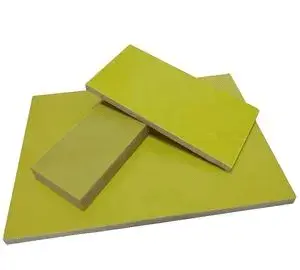
Understanding 3240 Epoxy Sheet and Its Industrial Relevance
Epoxy glass laminates are essential in electrical uses because of their high performance, which is determined by the materials they are made of and how they are made.
Material Composition and Manufacturing Process
The 3240 epoxy sheet is made from electrical-grade knitted glass fabric that doesn't contain any alkalis. This fabric was chosen because it has high tensile strength and heat protection. During the production process, epoxy phenolic resin systems that are carefully made are used to completely soak the glass cloth. The resin matrix really helps the glass fibers stick together, and it also makes the strands stronger and more resistant to chemicals.
During the hardening stage, processing requires careful control of temperature and pressure. Multiple layers of cloth that has been saturated with glue are stacked and then heated and pressed together with strong forces. This thermosetting polymerization makes a hard, even material that has the same density all the way through. The controlled sealing process gets rid of any holes and makes sure that all production batches have the same electrical properties.
The end result is a material that meets the requirements of GB/T 1303.1-1998, which are the same as IEC 60893-3-2. These laminates come in widths from 0.5 mm to 150 mm and can be made in natural, yellow, red, or green colors based on the resin formulation. Surface quality standards call for finishes that are smooth, bubble-free, and have almost no pits or wrinkles that could affect how well the electrical system works.
Key Technical Specifications
High-quality epoxy glass laminates are different from regular insulation materials in a number of ways. Electrical isolation is stable in high-voltage settings when the dielectric strength is greater than 16 kV/mm perpendicular to the laminations. When the volume resistance is above 10^10 ohm-cm, current loss is stopped, even when the temperature and humidity are high.
The temperature resistance runs from Class B to Class F, which means it can work continuously at temperatures up to 155°C with peak changes to higher ranges. In switchgear situations where arc flashes or overloads cause a lot of heat, this thermal performance is very important. Because the dielectric constant is low, the capacitance stays fixed over a wide range of frequency bands that are important for power distribution systems.
The 3240 epoxy sheet has mechanical qualities like a flexural strength of more than 340 MPa, which keeps the structure strong when it's under mechanical stress from vibration, contact, or mounting loads. The material doesn't absorb much water—usually less than 0.5%—so it keeps its electrical properties in damp industrial settings. Long-term stability in a wide range of working conditions is ensured by chemical resistance to transformer oils, industrial solvents, and cleaning agents.
Advantages Over Alternative Insulating Materials
When you compare epoxy glass laminates to other options, you can see that they work better. Even though FR4 materials are commonly used in electronics, they are not good for big electrical machines because they have low thermal resistance and low mechanical strength. Phenolic paper laminates are cheaper, but they are more likely to get wet and have lower dielectric strength. G10 glass-epoxy materials are made of the same kinds of materials, but they don't usually have the better glue systems that make them better at handling heat and chemicals.
Epoxy-based shielding is very useful for updating circuitry because it has a balanced set of properties. Engineers get insulation that can stand up to tough conditions and doesn't need to be replaced often. The ability of the material to be machined lets complex shapes be made while keeping the tight size limits needed for accurate electrical clearances. Chemical resistance makes sure that it works with cleaning solutions and insulating oils that are popular in repair work.
Why CNC Fabrication Enhances 3240 Epoxy Sheet Components for Switchgears
Using precise production methods, the 3240 epoxy sheet is turned into parts that meet the exact requirements needed for switchgear to work reliably.
Precision Tolerances and Quality Control
With the right tools, CNC machining centers can get part dimensions to within ±0.05mm, even for parts with complicated shapes. This accuracy is very important for insulation barriers, arc chutes, and mounting plates, where a bad fit can cause electrical problems or mechanical problems. Computer-controlled cutting gets rid of the mistakes that happen when things are made by hand and makes sure that the same thing can be made over and over again during production runs.
Multi-axis cutting lets you make complex features like threaded holes, counter-bores, and radiused edges that make assembly easier and make managing electrical space better. Optimizing the tool path reduces the stress on the material while it is being cut, which stops delamination or micro-cracking that could damage the insulation. Real-time tracking systems find worn-out tools and make the necessary adjustments instantly, so quality standards are met throughout all production batches.
Coordinate measure tools are used to check the sizes of things, sample pieces are tested for dielectric strength, and the surfaces are looked at visually for flaws. Batch tracking systems keep track of material lot numbers, machining parameters, and inspection results. This helps with certification standards and finding the root cause of problems in the field.
Reduction in Material Waste and Production Costs
By placing component profiles on raw sheets in the best way, optimized nested algorithms get the most out of the materials they use. This computer optimization usually gets 75–85% material return, while hand layout methods only get 50–60%. Less waste lowers the cost of materials directly and supports sustainability goals that are becoming more important to corporate buying teams.
Automation cuts down on the need for workers and speeds up the production process. A CNC machining center can make complicated parts in hours instead of the days it would take to make and fit them by hand. Shorter wait times make it possible to finish projects faster and save money on the costs of keeping supplies. The constant quality cuts down on waste and redo, which saves even more money.
Investing in tools for CNC equipment pays off in the long run by making the equipment more useful. Different types of parts can be machined on the same machining center without a lot of retooling, which makes it easy to fit unique designs or changes to specifications. This flexibility is especially helpful for OEMs who have a lot of different users with different needs.
Real-World Performance Improvements
Manufacturers of switchgear that use CNC-machined parts say that the stability of their products has improved. Accurately machined insulation walls keep electrical gaps even when temperatures rise, which stops arc flashes from happening. Components fit together with little assembly adjustment, which cuts down on installation time and gets rid of the need for changes that could break the design.
Field service data shows that precision-fabricated insulation needs less upkeep than options that are cut by hand. Corona discharge starting points are fewer when there are no rough edges or dimensional flaws. This slows down the breakdown of insulation. Surface finishes that are all the same make it easier to clean and check during regular upkeep.
Implementing 3240 Epoxy Sheet Components in Your Switchgear Upgrade
To integrate well, you need to plan things out in a structured way and follow standard procedures that guarantee safety and performance.
Pre-Implementation Assessment and Design Integration
By looking at the current state of the switchgear, you can find the parts that need to be replaced or upgraded. Specifications for designing parts are based on exact measures of mounting size, electrical clearances, and mechanical connections. Based on the needs of the application, engineering sketches should include information about the material grade, the required surface finish, and any size or shape limits.
Electrical experts and fabrication specialists work together to make sure that the designs of parts are the best they can be for both function and industrial efficiency. Design reviews find possible problems, like sharp corners that put a lot of electrical stress in one place or thin parts that are easy to damage mechanically. Adding mounting features and orientation guides during manufacturing makes installation easier and requires less work in the field.
Installation Best Practices and Quality Verification
When installing the 3240 epoxy sheet, you should follow the manufacturer's instructions and any wiring rules that apply. Handling things the right way keeps polished surfaces and edges from getting damaged, which could compromise their electrical integrity. Specifications for bolts' torque make sure that they have enough binding force without putting too much stress on insulating materials. Arc flash dangers can be avoided by keeping certain electrical distances between live parts and grounded objects.
An check after fitting makes sure that all the parts are in the right place and there are no damage. Before turning on equipment, high-potential testing makes sure that the protection is strong enough. Details about the installation and test results should be written down so that upkeep records can be used and problems can be fixed if they happen during use.
Maintenance Protocols for Extended Component Life
When things are inspected regularly at regular repair times, they show early signs of wear and tear like darkening, tracking, or mechanical wear. Cleaning gets rid of dust and other particles that could create electrical lines and lower the effectiveness of insulation. Chemical damage can be avoided by using cleaning products that are safe for concrete materials.
Thermal image scans find hot spots that mean there aren't enough electrical clearances or that faults are starting to form. By tracking changes in insulation resistance over time, you can see trends of wear and tear that let you repair parts before they break. Keeping thorough repair records shows how the equipment is doing and supports choices about whether to keep using it or upgrade it.
Procurement Considerations for 3240 Epoxy Sheet Components
Strategic buying makes sure that you can get the excellent 3240 epoxy sheet and services you need for your project while also keeping costs as low as possible.
Supplier Evaluation Criteria
The first step in finding suitable suppliers is to evaluate their manufacturing skills and quality control systems. Manufacturers that have been around for more than 20 years bring process maturity and technical know-how that younger providers may not have. Certification to quality standards like ISO 9001 shows that a company is dedicated to using consistent production methods and making improvements all the time.
Production capacity and the level of complexity of the tools used show that the company can handle difficult projects and meet deadlines for delivery. Suppliers who use modern CNC machine centers and automatic material handling systems usually get better quality and turn around times than those who do things by hand. Materials are guaranteed to meet standards by in-house testing labs that can check electrical and mechanical features.
Understanding MOQ, Lead Times, and Customization
Minimum order amounts depend on the type of material, its thickness, and how complicated the production is. Standard sheet widths might have a lower MOQ than special CNC-made parts that need to be set up and programmed specifically for them. Talking about the needs of the project early on in the buying process helps sellers come up with cost-effective ways to order that balance the costs of inventory with the prices of individual items.
Depending on the supply of materials, the complexity of the fabrication, and the place in the queue, lead times are usually between two and six weeks. For custom recipes or sizes that aren't common, raw material lead times can go up to a few weeks. Depending on the complexity of the part and the amount of production, CNC fabrication adds time to the processes. When project deadlines require quick arrival, rush services may be offered at an extra cost.
Quality Assurance and Documentation
Compliance verification and tracking standards are supported by a lot of paperwork. Test results that prove the material's electrical properties, mechanical strength, and flammability scores should be included with its approval. Dimensional inspection records for manufactured parts make sure they match the requirements in the plan. Documentation for batch tracking makes it possible to connect records of production with parts that were provided.
Independent confirmation of important qualities comes from testing by third parties in accredited labs. UL approval or certifications that are similar show that electrical equipment meets safety standards. The RoHS compliance paperwork talks about the environmental rules that limit the use of dangerous materials in electronics.
Conclusion
When industrial switchgears are upgraded with epoxy glass laminate parts made on a CNC machine, safety, durability, and working performance all get better. When you combine better electrical protection, heat resistance, and mechanical strength, you solve some of the most important problems that old electrical infrastructure has. Precision manufacturing makes sure that parts are made to exact specs while cutting down on costs and delivery times. Procurement teams can get more out of their investments if they know about the qualities of materials, the skills of suppliers, and the best ways to put them into action. As the needs of industrial electrical systems grow, using new insulation technologies and precise manufacturing methods helps facilities keep running at their best.
FAQ
How does chemical resistance compare to other insulating materials?
Transformer oils, hydraulic fluids, and standard industrial agents don't damage epoxy glass laminates at all. The cross-linked thermoset structure stops solvents from absorbing, which would otherwise make phenolic materials grow or lose their properties. This resistance makes sure that the dimensions stay the same and the electrical properties stay the same even when the part is exposed to oil or cleaning agents during upkeep.
Can complex geometries be fabricated for custom switchgear designs?
These days, advanced CNC machines can handle complicated part shapes with curved surfaces, many fixing holes, and built-in alignment features. Multi-axis machining centers can keep tight tolerances on dimensions while running complicated tool paths that can't be done by hand. Getting help with the design from skilled makers makes sure that the shape of the part meets all of its useful needs and is made as efficiently as possible.
What service life can be expected under typical industrial conditions?
When used at the recommended temperature and voltage, properly placed parts usually last between 25 and 30 years in industrial switchgear uses. The 3240 epoxy sheet doesn't break down quickly like lower-grade options do because it is thermally stable, resistant to moisture, and mechanically durable. Regular upkeep and following operating limits will extend the life of parts and keep the equipment electrically safe for as long as it is used.
Partner with J&Q for Premium Epoxy Sheet Solutions
J&Q is a reliable source for 3240 epoxy sheet supplier because they have been in business for over 20 years and have been trading internationally for 10 years. We offer turnkey solutions for projects to update switchgear because our skills include precise CNC fabrication, strict quality control, and full transportation services. Electrical insulation durability is very important to us, and we work closely with engineering teams to make sure that the materials and parts we provide meet all the requirements.
Our in-house transportation team makes sure that orders are delivered on time, and our expert support team helps with choosing materials, improving designs, and giving advice on how to use them. We have the knowledge and tools to make sure that projects are successful, whether they are improving old systems or building new switchgear platforms. Email us at info@jhd-material.com to talk about your unique needs and find out how our tried-and-true solutions improve the safety and performance of electricity systems.
References
International Electrotechnical Commission. (2021). "Specification for Industrial Rigid Laminated Sheets Based on Thermosetting Resins for Electrical Purposes - Part 3-2: Specifications for Individual Materials - Requirements for Rigid Laminated Sheets Based on Epoxy Resins."
Institute of Electrical and Electronics Engineers. (2020). "IEEE Standard for High-Voltage Switchgear and Controlgear - Part 1: Common Specifications for Alternating Current Switchgear and Controlgear."
National Fire Protection Association. (2021). "NFPA 70E: Standard for Electrical Safety in the Workplace - Requirements for Arc Flash Protection and Insulating Materials."
American Society for Testing and Materials. (2022). "ASTM D229 - Standard Test Methods for Rigid Sheet and Plate Materials Used for Electrical Insulation."
Underwriters Laboratories. (2019). "UL 746E: Standard for Polymeric Materials - Industrial Laminates, Filament Wound Tubing, Vulcanized Fiber, and Materials Used in Printed-Wiring Boards."
Society of Manufacturing Engineers. (2020). "CNC Machining of Composite Materials: Best Practices for Electrical-Grade Laminates and Quality Assurance in High-Precision Applications."

Get a complete product list and quotation

J&Q New Composite Materials Company



