Laser vs. CNC: The Pros and Cons of Cutting Phenolic Cotton Sheets
When using phenolic cotton sheet to make precise parts, the choice between laser and CNC cutting has a big impact on the results. Laser cutting is fast and can do fine details because it uses focused light beams. CNC machining, on the other hand, is strong mechanical cutting that can handle bigger parts and more complicated shapes. Depending on the thickness of the material, the difficulty of the design, and the size of the production run you need, each method has its own benefits.
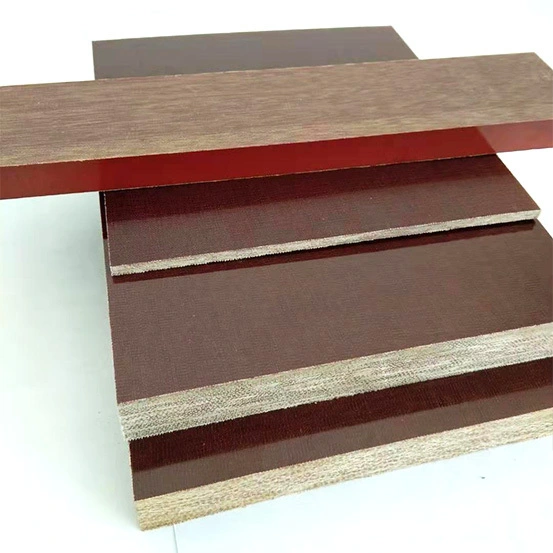
Understanding Phenolic Cotton Sheets: Properties and Industrial Use
What Makes Phenolic Cotton Sheets Essential for Industrial Applications
Phenolic cotton sheet laminate is a hybrid material made by mixing phenolic resin with layers of woven cotton fabric and then drying at temperatures above 150°C and under a lot of pressure. This lamination process makes a material that is both strong and safe for electrical use. This makes it essential in many fields, from electrical engineering to car manufacturing. The cotton threads make the material very resistant to mechanical impact, which keeps it from breaking under heavy loads. For example, when stressed, a phenolic gear shreds instead of breaking expensive drive shafts.
Key Performance Characteristics
The makeup of the material gives it a number of important qualities. Because these laminates have a high dielectric strength, they can be used on circuit boards, switches, and generator parts that need to keep electricity from flowing. When something is machinable, it can be precisely made into gears, bearings, and wear strips without wearing out the tools too quickly. Resistance to heat and wear lets it work continuously in harsh conditions, and resistance to chemicals and industrial fluids keeps it safe. Low moisture absorption keeps the size stable even when the humidity changes, which is very important for keeping tight standards in electrical housings and switches.
Industrial Application Challenges
Processing phenolic cotton sheets offers unique issues that have a direct effect on the choice of cutting method. Because the material is sensitive to heat, using too much heat when cutting can separate the cotton layers or change the color of the surface, which makes the insulating properties worse. The quality of the edge has a big impact on how well the part works. Rough edges cause stress to build up in mechanical parts and possible arc paths in electrical uses. Choosing the right cutting settings and technology is important for getting smooth results that don't damage the material.
Overview of Laser and CNC Cutting Technologies
How Laser Cutting Operates
Laser cutting uses focused light beams that are guided onto the surface of the material by precise lenses. Along the planned cutting path, the material is vaporized or melted. The non-contact process keeps the item from being stressed mechanically, which is especially helpful for thin or delicate pieces. Modern laser systems can cut with kerf widths of less than 0.5 mm, which lets them make complex shapes with little waste. Because code changes are made online instead of physically changing the tools, the process works great for fast prototyping where design changes happen often.
CNC Routing Fundamentals
CNC cutting uses shaping tools that are controlled by a computer and remove material by mechanical means. With multi-axis powers, shaping in three dimensions is possible, which is not possible with two-dimensional laser cutting. The process works better on bigger pieces because the cutting depth is based on the shape of the tool rather than the beam's ability to go through. Tool paths can be adjusted for different edge finishes, and one setup can do more than one operation, like drilling, pocketing, and profile. Because it is mechanical, it gives workers tactile input, which lets them change feeds and speeds based on how the material reacts.
Operational Considerations
For each technology to work, different skills and tools are needed. Strong smoke extraction is needed for laser systems to handle the vapors that are made when they cut, which is especially important for phenolic resin combustion products. Laser equipment usually has higher initial investment costs than CNC cutters, but the costs of running them rely on how much is being made. When using CNC, you have to keep track of your tool collection and change the carbide inserts every so often as they wear out. Laser cutting usually doesn't need as much fixturing because the material stays still, but CNC machining may need special supports for parts that are complicated.
Pros and Cons of Laser Cutting Phenolic Cotton Sheets
Advantages of Laser Processing
When making complicated shapes for electrical parts like insulation washers or seals, the accuracy that laser cutting provides is very useful. Edge quality comes out consistently smooth, with no mechanical burrs. This means that extra finishing steps that add cost and wait time are often not needed. The processing speed for thin to moderately thick materials is faster than traditional cutting. This is especially helpful in high-mix, low-volume production settings like those found in making custom electrical equipment. Because it doesn't touch anything, it doesn't change shape mechanically, so it stays flat, which is very important for laminate insulators in transformer systems.
Limitations and Challenges
When laser cutting phenolic materials, heat-affected zones are the most important thing to watch out for. The focused heat energy can cause discoloration that goes several millimeters past the edges of cuts, which could make the dielectric qualities less reliable in high-voltage situations. Micro-cracking can happen in areas that have been affected by heat, which makes mechanical weak spots when the load is cycled. Cutting speeds slow down a lot after 10 mm of material thickness, and the quality of the through-cut gets worse as the beam focus moves deeper into the material. Making fumes means that the filtration system has to run all the time, which uses more energy and needs to be serviced regularly to meet air quality standards in the workplace.
Optimal Application Scenarios
Laser cutting works well with phenolic cotton sheets that are thin to moderately thick when tight curves or complicated cutouts are needed for a design. Rapid changes to the code don't cost anything for prototyping. Laser speed benefits are used to make small batches of circuit boards or switch parts. Laser processing works well in situations where a little edge coloring is okay or where the edge faces away from important electrical connections.
Pros and Cons of CNC Cutting Phenolic Cotton Sheets
CNC Machining Strengths
When working with bigger phenolic cotton sheet parts, where laser penetration isn't realistic, CNC routing is the best way to go. The mechanical cutting action leaves behind few areas that are changed by heat, so the material qualities are kept right up to the edge of the cut. This is important for high-strength mechanical parts like gears or structural spacers. Because three-dimensional shaping is possible, complicated part shapes like stepped insulation walls or contoured motor brackets can be made that would not be possible with two-dimensional laser cutting. Through efficient stacking and toolpath optimization, batch production can handle both small amounts for prototypes and large amounts for production.
Here are the core advantages CNC technology brings to phenolic laminate fabrication:
- Minimal Thermal Impact: Cutting the material by hand stops it from delaminating because of heat and keeps the dielectric strength constant across the whole thickness of the material, which is important for coil insulation and arc barriers in power distribution equipment.
- Thickness Versatility: It can work with materials as thin as seals or as thick as wear strips over 25 mm without affecting performance, so it can meet the needs of machinery makers for all thicknesses.
- - Surface Finish Control: The feed rates and tool choices can be tweaked to get different edge patterns, ranging from smooth surfaces for slide wear to slightly rough surfaces that help glue stick better during assembly.
Because of these features, CNC routing is very useful for companies that make parts for cars because it helps them make battery pack barriers and heat-resistant fittings that need to be exact in size and made of good materials.
CNC Processing Drawbacks
Wear and tear on tools is an ongoing practical issue. Phenolic materials have rough cotton threads that wear down carbide cutting edges over time, so they need to be replaced every so often to keep their quality. Small-diameter tools wear out faster and may break at high feed rates when working with complicated patterns with small internal circles. When jobs need to be changed often, setup times are usually longer than laser cutting times because tools need to be adjusted and work holding configurations need to be set up by hand. To get the smooth surfaces that laser cutting naturally makes, edge finishing sometimes needs extra steps like smoothing or deburring.
When CNC Becomes the Preferred Choice
CNC cutting is a better and more cost-effective way to work with thicker phenolic pieces than 12 mm. CNC is needed for parts that need to have three-dimensional shapes, like motor component brackets or raised insulation frames. CNC productivity helps with production numbers that require specialized tooling sets. CNC is best for uses where the qualities of the material must stay the same from the top to the core, like in high-stress mechanical applications.
How to Choose Between Laser and CNC Cutting for Phenolic Cotton Sheets
Material Thickness as the Primary Factor
How well a cutting method works depends on the thickness. Either method works well for phenolic cotton sheets less than 6 mm thick, so you can choose based on other factors. Between 6 and 12 mm is a transitional range where laser cutting is still possible but CNC often gives better edge quality and better processing costs. Beyond 12 mm, CNC routing is highly recommended because lasers can't go through thick sections and handle heat-affected zones well.
Design Complexity and Tolerances
Laser cutting can follow complex paths without tool width limits, which is helpful for complicated designs with small cutouts, tight interior radii, or organic shapes. On the other hand, parts that need three-dimensional features, cuts of different depths, or sides that are curved need CNC capabilities. The required tolerance affects the choice of method. Laser cutting always gets a positional accuracy of ±0.1mm, while CNC routing usually gives ±0.15mm, though this can change based on the material and tool wear.
Production Volume and Timeline Considerations
Laser cutting is often useful for prototyping and small batches of output because it is easy to set up and program. Delays can be avoided by cutting straight from digital files without using real tools. For medium to high volume production, faster cutting speeds in harder materials and lower costs per part may make the setup time for CNC routing worth it. Laser cutting is usually faster for urgent orders of thin materials, but CNC may still be better for urgent orders of thick materials to avoid quality problems caused by heat.
Cost Analysis Beyond Cutting
Cutting rates is only one part of a full cost analysis. Laser cutting may get rid of the need for extra deburring steps, which cuts down on the total time needed for production. CNC cutting might leave edges that need to be finished, but it's cheaper to work with thicker materials. In CNC work, the costs of replacing tools must be weighed against the costs of maintaining the laser system and cleaning up the fumes. To get an exact picture of overall costs, procurement teams should ask for detailed quotes that include setup, processing, finishing, and material waste.
Working with Experienced Suppliers
The most freedom comes from working with suppliers who can do both laser and CNC work. Manufacturers with a lot of experience know how the qualities of a material affect the way it is cut, so they can suggest the right technology for each job. Being able to switch methods in the middle of a project lets design changes happen without affecting the source. Suppliers with a lot of experience with phenolic laminate know what quality signs look like: the edges should look good, there shouldn't be any delamination, and the dimensions should be correct. This makes sure that the parts meet the functional standards for electrical, mechanical, and thermal performance.
Conclusion
If you want to cut phenolic cotton sheets with a laser or a CNC, you have to weigh the thickness of the material, the difficulty of the design, the production volume, the quality standards, and the cost of processing. Laser accuracy and speed are best for thin materials with complex patterns. On the other hand, CNC flexibility and thermal control are needed for bigger parts and three-dimensional shapes. Neither system is better than the other in all situations; each is best in certain sets of conditions. For your procurement strategies to work, you need to work with experienced suppliers who can give you the skills, expert advice, and quality assurance systems that are right for your business and application.
FAQ
Can laser cutting completely replace CNC routing for phenolic laminates?
Laser cutting cannot fully replace CNC routing due to fundamental differences in thickness capability and thermal impact management. Materials exceeding 12mm thickness process more effectively through CNC methods, which also provide superior edge quality in heat-sensitive applications. Three-dimensional part geometries require CNC multi-axis capabilities unavailable in two-dimensional laser cutting. The technologies complement rather than compete, each serving distinct application requirements.
How does material thickness affect lead times and pricing?
No matter the way, thicker phenolic cotton sheets make processing take longer, though the effect is different. Laser cutting speeds slow down a lot after 6 mm of thickness, but CNC turning keeps processing speeds more stable across a wider range of thicknesses. These changes are reflected in the prices: laser cutting thin materials often costs less, while CNC making thicker parts may be cheaper. Batch size has a big effect on economics; for example, investing in a CNC setup for bigger amounts makes sense.
Partner with J&Q for Precision Phenolic Cotton Sheet Solutions
J&Q combines over 20 years of manufacturing expertise with advanced laser and CNC cutting capabilities to deliver precision-cut phenolic cotton sheet components meeting your exact specifications. Our technical team works directly with engineering managers and procurement specialists to recommend optimal cutting methods based on your material thickness, design complexity, and production volume requirements. UL and ROHS compliant materials ensure your components meet industry standards for electrical insulation and heat resistance. As an established phenolic cotton sheet supplier, we provide flexible OEM customization, stable batch quality, and reliable delivery schedules supported by our integrated logistics services. Contact our team at info@jhd-material.com today to discuss your project requirements and receive a detailed technical proposal and competitive quote.
References
Smith, J.R. (2021). Industrial Laminates: Material Properties and Processing Technologies. Manufacturing Press International.
Chen, L. & Anderson, M. (2020). "Comparative Analysis of Thermal Effects in Laser and Mechanical Cutting of Composite Materials." Journal of Manufacturing Processes, 58, 342-356.
Williams, P.T. (2022). CNC Machining Handbook for Technical Professionals. Industrial Technology Publications.
Rodriguez, A. (2019). "Edge Quality Assessment in Phenolic Laminate Processing." Composites Engineering Quarterly, 45(3), 89-104.
Thompson, K.D. & Lee, S.H. (2023). Precision Cutting Technologies for Electrical Insulation Materials. Engineering Materials Society.
Davis, R.M. (2021). "Cost-Benefit Analysis of Cutting Methods in Laminate Manufacturing." Production Economics Review, 37(2), 156-171.

Get a complete product list and quotation

J&Q New Composite Materials Company



