From Raw Resin to Finished Board: The Manufacturing Process of 3240 Epoxy Sheets
It takes a lot of science, engineering, and quality control to go from a liquid epoxy resin to a precisely designed 3240 epoxy sheet. This layered insulation material, which is made by mixing epoxy phenolic resin with alkali-free woven glass cloth and curing it under controlled heat and pressure, is now essential for electrical switches, motor insulation, transformer barriers, and PCB support structures. Understanding this change in manufacturing helps procurement workers understand why some sellers always make finished products with better dielectric strength, thermal stability, and mechanical integrity.
Understanding 3240 Epoxy Sheets: Key Properties and Applications
3240 epoxy sheets are known for being strong and reliable in electrically demanding settings. Because it can work continuously at up to 155°C in Class B temperatures and has a high electrical strength, the material can be used in places where regular phenolic laminates can't.
Fundamental Material Characteristics
Performance is determined by the structure's make-up. The woven glass cloth gives the structure tensile strength and stability, and the epoxy resin matrix keeps the layers of support together and keeps electricity from flowing through them. This mix makes a material with high flexural strength, which means that parts can survive bending forces without breaking. This is a very important quality for motor wedges and mechanical gaps in industrial machinery.
Dielectric Properties
Pay close attention to the insulating qualities. Volume resistivity stays the same even when humidity levels change, which keeps transformers and circuit boards from breaking down electrically. This dependability comes from the sealing chemistry that makes a tightly cross-linked network of polymers. This network stops moisture absorption, which would otherwise hurt the insulation's performance.
Industrial Application Landscape
Manufacturers of electrical equipment use these sheets to insulate circuit breakers, support busbars, and make arc chutes, where flame resistance keeps things from going horribly wrong. Important parts in power distribution panels and motor control centers are protected by the material's ability to keep its shape at high temperatures.
Automotive experts use epoxy glass laminates as heat covers and barriers around battery packs in electric car systems. The business faces two problems: reducing weight and controlling temperature. Lightweight building and thermal stability solve both of these problems. Precision CNC cutting makes it possible to make the complicated shapes that are needed for modern car systems.
Transformer manufacturers like how well the material works in oily conditions. Mineral oil breaks down paper-based insulation, but properly sealed epoxy laminates don't break down when exposed to chemicals and keep their insulating properties for decades of use. This makes the equipment last longer, which lowers upkeep costs and increases its useful life. These are important factors that buying experts consider when figuring out the total cost of ownership.
The Raw Materials: From Resin Selection to Preparation
Choosing the right raw materials and following the right steps for preparation have a direct effect on the quality of the end 3240 epoxy sheet.
Epoxy Resin Formulation Chemistry
High-end producers get bisphenol-A epoxy resins that have controlled molecular weight variations. The viscosity of the resin affects the quality of the cloth impregnation. If the viscosity is too high, the weave stays partly saturated, leaving holes that lower the electrical strength; if it's too low, extra resin leaks out during pressing, causing uneven dimensions.
The choice of hardener affects how fast the material cures and its final heating qualities. When compared to aliphatic amines, phenolic hardeners make a thicker cross-link structure, which makes the material stronger and more resistant to heat. Formulators with a lot of experience find the right mix between responsiveness and pot life to make sure that the working time is enough for impregnation and that the product cures completely during the pressing cycle.
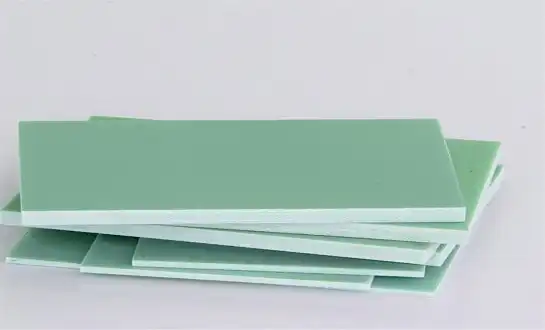
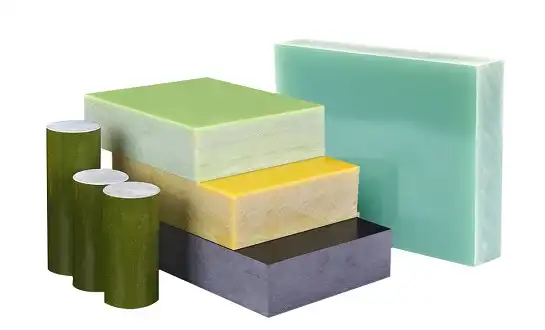
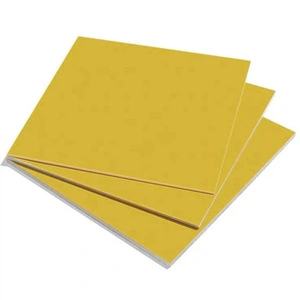
Some traits are fine-tuned by additive packages. Flame retardants meet the standards of UL94 without giving up their mechanical qualities. Release agents keep the surface from sticking during pressing and keep it in good shape for later cutting operations. Pigments give products colors like yellow, red, green, or black that make them easier for warehouse workers to tell the difference between material grades.
Quality Control in Material Preparation
The precision of resin mixing affects how consistent the production runs are. Automated pouring systems weigh parts to limits measured in grams, which gets rid of the chance of mistakes that happened when mixing by hand. Temperature-controlled blending makes sure that the ingredients are evenly spread out, so there aren't any concentration differences that would cause different sheets to act differently.
A glass cloth check makes sure that the weave density, thickness uniformity, and lack of manufacturing flaws are all correct. Reliable fabric providers give certificates showing that the alkali content is below certain limits. This is because sodium ions in the fabric speed up the electrical breakdown process. Before they are impregnated, fabric rolls are treated with humidity, which stabilizes the amount of wetness in the fabric so that it doesn't have problems being processed or changing sizes.
Storage Conditions
The conditions of storage keep the purity of the raw materials. Warehouses with climate control keep resin at temperatures that keep it from drying too quickly or changing density. Keep the fabric clean by keeping it from getting dirty. When dust gets attached during impregnation, it creates stress points that weaken the fabric's mechanical strength.
The Manufacturing Process: Step-by-Step Transformation
At every step of the production process, accuracy is needed to turn raw materials that have already been made into finished epoxy glass laminates.
Impregnation and Prepreg Formation
The first and most important change is fabric impregnation. Glass cloth that is fed through resin bath systems all the time is fully saturated thanks to controlled soaking. Metering rollers control the amount of resin picked up, keeping the resin-to-glass ratios stable, which determine the qualities of the finished sheet. Getting rid of extra glue stops pooling that would make the end laminate have thick spots.
Vertical drying towers move cloth that has been treated through temperature zones that get rid of solvents and speed up the partial cure process. This makes prepreg, which is a semi-cured state of the material that is still flexible enough to handle but has enough cross-linking to keep it from flowing too much during the final pressing. Tower stay time and temperature profiles need to be carefully optimized; not drying enough leaves volatiles that cause burning, and drying too much moves the cure past the best window for pressing.
Quality prepreg has the same tack and stretch properties all over. Touch tests by expert operators make sure that the fix is going well—too sticky means that it's not curing enough, and brittleness means that it's curing too much. Online moisture analyzers and resin content readings are used in modern facilities to help with manual checking. This allows for real-time process control.
Lamination and Hot Press Curing
Stack building affects the properties of the finished sheet. The prepreg plies are layered between steel plates that have been cleaned to reflect light. This gives the finished laminate a smooth surface. The goal thickness is set by the number of plies, with each layer adding about its own cloth thickness plus interleaved resin.
When hydraulic presses work, they put more than 1000 PSI of pressure on the platen and heat it above 150°C. This two-in-one action does more than one thing: the pressure fills in gaps by pushing stored air to the edges of the sheet, and the lack of volatiles stops burning. When the temperature goes up, the leftover hardener is activated, which speeds up the fix process. The glass transition temperature goes up as the cross-link density goes up, and it eventually goes above the fix temperature to keep the shape stable.
Cure processes are based on time-temperature patterns that were created after a lot of testing. When ramp rates are too high, they hurt quality because the machine heats up too quickly, creating temperature gradients that cause warping. On the other hand, when cycle times are too long, they slow down the machine without making the features better. When you stay at the high temperature, the reaction is complete. If you cool down too quickly, the resin doesn't have a chance to react, which lowers its thermal stability and chemical resistance.
Post-Processing and Quality Verification
After being cooled, 3240 epoxy sheets are trimmed to get rid of flash and set reference lines for cutting that will come later. Diamond-tipped saws or water-jet systems make clean lines that don't delaminate, which is very important when regular tools cause too much heat or mechanical stress.
Dimensional limits are checked by measuring the thickness in more than one place. Different uses have different precision needs. For example, transformer insulation may be able to handle a wider range of values than PCB support structures that need to be very flat. Automatic measuring systems look at whole sheets and find small differences that a person checking one spot might miss.
Electrical testing proves that dielectrics work. Voltage breakdown tests and resistivity readings are done on sample coupons to make sure that the production batch meets the standards. Because checking each sheet would be too expensive, these destructive tests give statistical faith in the larger production lot.
Visual inspection finds flaws on the surface like bubbles, pits, and wrinkles that make the material harder to work with or affect its electrical performance. Inspectors with a lot of experience can tell the difference between cosmetic flaws and practical problems by using their knowledge gained from years of observing how things look and how well they work in the field. Root cause analysis is done on rejected material to stop it from happening again.
Comparing 3240 Epoxy Sheet with Other Insulation Materials
To choose the right material, you need to know how the different choices affect efficiency. Seeing how 3240 epoxy sheet stacks up against other insulation materials involves understanding specific performance trade-offs.
Performance Against FR4 Laminates
FR4 is the most common material used for printed circuit boards, but epoxy glass versions have clear benefits in some situations. Both materials have epoxy frameworks and glass cloth support, but the way they are made is different, which causes performance gaps. Specialized types of phenolic-modified resin have better thermal endurance than normal FR4. This makes them better for motor insulation that is exposed to high temperatures all the time.
When comparing mechanical strengths, some epoxy formulas come out on top. In some types, the higher resin content makes the flexural strength higher, which lets smaller cross-sections be used in structural uses. This weight loss is important for parts used in spacecraft and handheld technology, where every gram helps the system work better as a whole.
Material choices are affected by how much they cost. Large production volumes of standard FR4 allow prices to be kept low, while higher prices are supported by the better performance of specialty epoxy grades. The people in charge of buying things look at what the application needs and how much it costs, then choose the cheapest option that meets all the technical requirements without being too complicated.
Advantages Over Phenolic Paper Laminates
Phenolic paper laminates are a cheap type of industrial soundproofing material. Paper reinforcement lowers the cost of the raw materials, but it makes the product less effective in wet conditions and high temperatures. Epoxy glass constructions keep their qualities over a wider range of weather conditions, which lowers the risk of failure in tough situations.
When working in muggy conditions, the difference in how much wetness is absorbed is very important. Paper-based materials soak up moisture from the air, which makes them grow and lose their electrical properties. No matter what the weather is like outside, glass-reinforced epoxy laminates stay stable and keep their electrical properties and tight limits. This dependability gets rid of worries about changes in performance that happen with phenolic alternatives during different times of the year.
In high-stress situations, mechanical advantage becomes clear. Machined gear blanks and structure spacers made from glass laminates can handle more weight without breaking than their paper-based peers. Total cost of ownership calculations show that this durability stretches service life and cuts down on repair downtime, which are operational benefits that support higher original material costs.
Sourcing and Procurement Insights for 3240 Epoxy Sheets
Strategic sourcing requires evaluating suppliers beyond price quotations. In many cases, selecting the right partner for 3240 epoxy sheets depends on technical expertise and quality management.
Supplier Evaluation Criteria
A manufacturing capability review shows how well a company can meet quality standards. Suppliers who use new pressing equipment with computerized temperature and pressure control make more uniform goods than those who use older hydraulic systems that need to be monitored by hand. Facility walks show how disciplined the process is—well-organized production floors with written rules show that the company is committed to quality.
Reviewing the certification makes sure that it meets foreign standards. Having an ISO 9001 registration shows that you handle quality in a planned way, and having UL recognition shows that you have tested for flame proof and are constantly keeping an eye on production. Customers around the world are demanding more and more environmental responsibility, and RoHS compliance paperwork shows it. Registrars are contacted directly by procurement teams to make sure that certificates are real. This keeps fake documents from getting through.
Different providers offer different levels of technical help. If the engineering staff knows what the application needs, they can suggest the best material types and sizes. This way, costs don't go up too much or too little, and there aren't any problems in the field. Responding to questions about tolerance or quickly completing urgent orders builds partnerships that go beyond business relationships.
Pricing and Lead Time Considerations
Volume pricing systems reward people who make bigger promises. Longer production runs that cut down on setup time per sheet help manufacturers achieve economies of scale. When buyers combine their needs across multiple sites, they can get better prices than when buyers' needs are spread out among different plant buying teams. Annual contracts with bulk promises get better prices and make sure there is a steady supply.
Prices and supply are affected by customization. Standard sheet sizes and widths can be shipped right away from stock, but special shapes need to be made in a dedicated production run. When buyers weigh the costs of buying and keeping goods, they weigh the pros and cons of keeping standard sizes on hand for in-house cutting versus buying custom measures that cut down on waste.
Total landing cost is affected by how well logistics are coordinated. Suppliers who already work with freight companies get better shipping rates than buyers who set up their own shipping. When you combine packages of different types of materials, you get the most out of each container and save money on freight costs per unit. For international exports, you need to know how to deal with customs. Experienced exporters can handle paperwork quickly, so there are no delays at the borders.
Conclusion
Getting from raw epoxy resin to finished insulation board is a complicated manufacturing process that needs close attention to materials, methods, and quality checks. Knowing about impregnation methods, curing chemistry, and testing procedures helps buying workers judge the skills of suppliers and choose partners who consistently give results. Epoxy glass laminates are a middle ground between cheap phenolic materials and high-end FR4 grades. They have good thermal stability, mechanical strength, and electrical reliability, which is why they are used in demanding situations in the electrical, automotive, industrial machinery, and power generation sectors. When choosing materials, you have to balance the need for performance with the need to stay within budget. You also have to make sure that your relationships with suppliers are based on technical knowledge, quality commitment, and quick service.
FAQ
What temperature range can these insulation materials withstand continuously?
Epoxy glass laminates with a Class B rating can work constantly at temperatures up to 155°C without losing their electrical or mechanical qualities. Short-term exposure to higher temperatures during thermal cycling is still fine, but running above recommended limits for a long time speeds up wear and tear and shortens the service life. For uses that involve high temperatures that last for a long time, you need to talk to technical experts to make sure they are suitable.
How should fabricators machine these sheets to achieve tight tolerances?
When carbide tools and the right feed rates are used with CNC cutting and milling, exact measurements can be made. Abrasive particles that speed up tool wear are caught by dust collection systems. When cutting with a water jet, there are no heat-affected zones for complicated shapes. With a laser, on the other hand, the edges could become charred, which would damage the electrical qualities. When fixturing is done right, material doesn't bend during cutting processes.
Can manufacturers customize material properties for specific applications?
Changes to the resin's makeup can change its temperature, mechanical, and electrical properties, but only up to the limits set by the base chemistry. Adding more glass makes the material stronger, but it might make it harder to machine. Fire protection and other qualities are balanced by flame retardant loading. Custom development needs a minimum order quantity to cover composition costs, so it's only cost-effective for high-volume uses.
Partner with J&Q for Premium Epoxy Glass Solutions
J&Q has been making and selling high-performance insulation products to the electrical, industrial, and car sectors around the world for more than twenty years. As a reliable provider of 3240 epoxy sheets, we can guarantee that the materials you receive will meet strict UL and RoHS standards for dielectric strength, heat stability, and mechanical integrity. You and your engineering staff will work together with our technical support teams to choose the best material grades and thicknesses for your needs. Meanwhile, our combined transportation services will make sure that your production lines stay on schedule. Contact our team at info@jhd-material.com to get sample materials of 3240 epoxy sheets for sale and full technical datasheets and see how our epoxy glass laminates can improve the performance of your products and the efficiency of your manufacturing process.
References
Smith, J.R., and Chen, L. (2021). Advanced Composite Materials for Electrical Insulation Systems. Industrial Materials Press.
International Electrotechnical Commission. (2019). IEC 60893-3-2: Specifications for Industrial Rigid Laminated Sheets Based on Thermosetting Resins for Electrical Purposes.
Thompson, M.A. (2020). "Manufacturing Process Optimization for Glass-Reinforced Epoxy Laminates," Journal of Composite Materials Engineering, Vol. 45, No. 3, pp. 217-234.
Williams, R.K., and Patel, S. (2022). Electrical Insulation Materials: Properties, Applications, and Selection Criteria. Technical Publishing International.
Zhang, Q., and Morrison, D.L. (2023). "Thermal Aging Mechanisms in Epoxy-Based Electrical Laminates," Polymer Degradation and Stability, Vol. 198, pp. 109-124.
Anderson, P.E. (2021). Industrial Procurement Strategies for Engineering Materials. Supply Chain Management Press.

Get a complete product list and quotation

J&Q New Composite Materials Company