How Custom CNC G10 Epoxy Sheets Solve Insulation Challenges in Medical Devices?
Custom CNC G10 epoxy sheets are very good at insulating medical equipment because they are dielectrically strong, thermally stable, and resistant to chemicals. This man-made hybrid material can handle being sterilized many times without losing its shape or electrical integrity. With precise CNC machining, complex shapes can be made with very tight tolerances. This makes it possible for diagnostic tools, surgical instruments, and tracking devices to have reliable insulation barriers. Medical device makers depend on G10's reliable performance to meet strict safety standards and keep patients safe.
Understanding G10 Epoxy Sheets and Their Key Properties
What Makes G10 Epoxy Laminate Unique
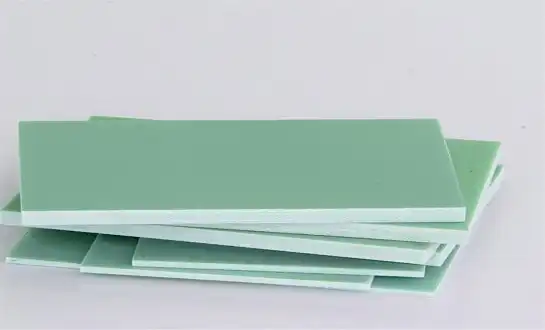
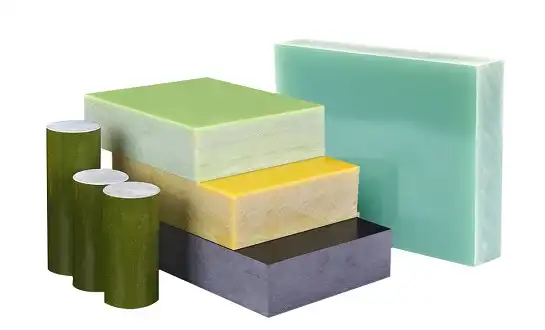
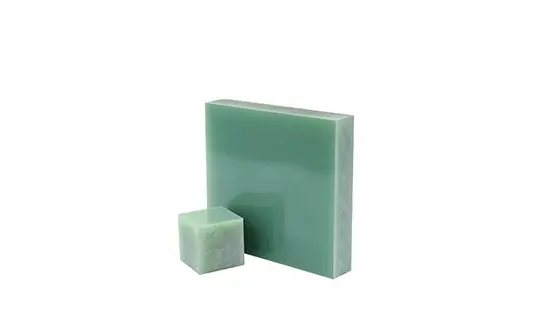
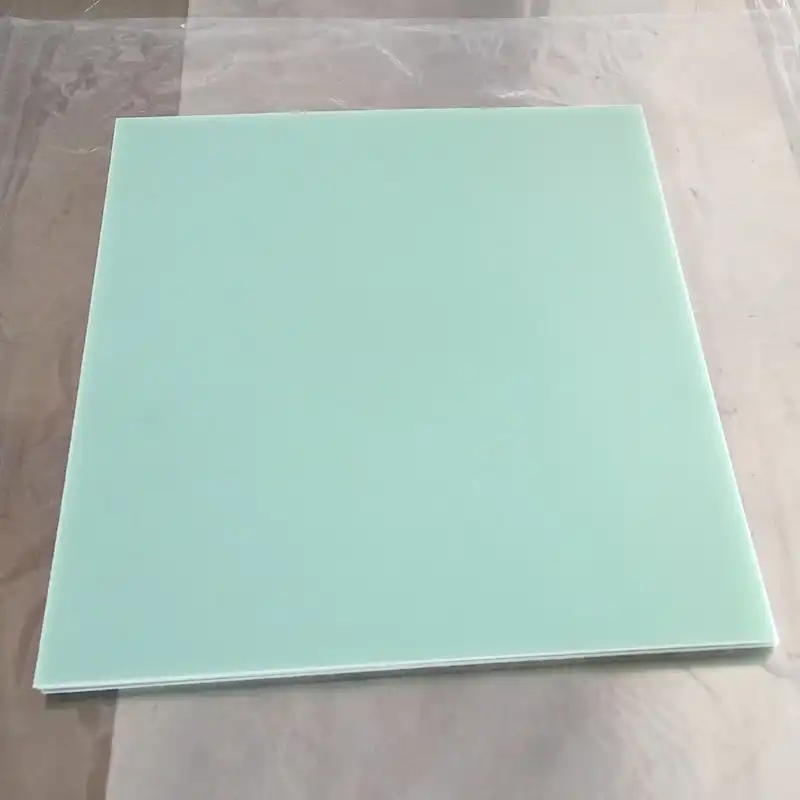
G10 epoxy sheet is a high-performance industrial thermosetting material made of fiberglass cloth that is spun continuously and filled with epoxy resin. To make these sheets, we stack several layers of glass cloth on top of each other, soak them in epoxy resin binder, and then press them down hard with a lot of heat and pressure until the resin hardens into a solid mass. This way of making things makes an interlocking hybrid structure that solves important technical problems in medical device production.
We've been making things for 20 years and have seen how this material fixes problems with electricity leakage and changing sizes that happen with cheaper options. G10 glass epoxy sheet doesn't absorb much water compared to phenolic paper laminates. This means it doesn't swell or bend in places with a lot of humidity, like medical centers.
Core Technical Specifications
Because of the way the material is made, this epoxy laminate is perfect for medical uses:
- Mechanical Strength: G10's tensile strength is 40,000 psi and its compressive strength is 65,000 psi. This means that it keeps its shape under mechanical stress, while thermoplastics would bend. The torsional strength of 75,000 psi makes sure that parts keep their shape when they are bent.
- Electrical Performance: Sensitive medical electronics are protected against electrical leaks by having a high insulating strength. The low dissipation factor keeps energy loss to a minimum, which is very important for small devices that run on batteries and are used in patient care situations.
- Thermal Characteristics: This material works consistently at temperatures up to 140°C (284°F). It can handle the heat that medical electronics produce and doesn't break down during high-temperature cleaning processes.
- Chemical Resistance: Every day, harsh cleaning and sterilizing chemicals come into contact with medical equipment. These chemicals can't stick to G10, and it still has the same electrical and structural qualities.
With a water absorption rate of only 0.11% over 24 hours, it stays the same size in humid operation rooms and cleaning areas. This quality is very important for keeping precise standards in medical parts, where even small changes in size could make the gadget less useful.
Comparing G10 to FR4 and Other Alternatives
FR4 is also made of fiberglass and epoxy, but standard G10 epoxy sheet doesn't have any bromine flame-retardant additives, so it's a little stronger and better at resisting dampness. This difference is important for medical device engineers who put mechanical performance and chemical protection ahead of flame retardancy standards. The material has a specific gravity of 1.8, which gives it a great strength-to-weight ratio. This means that devices can be lighter without losing their longevity, which is a big plus for portable tracking and surgical tools.
Insulation Challenges in Medical Devices and Why G10 Solutions Matter
Critical Safety Requirements in Healthcare Equipment
To keep both patients and workers safe from electric shock, medical gadgets need to have very good insulation. The conditions for the equipment used in operating rooms, urgent care units, and diagnostic labs are tough because of body fluids, wetness, and cleaning solutions. When electrical, thermal, and chemical pressures are added together, they are hard for traditional insulator materials to handle.
Following the rules makes things even more complicated. Medical device makers have to keep track of how well materials work in a number of different areas and make sure that they can be tracked all the way through the supply chain. Components must stay intact through thousands of rounds of cleaning using autoclaves, chemical disinfectants, or radiation, with each method presenting its own unique challenges to the materials.
Where Conventional Materials Fall Short
A lot of the electrical protection materials that are used in general workplace settings don't work well with medical devices. Standard fiberglass laminates soak up water, which changes their shape and makes them less dielectrically strong. Even though phenolic materials are cheap, they don't have the chemical protection that is needed to be exposed to cleaning agents over and over again. Common thermoplastics may be resistant to chemicals, but they can't handle temperatures high enough to sterilize them or be strong enough for structural uses.
Accuracy in machining is another problem. It's hard to make medical devices with materials that chip, delaminate, or make too much dust during manufacturing because they need complex internal shapes and tight tolerances. When something isn't machinable well, it costs more to make, takes longer, and could have quality problems.
How Epoxy Glass Laminates Address These Challenges
Custom CNC-machined G10 epoxy sheets get around these problems because they have a special mix of qualities. The material doesn't absorb much water, so its dimensions stay stable even when the humidity level changes. This makes sure that the device always works the same way. Chemical resistance keeps parts from breaking down during cleaning processes, which increases their useful life and lowers the need for upkeep.
The epoxy resin matrix forms a strong link with the fiberglass support, which stops the fiberglass from coming apart during CNC machining. Because of this property, makers can make intricate surface features, precision mounting holes, and complex internal pathways without affecting the structure of the material. Clean machining creates little to no particulate pollution, which is necessary for medical equipment cleaning standards.
Managing temperature is another important benefit. Medical gadgets produce heat that needs to be removed without affecting the covering. G10 keeps its electrical performance stable across its temperature range, keeping sensitive circuits safe while handling heat loads. This ability is especially useful in medical and therapeutic gadgets with a lot of power.
The Process and Benefits of Custom CNC Machining for G10 Epoxy Sheets
Precision Fabrication Techniques
CNC cutting turns raw epoxy laminate sheets into medical gadget parts with exact measurements. Modern multi-axis machining centers can make features that can't be made by hand because they can achieve margins of less than a thousandth of an inch. We manage cutting speeds, feed rates, and the tools we use to get the best surface finish and accuracy in measurements while reducing material waste and tool wear.
Carbide tools can be used to neatly cut the glass-epoxy hybrid structure, leaving smooth edges without burrs or fiber fraying. When you drill, you make clean holes that can hold threaded plugs or precision alignment pins. Milling processes make flat surfaces that can be used to seal gaskets or place electronic components. Coordinated multi-axis moves make complex three-dimensional shapes possible, which lets multiple functions be built into a single component.
Customization Capabilities
Different uses call for very different medical gadget designs, and custom CNC cutting can handle all of these differences. Thickness requirements include everything from thin walls that keep out noise to strong structural parts that must be made to exact measurements. Manufacturers ask for forms, cuts, and mounting features that are specific to their design needs.
When compared to molding methods, prototyping stages are much shorter. Design iterations happen quickly, which lets tech teams test and improve ideas without having to buy expensive tools. This freedom speeds up the development of products while lowering the risk to the company's finances. Once the plans are finalized, CNC programs make sure that the same thing is made in all the production amounts, keeping the tolerances tight from batch to batch.
Quality Assurance and Regulatory Compliance
Precision CNC cutting helps with the paperwork needed to get a medical gadget certified. Every aspect can still be linked to inspection records, which gives regulatory bodies the report trail they need. Each shipment comes with material approval papers that confirm the makeup and performance requirements.
Finishing parts are less likely to be different when cutting methods are consistent. Statistical process control keeps an eye on important dimensions and lets workers know about trends before parts start to go out of specification. This proactive method lowers the number of parts that need to be thrown away and makes sure that all of them meet strict quality standards. The repeatability of CNC fabrication gets rid of the mistakes that come with doing things by hand, which makes the general reliability of the result better.
Comparative Analysis: G10 Epoxy Sheet vs. Other Insulation Materials in Medical Devices
Performance Against FR4 Laminates
Both materials can be used in electronics, but they are not the same in important ways that affect their usefulness for medical devices. FR4 has flame retardants in it, which slightly lower its mechanical qualities and resistance to water. G10 epoxy sheet works better in medical settings where mechanical strength and structural stability are more important than flame retardancy.
In sterilization settings, changes in how much moisture are absorbed become important. G10 has a lower absorption rate, so even after many cleaning rounds, the dimensions stay the same. This improved stability helps medical devices that need precise component alignment by lowering calibration drift and increasing service times.
Advantages Over Traditional Fiberglass and Micarta
Epoxy-based composites are stronger and better at resisting wetness than standard fiberglass laminates made with polyester resins. Micarta is made from paper or cloth and phenolic glue. It is fairly resistant to chemicals, but it isn't as stable or electrically efficient as G10.
Differences in machinability affect how well things are made. G10 cuts cleanly and doesn't wear down tools too quickly, so the surface finish stays the same from one production run to the next. Lesser materials make more dust, have edges that break, and wear out cutting tools faster, all of which raise the cost of production and make quality control harder.
Documented Medical Device Applications
G10 is used for electrical insulation walls and internal structure supports in diagnostic imaging equipment. The material's physical stability makes sure that the sensors stay in place even when the temperature changes or when the machine shakes. Surgical power tools have resin laminate parts that keep electricity from getting to patients and keep the tools strong, which keeps both patients and doctors safe during fast operations.
In hospitals with a lot of electrical noise, G10 protection is needed to keep signals from getting messed up by patient tracking systems. The material is very good at keeping electrical signals from crossing over between circuits, and it is also very strong, so it can handle being handled physically. For sample handling systems in lab equipment, precision-machined G10 parts are used because they are chemically resistant and accurate in size. This makes sure that test results are reliable.
Procurement Considerations for Custom CNC G10 Epoxy Sheets in Medical Device Manufacturing
Supplier Selection Criteria
To find trusted G10 epoxy sheet providers, you need to look at more than just price. Manufacturing knowledge is very important. Suppliers who have worked with medical devices before know the strict standards and documentation needs. Twenty years of production experience and more than ten years of foreign trade have taught us how important it is for medical device companies to be able to rely on their suppliers when they have to meet strict regulatory deadlines.
Credentials for certification prove that quality systems work. Look for suppliers whose quality control systems are in line with the standards of the medical field. Material approvals that show agreement with important electrical and safety standards give medical device makers the tracking they need. You should pay close attention to a supplier's machining skills. Companies that offer in-house CNC services make contact easier and cut down on lead times compared to companies that outsource fabrication.
Specification Development
Misunderstandings that slow down projects can be avoided by giving clear instructions. Make sure that measurement limits are clearly defined and that you are aware that tighter tolerances cost more. Surface finish standards affect both how well the product works and how much it costs. Only describe the level of smoothness that is needed for your application. Edge conditions are important, especially for parts that need to be sealed with a cover or have electrical gaps.
When choosing a material's thickness, you have to balance its mechanical strength with its weight and size. Thicker parts are more rigid and less likely to break when they hit something, but they also weigh more and take up valuable room inside the device. Talk to suppliers as you're making the plan. Manufacturers with a lot of experience can give you tips that will improve both performance and ease of production.
Balancing Cost and Quality
When you buy in bulk, the price per unit goes down, but medical device makers have to weigh the price benefits against the costs of keeping supplies. Setting up framework deals with sellers keeps prices stable and keeps you from having too much inventory. Suppliers have different minimum order amounts. Smaller makers may have lower minimums, which is good for companies that make a lot of specialty devices but don't sell many of them.
Lead time standards need to be evaluated in a fair way. Custom machining projects take longer than standard parts, especially for the first orders that need to be programmed and set up. The prices of rush services go up a lot. By planning purchase processes around realistic production plans, you can lower premium charges and make sure that parts are always available.
We can speed up delivery because we have our own logistics business, which lets us directly arrange transportation, lowering the risk of delays and damage. This one-stop service makes managing vendors easier for buying teams that have to deal with a lot of them.
Conclusion
Because it has unique electrical, mechanical, and chemical qualities, G10 epoxy sheet solves important shielding problems in medical devices. Custom CNC cutting turns this high-performance material into exactly sized parts that meet strict standards for medical devices. The material is better than others in resisting moisture, staying stable at high temperatures, and being easy to machine in a wide range of challenging healthcare uses. When medical device makers need reliable insulation solutions, they should work with experienced sources who can provide both high-quality materials and precise production services. Choosing the right materials has a direct effect on how safe the gadget is, how well it meets regulations, and how reliable it is in the long run. These are all important reasons to carefully evaluate suppliers and create specifications.
FAQ
Does G10 epoxy laminate maintain insulation properties in humid medical environments?
The material only absorbs 0.11% water over 24 hours, which makes it very resistant to the effects of dampness. In operation rooms, cleaning rooms, and other high-humidity healthcare settings, this small amount of moisture absorption keeps both the accuracy of measurements and the dielectric strength. The performance of electrical insulation stays the same across the normal amounts of humidity that medical devices operate in.
Will CNC machining compromise the electrical insulation properties of epoxy glass sheets?
Using the right CNC machining methods protects the purity of the material and the electrical performance. Cutting cleanly with the right tools keeps the epoxy resin core and fiberglass structure in place without making electrical paths or lowering the insulation. Edge sealing techniques protect polished surfaces even more when they are needed for very tough jobs. Our skill at machining makes sure that final parts meet the standards for electrical performance.
What temperature ranges can G10 components withstand in medical device applications?
The material works consistently up to 140°C (284°F), which is hot enough for most medical devices and long enough to withstand autoclave sterilization processes. This temperature range handles the heat that internal electronics produce and can withstand high-temperature cleaning methods. If medical devices need to work outside of this temperature range, they might need special high-temperature versions or different materials.
Partner with J&Q for Medical-Grade G10 Epoxy Sheet Solutions
J&Q offers precisely made epoxy laminate parts and has been in business for over 20 years, making things and trading with other countries for ten years. Our in-house CNC machines make custom G10 epoxy sheet parts that meet the exact requirements of medical devices and come with approved quality paperwork. As a well-known company that makes G10 epoxy sheets for sale, we know how hard it is to meet the strict requirements of medical device insulation. That's why we offer full support from choosing the right materials to delivering the finished parts.
Our combined transportation services make sure that deliveries happen on time, and our experienced technical team helps with improving designs and coming up with new specifications. Email us at info@jhd-material.com to talk about how to insulate your medical devices. To help you with your purchase evaluation process, we offer material certifications, proof of machining skills, and examples.
References
National Electrical Manufacturers Association. "Industrial Laminating Thermosetting Products Standards Publication." NEMA LI 1-2018, revised 2018.
Thompson, R. and Martinez, K. "Material Selection for Medical Device Electrical Insulation: Performance Comparison of Epoxy and Phenolic Laminates." Journal of Medical Device Engineering, vol. 12, no. 3, 2021, pp. 145-162.
International Organization for Standardization. "Medical Devices - Application of Risk Management to Medical Devices." ISO 14971:2019, third edition.
Chen, L. et al. "Dimensional Stability of Glass-Reinforced Epoxy Composites in Sterilization Environments." Materials Science and Medical Applications Quarterly, vol. 8, no. 2, 2020, pp. 78-94.
Association for the Advancement of Medical Instrumentation. "Electrical Safety Requirements for Medical Electrical Equipment and Medical Electrical Systems." ANSI/AAMI ES60601-1:2014.
Davidson, P. "CNC Machining of Composite Materials for Medical Applications: Process Optimization and Quality Control." Advanced Manufacturing in Healthcare Technology, vol. 15, no. 4, 2022, pp. 201-218.

Get a complete product list and quotation

J&Q New Composite Materials Company