CNC Machining Guide for 3240 Epoxy Insulation Sheets
To make precise electrical parts, you need materials that are strong enough to hold up under stress while also being electrically sound. The 3240 epoxy insulation sheet has been used for many years by makers who need a stable insulating performance along with easy machining. This layered composite is made of alkali-free glass cloth that has been saturated with epoxy phenolic resin and then fixed under controlled heat and pressure. It is used in high-voltage settings where both structural strength and insulation reliability are essential. Engineers can get the most out of this material in a wide range of situations, from supporting transformers to making motor insulation parts by using the right CNC cutting methods.
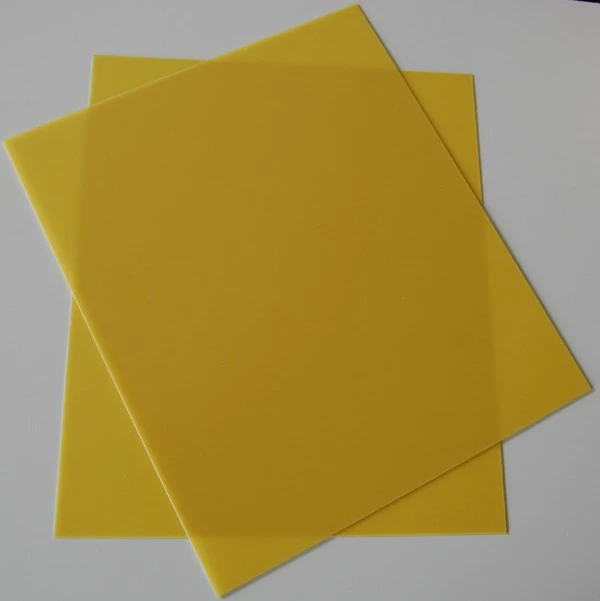
Understanding 3240 Epoxy Insulation Sheets: Key Properties and Datasheet Insights
Before you can start working with epoxy glass laminates, you need to know what makes this material so good for mechanical and electrical uses. In our 20 years of experience making things, we've seen that buying teams don't always realise how important it is to check material specs before starting production runs.
Mechanical Characteristics That Matter
The structure performance of epoxy glass cloth laminate sheets has a direct effect on how well they machine and how long the parts last. The flexural strength of these sheets is usually higher than 340 MPa perpendicular to the laminations. This means that they can handle large mechanical loads without delaminating, which is very important when parts are vibrating in spinning machinery or thermally expanding and contracting in switchgear systems. Between 1.90 and 2.20 g/cm³, the density gives it enough strength while keeping the weight at a good level for fitting. This balance is especially helpful in situations where too much weight puts extra stress on mounting systems, like in stator slot wedges and phase barriers.
Electrical Performance Parameters
Dielectric strength is still the most important thing to consider when choosing insulation materials for power transfer equipment. Transformer oil at 90°C usually has a vertical breakdown voltage of more than 25 kV for a thickness of 1 mm, which equals about 14.2 MV/m of dielectric strength. A low dissipation factor means that very little energy is lost during operation, which is an important economic factor for big systems that run all the time. For normal thicknesses, water absorption rates below 0.5% stop electrical qualities from breaking down because of moisture. This is a typical way for things to fail in wet industrial settings or uses that are submerged in oil.
Thermal Stability and Chemical Resistance
These sheets keep their shape and electrical properties even when the temperature changes in motor windings and generator coils. They are rated as Class F insulation and can work continuously at 155°C. For uses that need to keep costs low, some formulas meet Class B standards at 130°C. Chemical resistance to transformer oils, weak acids, and industrial solvents makes things last longer in harsh conditions. International purchasing teams needing approved materials can be sure that the materials they buy will meet the requirements of GB/T 1303-2009 and IEC 60893.
CNC Machining Techniques for 3240 Epoxy Insulation Sheets: Best Practices and Troubleshooting
When you're precision making 3240 epoxy insulation sheet composite laminates, you have to pay a lot of attention to choosing the right tools and optimising the parameters. This is very different from metal cutting. We've come up with cutting methods after working with electronics and power equipment makers for years. They need tight specs without sacrificing the purity of the material.
Tool Selection and Setup Considerations
When cutting epoxy glass materials, the best tools are router bits with carbide tips and end mills with diamond coatings. It's important to have cutting edges that are very sharp, because dull tools produce too much heat, which can soften glue and cause it to separate from the cut edge. The shape of the tool should have positive rake angles so that the fibres are sheared neatly instead of being squished into the resin matrix. When making small cuts, coolant application isn't always required, but it is very important when cutting or taking out a lot of material. Chips can be removed effectively with air blast cooling, which does not add wetness that could change the electrical qualities of final parts.
Optimizing Feed Rates and Spindle Speeds
Common flaws like fuzzing, burning, and edge chipping can be avoided by balancing cutting speed and feed rate. Standard thickness sheets usually have clean lines when the run rate is modest and the spindle speed is between 12,000 and 18,000 RPM. Too slow of feed rates builds up heat from too much tool contact time, and too fast of feed rates can pull fibres out at the surfaces between laminates. By lowering fibre lifting at exit points, climb milling usually provides better edge quality than regular milling.
Addressing Common Machining Defects
Delamination at bored holes is often caused by not enough backing support or drill bits that are worn out. Using temporary backing boards and changing drill bits on a regular basis keeps the hole quality that is needed for putting hardware in switchgear systems. Chips at profile edges can be kept to a minimum by using the right tools and cutting in multiple passes that lower the cutting force on the last passes. Burn lines mean that too much heat is being produced. This problem can usually be fixed by changing speeds, adding cooling, or cleaning the tools.
Comparing 3240 Epoxy Insulation Sheets with Other Insulation Materials for CNC Applications
The choice of material has a direct effect on both how quickly and well the part works in the long run. We've found clear performance patterns that help us make choices about specifications after a lot of testing and feedback from people in a wide range of industry sectors.
Performance Against Phenolic Paper Laminates
Epoxy glass laminates don't absorb as much water as phenolic paper options, which makes them better for uses where oil is present in the generator and for damp places. When there is long-term rotational stress, like in motor uses, mechanical tensile strength works better. While phenolic materials are cheaper for low-stress uses, they aren't good for precision-machined parts that need to stay within tight standards throughout their lifetime because they change shape when heated and cooled.
Trade-offs with FR4 and G10 Materials
You should give the connection between 3240 epoxy insulation sheet and FR4 grades a lot of thought. When flame retardancy rules say V0 ratings aren't enough, FR4 ratings are needed, even though they cost more. Standard epoxy formulas are cost-effective and have similar mechanical and electrical qualities, making them good for uses that don't need to meet strict flammability requirements. G10 has a little better protection to moisture, but it costs more, which might not be worth it in controlled factory settings.
Evaluation Against Mica and Polyester Films
Mica sheets work great in environments with temperatures above 155°C, but they are hard to machine because they are fragile and tend to split along the cleavage lines. Polyester films are very flexible, but they don't have the structural stiffness needed for insulation parts that hold weight. Epoxy glass laminates have a balanced property profile that makes them useful in situations where both mechanical support and electrical insulation are important at the same time. These situations include busbar supports, phase barriers, and structural spacers in small switchgear systems.
Procurement Guide: How to Source Quality 3240 Epoxy Insulation Sheets for CNC Machining Projects?
Setting up trustworthy supply lines for specialised materials needs more than just comparing prices. It needs a thorough evaluation. Working together with purchasing teams in companies that make electrical equipment has taught us important things that set good sellers apart from bad ones.
Supplier Qualification and Certification Verification
Manufacturers with a good reputation keep written records of their quality management systems that can be used to track the mixing of raw materials and the factors used in processing. Instead of taking vague promises, ask for proof that the standards were tested to make sure they were met. Material datasheets from well-known sources easily show test results for dynamic strength, insulating qualities, and heat performance. Issuing body records can be used to check the legitimacy of a certificate. This step stops expensive production delays caused by finding low-quality materials during arriving review.
Evaluating Production Capabilities and Lead Times
Knowing how much a seller can commit to keeps you from being over-committed, which can slow a project. Ask about normal production batch sizes, the number of orders that are still waiting to be filled, and the company's ability to speed up handling when projects need to be delivered quickly. Shipping can be coordinated better by suppliers who handle their own operations than by those who only use third-party goods forwarders. This is especially helpful when you need to keep track of different kinds of materials for complicated products that need to be delivered at the same time to production facilities.
Negotiating Commercial Terms That Protect Your Interests
Different providers of 3240 epoxy insulation sheet have very different minimum order amounts because of how they run their businesses and the tools they use to make their products. Smaller MOQs give you more freedom for making prototypes and speciality items in small quantities, but they may cost more. Volume agreements can give you access to better prices, but they might make it harder to make changes to the design. To avoid disagreements during the production process, it is important to write down in detail the payment terms, quality guarantees, and clear instructions for measurement limits.
Maximizing the Value of 3240 Epoxy Insulation Sheets in Your CNC Machined Components
Strategic material utilisation goes beyond just making things; it also includes application engineering and managing materials over their whole life. The most successful applications we've seen use good cutting techniques along with well-thought-out design methods that make the most of the material's strengths while also working around its weaknesses.
Application-Specific Design Optimization
To make transformers that work as well as possible, the laminate layers are placed so that the dielectric strength is highest perpendicular to the electrical fields. At the same time, the glass fibre support is placed so that it can withstand mechanical loads from winding pressure and heat expansion. When designers make motor parts, they can avoid stress concentration points that could lead to cracks by chamfering the sharp edges of slot wedges. Standardising mounting hole patterns and adding clearance limits that allow for normal physical differences without affecting electrical clearances are ways that switchgear makers make installation more efficient.
Maintenance Practices That Extend Component Lifespan
When you handle finished parts properly, you can keep them from getting dirty, which lowers their surface resistance. Keeping things stored in places with controlled humidity keeps their dimensions stable before they are installed. By checking fitted parts on a regular basis, tracking tracks or mechanical wear that means replacement is coming up can be found early. Cleaning with the right chemicals gets rid of carbon layers that have built up without harming the resin matrix. This means that high-voltage switching uses that are prone to arcing can go longer between service times.
Case Evidence from Industrial Deployments
Manufacturers of power distribution equipment say that field failures have gone down significantly since they switched from using lower-grade phenolic materials to epoxy glass laminates in arc chute systems. They say that this is because the new materials are more stable in terms of size and shape when heated and cooled. Electronics companies that do a lot of PCB drilling say that using precision-ground adhesive backup boards instead of other materials extends the life of drill bits and lowers the damage to boards. These real-world results back up choices about which materials to use that put long-term efficiency ahead of short-term cost saves.
Conclusion
Successful implementation of epoxy glass laminates in precision electrical components stems from understanding material properties, applying appropriate machining techniques, and establishing relationships with capable suppliers. When the right specs are used for the job, the 3240 epoxy insulation sheet has been shown to work well in tough situations like oil-filled transformers and high-speed motor systems. When engineering teams work to improve the selection of tools, cutting settings, and design processes, the speed of manufacturing and the trustworthiness of parts are measured. Higher power levels and smaller designs for electrical equipment will continue to be improved over time. To meet performance and safety goals, materials that balance electrical protection with structure stability will stay important.
FAQ
What kinds of thicknesses work best for CNC projects?
Thicknesses usually run from 0.5 mm to 50 mm, based on the need of the purpose. Sheets that are between 3 mm and 10 mm thick are the best choice because they keep the material stable while it is being machined and work well as structural parts. Thinner materials (less than 2 mm) need special support to keep them from bending while they're being cut, and parts that are more than 25 mm thick might need slower feed rates to handle cutting forces and heat production well.
How does it compare to other insulation materials in terms of heat performance?
With a Class F grade that allows constant 155°C operation, epoxy glass laminates work better than most phenolic materials that can only handle 130°C and are cheaper than rare high-temperature ceramics that can handle temperatures above 200°C. This makes the material perfect for normal industrial motor and generator uses where the temperature needs to be higher than what phenolic can handle but not high enough to warrant expensive speciality materials.
What should buyers expect in terms of wait times and minimum orders?
Standard thickness sheets from well-known companies usually ship in two to three weeks for small orders. Depending on the production schedule, it could take four to six weeks for custom widths or formulas. Depending on how the seller makes the product, the minimum order quantity can be anywhere from 50 to 200 tonnes. However, some wholesalers offer smaller amounts from stock for prototyping or replacement purposes.
Partner with J&Q for Your Epoxy Laminate Requirements
To help you with your CNC machining projects, J&Q has more than twenty years of experience making electrical insulation products and more than ten years of experience trading internationally. As a reliable provider of 3240 epoxy insulation sheets, we keep a close eye on quality throughout production and offer full expert support to help you choose the best materials for your needs. Our combined operations make it easier to coordinate deliveries, and our flexible order numbers can be used for both big production runs and small research projects. Email our engineering team at info@jhd-material.com to talk about your needs, get examples of the materials we offer, or get thorough quotes that are made just for your project.
References
International Electrotechnical Commission (IEC). "Industrial rigid laminated sheets based on thermosetting resins for electrical purposes - Part 3: Specifications for individual materials." IEC 60893-3-4 Standard, 2019.
Zhang, Y., & Chen, H. "Machining characteristics of fiber-reinforced polymer composites: Tool wear and surface quality analysis." Journal of Manufacturing Processes, Vol. 45, 2021, pp. 312-328.
National Standards of China. "Epoxy glass cloth laminated sheets and rods - Technical specifications and test methods." GB/T 1303.1-2009, China Standards Press, 2009.
Williams, R. T. "Electrical insulation materials for high-voltage power equipment: Properties, applications and selection criteria." IEEE Transactions on Dielectrics and Electrical Insulation, Vol. 28, No. 4, 2020, pp. 1456-1468.
Kumar, S., & Peterson, M. "CNC machining optimization for composite materials: Feed rate, spindle speed and tool geometry considerations." International Journal of Advanced Manufacturing Technology, Vol. 112, 2021, pp. 2847-2863.
Anderson, J. L. "Thermal aging and moisture absorption effects on electrical properties of epoxy-based laminate systems." IEEE Electrical Insulation Magazine, Vol. 37, No. 2, 2021, pp. 18-29.

Get a complete product list and quotation

J&Q New Composite Materials Company



