How to Machine High-Temperature NEMA CE Sheets Efficiently?
To successfully machine high-temperature NEMA CE sheets, you need to choose carbide-tipped tools, set cutting speeds between 300 and 600 SFM, and use cooling systems to manage the heat. NEMA CE sheet has a phenolic cotton laminate structure that needs controlled feed rates and sharp tools to keep the resin from burning and the layers from coming apart. Knowing about the properties of the material, like its Class B thermal grade (130°C) and how it reacts to wetness, lets you machine it precisely with little waste and a better surface finish for electrical insulation uses.
Understanding High-Temperature NEMA CE Sheets and Their Challenges
What Makes NEMA CE Sheets Unique for Electrical Applications?
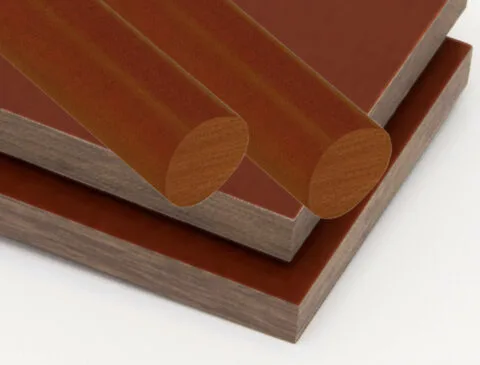
The National Electrical Manufacturers Association LI-1 standard for phenolic cotton laminates has a special group for NEMA CE sheets. The "CE" label means that the canvas is of the Electrical grade. It is made by high-pressure thermoset lamination, in which phenolic resin glue is soaked into coarse cotton canvas cloth. With this building method, a substance is made that has a specific gravity between 1.35 and 1.38 and a Rockwell Hardness (M Scale) between 100 and 105. This makes it much tougher than phenolic options made from paper.
The coarse cotton weave makes CE grade different from its linen cousin (Grade LE), and it has a higher impact strength of about 1.6 to 2.0 ft-lb/in notch. This balance between mechanical longevity and electrical separation is appreciated by engineering managers who choose materials for motor insulation and circuit components. The cotton support can reduce vibrations better than metal parts, which is very important for power transmission systems that need to cut down on noise.
Thermal and Electrical Performance Parameters
NEMA CE sheets are classified as Class B insulation because they can work constantly at temperatures of up to 125°C to 130°C. When this level is crossed, the phenolic resin starts to carbonise, which weakens both its mechanical strength and its insulating qualities. The material has a bending strength of more than 15,000 psi along its length, so it can withstand the temperature cycle that happens in transformer housings and electrical cases.
Dielectric strength changes depending on thickness and moisture content. Grade CE formulas are specially made to prevent changes in size caused by humidity. Because cotton naturally absorbs water, the environment needs to be carefully controlled when it is being stored or machined. When manufacturers keep humidity levels below 60% relative humidity during processing, problems with swelling are less likely to happen, which can affect the accuracy of tolerances in precision parts.
Common Machining Obstacles and Material Sensitivity
The biggest problem with making phenolic cotton laminates is that they are sensitive to temperature changes. Cutting at too high of speeds creates heat that burns the resin core, leaving behind burnt surfaces and smells. This heat damage makes the bond between the cotton layers weaker, which causes finished parts to delaminate too soon. When examining a supplier's skills, procurement professionals should ask about the procedures for keeping an eye on temperature during CNC operations.
The stiffness of NEMA CE sheet calls for strong manufacturing, but the rough nature of finished phenolic resin speeds up the wear on tools. When cutting edges are dull, they squeeze the material instead of shearing it, which leads to fuzzy lines and errors in the measurements. When electrical engineers set strict standards for bus bar supports, they need to take these machining issues into account when they set acceptance criteria. The direction of the cotton fibres in the laminate structure also gives it linear power. When you are laying out the material and cutting it, you need to pay attention to the direction of the grains.
Assessing Current Machining Methods and Their Limitations
Traditional Cutting and Drilling Techniques
Most machine shops work with phenolic cotton sheets using standard techniques created for working with metals or plastics, which often doesn't work well. Standard high-speed steel (HSS) tools work fine for making prototypes in small quantities but not for mass production. The rough phenolic content quickly dulls HSS cutting edges, which leads to higher cutting forces that make too much heat. This increase of heat causes the plastic to soften, which makes the holes in drilled parts less accurate and causes the sizes to be too big.
Band saws and circle saws with carbide-tipped blades can handle rough cuts, but it's important to choose the right blade. Tooth pitch and set angle have a big effect on the quality of the edge and how much material pulls out at the exit points. When mechanical engineers build fixtures for gears and wear pads, they've seen that choosing the wrong blade can cause fibres to tear along the edges of cuts, which creates stress points that shorten the service life of parts. These edge quality problems get worse when you through-cut without backing material support.
Cooling and Lubrication Practice Gaps
Many places that make phenolic laminates think that because they are non-metallic, they don't need to be oiled. This assumption leads to issues. Without cooling, the temperature in the cutting zone can rise above 200°C, which is way above the limit for continued use of the material. When resin breaks down, formaldehyde vapours are released, which can cause problems with the air quality in the workplace and lead to poor part quality.
When antifreeze is used, people usually use general-purpose water-soluble fluids that are made for metals. These coolants don't have the wetting agents that are needed to get into cotton fibres properly. Coolant delivery systems that aren't good enough, especially those that only use flood cooling, can't get chips out of deep holes or narrow slots effectively. Chip buildup in cutting zones insulates the work area, which defeats the purpose of coolants. During site audits, OEM sourcing managers looking for reliable contract makers should check the ways that coolants are delivered.
Workholding and Fixturing Deficiencies
For thin phenolic sheets, standard vice fastening doesn't work very well most of the time. When you overtighten something, you crush it, which makes stress spots and differences in thickness appear in certain places. When you clamp something too tightly, it can vibrate while you cut, which can cause chatter marks and dimensional drift. Because the material's compression strength isn't very high, it needs more binding pressure spread out over a bigger surface area than metals of the same thickness.
The slightly porous nature of NEMA CE sheet can make vacuum table methods that are commonly used for plastics work less well with them. When sheets are smaller than 3mm, air leaks through them and weakens the binding force. Combination methods, like using perimeter clamps with vacuum help, have been found to work better by mechanical engineers. When there are competing bids, bad fixturing tactics directly lead to higher scrap rates and longer cycle times, which hurts profits.
Principles and Best Practices for Efficient Machining of High-Temperature NEMA CE Sheets
Optimizing Cutting Parameters and Tool Selection
To get clean cuts in phenolic cotton laminates, you need to make sure that the cutting speeds and feed rates are right for the material. Cutting speeds of 300 to 600 surface feet per minute (SFM) are good for both getting work done and keeping the work area cool. Lower speeds in this range work best for thicker materials and cuts that stop and start, while higher speeds are best for thin sheets with continuous cutting lines. For end milling, feed rates should provide chip loads of 0.003 to.005 inches per tooth. This will make sure that the material is removed efficiently without creating too much heat.
When compared to HSS options, carbide cutting has a much longer tool life. Carbide's high strength and temperature stability keep cutting edges sharp during production runs, so the quality of the blades is the same from batch to batch. When electrical panel makers make a lot of switchboard parts, carbide machining cuts down on the number of tool changes and the downtime that comes with them. Coated carbide tools with titanium nitride or diamond-like carbon coats last even longer, but the coating you choose should match the cutting process and the temperature you expect the tool to reach.
Positive rake angles of 5 to 10 degrees should be used on router bits and end mills to encourage cutting action instead of compression. Cutting edges must be very sharp; tools that are even slightly dull produce too much heat and fuzzy surfaces. Geometry of the tool is very important. Spiral or helix flutes move chips away more effectively than straight flutes, which keeps cutting zones from getting too hot. When drilling, brad-point bits or specially ground twist drills that cut cotton fibres smoothly instead of moving them away are helpful.
Advanced Heat Management Strategies
When coolant is applied correctly, it goes straight to the cutting edge and removes heat before it can get into the object. Mist cooling systems break up water into tiny drops that can get to tight spots where flood cooling can't. These systems use a lot less coolant but do a better job of keeping processes cool during routing and profile cutting. For situations where moisture poisoning is a problem, air blast cooling is an option. However, compressed air alone can't compare to the heat-removal power of liquid coolant.
The choice of coolant has a big effect on the results. Mineral oils that aren't too heavy or phenolic cutting fluids work well to wet cotton fibres, which lowers the cutting forces. These fluids also keep the glue from spreading out over cut areas. Water-based synthetics work fine when mixed with the right detergents. However, you should stay away from straight water because it makes fibres grow. When automotive part makers machine battery pack barriers, they have seen a 40% drop in edge roughness when they switch from dry cutting to optimised mist cooling with the right fluid selection.
Cutting tactics used for NEMA CE sheet that happen in between let the heat escape between passes. By cutting down on the time each cutting edge touches the material, climb milling instead of standard milling lowers the amount of heat that is produced. Pecking processes, in which the bit is pulled out every so often to clear chips and let it cool, keep deep holes from getting too hot. When cutting parts that are getting close to the 130°C service temperature limit for the material, these thermal management methods become even more important. This is because the heat stress from the machining can cause microcracks that lower the dielectric strength.
Specialized Fixturing and Workholding Solutions
By spreading binding forces over bigger contact areas, material compression and the physical distortion that comes with it can be avoided. Aluminium or oak soft jaw pieces are made to fit the surface of the item and spread the pressure equally. These unique jaw sets can work with parts with odd shapes and reduce the time needed to set up for repeat production runs. When power distribution companies buy arc barriers and terminal boards, suppliers who put money into application-specific fixtures help those companies.
Some phenolic laminates are slightly porous, but hoover fittings with circular closing gaskets can stop air from leaking. By placing mechanical clamps in key spots, you can add extra keeping power for heavy cutting tasks. Modular fastening systems with movable stops and identifying pins make it easy to switch quickly between different part setups. This gives appliance makers the batch production freedom they need.
When cutting through thin sheets that are likely to vibrate, backing plates provide support. Using a protective phenolic or thick fibreboard backing stops fibres from pulling out where they are cut, which greatly improves the quality of the edges. To keep the tool from getting damaged, the backing material should be softer than the object but hard enough to hold it up. R&D workers working on samples like it when sellers use these methods to improve quality without asking for specific instructions in purchase orders.
Procurement Insights: Selecting the Right NEMA CE Sheets and Suppliers for Machining Efficiency
Material Specification and Compliance Verification
To do good buying, you must first know the differences between NEMA grades and which ones are best for which uses. Grade CE is very tough and works well in high-impact situations like gears and power transmission parts because of its thick cotton weave. The electrical code means that the material has better insulating qualities and resistance to moisture than standard mechanical grade C. This means that CE can be used in places where both mechanical stress and electrical shielding are important.
Certification paperwork for NEMA CE sheet proves that the product meets NEMA LI-1 standards and other relevant standards, such as MIL-I-24768 and ASTM D709. Reliable providers give mill test records that show the exact properties that were tested for each production lot. These properties include the electrical strength, moisture content, and correctness of the dimensions. As electricity rules change, UL recognition and ROHS compliance documents become more important. Engineering managers should make sure that the quality systems of suppliers keep track of the connections between produced parts and approved lots of raw materials.
Different makers' physical properties are due to different ways of making the glue and controlling the laminate pressure. Even among materials with the same NEMA grade number, their flexural strength, resistance to impact, and ability to be machined can be different. Before making large purchases, you can find out how well a supplier's product works with your tools and processes by asking for sample materials to be machined. When machine shop workers are involved in evaluating and choosing suppliers, technical buying teams learn a lot.
Evaluating Supplier Capabilities Beyond Price
Often, the dependability of lead times is more important than the dates given for arrival. If suppliers keep enough safety stock on hand, they can quickly react to sudden increases in demand or repair damaged goods, which keeps production from stopping. Finding out how a provider handles their inventory and how often they stock items can help you decide if they can support your business's stability. Customisation options like pre-cut pieces, near-net forms, and machined-to-print parts can get rid of the need for in-house processing steps, which can lower your total acquisition cost even if the price per pound of material seems to be going up.
Technical help sets capable sellers apart from common vendors. Having access to material experts who know how to deal with problems that come up during cutting and can suggest ways to make the process better adds value throughout the span of a product. Suppliers who give design help can help you make sure that the shape of a part is optimised so that it can be manufactured. This could cut down on material waste and machining time. Long-term procurement experts know that relationships with suppliers that are based on technical teamwork lead to better results than ones that are only about getting the lowest price per item.
Total landing cost and supply chain stability are both affected by geography. Most North American buyers can get faster service and lower freight costs from domestic providers. Local buying is better because of things like stable currency exchange, safety of intellectual property, and quick contact during problem settlement. When providers work within well-known legal systems and cultural business practices, quality stability is more likely to be achieved. When making buying plans, these things should be thought about along with unit price.
Conclusion
To machine high-temperature NEMA CE sheets efficiently, you need to know how the material works, find the best cutting settings, and handle heat properly. When you use the right tools, feed rates, and water, you can avoid heat damage and edge quality problems that lower the performance of your parts. With specialised fixturing, clamping forces are spread out so that measurements stay accurate and high-quality edge finishes can be achieved. Case studies of successful implementation show that process optimisation leads to measurable gains in cutting down on waste and shortening wait times. Strategic relationships with suppliers that focus on material quality, expert support, and on-time delivery help buying teams find the best balance between cost-effectiveness and production excellence. This leads to the supply of better electrical insulation components to end markets.
FAQ
How fast should you cut NEMA CE sheets?
Optimal cutting speeds range from 300-600 surface feet per minute depending on material thickness and cutting depth. Lower speeds in this range are best for thicker parts and cuts that are stopped because they produce less heat. Higher speeds are fine for thin sheets with continuous cutting lines. Keeping an eye on the temperature and quality of the cutting edge helps you find the best speed for your tools and application.
Can rain affect the quality of machining?
Of course. Due to its hygroscopic nature, cotton absorbs water and changes its mechanical qualities and dimensions. To keep the shapes of parts from changing while they are being machined, they should be allowed to get used to the shop conditions after being stored in places with a lot of humidity. The most constant effects come from keeping the shop's relative humidity below 60%. Formulations in Grade CE are better at resisting moisture than those in normal grades. This makes them better for places that are wet or for uses that will be exposed to water or steam.
How come my tools wear out so fast on solid materials?
Hard, gritty filler bits in cured phenolic resin make tool wear go much faster than with metals. When used in production, high-speed steel tools get dull very quickly. When you switch to carbide tools from HSS ones, the tool life is often 10–20 times longer. Even with carbide, making sure the cutting edges stay sharp by inspecting them often and replacing them when they wear out keeps the quality high and stops the heat that comes from dull tools.
Partner with J&Q for Superior NEMA CE Sheet Solutions
J&Q has been making and providing high-quality phenolic cotton laminates to the demanding electrical and industrial markets for more than twenty years. Our engineering team knows the complicated machine problems you're having and can help you find the best material grades and pre-fabrication choices to make your production process run more smoothly. As a well-known NEMA CE sheet provider with combined transportation, we offer a one-stop service that includes choosing the right materials and delivering them on time to your site. Our quality systems make sure that the features of the materials are the same from batch to batch, and our expert support helps you get the surface finish and exact measurements that your uses need. Email our team at info@jhd-material.com to talk about how custom solutions can help you save money on cutting and get better results.
References
National Electrical Manufacturers Association. (2019). NEMA Standards Publication LI 1-2019: Industrial Laminated Thermosetting Products. Rosslyn, VA: NEMA.
Harper, C. A. (2004). Handbook of Plastics, Elastomers, and Composites (4th ed.). New York: McGraw-Hill Professional.
Mallick, P. K. (2007). Fiber-Reinforced Composites: Materials, Manufacturing, and Design (3rd ed.). Boca Raton, FL: CRC Press.
ASM International Handbook Committee. (2003). Composites: Engineered Materials Handbook, Volume 1. Materials Park, OH: ASM International.
Todd, R. H., Allen, D. K., & Alting, L. (1994). Manufacturing Processes Reference Guide. New York: Industrial Press Inc.
Shaw, M. C. (2005). Metal Cutting Principles (2nd ed.). Oxford: Oxford University Press.

Get a complete product list and quotation

J&Q New Composite Materials Company