CNC Router vs Milling Machine for Epoxy Sheet Processing
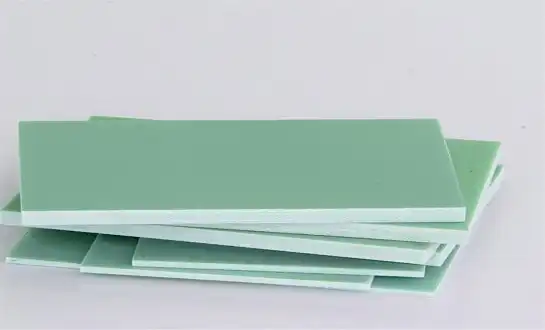
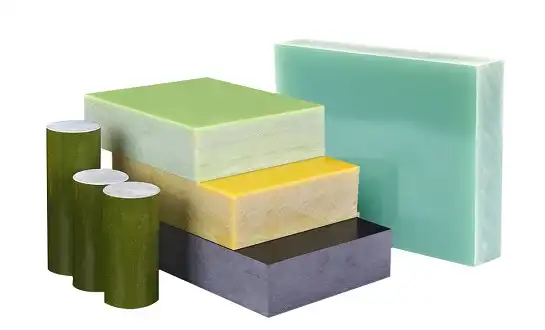
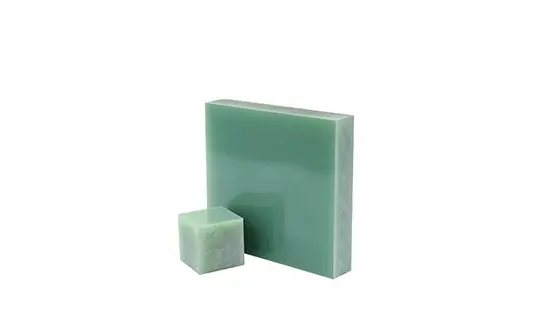
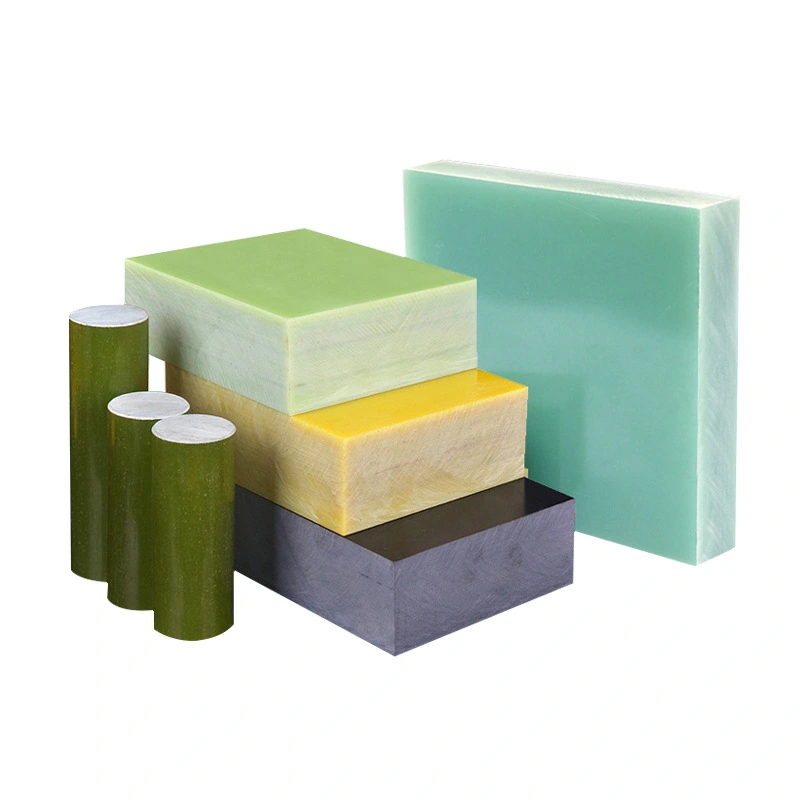
When processing epoxy sheet materials like FR4, G10, and phenolic laminates, choosing between a CNC router and milling machine significantly impacts production efficiency and part quality. Epoxy sheet is a high-pressure thermosetting composite requiring precise machining approaches to prevent delamination or thermal damage. CNC routers offer speed and precision for complex contours, while milling machines deliver robust performance for thicker materials. Understanding these differences helps engineering managers optimize machining strategies for electrical insulation components, PCB supports, and structural parts.
Understanding Epoxy Sheet Processing Requirements
Material Characteristics and Machining Challenges
Epoxy sheets differ fundamentally from thermoplastic materials due to their irreversible curing process. These high-pressure industrial laminates consist of continuous filament glass cloth bonded with epoxy resin binders, creating materials with exceptional dielectric strength and mechanical stability. The rigid molecular structure resists melting but generates significant heat during cutting operations. This thermal sensitivity creates unique challenges: excessive heat causes resin softening, while improper tool engagement triggers micro-fractures along fiber layers.
Processing facilities must address three critical concerns. Delamination occurs when cutting forces separate glass cloth layers from the resin matrix, compromising electrical insulation properties. Edge chipping happens when brittle resin shatters under improper tool loads, creating defects in precision components. Dimensional stability depends on controlling heat accumulation, as temperature spikes cause warping in thin sections. Engineering teams must select machining parameters that balance material removal rates against thermal management.
Industry-Specific Processing Standards
Different sectors impose varying requirements on epoxy laminate processing. Power distribution applications demand tight tolerances for transformer standoff insulators, where dimensional accuracy within 0.05mm ensures proper voltage spacing. PCB substrate manufacturing requires burr-free edges to prevent short circuits in densely packed electronic assemblies. Automotive battery barriers need consistent surface finishes to maintain thermal insulation performance across production batches.
Compliance standards shape processing decisions significantly. UL-certified components require documented machining procedures that preserve flame resistance ratings. ROHS-compliant manufacturing restricts cutting fluids to environmentally approved formulations. Aerospace applications mandate complete traceability of processing parameters, linking each finished part to specific tool conditions and quality inspection results. These requirements influence equipment selection beyond basic cutting capabilities.
CNC Router vs Milling Machine: Core Differences in Epoxy Sheet Processing
CNC Router Capabilities and Advantages
CNC routers excel at high-speed processing of thinner epoxy laminates, typically handling materials from 0.5mm to 12mm thickness efficiently. These machines employ lightweight gantry systems and high-speed spindles reaching 24,000 RPM, enabling rapid traversal across large work surfaces. The design philosophy prioritizes cutting velocity over rigidity, making routers ideal for complex geometries in PCB substrates and insulation panels.
Tool engagement characteristics favor routers for specific applications. Smaller diameter end mills (1.5mm to 6mm) generate lower cutting forces, reducing delamination risks in thin FR4 sheets. Vacuum table workholding distributes clamping pressure evenly, preventing sheet warping during processing. Multiple tool changers allow automated switching between roughing, finishing, and drilling operations without manual intervention, accelerating production cycles for electrical component manufacturers.
Surface finish quality from router operations on epoxy sheet typically achieves Ra values between 1.6 and 3.2 microns when properly configured. The high spindle speeds create shearing action rather than tearing, producing cleaner edges on fiberglass-reinforced materials. This advantage proves critical for motor component insulators where surface irregularities create partial discharge risks in high-voltage applications.
Milling Machine Strengths and Applications
Milling machines bring superior structural rigidity to epoxy processing, particularly valuable for thicker laminates exceeding 12mm. Heavy cast-iron machine bases and linear guideways resist deflection under cutting loads, maintaining precise tool positioning when machining gear blanks or structural spacers. Spindle systems deliver higher torque at lower speeds (4,000-12,000 RPM), enabling aggressive material removal in thick phenolic sheets.
Rigidity translates directly to dimensional accuracy improvements. Milling centers routinely hold tolerances within 0.02mm across repeated production runs, essential for transformer coil insulation components requiring exact fitment. The robust construction handles interrupted cuts without vibration, processing epoxy laminates with embedded metal inserts that would damage lighter router systems.
Thermal management capabilities favor milling machines for demanding applications. Enclosed work zones facilitate flood coolant systems that actively dissipate heat generated during deep pocket milling operations. This controlled cooling prevents resin softening in thick sections, maintaining material properties throughout machining. Automotive battery barrier production particularly benefits from these capabilities when processing multi-layer laminated structures.
Comparative Performance Analysis
Machining speed differences become apparent in production scenarios. CNC routers typically complete part cycles 30-40% faster when processing thin insulation panels with complex perimeter cuts, thanks to rapid positioning speeds exceeding 60 meters per minute. Milling machines demonstrate superiority in heavy stock removal operations, where their ability to sustain 8mm depth-of-cut passes outpaces multiple shallow router passes.
Cost efficiency calculations must consider total production requirements. Router systems generally command lower initial investment, with capable industrial models available at competitive price points. Lower energy consumption during operation further reduces per-part costs for high-volume PCB component manufacturing. Milling machines justify higher capital expenditure through versatility, handling diverse materials from epoxy laminates to aluminum fixtures using the same platform, eliminating dedicated equipment needs.
Equipment selection aligns with production portfolio characteristics. Facilities producing primarily thin-sheet electrical insulators with intricate profiles achieve optimal ROI through router investment. Operations manufacturing diverse mechanical components across various materials realize better value from milling center flexibility. Companies processing thick structural laminates for power distribution equipment benefit from milling machine capability to handle demanding stock removal requirements.
Application Techniques and Best Practices for B2B Clients
Optimizing CNC Router Operations
Successful router processing begins with appropriate tooling selection. Carbide end mills with specialized geometries for composites feature sharper cutting edges and polished flute surfaces that reduce friction heating. Compression-cut tools combine upcut and downcut spiral geometries, simultaneously holding top and bottom surfaces to prevent delamination during through-cutting operations. Diamond-coated bits extend tool life significantly when processing abrasive glass-reinforced epoxy grades.
Spindle speed and feed rate relationships require careful calibration. Higher spindle speeds between 18,000-24,000 RPM reduce cutting forces per tooth engagement, minimizing material stress. Feed rates must balance production speed against chip evacuation efficiency—typically 2-4 meters per minute for finishing passes on FR4 materials. Chip thickness parameters directly impact edge quality, with optimal values ranging from 0.05mm to 0.15mm depending on tool diameter and material thickness.
Vacuum workholding systems demand attention to surface preparation. Epoxy sheets require clean, flat contact against vacuum tables to ensure uniform clamping pressure distribution. Insufficient vacuum strength allows material lifting during cutting, causing dimensional inaccuracies. Proper system design maintains minimum 15 inches of mercury vacuum across the work surface, with zoned control isolating hold-down force to actual part geometry rather than scrap areas.
Maximizing Milling Machine Performance
Fixture design critically influences milling outcomes for epoxy laminates. Mechanical clamping must distribute forces broadly to prevent local crushing of brittle resin matrices. Dedicated soft-jaw designs conforming to part geometry spread clamping loads while maintaining access for tool approach angles. Quick-change fixturing systems accelerate setup transitions between different insulation component designs, improving overall equipment effectiveness.
Tool path strategies differ substantially from soft metal machining. Conventional cutting (where tool rotation opposes feed direction) generates lower exit forces, reducing delamination at cut completion. Climb milling applications require careful consideration, used selectively for improved surface finish on final passes. Depth-of-cut progression typically employs multiple passes at 50-60% of tool diameter per level, balancing material removal rates against thermal buildup.
Coolant management extends beyond basic chip flushing. Mist cooling systems deliver precise fluid volumes that prevent resin saturation while controlling temperature. Air blast cooling provides alternative solutions for applications where liquid contamination concerns exist, such as electrical insulation parts requiring pristine surfaces. Temperature monitoring during extended machining runs prevents cumulative heat effects that compromise dimensional stability in large structural components.
Post-Machining Quality Assurance
Dimensional verification protocols ensure finished components meet specification requirements. Coordinate measuring machines provide comprehensive inspection data for critical features like hole positions in transformer terminal boards. Optical comparators enable rapid edge quality assessment, detecting micro-cracks or delamination not visible during visual inspection. Statistical process control charts track dimensional trends across production batches, identifying tool wear or parameter drift before defects occur.
Surface finish evaluation goes beyond basic roughness measurements. Microscopic examination reveals fiber pullout or resin smearing that compromises electrical performance in high-voltage insulation applications. Contact angle testing assesses surface energy changes from machining, critical for subsequent bonding operations in laminated assemblies. These inspections validate process parameters deliver consistent results meeting customer specifications.
Defect remediation techniques address minor imperfections without scrapping components. Edge deburring using fine abrasive methods removes micro-burrs while preserving dimensional accuracy. Controlled flame polishing smooths minor surface irregularities on phenolic materials, though thermal sensitivity limits applicability on certain epoxy grades. Documentation of any rework operations maintains traceability for quality certifications required in automotive and aerospace supply chains.
Procurement Considerations: Choosing the Right Equipment for Your Business
Evaluating Production Requirements
Equipment selection starts with comprehensive analysis of your component portfolio. Catalog all epoxy laminate parts by thickness range, complexity level, tolerance requirements, and production volumes. This mapping reveals patterns guiding rational equipment decisions—if 80% of parts fall below 8mm thickness with intricate profiles, CNC routers align with operational needs. Conversely, portfolios dominated by thick structural laminates with simpler geometries favor milling machine capabilities.
Production volume projections for epoxy sheet influence capacity planning significantly. High-volume PCB support component manufacturers processing thousands of parts monthly justify investment in dedicated routing systems with automated loading capabilities. Lower-volume specialty insulation producers benefit from milling machine versatility, utilizing the same equipment for epoxy processing alongside other materials without dedicated machinery costs. Batch size considerations affect setup time sensitivity, where quick-change fixturing becomes valuable for frequent product changeovers.
Tolerance analysis determines necessary precision levels. Power distribution insulators requiring 0.02mm positional accuracy demand equipment with thermal compensation and precision ball screw drives found in quality milling centers. Electrical enclosure components with 0.1mm tolerances achieve satisfactory results on well-maintained router platforms at lower investment levels. Honest assessment of actual requirements prevents over-specification costs while ensuring equipment meets genuine production needs.
Total Cost Ownership Analysis
Initial capital investment represents only the beginning of financial considerations. CNC routers generally require lower upfront expenditure, with industrial-grade systems suitable for epoxy processing available at competitive pricing. Installation costs remain modest, typically involving electrical connections and dust collection integration. Milling machines command higher purchase prices reflecting their robust construction, with additional costs for foundation preparation and coolant system installation.
Operational expenses accumulate throughout equipment lifecycles. Energy consumption differs substantially—router systems drawing 5-10 kW during operation versus milling machines consuming 15-25 kW depending on spindle capacity. Tooling costs vary by application, with diamond-coated router bits lasting 3-5 times longer than standard carbide, offsetting higher initial prices. Milling operations consume greater tool volumes during heavy stock removal but enable processing of diverse materials spreading costs across broader production bases.
Maintenance requirements impact long-term ownership costs. Router systems need regular spindle bearing inspection and vacuum pump servicing, with typical annual maintenance consuming 2-3% of equipment value. Milling machines require more extensive preventive maintenance including way lubrication, coolant system management, and ball screw inspection, typically 3-5% of equipment value annually. Spare parts availability and local service support influence downtime costs, making established brand presence in your region valuable.
Supplier Selection Criteria
Technical support quality separates exceptional suppliers from commodity vendors. Equipment providers offering application engineering assistance help optimize processing parameters for your specific epoxy laminate grades. On-site installation support ensures proper machine setup, critical for achieving rated performance capabilities. Ongoing technical consultation addresses emerging challenges as product requirements evolve, providing value far beyond initial equipment delivery.
Training programs develop operator competency essential for maximizing equipment potential. Comprehensive training covers not only basic operation but also troubleshooting methodologies and preventive maintenance procedures. Advanced courses address optimization techniques specific to composite machining, including thermal management strategies and tool life extension practices. Investment in operator knowledge pays dividends through improved part quality and reduced scrap rates.
Customization capabilities for machining epoxy sheet allow equipment adaptation to unique requirements. Suppliers offering fixture design services create workholding solutions optimized for your component geometries. Custom software integration connects machining equipment with production management systems, enabling data-driven process optimization. These tailored solutions transform standard equipment into competitive advantages for your specific manufacturing environment.
Case Studies: Successful Epoxy Sheet Projects Using CNC Routers and Milling Machines
Electronics Manufacturer Routing Implementation
A major electrical components producer faced throughput bottlenecks processing FR4 insulation panels for switchgear assemblies. Their existing manual cutting methods limited production to 200 parts daily while struggling to maintain 0.1mm tolerance requirements. Edge quality issues caused 8% rejection rates, impacting delivery commitments to automotive clients requiring certified insulation components.
Implementation of a dedicated CNC routing system transformed their production capabilities. The automated platform integrated vacuum workholding with optical edge detection, eliminating manual positioning errors. Optimized tool paths reduced cycle time per part from 12 minutes to 4.5 minutes, tripling effective capacity. Diamond-coated compression bits maintained consistent edge quality across 5,000-part tool life, dramatically reducing bit change frequency.
Results exceeded projections across multiple metrics. Daily production capacity increased to 720 parts using two-shift operations, eliminating backlog conditions. Rejection rates dropped to 1.2% through consistent automated processing, improving material utilization. The return on investment materialized within 14 months through labor reduction and increased throughput, validating their equipment selection strategy.
Aerospace Component Milling Application
An aerospace insulation supplier needed to machine thick G10 epoxy laminates into precision spacers for cryogenic applications. Parts required 0.02mm tolerance on critical dimensions while maintaining mechanical properties at extreme low temperatures. Their existing router equipment struggled with 15mm thick material, experiencing tool deflection and inconsistent dimensions across production batches.
A precision milling center addressed their technical challenges effectively. The rigid machine structure eliminated deflection issues when machining thick sections, consistently holding specified tolerances. Programmable coolant delivery managed heat generation during extended machining cycles, preventing thermal degradation of material properties. Automated tool measurement compensated for wear, maintaining dimensional accuracy throughout production runs.
Performance improvements validated the investment decision. Dimensional variation reduced from 0.08mm range to 0.015mm, meeting aerospace certification requirements. Material property testing confirmed machined parts retained cryogenic performance specifications, eliminating previous rejection issues. Production lead times decreased 35% through higher first-pass yield rates, strengthening their competitive position in demanding aerospace supply chains.
Conclusion
Selecting between CNC routers and milling machines for epoxy sheet processing requires matching equipment capabilities to your specific production requirements. Routers deliver speed and precision for thin materials with complex geometries, ideal for high-volume PCB components and electrical insulation panels. Milling machines provide rigidity and power for thicker laminates demanding tight tolerances in structural applications. Successful implementation depends on understanding material characteristics, optimizing machining parameters, and partnering with suppliers offering comprehensive technical support. Strategic equipment investment, guided by total cost analysis and portfolio requirements, positions manufacturers to meet evolving market demands while maintaining quality standards essential for electrical, automotive, and aerospace applications.
FAQ
Which Machine Handles Thin Epoxy Laminates Better?
CNC routers demonstrate clear advantages for epoxy sheets below 8mm thickness. Their high-speed spindles and lightweight gantry systems minimize cutting forces that cause delamination in thin FR4 materials. Vacuum workholding distributes pressure evenly across delicate sheets, preventing warping during processing. Routers efficiently handle the complex contours typical in PCB substrates and electrical insulation panels where thin materials predominate.
How Does Epoxy Resin Curing Affect Production Schedules?
Epoxy materials arrive fully cured, but machining generates heat that temporarily softens resin matrices. Excessive temperatures during cutting can cause dimensional changes as parts cool, requiring extended stabilization periods before final inspection. Proper parameter selection controls heat generation, allowing immediate quality verification. Production planning must account for potential delays when processing thick sections where heat accumulation becomes significant, typically adding 2-4 hours cooling time for structural laminates exceeding 20mm thickness.
What Safety Protocols Are Essential During Cutting Operations?
Epoxy machining generates fine glass fiber dust requiring robust collection systems and respiratory protection. Dust extraction equipment must capture particles at the cutting point before they become airborne. Operators should wear appropriate respiratory protection rated for fiberglass particulates. Eye protection guards against fiber fragments ejected during cutting. Proper ventilation maintains air quality in production areas, preventing cumulative exposure to resin dust that poses long-term health risks.
Partner with J&Q for Superior Epoxy Sheet Processing Solutions
J&Q brings over two decades of epoxy sheet manufacturing expertise directly to your processing challenges. Our comprehensive understanding of FR4, G10, and phenolic laminate materials helps engineering teams select optimal machining approaches for their specific applications. Beyond supplying premium-quality insulation materials, we provide technical consultation on processing parameters that maximize tool life and part quality. Our integrated logistics capabilities ensure reliable delivery schedules supporting your production commitments.
Working with an experienced epoxy sheet manufacturer creates competitive advantages throughout your supply chain. We maintain rigorous quality systems ensuring every shipment meets UL and ROHS compliance standards critical for electrical applications. Technical support extends beyond material delivery—our applications engineers assist with troubleshooting machining challenges and optimizing processing workflows. Contact us at info@jhd-material.com to discuss your epoxy laminate requirements and discover how our manufacturing partnership approach delivers measurable value to procurement teams seeking reliable, high-quality insulation materials with comprehensive technical support.
References
Smith, J.L., & Anderson, K.R. (2021). Advanced Machining of Composite Materials: Techniques and Applications. Industrial Press Manufacturing Series.
Chen, W., & Roberts, M.A. (2020). CNC Router Technology for Laminated Composites. Journal of Manufacturing Processes, 45(3), 234-248.
Thompson, R.E. (2022). Precision Milling Strategies for Thermoset Polymers. Manufacturing Engineering Quarterly, 38(2), 112-127.
National Electrical Manufacturers Association. (2021). NEMA LI-1 Standards for Industrial Laminating Materials. NEMA Publications.
Davidson, P.H., & Liu, S. (2020). Thermal Management in Composite Machining Operations. International Journal of Advanced Manufacturing Technology, 67(4), 891-906.
Martinez, A.C., & Wilson, T.K. (2022). Equipment Selection Guide for Electrical Insulation Manufacturing. Society of Manufacturing Engineers Technical Paper Series.

Get a complete product list and quotation
J&Q New Composite Materials Company