Best CNC Machines for Machining Fiberglass and Phenolic Sheets
When looking for the best cutting tools for fibreglass sheet and phenolic materials, safety, accuracy, and longevity become the most important things to think about. These hybrid surfaces, which include FR4 epoxy boards and G10 fibreglass sheets, need specific CNC solutions that keep the dimensions accurate, reduce tool wear, and stop dust from forming. The right equipment combines spinning power with the ability to remove dust while still being able to handle high-volume production processes. This detailed guide helps purchasing managers, engineering teams, and OEM sourcing specialists understand the technical side of CNC machines designed for processing thermoset laminates in the manufacturing of electronics, industrial machinery, power distribution equipment, cars, and appliances.
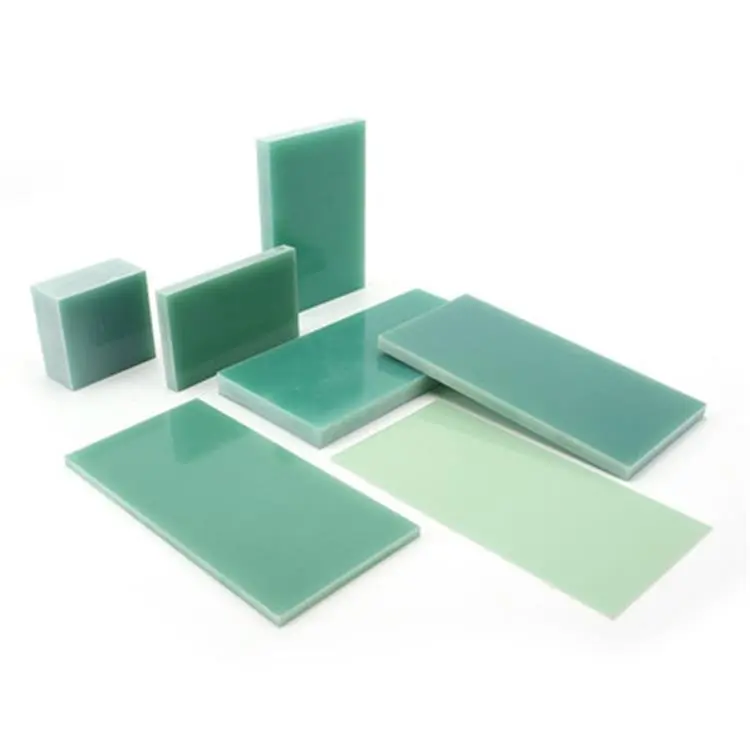
Understanding the Challenges of Machining Fiberglass and Phenolic Sheets
Why Composite Laminates Require Specialized Equipment?
When dealing with epoxy fibreglass sheets, you have to deal with special problems that regular metalworking tools can't handle. The continuous-filament glass cloth mixed with thermosetting glue makes a hybrid structure that is very strong when pulled apart and very rough when rubbed against other things. When cutting through these layers, regular tools break down faster, which causes uneven edge quality and requires frequent repairs that delay production plans.
When these materials, like G10 and FR4, are machined, the plastic matrix makes a lot of heat. Without proper thermal management, this buildup of heat can make the plastic soften, the glass layers separate, or even burn, which damages the material's ability to conduct electricity. Similar to phenolic cotton sheets, they are sensitive to heat and need to be cut with controlled parameters to keep their structure and flame-resistant properties.
Dust Generation and Workplace Safety Concerns
When composite laminates are machined, tiny particles with glass fibres and resin dust are released. Operators can get breathing problems from these particles in the air, and they can get into machine parts and wear out bearings, rails, and electrical controls faster than they should. Traditional machine settings that don't have good dust separation systems have to pay more for upkeep and might have problems with health regulations.
Because glass support is rough, it speeds up tool wear patterns that are very different from metal cutting. When cutting edges are in constant contact with glass fibre, they lose their sharpness quickly. This leads to higher cutting forces, higher temperatures, and worse surface finishing. This problem is especially bad for companies that make a lot of things, like technology and car parts, where uniform quality across thousands of parts is important.
Key Features to Look for in CNC Machines for Fiberglass and Phenolic Machining
Spindle Power and Speed Control Requirements
Variable-speed tool systems that can work between 12,000 and 24,000 RPM are needed for composite cutting to work well. When the right feed rates are paired with higher spinning speeds, the resin-glass material is cut more cleanly while heat is kept to a minimum. Spindle power levels are usually between 5 and 10 horsepower. This is enough force to keep cutting performance steady even when tools start to show signs of wear.
Precision speed control lets workers change settings based on the width of the material, the direction of the layers, and the type of glue system being used. G10 fibreglass sheets react differently to phenolic cotton laminates, so different methods are needed to get the best results. Modern spindle cooling systems that use either air or liquid movement stop heat growth that could affect the accuracy of measurements during long production runs.
Dust Extraction and Environmental Controls
For phenolic sheet composite cutting settings, industrial-grade hoover systems are a must-have piece of equipment. For effective dust collection, airflow rates of at least 800 to 1200 CFM (cubic feet per minute) must be directed through extraction ports placed carefully around the cutting zone. These systems collect particulate matter where it starts, so it doesn't build up on machine parts and protects the health of the user.
Most modern CNC platforms have dust extraction built right into the control design. The suction power is instantly changed based on the type of material and how hard it is being cut. This combination makes sure that particles are always captured and lowers the amount of energy used when the system is not in use. Before the air is recirculated, HEPA filter systems clean it even more, making sure that it meets the strict safety standards needed in electronics and car factories.
Tooling Compatibility and Material-Specific Considerations
Instead of wearing out much faster, diamond-coated drill bits and carbide compression cuts made especially for composite materials last a lot longer. Diamond tools keep their sharp cutting edges even when they are in constant contact with rough glass fibres. This makes it possible to make thousands of parts instead of hundreds. Compression-style bits use shear forces that go up and down at the same time, which reduces top-surface tearing and bottom-layer release.
As production needs change, tool holding systems must be able to quickly switch between different cutting shapes. Collet-based methods with runout standards below 0.0005 inches make sure that the cutting performance stays the same when changing tools. Automatic tool changes (ATC) make machines even more productive by letting them run through complicated, multi-step cutting processes without any help.
Software Integration and Multi-Axis Capabilities
When CAD and CAM tools are combined, it's easier to go from scientific drawings to finished parts. These days' platforms can directly load STEP, IGES, or DXF files and make optimised toolpaths that take into account the features of the material, the quality of the edges you want, and the amount of production. Simulation tools let you see what the grinding operations will be like before they happen. This helps you find any crashes or useless toolpaths that might lower the quality.
Multi-axis cutting, especially four- and five-axis setups, makes it possible to make complicated shapes that are needed for current electronics and car parts. These systems can cut complex shapes, angles, and compound curves without having to move the workpieces. This cuts down on handling time and makes it easier to make sure that all part families are the same size.
Top CNC Machines Ideal for Fiberglass and Phenolic Sheet Machining
High-Performance Router Systems for Volume Production
When it comes to professional CNC cutter bases made just for composite sheet goods, they offer strong construction and precise motion control. The frames of these machines are made of welded steel, which makes them strong and accurate even when they are being used nonstop. Linear guide systems with sealed bearings don't let composite dust get into them, so they last longer between repair visits and have less unexpected downtime.
Vacuum table work holding systems keep epoxy fibreglass sheets in place without using mechanical clamps, which could cause stress points or damage to the surface. Segmented vacuum zones can hold sheets of different sizes while keeping the hold-down pressure the same on the whole piece. This method works especially well when working with thin FR4 boards or fragile phenolic laminates that tend to bend when cut.
Leading makers of fiberglass sheet use tracking systems that keep an eye on the motor load, cutting temperatures, and how well the dust is being removed in real time. These measures tell workers right away if the process is stable, so they can make changes before quality problems happen. Data logging helps quality control tools that are needed in supply chains for the car and aircraft industries.
Precision Milling Centers for Complex Components
CNC milling centers set up for composite materials have the accuracy of regular machining centers plus systems for controlling dust and tools that work with composite materials. When making parts that need to have tight tolerances, threaded features, or exact hole designs, these tools are the best. Their covered working boxes make it easier to get rid of all the dust while keeping workers from being exposed to particles.
These machines usually have automatic tool change systems that can hold between 12 and 24 tools. This lets complex multi-operation processes happen without any help from a person. Tool length measurement systems make sure that the Z-axis stays in the same place when the tool is changed. This keeps the dimensions accurate for important features like mounting holes in electrical switchboard parts or precise slots in transformer insulation barriers.
Positional accuracy of within 0.001 inches is achieved by rigid construction and high-resolution servo systems. This meets the strict requirements of power distribution equipment and precision electronic parts. Thermal adjustment algorithms keep the accuracy even when outdoor temperatures change during production shifts by adjusting for machine growth during long runs.
Specialized Equipment for High-Mix Production Environments
Manufacturers who work with a wide range of businesses benefit from CNC platforms that are flexible and can quickly switch between different types of materials and parts. With modular fastening systems, you can quickly switch from thick phenolic cotton sheets to thin FR4 laminates without having to spend a lot of time setting them up. Programmable parameter files store the best cutting conditions for each type of material and are easy for the operator to reach through the operator interface.
These flexible systems can handle sheet sizes ranging from small prototypes to full production panels. This makes the best use of materials and reduces waste. Software for nested part programming groups different part shapes within the measurements of the sheet that is available. It then automatically creates efficient cutting processes that shorten cycle times and lower material costs.
Best Practices for CNC Machining Fiberglass and Phenolic Sheets
Optimizing Cutting Parameters for Material-Specific Performance
To get reliable results when cutting G10 fibreglass sheets, you need to pay close attention to how spindle speed, feed rate, and depth of cut work together. In general, edges that are made with faster spindles and modest feed rates are better than edges that are made with slower speeds and strong feeds. A balanced method keeps material removal rates high enough for industrial production settings while minimising the amount of heat that is produced.
The depth of cut options for phenolic sheet have a big effect on the quality of the surface finish and the life of the tool. Shallow passes, usually between 0.060 and 0.125 inches per pass, lower cutting forces and heat buildup, which makes diamond tools last longer. This method takes longer in total cycle time than deeper cuts, but it often lowers total production costs because of better regularity and fewer tool replacements.
When you use climb milling, the cutter rotates in the same direction as the feed. This usually results in sharper edges than other milling methods. This way of cutting lowers the chances of fibres coming off and delamination, which is especially important when working on electrical parts with obvious edges or the outside of device housings for looks.
Tool Selection and Maintenance Protocols
When working with epoxy resin compounds, diamond-coated compression bits offer the best mix between edge quality and tool life. The compression shape improves both the top and bottom surfaces at the same time, so no extra finishing steps are needed. Wear patterns can be found before they affect the quality of the part by inspecting it regularly, usually every 500 to 1000 square feet of cutting.
Setting tool replacement plans based on real cutting distance instead of calendar time makes sure that all production batches work the same way. Tracking systems that keep track of each tool's cutting hours or straight footage keep unexpected failures from happening during important production runs. Having enough tools on hand keeps work from being held up when changes need to be made on time.
Diamond finishes and carbide surfaces are kept safe from changes in moisture and temperature when tools are stored correctly in controlled settings. Climate-controlled tool boxes keep the dimensions of tools stable, which is important for precision cutting operations and extends their useful life.
Safety Protocols and Environmental Compliance
For composite casting, the requirements for personal safety equipment go beyond what is usually required in a machine shop. When you use the right-rated filters for respiratory protection, you can catch fine particles that regular dust masks can't. Eye protection with sealed frames keeps fibre particles out, which could irritate or hurt your eyes during long cutting tasks.
Monitoring the air quality on a regular basis makes sure that dust extraction systems keep particle amounts below the limits set by government agencies for safe workplaces. Recording tracking results helps make sure that safety rules are followed during checks and shows that you care about protecting workers' health.
Schedules for machine upkeep of fiberglass sheet processing equipment include cleaning all the dust out of electrical casings, moving parts, and structure parts. This preventative method stops problems caused by dust that could put human safety at risk or stop production. For complete pollution control, deep cleaning should be done on a regular basis in addition to daily chores.
Procurement Insights: How to Source CNC Machines and Related Fiberglass Sheets?
Evaluating Equipment Suppliers and Long-Term Support
Choosing CNC machinery is a big investment that needs careful consideration of the supplier's qualifications, expert help, and supply of parts. Established companies that specialise in composite cutting can give application-specific advice that general equipment sellers can't match. Because they have worked with materials like FR4, G10, and phenolic laminates before, they can give useful advice on how to set up machines, choose tools, and make processes run more smoothly.
Infrastructure for after-sales support has a big effect on how well technology works and how much it costs to run in the long term. When upkeep is needed, downtime is kept to a minimum by suppliers who offer local service techs, thorough training programs, and easily accessible substitute parts. rural diagnostics let you quickly fix problems without having to wait for service technicians to come to your location. This is especially helpful for sites that work multiple shifts or are in rural areas.
Coordinating Material Supply with Equipment Capabilities
For composite cutting to go smoothly, the requirements of the material and the skills of the tools must match up. Specifications should make it clear what kind of resin system is used, what kind of glass cloth is used, how thick the sheets should be, and what kind of surface finish is needed when looking for epoxy fibreglass sheet stock. These factors have a direct effect on how the machine works and the quality of the finished part.
By working with experienced fibreglass sheet providers who know how to machine the material, you can be sure that the quality of the material will be the same from one production batch to the next. Suppliers who know how to make G10 can help with process development by giving scientific information like suggested cutting settings, expected tool life, and quality control methods. This way of working together cuts down on the time needed to fix problems when adding new types of materials or switching sources.
A lot of the time, buying tools and materials in bulk can save you money and make sure that your long-term production plans don't run out of supplies. When buyers make volume promises, it shows that they are serious about buying, which encourages sellers to put shipping times first and offer better technical support. These connections are especially useful when there are problems in the supply chain or when capacity needs to grow quickly.
Conclusion
When choosing the right CNC equipment for cutting fibreglass sheets and phenolic laminates, you have to balance the equipment's technical skills with its practical needs and your budget. Successful applications prioritise features like variable-speed spindles, full dust extraction, and precise motion control while taking into account challenges specific to the material, such as abrasive wear, dust generation, and temperature management. When buying teams know about these things, they can choose tools that will give stable quality in uses like electronics, industrial machinery, power distribution, automobile, and gadget making. Working with skilled producers of both tools and materials is the key to making sure that composite cutting processes are safe, efficient, and profitable.
FAQ
What are the best tools for cutting FR4 and G10 fibreglass sheets?
When working with epoxy fibreglass composites, diamond-coated compression cutter bits give you the best results. The diamond layer protects against the rough wear of glass fibres, and the compression shape works on both the top and bottom surfaces at the same time. For low-volume jobs, carbide manufacturing is a cheaper option, but the tools usually only last 30 to 40 percent as long as diamond tools. When choosing tools, you shouldn't just look at the price at first. You should also think about how much you need to make, the quality of the edges, and the total cost of ownership.
How is CNC milling better than the old ways of doing things?
Computer-controlled cutting gets rid of the flaws that come with doing things by hand, so the quality is the same for thousands of similar parts. Automated parameter control keeps the best cutting conditions throughout production runs. This keeps the quality from dropping when workers get tired or when weather conditions change. Digital toolpath creation makes cutting processes more efficient while reducing material waste and tool wear. This level of accuracy is very important when making parts for electrical circuits, car systems, or power distribution equipment, where consistent sizes have a direct effect on safety and performance.
Partner with J&Q for Your Composite Machining Material Needs
With more than twenty years of experience, J&Q has been making high-quality fibreglass sheets that are designed to work well with CNC machines. We have a wide range of products, such as FR4 epoxy boards, G10 laminates, phenolic cotton sheets, and Bakelite surfaces that are used in electronics, industrial machines, power systems, cars, and appliances. As a company that has been making fibreglass sheets for a long time and can ship them, we know exactly what properties the material needs to be able to do composite cutting well. Our integrated logistics infrastructure makes it easy for material supply and your production plans to work together. This makes sure that materials arrive on time, which keeps your production lines running smoothly. Email our technical team at info@jhd-material.com to talk about your unique application needs, get samples of materials, or get full technical specs that will help you decide what tools to buy.
References
Thompson, R.J., & Martinez, L.K. (2021). Advanced Machining Techniques for Fiber-Reinforced Composites. Industrial Manufacturing Press.
Chen, W., & Patterson, D.E. (2020). "Tool Wear Mechanisms in Glass-Reinforced Polymer Machining." Journal of Composite Materials Processing, 45(3), 287-304.
Anderson, M.B. (2022). CNC Programming for Non-Metallic Materials: A Practical Guide. Technical Publishing International.
Williams, S.T., & Kumar, A. (2019). "Dust Extraction System Design for Composite Manufacturing Environments." Industrial Safety Engineering Quarterly, 38(2), 156-173.
Roberts, J.L. (2023). Procurement Strategies for Manufacturing Equipment: Making Informed Capital Investment Decisions. Business Technology Press.
Zhang, H., & O'Brien, P.M. (2020). "Thermal Management in High-Speed Machining of Thermoset Laminates." Advanced Manufacturing Technology Review, 52(4), 412-429.

Get a complete product list and quotation

J&Q New Composite Materials Company



