Common Problems in FR4 CNC Machining and How to Solve Them
When makers use CNC machines to cut FR4 sheets, they run into a certain set of problems that can have a big effect on the quality and speed of production. The cutting properties of these composite materials, which are made up of knitted fibreglass cloth that has been mixed with epoxy glue, are very different from those of metals or plastics. Damages most often seen are layers coming apart, edges breaking during cutting, too much tool wear that raises costs, thermal damage from too much heat buildup during processing, and errors in measurements that make the end product not fit or work properly. For engineering managers, procurement workers, and manufacturing teams that need constant, high-quality results in their electrical insulation and PCB support applications, it's important to understand these issues and use tried-and-true solutions.
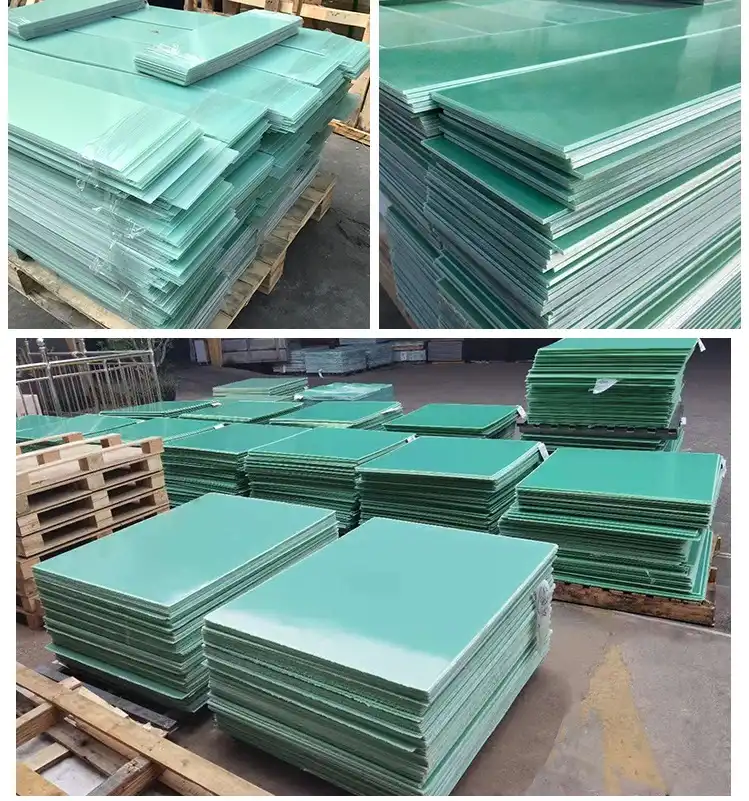
Understanding Common Problems in FR4 CNC Machining
The layered structure of FR4 epoxy board makes it more vulnerable to CNC processes than materials that are all the same. Cutting forces affect each layer of fibreglass reinforcement that is linked together by epoxy resin in a different way. This creates complex stress patterns that can cause the material to break if they are not handled properly.
Delamination During Cutting Operations
When the link between layers of fibreglass weakens or breaks during cutting, this is called delamination. Layer separation along cut edges or drilled holes is a common sign of this flaw. The issue is caused by wrong cutting settings that cause too much shaking or heat, which breaks down the epoxy resin matrix that connects the layers. If the feed rates are too fast or the spinning speeds are too slow for the thickness of the material, the cutting forces will pull the layers apart instead of cutting through the material neatly. This problem is especially bad for things that need to be very precise with their sizes, like switchgear parts or motor insulation frames, where the strength of the structure directly impacts electrical safety and mechanical performance.
Edge Chipping and Surface Quality Issues
Maintaining clean edge lines is harder than it sounds because fibreglass support is rough. Edge chipping happens when cutting tools leave the material, leaving small cracks around the edges. In this case, the fibreglass strands are pulled or torn from the resin matrix instead of being cut neatly. The fact that hardened epoxy glue is easily broken makes this problem worse, especially when tools are dull from use. Rough surfaces and smeared glue also lower the quality of the part by making areas that don't meet requirements for electrical clearance or mechanical fit. Because of these flaws, more work needs to be done on the finishing, which takes longer and costs more.
Accelerated Tool Wear and Replacement Cycles
The glass fibre in FR4 materials acts on cutting edges like a huge number of tiny rough bits. Even though carbide tools are harder than high-speed steel options, they still wear out quickly when working with fiberglass-reinforced composites. This faster wear and tear shows up as weakened cutting edges, higher cutting forces, higher temperatures, and finally, catastrophic tool failure. The effect on the economy goes beyond the cost of new parts; worn tools lead to worse surface finishing, measurement shift, and higher refusal rates. When factories handle a lot of insulation sheets, they have to spend a lot of money on tools, which makes it harder for them to compete in markets where prices are important.
Thermal Damage from Heat Accumulation
Metals are good at moving heat away from cutting areas, but FR4 sheet epoxy materials aren't very good at it. During cutting, heat builds up in the part, which can damage the epoxy resin matrix by raising the temperature in that area. When the temperature goes above the glass transition point of the material, the plastic softens and loses its shape and structure. This heat damage shows up as spots that aren't the same colour, surface glazing, or localised distortion around machined parts. The problem gets worse during long production runs or when cutting thick pieces, where heat has fewer ways to escape. Parts that have been damaged by heat often fail electrical tests or break down early in service because the material qualities have been weakened.
Dimensional Inaccuracies and Tolerance Drift
Consistently accurate measurements across production runs is always hard to do. Differences in the materials used in different batches cause cutting to behave differently, which changes the finished measurements. Also, the pressures inside layered FR4 materials can come loose during cutting, which can make parts twist or bend after they are taken off of the fixture. Because the glass fibre and polymer parts have different coefficients of thermal expansion, changes in temperature in the production setting can make the dimensions less stable. These differences make it hard to use precision parts in places like car battery pack barriers or power distribution equipment that needs to be very accurate to make sure it fits together correctly and has enough electrical space.
Analyzing Causes and Machining Principles for FR4
To figure out why grinding problems happen, you need to look at both the qualities of the material and the factors of the process. Because FR4 is a hybrid material, it doesn't behave in ways that follow the usual rules for cutting materials that are all the same.
Material Properties Affecting Machinability
The flame-retardant epoxy resin system used in FR4 is great at blocking electricity and meets UL94 V-0 standards for flammability. However, this chemistry makes the material rigid, which changes how it cuts. FR4 is great for electrical uses because the dielectric constant stays the same across a wide range of temperatures. However, this thermal stability means that the material doesn't soften reliably when cut with heat like thermoplastics do. There are differences in mechanical strength between the in-plane direction, where continuous fibreglass acts as support, and the through-thickness direction, where only the epoxy matrix fights against forces. Because of this uneven behaviour, cutting methods need to be changed based on how the features are orientated in relation to the laminate layers.
Optimizing Spindle Speed and Feed Rate Parameters
For cutting to go well, the spindle speed (measured in spins per minute) and feed rate (measured in distance travelled per minute) must be balanced. Higher spindle speeds lower the cutting forces per tooth contact, which lowers the risk of delamination. However, speeds that are too high damage the epoxy matrix by creating heat. Chip load, or how much material each cutting edge removes per rotation, is based on how these factors relate to each other. The best chip loads for fibreglass materials are usually a lot less than the best loads for aluminium or steel. By trying things in a planned way, operations can find the parameter windows that get rid of the most material while keeping the quality of the edges. These ideal settings change depending on the thickness of the material, the shape of the tool, and how hard the machine is. To keep things consistent, they need to be written down and monitored during the process.
Tool Selection and Geometry Considerations
Diamond coats on carbide tools for FR4 sheet make them resistant to wear, which is important for cost-effective production. The diamond layer, which is usually put on using chemical vapour deposition, makes the surface very hard so that glass fibres can't wear it down. The shape of the tool has a big effect on how well it cuts. For example, compression cutters with opposite blades keep the material from delaminating by applying forces both up and down at the same time, which keeps the material stable while it cuts. Sharp helix angles, usually between 45 and 60 degrees, help chips fall away quickly while lowering the cutting force. For cutting composites, router bits are made with shapes that are best for breaking fibreglass strands instead of making chips like bits used for metal cutting. Buying high-quality tools lowers the cost of each part because they last longer and are better made, which means less repair.
Integrated Cooling and Dust Management Systems
Effective cooling stops damage from heat, and dust clearance keeps both the equipment and the people who work on it safe. When air blast cooling is applied through tubes placed at the cutting zone, it takes both heat and chips at the same time, without the problems that come with liquid coolants, which can weaken epoxy bonds or make dumping difficult. The wind needs to be carefully managed because too little cooling lets heat build up and too much pressure can bend thin parts or stop the cutting action. Fine particles made during grinding are collected by dust extraction systems. This keeps machine ways and spindle bearings from getting gritty contamination. The tiny glass fibres are dangerous to your lungs, so it's important to collect the dust well to meet safety standards at work. These particles are caught by high-efficiency filter systems before they get into the work area. This keeps people and tools safe from long-term damage from contact.
Effective Solutions and Case Studies for FR4 Machining Issues
Putting academic knowledge into practice means fixing problems in a planned way and being able to change how things are usually done. The following methods have been shown to work in a variety of business settings.
Parameter Optimization for Delamination Prevention
A company that makes hardware that was having problems with circuit breaker insulation parts delaminating fixed the problem by lowering feed rates by 30% and raising spinning speed by 20% at the same time. This change lowered the chip load per tooth, which lowered the mechanical forces trying to split the laminate layers. The company set up entry and exit methods that used lower feed rates at the start and end of each cut path, which is where the risk of delamination is highest. By adding these transition zones to their CNC code, they were able to keep the quality of the edges the same no matter how much they made. The answer needed small increases in cycle time, but the costs of redo and scrap were eliminated, so the net productivity gains were worth it. This shows that refining parameters leads to net productivity gains.
Climb Milling Techniques for Superior Edge Quality
The cutter in conventional milling moves against the direction of the feed, which can lift and tear fibres at the cut edges. When the cutter rotates in the same direction as the feed, this is called climb milling. It makes lines that are sharper by pushing material downward while cutting. A company that makes transformers and works with coil insulation barriers used climb milling methods and saw a 70% drop in edge chipping flaws. As cutting forces try to pull the tool into the workpiece, this method needs rigid machine sets to keep the tool from deformation. When done right, climb milling produces lines that meet visual and physical requirements without the need for additional finishing steps. This directly increases output and lowers labour costs.
Tool Maintenance Schedules and Coating Technologies
Setting up tool life tracking for FR4 sheet stops the loss of quality that comes with using old cuts. A company that makes PCB support frames started keeping track of how often their tools were used. They replaced bits after a set number of parts were machined instead of waiting until there were obvious signs of wear or quality issues. This proactive method kept surface finishes uniform and stopped tools from breaking down during production runs. They also bought diamond-coated compression routers, which had four times the life of carbide routers that weren't covered. The higher original cost of the tool was paid for by fewer replacements and better quality parts. Using special chemicals to clean tools on a regular basis gets rid of resin layers that get in the way of cutting. This makes tools last longer before they need to be replaced.
Addressing Thermal Management Through Process Design
A company that makes parts for cars that make battery pack insulation shields got rid of thermal damage by using interrupted cutting processes that let heat escape between passes. Instead of cutting complex features all the time, they set up tool paths that went from one part of the part to another, giving areas that had just been cut time to cool down before more material was removed. This method, along with the best supply of air cooling, kept the temperatures of the workpieces below critical levels. The plan worked especially well for thick-section parts, which are the hardest to work on because they collect heat. The method was proven to work and new process standards were set when later production runs showed no heat flaws.
Procurement and Supplier Guidelines for High-Quality FR4 Sheets
Source selection has a big effect on the success of manufacturing because differences in material quality have a direct effect on how well the end part works and how consistently it is machined. People who work in procurement should use a lot of different factors, not just the unit price, to analyse possible providers.
Certification and Quality System Requirements
If a seller has ISO approval, it means they have written quality management systems that keep processes under control and allow for easy tracking. Ask for proof that the product meets the requirements set out in IPC-4101, which describe the glue substance, copper clad bonding, and size limits. UL certification makes sure that flame-retardant qualities meet safety standards. Suppliers should give test results on the materials that show their electrical qualities, such as the dielectric strength, dielectric constant, and loss factor. These certificates make sure that the features of the material will stay the same from shipment to shipment. This stops the changes in the process that happen when the quality of the feedstock changes. Reliable sellers keep these certifications up to date by reviewing them regularly and being open with clients by giving them copies of their paperwork.
Evaluating Supplier Capacity and Capabilities
For solid delivery dates, the amount of production that is needed must match the ability of the provider. Check to see if your sources keep enough stock to meet your needs without having to wait too long for deliveries, which could mess up your production planning. Custom sizes cut down on waste and the cost of extra processing. Suppliers that can precisely cut to specific dimensions give stock that is ready to be machined, which increases utilisation rates. Expertise in packaging and handling keeps things from getting damaged during shipping, especially for bigger sheets that are more likely to get edges chipped or wet. When compared to suppliers who only use third-party haulers, those who handle their own services can offer faster delivery and better liability for damage.
Material Authentication and Counterfeit Prevention
Unfortunately, the market has low-quality products that are sold as real FR4 but don't meet the stated standards. Visual inspection isn't enough to reliably spot bad goods, which is why seller image and tracking tools are so important. Build ties with sellers who can provide material certifications that show how goods were made by well-known companies. Before agreeing to bulk purchases, ask for samples to be tested first to make sure that the electrical and mechanical qualities match the numbers given. References from people in the same business can help you find sellers who have a history of sending real goods. When you build long-term relationships with reliable providers, you lower the chance that fake materials will get into your supply chain and lower the quality of your products.
Conclusion
To get good at FR4 sheet machining, you need to know how fiberglass-reinforced epoxy materials work and use tried-and-true methods that can help you deal with their special problems. Material qualities, tool selection, and process factors must all be carefully thought through in order to control delamination, edge quality, tool wear, temperature management, and dimensional control. The methods shown here, such as using the best cutting settings and implementing strategic cooling, give buying teams and manufacturing experts steps they can take to make things better. Comparing FR4 to other materials helps make sure that the right material is chosen based on real performance needs, not theories. Building ties with qualified providers who provide approved products and on-time delivery is the key to long-term success in production. Operations can get the quality, speed, and cost-effectiveness they need to stay ahead in today's tough markets by paying structured attention to these factors.
FAQ
What makes FR4 materials delaminate when they are being machined?
When too much heat or mechanical force breaks the epoxy resin ties that hold the fibreglass layers together, delamination happens. When feed rates are too fast, they create pulling forces that pull layers apart. At the same time, cutting tools that are too dull cause more friction and heat, which breaks the resin matrix. When the part isn't supported properly, it can vibrate, which wears down the interlayer ties. To avoid this, you need to use the best cutting settings and reasonable feed rates, sharp tools that cut fibres without tearing them, and safe fixtures that keep the fibres from moving during machining. By taking these steps, delamination flaws can be completely eliminated.
Does FR4 still have the ability to resist fire after being cut with a CNC machine?
After the right CNC cutting, FR4 still has its natural flame-retardant properties. The ability to put out fires on its own comes from the chemistry of the epoxy glue throughout the thickness of the material, not from processes on the surface that could be removed when the material is cut. The material will keep its UL94 V-0 rating as long as the cutting parameters don't cause heat damage that breaks down the resin matrix. By not using too much heat during processing, the flame-retardant qualities as well as other important features like dielectric strength and material stability are kept.
What are the best tools for cutting FR4?
When working with FR4 products, diamond-coated carbide tools work best. When cutting rough fibreglass reinforcement, the diamond layer makes the tool last a lot longer, and the carbide base gives it the strength and stiffness it needs. Compression cutters with spiral blades that face each other produce the cleanest edges because they apply forces both up and down at the same time, which stops the laminate from delaminating. For chip removal and less cutting force, the shape of the tool should have sharp spiral angles between 45 and 60 degrees.
Partner with J&Q for Reliable FR4 Sheet Supply
J&Q has more than 20 years of experience making and selling high-quality insulation products to the electronics and industry sectors around the world. Our large selection of FR4 sheets meets the strict requirements of IPC-4101 and UL94 V-0, giving your CNC processes the quality they need. We know how to solve the machining problems this piece talks about because we've worked directly with engineering teams in the car, electrical manufacturing, power distribution, and industrial equipment businesses. Our materials are put through a lot of tests to make sure they have the right insulating properties, mechanical strength, and physical accuracy to make sure that they can be machined accurately and work well as a finished product.
We do more than just sell approved materials; we also offer expert advice to help you make the best choices for your processes and products. Custom sizing services cut down on waste and preparation time by sending you sheets that are already cut to your exact specs and ready to be machined right away. Our combined transportation skills, which have been honed over more than ten years of working with foreign trade partners, make sure that your deliveries happen on time and that your production runs smoothly. Our knowledge of materials, quality systems, and customer service make us a valuable partner whether you're a well-known FR4 sheet maker looking for a reliable supplier partner or a sourcing specialist looking at new sources.
Email our expert team at info@jhd-material.com to talk about your unique needs, ask for material approvals, or set up a review of a sample. We want to help you be successful in manufacturing by providing a stable supply, quick service, and a real relationship.
References
Khashaba, U.A. "Machinability Analysis in Drilling Woven GFR/Epoxy Composites: Part I - Effect of Machining Parameters." Composites Part A: Applied Science and Manufacturing, Vol. 35, 2004, pp. 753-761.
Davim, J.P. and Reis, P. "Drilling Carbon Fiber Reinforced Plastics Manufactured by Autoclave - Experimental and Statistical Study." Materials & Design, Vol. 24, 2003, pp. 315-324.
Hocheng, H. and Tsao, C.C. "The Path Towards Delamination-Free Drilling of Composite Materials." Journal of Materials Processing Technology, Vol. 167, 2005, pp. 251-264.
Sheikh-Ahmad, J.Y. "Machining of Polymer Composites." Springer Science+Business Media, 2009, pp. 143-209.
Stone, R. and Krishnamurthy, K. "A Neural Network Thrust Force Controller to Minimize Delamination During Drilling of Graphite-Epoxy Laminates." International Journal of Machine Tools and Manufacture, Vol. 36, 1996, pp. 985-1003.
Rajamurugan, T.V., Shanmugam, K., and Palanikumar, K. "Analysis of Delamination in Drilling Glass Fiber Reinforced Polyester Composites." Materials & Design, Vol. 45, 2013, pp. 80-87.

Get a complete product list and quotation

J&Q New Composite Materials Company



