Understanding the Lamination Process of NEMA CE and LE Phenolic Cotton Sheets
If you know how NEMA CE and LE phenolic cotton sheets are laminated, you'll understand why these industrial-grade materials are still the best choice for electrical, mechanical, and thermal uses. The process of making phenolic cotton sheets takes regular cotton fabric and phenolic resin and turns them into engineered materials that can survive high temperatures (up to 120°C) and harsh chemical conditions. The final performance qualities that electrical engineers, procurement managers, and OEM designers depend on every day are set by this exact lamination method, which includes resin impregnation, controlled heat pressing, and multi-stage sealing.
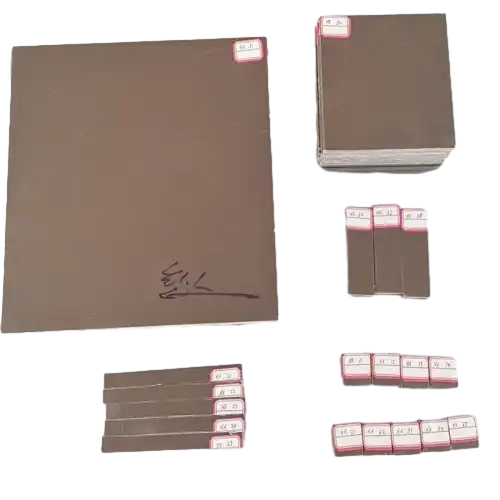
What Are NEMA CE and LE Phenolic Cotton Sheets?
Phenolic laminates indicate a family of thermosetting composite materials where cloth substrates join with phenolic resin under controlled conditions. Cotton-based versions stand out in this group because they have a unique mix of being tough and easy to work with.
Understanding the NEMA Classification System
The National Electrical Manufacturers Association (NEMA) sets standard marks that spell out what kind of performance is expected in a wide range of workplace settings. These categories help buyers choose materials with trust, since they know that certified goods have been through strict testing procedures. NEMA standards cover things like flexural strength, dielectric breakdown voltage, water absorption rates, and temperature durability. These standards make sure that products from different makers and production groups are all the same.
Distinguishing CE from LE Grades
The most important difference between these two types is the way they are woven and how well they work. CE-grade laminates are made from coarse canvas weave cotton fabric, which gives them great resistance to pressure and mechanical strength scores of more than 100 MPa flexural. Because they are rougher, CE sheets are perfect for gear blanks, wear strips, and structural supports that are put under a lot of mechanical stress over and over again.
LE-grade materials are made with linen or fine-weave cotton as the base material. This makes the surface smoother and the tolerances for size and shape tighter after cutting. This smaller texture makes it possible to make precision parts that need to be very close to each other, like junction blocks, insulating gaps, and complicated electrical systems. The refined weave structure also resists moisture a little better, but both types do a great job in standard workplace humidity conditions.
Density and Physical Characteristics
Both phenolic cotton sheets have densities between 1.35 and 1.45 g/cm³, which makes them good options to metal parts that are both light and strong. This density profile helps to lighten equipment without compromising its structural integrity, which is an important thing to think about when designing portable machines and parts for cars. The self-lubricating qualities of the material come from the cotton fiber matrix, which makes tiny pathways that hold lubricants and lower the coefficients of friction when the material meets steel or other hard surfaces.
The Lamination Process of Phenolic Cotton Sheets Explained
To make these specific laminates, precise control is needed at many steps of the production process. We've been making insulation materials for more than 20 years, and over that time we've improved these methods to make sure they always meet world standards for quality.
Raw Material Selection and Preparation
Quality starts with choosing the right material. Manufacturers get white cotton fabric—either canvas or linen, depending on the grade they want—that meets strict cleanliness standards to keep it from getting contaminated in a way that could damage its electrical or mechanical properties. Before production starts, the phenolic resin system, which is made from highly pure hydrocarbon feedstocks, is tested to make sure it has the right viscosity, reaction, and curing properties.
When cotton fabrics come in big rolls, they are checked for flaws, even thickness, and consistent weaving. Visual and dimensional checking are very important at this stage because any problems show up as flaws in the final product. The fabric is then stored in a controlled setting that keeps the humidity at a certain level to avoid problems with processing that could be caused by moisture.
Resin Impregnation Stage
The important step where cotton fabric changes into a resin-rich composite predecessor is the impregnation process. Layers of fabric are put through resin baths that contain carefully mixed phenolic solutions that have a controlled amount of solids and viscosity. The amount of time the material stays in these baths and the mechanical squeezing rollers decide how much resin is added in the end. Usually, the resin-to-fabric ratios are adjusted for each NEMA grade.
Controlling the temperature during impregnation keeps the resin from drying too quickly and makes sure it gets into all the layers of the fabric. To keep process windows small, modern production lines use devices that keep an eye on the temperature of the resin bath, the speed of the cloth line, and the pressure on the squeeze rollers all the time. In this step, any extra ingredients needed to improve the qualities are also added. These could be flame retardants or UV stabilizers, based on what the final use is.
Drying and Staging
After being soaked with resin, the fabric goes into multi-zone drying ovens that have temperatures that are carefully monitored. This gets rid of the volatile solvents and brings the resin to the B-stage, where it is partly hardened but can still flow when heated and pressed during the final lamination. Getting the right B-stage is very important. Material that is under-staged won't join well between layers, and material that is over-staged stops proper fusion and leaves gaps.
Once the prepreg sheets are dry and tacky to the touch, they are cut to the right size and stacked based on the end thickness that is wanted. When directional properties are important, operators order layers paying attention to the fiber orientation. However, for balanced mechanical properties, most uses use random or alternating orientations.
Hot Press Lamination
The piled layers of prepreg go into hydraulic presses that have heated platens that can apply even pressure over big areas. CE-grade laminates usually cure at temperatures between 150°C and 170°C and pressures between 1000 and 1400 PSI for 60 to 90 minutes, based on the thickness. Because they have a finer weave, LE-grade materials often need slightly different settings.
During pressing, three things happen at the same time: the solvents that are still there evaporate and escape through carefully controlled venting, the resin flows to fill the gaps between the layers and hold them together, and thermosetting cross-linking reactions stiffen the matrix permanently. Press workers keep a close eye on platen temperatures, hydraulic pressures, and cure times because small changes can have big effects on the end properties. Computerized press control systems are used in modern buildings; these systems record all factors so that quality can be tracked.
Post-Cure and Quality Verification
After being taken out of the mold, laminated sheets are heated in convection ovens to finish cross-linking reactions and ease internal stresses. In this step, the mechanical qualities are increased and the heat stability is improved. The finished sheets are then taken to checking stations, where workers use precision micrometers to make sure that the thickness is regular, look for flaws on the surface, and take test samples for analysis in the lab.
The testing procedures include checking the bending strength according to ASTM standards, the dielectric breakdown voltage, the amount of water absorbed, and the stability of the dimensions. Only sheets that meet all of the requirements are approved for shipping. Our quality management system, which has been improved over more than ten years of exporting, makes sure that every batch meets customer needs and foreign standards, such as ROHS guidelines.
Advantages and Practical Applications of Phenolic Cotton Sheets
These materials have stayed popular for a long time because they have a wide range of properties that can be used to solve many business problems at once. Knowing specific benefits helps match the skills of the material to the needs of the application.
Mechanical Performance in Demanding Environments
Because they have a flexural strength of more than 100 MPa, these laminates can be used as structural parts that hold a lot of weight. Charpy impact scores show that a material is very tough because it can take shock loads that would break brittle materials. This mechanical robustness shows up most clearly in heavy-duty uses where parts are stressed over and over again.
Silent gears made from CE-grade sheets are used in textile and papermaking machines. The material strikes metal drive gears at high power levels. Compared to all-metal gear trains, the cotton base lowers noise and shaking by 15 to 20 decibels. These gears work for thousands of hours before they need to be replaced, which shows that they are resistant to wear and tear long enough to justify the initial investment in materials.
The material's ability to hold workpieces securely without damaging surfaces and keep their shape under clamping forces makes it useful for machine tool clamps, jigs, and work-holding devices. The slightly flexible nature of the material keeps stress from building up on fragile parts that might be held in place by hard metal fixtures.
Tribological Properties and Bearing Applications
Because phenolic cotton sheets are self-lubricating, they can be used in bearing situations where other materials would not work. Marine stern tube bearings and rudder bushes made from these laminates work while submerged in water, using the water to keep them running smoothly. The material does not swell or corrode too much, so it lasts longer than metal options in salty places.
Phenolic cotton wear pads and guide strips are used in hydraulic systems. They can work for years in oil without breaking down. The material is resistant to mineral oils and petroleum products, and it has low friction coefficients against hardened steel. This means that the system needs less upkeep, and bearing wear bits that metal parts create don't get into the hydraulic fluid.
Electrical Insulation for Low-to-Medium Voltage Systems
Even though cotton laminates don't have the same insulator performance as FR4, they are good enough for uses below 600 volts. In industrial control cabinets, these materials are used on terminal boards, busbar supports, and switchgear panels where both mechanical strength and electrical separation are important. The material is better at resisting tracking and arcing than many thermoplastics, so it keeps safety gaps when faults happen.
Thinner LE-grade sheets are used for coil supports and layer insulation in transformer parts where room limits require compact designs that don't compromise structural integrity. The thermal class E grade (120°C continuous) covers normal transformer working temperatures and provides extra capacity during times of high demand.
Chemical Resistance Enabling Harsh Environment Service
Because it doesn't react with mineral oils, greases, weak acids, or many solvents, it can be used in chemical processing equipment, under-hood uses in cars, and industrial machinery that comes in contact with coolants and cutting fluids. Even though they are constantly in chemical touch with substances that would dissolve, swell, or weaken polymer options, the parts keep their shape and mechanical qualities.
In electric cars, these laminates are used as heat shields and electrical isolators between cells in the battery pack insulators. The material's ability to resist flames is very important for safety, and its mechanical strength means it can handle construction stresses and car vibrations for the whole life of the vehicle.
Procurement Guide: How to Buy Phenolic Cotton Sheets for Your Business
When you strategically source industrial laminates, you need to think about the logistics, supplier skills, and material specs, all of which affect the success of the project and the total cost.
Evaluating Supplier Qualifications
Third-party audits and testing methods show that certified producers are committed to quality. As a starting point for figuring out how well a seller controls processes, look for ones that have ISO 9001 quality management certification. Documentation that shows materials meet the environmental and safety standards needed for tools to be sold in controlled markets is called ROHS compliance.
When planning large-scale projects or making long-term supply deals, production ability is important. Suppliers with more than one production line are better able to react quickly to immediate orders or changes in demand. When it's possible, site trips show how sophisticated the manufacturing process is and how important quality is, which licenses alone can't do. Our factory is happy for customers to check it out because we're sure that our 20 years of experience making things and investments in new tools show that we can meet even the strictest needs.
Specifying Material Requirements Precisely
Clear specs avoid misunderstandings that cost a lot of money and make sure that the materials supplied meet the needs of the application. In addition to listing the NEMA grade (CE or LE), the specs should also say:
- Sheet dimensions with tolerances: As you look at the sheet measurements and tolerances, keep in mind that tighter tolerances cost more but may be needed for precise assemblies. Standard sheets are usually between 1 mm and 50 mm thick, and they can be any length or width up to the limits of the tools used to make them.
- Surface finish requirements: Surface finish needs, especially when parts need to be glued together, painted, or fit together closely. Sanded finishes are better for surfaces that stick together, while as-pressed finishes are cheaper for uses where the shape of the surface doesn't affect how they work.
- Special properties: Special properties are needed when uses need better qualities than what normal grades offer. Formulations that are flame safe, better at resisting oil, or that need to be a certain color can be changed, but there may be a minimum order quantity.
Understanding Pricing Structures and MOQ
The price of phenolic cotton sheets depends on the cost of the raw materials, how hard it is to make, and how many orders are placed. Standard thickness sheets in types that are in high demand usually have the best prices because they are easier to make and are always in stock. Custom layers or special formulas cost more, but they work better in some situations, which makes up for the extra cost.
Minimum order amounts depend on the provider and the type of material being used. Standard grades can ship in small amounts from stock, but special standards usually need large enough production runs to cover the costs of setting up the machine. Talking to suppliers early on about project timelines and volume projections helps with planning that balances the costs of goods with the lower unit prices that come from making volume promises.
Our pricing structure recognizes that smart relationships are good for both parties. Customers who buy in bulk get better prices because they save money on transaction costs and can plan their production more efficiently. We're also flexible enough to handle small amounts of prototypes to help your product development efforts.
Logistics and Supply Chain Considerations
Lead times range from right away shipping for standard items that are in stock to 4 to 6 weeks for special items that need dedicated production runs. By planning buying plans around these dates, you can avoid project delays and the high costs that come with them. Setting up blanket purchase orders with planned releases helps keep supplies stable while keeping inventory levels low so that less working capital is lost.
When sending goods around the world, you can use sea freight for low-cost, large packages or air freight when speed is worth the extra cost. For easier foreign shopping, our in-house logistics business handles export paperwork, freight forwarding, and customs planning as part of integrated supply chain management. This one-stop service takes away the hassle of coordinating between freight forwarders and material sources, making sure that deliveries happen on time and with a single point of responsibility.
Professional providers are different from commodity sellers because they offer warranties and expert help. Reputable companies stand behind their goods with clear quality promises and quick technical support that helps customers get the most out of the materials they choose and the ways they use them. Our engineering team has more than twenty years of experience in material science, and they offer application advice that goes beyond the real product.
Conclusion
NEMA CE and LE phenolic cotton sheets have been shown to work better than other options in electrical, mechanical, and heat uses because of the way their properties are combined. When you understand the lamination process, you can see why production accuracy directly affects the dependability and stability of materials. A good procurement process combines technical requirements with the skills, pricing, and operations of suppliers, all of which affect project timelines and overall costs. Strategic relationships with experienced makers give you an edge in tough industrial markets by giving you access to products, engineering help, and a stable supply chain.
FAQ
What represents the core difference between NEMA CE and LE phenolic grades?
The difference comes down to the way the fabric is woven and how well it works as a result. CE uses coarse canvas cotton, which has the highest impact strength and mechanical toughness and is perfect for gears, wear strips, and structural parts. LE uses finer linen or tight-weave cotton, which makes the surfaces smoother and the tolerances for cutting them tighter. This makes them perfect for making precise electrical parts and complicated mechanical parts. Both are very good at resisting oil and heat, and the main things that make them different are their surface finish and directional strength qualities.
Can these laminates function reliably in outdoor or submerged applications?
Phenolic cotton sheets work well in oily and underwater conditions and are often used as naval bearings and hydraulic parts. Swimming in fresh water for long amounts of time, on the other hand, may cause some swelling. Outdoor exposure means you need to think about UV damage, because surfaces that aren't covered can change color or wear away over time in direct sunlight. Protective coats make things last longer when they have to be exposed to the elements. The materials work great for outdoor projects that need to be kept safe, like enclosed circuits and machinery that is covered.
How does machinability compare with metals and other composites?
These laminates are much easier to work with on a machine than FR4 glass-epoxy materials. They cause less tool wear and allow for faster run rates. Cutting forces are still lower than with aluminum or steel, but surface speeds need to be slowed down to keep resin from getting damaged by heat. Using carbide or diamond tools gives you the best results with the least amount of burning. When the material is machined, phenolic dust is produced, which needs to be properly ventilated and collected. When done correctly, drilling, milling, turning, and routing processes leave clean lines that don't delaminate.
Partner with J&Q for Premium Phenolic Cotton Sheet Solutions
As a seller of phenolic cotton sheets, J&Q has unmatched knowledge. They have been making high-quality products for over twenty years and have also been exporting to industry markets around the world. Our vertically combined operations, which include everything from processing raw materials to checking the end quality, make sure that our products always meet the strictest requirements. The technical support, quick contact, and dependable shipping schedules that we offer are trusted by engineering managers and procurement teams to keep production lines running smoothly.
As a well-known company that makes phenolic cotton sheets, we keep a large stock of normal NEMA CE and LE grades and can also make unique formulations for specific uses. Our in-house logistics business handles all the paperwork and logistics for foreign shipping, so you only have to worry about one thing when you ship something abroad. Our flexible MOQ policies and cheap price structures make it easy to handle projects of any size, from small prototypes for product development to large production runs to support ongoing production.
Email our expert sales team at info@jhd-material.com to talk about the needs of your particular application. We'll give you cheap quotes, thorough technical datasheets, and material certifications that are specific to your needs. Experience the difference that committed knowledge and customer-focused service deliver—partner with J&Q where quality, trustworthiness, and responsive support define every customer relationship.
References
National Electrical Manufacturers Association, "Industrial Laminating Thermosetting Products: NEMA Standards Publication LI 1-2019," NEMA, Arlington, Virginia, 2019.
Harper, C.A., "Handbook of Plastics, Elastomers, and Composites," Fourth Edition, McGraw-Hill Professional, New York, 2002.
Lubin, George, "Handbook of Composite Materials," Van Nostrand Reinhold Company, New York, 1982.
Mazumdar, S.K., "Composites Manufacturing: Materials, Product, and Process Engineering," CRC Press, Boca Raton, Florida, 2001.
Society of Plastics Engineers, "Phenolic Resins: A Century of Progress," Springer Science & Business Media, New York, 2010.
Campbell, F.C., "Structural Composite Materials," ASM International, Materials Park, Ohio, 2010.

Get a complete product list and quotation

J&Q New Composite Materials Company



