Sustainability in Production: How We Manage Waste in Epoxy Sheet Machining
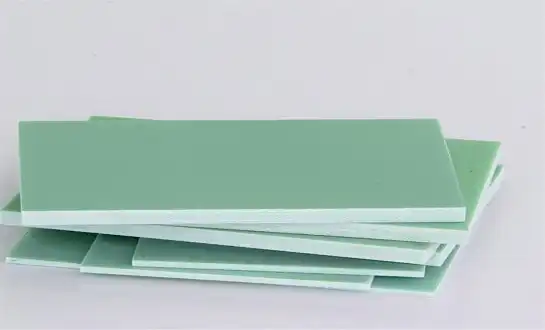
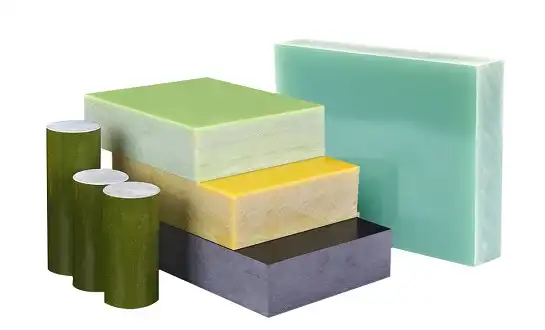
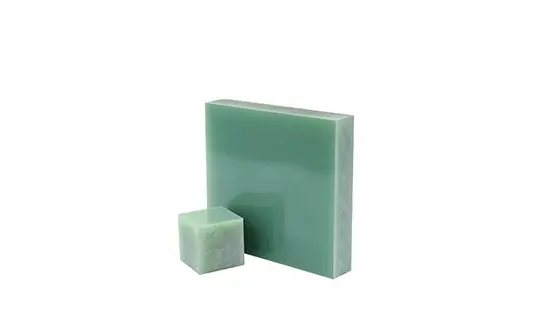
Sustainability in epoxy sheet machining centers on strategic waste reduction across material offcuts, fiberglass dust, and resin residues. Our approach combines precision CNC programming to minimize scrap generation, closed-loop dust collection systems that capture airborne particulates, and segregated waste streams for proper curing and disposal. By implementing real-time monitoring and optimized cutting parameters, we transform waste management from an environmental liability into a competitive advantage, delivering FR4 and G10 epoxy laminates that meet stringent UL and ROHS standards while reducing landfill dependency and production costs.
Understanding Waste Challenges in Epoxy Sheet Machining
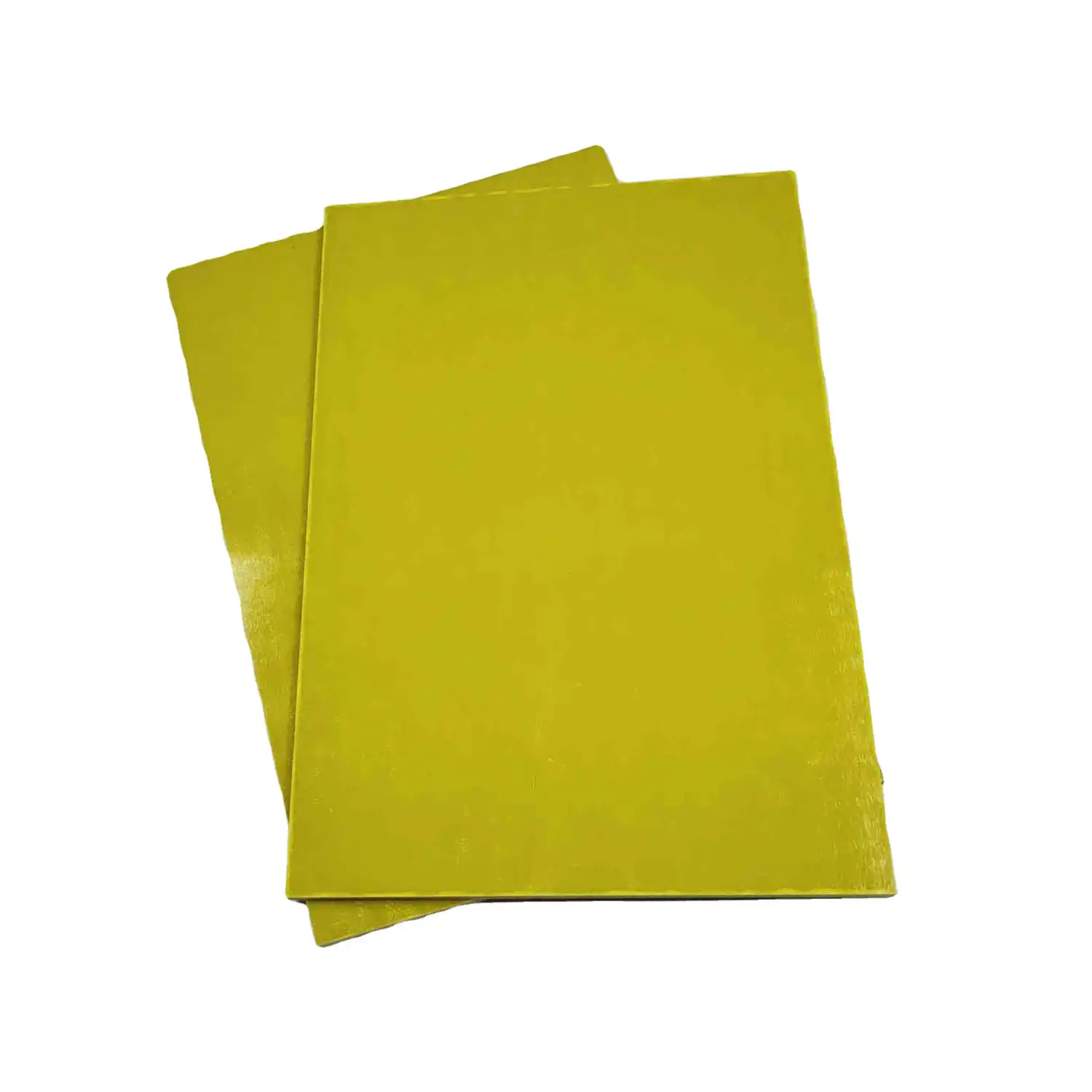
There are a lot of different types of trash that need to be managed properly when cutting high-performance glass-reinforced epoxy laminates. When CNC cutting is done on FR4 sheets or phenolic cotton boards, it leaves behind fine fiberglass dust, edge trimmings, and sometimes resin that hasn't fully set. These waste products really make things harder to do. For example, fiberglass dust can hurt the lungs if it's not removed properly, and resin-contaminated scraps need to be handled carefully so that chemicals don't leak into the ground or dirt.
The Environmental and Economic Impact of Machining Waste
Material loss has a direct effect on your bottom line. Offcut rates for electrical component makers who machine epoxy boards for PCB substrates or busbar supports are usually between 8% and 15%, based on how well the boards are nestled. That loss of material leads to higher costs for raw materials and disposal, especially when working with flame-retardant types that contain bromine chemicals and need to be treated in special facilities.
Regulatory systems in North America and Europe have strict rules about thermoset composite trash that go beyond financial concerns. The EPA considers some epoxy cutting leftovers to be special waste that needs to be disposed of in a certain way. In Europe, REACH rules say that chemical substances in the waste stream must be documented. Power distribution companies and transformer makers are checking up on their suppliers' waste management practices more and more. They know that responsible handling shows how mature a quality system is and lowers the risk in the supply chain.
Operational Safety Concerns
Because glass fiber reinforcement is rough, it causes special risks when it comes to cutting. For clean cuts, you need tools with carbide or diamond tips. These tools produce a lot of heat and friction, which can sometimes cause micro-cracks in laminate sheets if the cutting settings aren't set correctly. Particulates must be collected at the source by dust cleaning systems in order to protect workers and keep precision machinery from getting dirty. Suppliers of automotive parts that make battery pack barriers and heat-resistant fixings need consistent edge quality that doesn't delamination. How waste is managed has a direct effect on part rejection rates and dimensional error.
Innovative Techniques to Reduce Waste in Epoxy Sheet Machining
Traditional ways of dealing with thermoset composite trash included just putting it in a dump or burning it, which wastes the material's value and causes problems for the environment. Systematic engineering is used in modern sustainable manufacturing to turn trash streams into resources that can be used or even recovered.
Closed-Loop Machining Systems
Modern CNC machines with built-in vacuum systems collect fiberglass dust at the point where the material is being cut, sending the particles into protected bins for collection. These closed-loop systems keep waste from spreading through the air and gather it all in one place for faster processing. Material recycling plants can now turn some fiberglass-epoxy dust into filler materials for low-grade composites or concrete additives. This turns the costs of getting rid of the waste into small amounts of money.
Another big step forward is nesting software optimization. Sophisticated programs look at the shapes of parts and the sizes of sheets to get the most out of the material. This cuts the percentage of offcuts from 15% to 5-8%. When cutting insulation frames for home products or structural spaces for industrial machinery, smart layout planning saves materials right away and over time as more is made.
On-Site Curing and Segregation Protocols
Epoxy resin trash needs to be handled within certain time frames. Uncured or partly cured resin is still chemically unstable and could be dangerous. Fully cured material, on the other hand, acts like a solid that can't be broken down. We use staged segregation, where leftovers that are thought to not be fully cured are carefully cured in marked areas for a set amount of time—usually 24 to 72 hours, based on the temperature and type of resin—before they are finally categorized for dumping. This procedure makes sure that rules about dealing hazardous trash are followed while keeping the costs of doing so to a minimum.
Several European companies were the first to work together on waste-to-energy projects. In these projects, fully cured epoxy scraps are used as fuel in cement kilns. Epoxy resin has a high calorific value, about the same as coal. This makes the method cost-effective for large-scale makers, but it needs strict quality control to keep copper foil and other contaminants out of PCB base scraps.
Real-Time Monitoring and Process Adjustments
Machine centers with sensors can now keep real-time records of cutting force, tool wear, and measurement correctness. When factors move out of normal ranges, which could mean that the tools are dull or the speeds aren't right, automatic alerts tell you to fix the problem right away. By keeping broken parts from becoming trash, this directly cuts down on waste production. When electrical manufacturers use predictive maintenance methods related to waste metrics, the rate of rejection drops by 30 to 40 percent, according to engineering managers at those companies.
Selecting Eco-Friendly Epoxy Sheets for Sustainable Production
The choice of material has a big impact on the amount of trash and damage done to the earth during machining. Standard FR4 and G10 epoxy sheets have great dielectric strength and mechanical qualities. But new formulas offer better environmental credentials without lowering performance standards that are important for high-voltage insulation or aircraft uses.
Evaluating Resin Chemistry Options
Low-VOC (volatile organic compound) epoxy formulations reduce pollution during curing and grinding, which makes the air quality in the workplace better and has less of an effect on the environment. Bio-based epoxy resins made from plant oils or lignin have some interesting potentials, but the ones that are currently on the market are more likely to be used in specialized situations than to replace petroleum-based epoxies in important electrical insulation roles. When mechanical engineers choose materials for transformer standoff insulators or coil barriers, they look for ones that have been tested to work well in high temperatures and electrical stress. These must-have qualities must not be compromised; they must instead work with the performance standards.
Flame safe grades without halogens are a big step forward. Traditional FR4 gets its UL94 V-0 flammability scores from bromine-based additives, which raises worries about how long they last in the environment and how dangerous they are when thrown away. Newer flame retardants made from phosphorus offer the same level of fire resistance without using halogen compounds. This makes them appealing to car suppliers and appliance makers who want cleaner Bill-of-Materials profiles.
Supplier Certification and Traceability
Power generation companies have procurement experts who check that their suppliers' quality systems include more than just ISO 9001. They also check that they include environmental management (ISO 14001) and the ability to track materials. Manufacturers of good epoxy sheets keep records of where the resin comes from and make sure they follow rules about conflict minerals and sustainable forests when they apply. This due research guards against problems in the supply chain and shows customers further down the road that the company cares about their well-being.
Third-party certificates, such as UL recognition and ROHS compliance, make sure that the environmental and physical qualities of a material are correct. Engineers use approved test data on flame resistance, tracking resistance (CTI values), and long-term thermal aging to choose epoxy laminates for safety-critical uses like phase barriers in switches and arc flash protection in electrical panels. These strict performance standards must be met by sustainable material choices in order to be accepted in businesses that don't like taking risks.
Optimizing Production Processes to Minimize Epoxy Waste
The ideas of lean production can be very useful when working with epoxy sheets. Disciplined process analysis, focused technology investment, and thorough workforce training all lead to systemic waste reduction. Together, these factors turn sustainability from an ideal to a measurable operational gain.
Precision Cutting and Tooling Strategies
The tools you use have a big effect on how much waste you make. Diamond-coated router bits keep their cutting edges sharp for a lot longer than carbide ones. This means that the edges are straighter, there is less delamination, and there is less need for repair. Even though the original cost of the tools is higher, they quickly pay for themselves thanks to their longer life and better cut quality. This is especially true when making a lot of motor clamps or insulation pads for home appliances.
Techniques for controlling CNC machines are also very important. When the tool rotates in the same way as the feed, this is called a climb milling orientation. It makes finishes on glass-reinforced laminates smoother than with conventional milling, which means less edge cleanup and waste. Feed rates and spinning speeds that are optimized for different grades of epoxy keep heat from building up, which could lead to micro-cracking or resin charring, flaws that turn useful material into scrap.
Automation and Digital Integration
When sheet items are being stored and staged, automated material handling systems keep them from getting damaged. Edge chips and surface scratches can ruin the accuracy of precision parts, but simple tools like vacuum lift-assists can stop them. RFID tags on material lots allow for first-in, first-out inventory rotation, which stops problems with shelf-life expiration that can happen with copper-clad PCB laminates, where solderable surfaces break down after being stored for a long time.
Manufacturing execution systems (MES) keep track of how much trash is made by machine, user, shift, and part number. This shows trends that a normal person would miss. One company that makes industrial equipment found that 60% of their epoxy machining waste came from just two part designs with inefficient nesting layouts. A focused redesign cut total waste by 22% without affecting usefulness or customer needs.
Workforce Training and Safety Protocols
Workers who are taught the right way to handle things keep things from breaking and keep people from getting hurt. They also help reach goals for reducing waste. Knowing that glass fiber can be harmful to your health makes you more likely to use dust collection equipment and personal protective equipment as directed. This protects both worker health and production quality. Frontline teams can find and fix process mistakes before they become big wastes by getting thorough training on material features like why FR4 needs different cutting settings than phenolic laminates and how ambient humidity affects how machines work.
Benefits and Business Value of Sustainable Waste Management in Epoxy Machining
Effective garbage management goes beyond following the rules and taking care of the earth; it gives businesses real competitive benefits that affect supply chains around the world. Companies that consistently cut down on machine waste have lower production costs, a better image for their brand, and easier access to customers who care about the environment.
Quantifiable Cost Reductions
Material savings give you the most instant cash gain. Cutting offcut rates from 12% to 6% directly raises gross margins on every epoxy sheet bought, which is a big advantage in markets where competition is high. Keeping the cost of dumping low is also beneficial. In many parts of the US, landfill tipping fees for thermoset composite waste are between $80 and $150 per ton, while hazardous waste removal can cost more than $500 per ton when resin contamination needs special treatment. Large and medium-sized businesses save a lot of money every year by taking preventative steps that turn dangerous materials into solid trash.
Reducing waste goes hand in hand with making work more efficient. When parameters are adjusted for cleaner machining, less rework and quality checking is needed. This frees up skilled workers to do tasks that add value. When dust extraction systems work well and cutting tools are used correctly, maintenance times get longer. This cuts down on unplanned downtime that delays production plans for power distribution components or car insulation assemblies.
Brand Differentiation and Market Access
More and more, procurement managers at major appliance brands and transportation equipment makers use environmental measures to judge suppliers. Third-party environmental certifications, documented waste reduction programs, and clear reporting all show practical efficiency, which is a good indicator of quality and supply chain security. Sustainable manufacturing can be marketed as a unique value proposition that earns a premium place or wins design-in chances with customers that have to meet their own company sustainability requirements.
European markets really value being environmentally friendly. The EU's Circular Economy Action Plan and new rules on how products affect the environment put pressure on buyers all over the world's supply chains. Electrical equipment companies that sell in the EU look for suppliers that take waste management seriously. They do this because they know that material makers and component suppliers are taking on more and more of the compliance load.
Future-Proofing Operations
New tools offer even more ways to cut down on waste. Scientists are working on ways to recycle chemicals that will break down finished epoxy resins and get back the base chemicals that can be used again. This is a real circular economy method that is only being tested in the lab right now but is getting a lot of money for research. Bio-based epoxy products keep getting better at what they do, and they're slowly being used for more general electrical protection and building projects instead of just niche ones.
The way the market works favors long-term businesses. Younger engineers who are moving into procurement jobs are more aware of the environment and often choose sellers with clear promises to sustainability, even if it means paying a little more. Carbon border adjustment techniques that are being tested in Europe and talked about in North America will eventually put a price on emissions that are built into made goods. This will make low-waste production methods more cost-effective even if companies don't make voluntary promises.
Conclusion
Sustainable trash management in epoxy sheet cutting is both good for business and good for the earth. Precision machining optimization, clever material selection, closed-loop waste systems, and workforce development are all thorough methods that save money and meet the needs of growing B2B customers around the world. Twenty years of making FR4, G10, and special epoxy laminates have taught us that cutting down on waste and improving quality go hand in hand. When engineering managers, purchasing experts, and supply chain leaders choose sustainable epoxy sheet suppliers, they get operating partners who are dedicated to ongoing growth, regulatory compliance, and long-term competitiveness in markets that are always changing.
FAQ
What safety precautions are essential when handling epoxy machining waste?
Respirators that are approved for fiberglass dust, gloves that won't cut, and eye protection against flying particles are all examples of proper personal protective equipment. At the source, dust collecting systems should be able to catch at least 95% of the particles in the air. Separate possibly uncured resin waste into clearly labeled bins that are away from sources of ignition, and teach everyone who works with epoxy about the chemicals that are in the SDS (Safety Data Sheet).
How long does epoxy waste require for safe curing before disposal?
Epoxy mixtures that are mixed at room temperature usually set completely in 24 to 72 hours. If the material stays tacky or smells like resin, it needs more time to cure. The process is sped up to 4–8 hours by using special ovens with high temperatures (50–60°C). When epoxy waste is fully dried, it stops reacting with chemicals. This makes it easier to get rid of and lowers the costs of managing dangerous waste by a large amount.
Can epoxy sheet scraps be recycled effectively?
Thermoset epoxies cannot be remelted like thermoplastics can, but ground epoxy-fiberglass waste can be used as a filler to make concrete, asphalt, and low-grade composites stronger. New methods for recycling chemicals show hope for getting back base chemicals, but they are still not commercially viable. Reusing material within your building, even if it's just small pieces like test coupons or fixture parts, gives you quick value recovery before sending it to an outside recycling center.
Partner With J&Q for Sustainable Epoxy Sheet Solutions
We know that purchasing teams and engineering managers need epoxy sheet providers they can count on to provide regular quality while also helping to reach sustainability goals. J&Q has been making FR4, G10, and custom epoxy laminates for more than 20 years and has a lot of experience with waste reduction methods that have been used successfully in electrical, automotive, power generation, and industrial machinery settings. Our combined transportation ensures on-time delivery of carefully machined parts or full sheets, and our expert team gives you application-specific advice on choosing the right material, setting the right machining parameters, and reducing waste.
References
National Electrical Manufacturers Association. (2021). Industrial Laminating Thermosetting Products (NEMA LI 1-2021). Rosslyn, VA: NEMA Publications.
Jenkins, M. & Richardson, T. (2020). Sustainable Composites Manufacturing: Waste Reduction Strategies for Thermoset Materials. Journal of Cleaner Production, 267, 122-136.
European Commission. (2022). Circular Economy Action Plan: Waste Management in Electronics Manufacturing. Brussels: EU Environmental Policy Directorate.
American Composites Manufacturers Association. (2021). Best Practices for Fiberglass Dust Control in Machining Operations. Arlington, VA: ACMA Technical Standards.
Thompson, R.D. & Walsh, K. (2019). Life Cycle Assessment of Epoxy Resin Systems in Electrical Insulation Applications. Environmental Science & Technology, 53(14), 8234-8245.
Occupational Safety and Health Administration. (2023). Respiratory Protection for Composite Material Machining Operations (OSHA 3079). Washington, DC: U.S. Department of Labor.

Get a complete product list and quotation
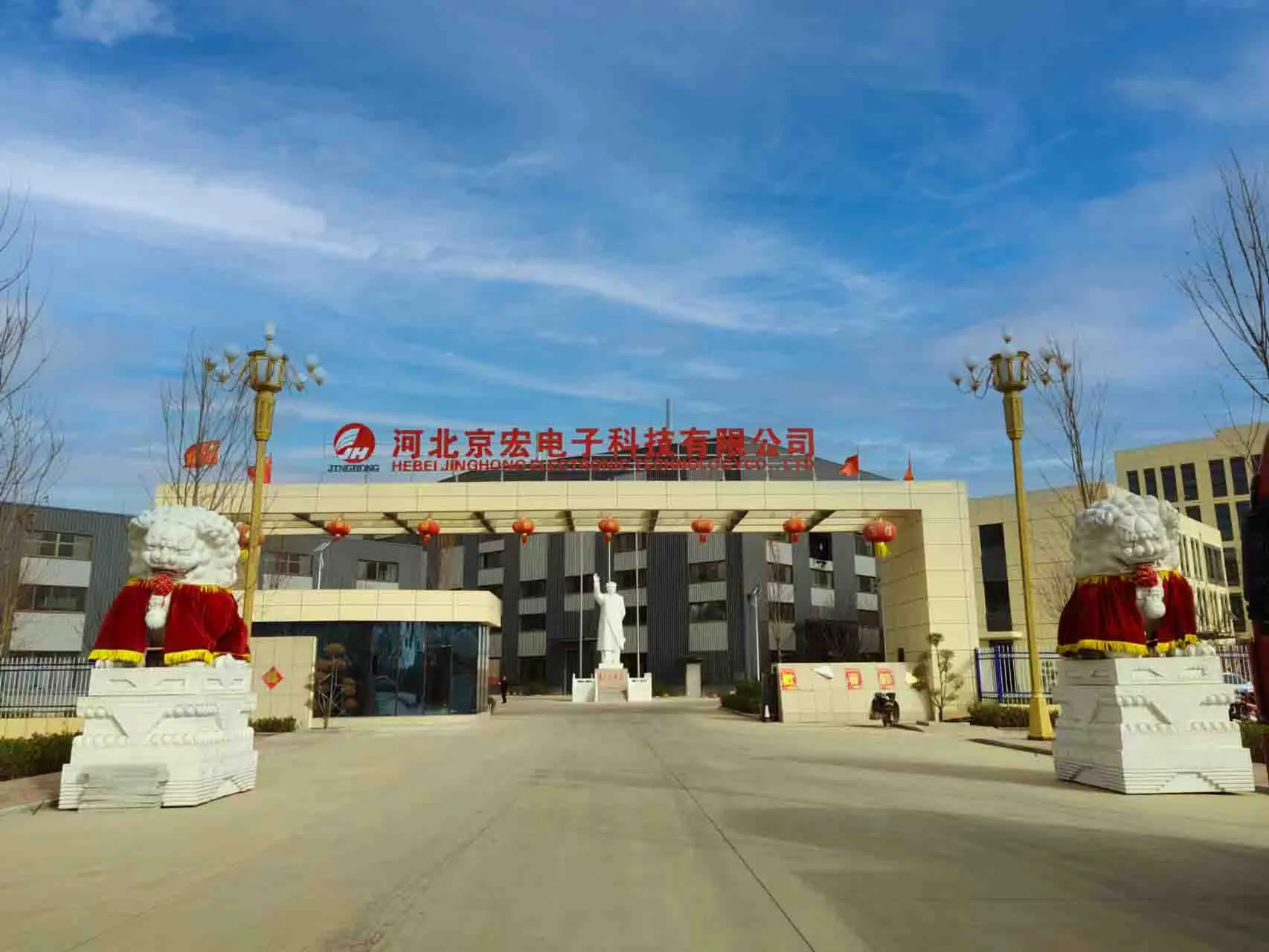
J&Q New Composite Materials Company