Inside the Factory: An Overview of CNC Equipment Used for Insulation Sheet Fabrication
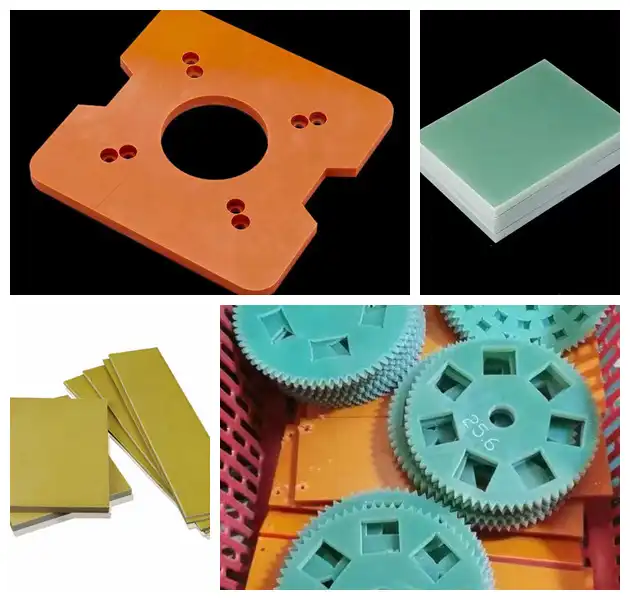
There is a world where precision meets efficiency when you walk into a modern factory that makes insulation sheets. The machines going around you are the result of years of progress in technology that have turned raw materials like FR4 sheets, epoxy glass cloth laminates, and phenolic cotton composites into parts that power everything from electric cars to industrial equipment. We've been getting better at these steps at J&Q for more than twenty years, and now we're going to pull back the curtain and show you how CNC machines shape the insulation materials that keep your business safe and running smoothly.
Understanding Insulation Sheet Fabrication Challenges
It's not as easy as it might seem to make high-quality insulation sheets for electrical protection. Traditional hand cutting methods caused problems for both buying teams and production managers. They led to inconsistent sizes, too much material waste, and response times that pushed project plans past what was acceptable.
The Hidden Costs of Conventional Methods
Electrical experts couldn't stand the variability that came with manual manufacturing methods. Hand-cut phenolic sheets often had thickness differences of a few tenths of a millimeter when a transformer maker needed arc shields with very tight tolerances. Because of this, quality control teams had to reject batches, which increased costs and slowed down shipping. The problems we saw car part makers face were similar when they were making battery pack barriers that had to fit perfectly.
Precision as a Production Philosophy
Modern CNC-based manufacturing solves these problems by focusing on three main ideas: accuracy measured in microns instead of millimeters; repeatability that makes sure thousands of units all have the same parts; and automation that takes away the chance of human mistake from important cutting tasks. We worked with a medium-sized electronics company that cut their failure rate from 12% to less than 2% in just six months after adding CNC cutting equipment to their production line. Their production speed went up by 40%, and they wasted a lot less material because digital building software made the best use of each sheet.
These changes aren't just ideas; they have a real effect on your bottom line. If you're looking for materials for PCB support structures or motor component insulation, and you know that your provider uses advanced CNC systems, you can be sure that the parts you get will fit properly the first time. This will cut down on assembly delays and warranty claims.
Core Types of CNC Equipment Used in Insulation Sheet Fabrication
As you walk through our production floor, you'll see a number of different tools. Each one is built to work with a different type of material or problem during the manufacturing process. When looking at possible suppliers or planning building upgrades, knowing about these types of tools can help you make smart choices.
CNC Routing Machines for Versatile Material Processing
CNC cutters are the workhorses of making insulation sheets. These tools are great at cutting phenolic laminates and fiberglass-reinforced epoxy boards with clean lines that don't need much finishing. The spindle speeds and cutting levels change naturally based on the density of the material. This way, a 3240 epoxy glass cloth laminated sheet is treated differently than a Bakelite composite, which is softer.
The fact that these routers can keep tight standards over long production runs makes them very useful for electrical uses. Dimensional uniformity is a must when making switchgear parts that need to meet UL certification standards. Industrial routers have vacuum hold-down systems that keep sheets from moving while they are being cut. This gets rid of the small shifts that were a problem with older mechanical systems.
CNC Laser Cutters for Intricate Detailing
The use of lasers for cutting has changed the way we work with thin materials and complicated shapes. The directed beam melts material along predetermined routes, making edges that are so accurate that they often don't need any extra work. We mostly use laser systems on FR4 sheets that are within certain thickness ranges. This is because the heat-affected zone is small and doesn't change the material's insulating qualities.
PCB manufacturers like laser-cut entry boards a lot because the process makes holes without burrs that keep drill bits safe during fast operations. It's easy to see the speed benefit when you're making thousands of items at once—what used to take hours now only takes minutes, and the electrical engineers' exact measurements are still maintained.
CNC Waterjet Cutting for Dense Composites
Because they are dense or thick, some insulation materials are hard to cut with standard tools. This problem can be solved by waterjet systems, which use pressured water mixed with rough particles to cut through thick epoxy laminates and phenolic cotton sheets without using heat, which could change the qualities of the materials. When making structural insulation parts for industrial machines, this cold-cutting method is especially useful.
The benefits to the earth are also important. Waterjet cutting doesn't make any harmful fumes or floating particles that need expensive ventilation systems. This makes it an eco-friendly choice for factories that are close to homes or that want to get green manufacturing approvals.
Automated Material Handling Systems
Robotic material handling is used in the most advanced fabrication sites to speed up the process of moving materials from cutting stations to quality checking areas. These methods cut down on the amount of work that needs to be done by hand and the damage that can happen to surfaces when big sheets are moved by hand. Automated equipment for packing and sorting makes sure that finished parts stay in perfect shape from the time they are made until they are packed.
Moving to these combined systems costs money up front, but they quickly pay for themselves through lower labor costs and better safety measures. When looking at possible providers, find out about their infrastructure for moving materials. This will show you how committed they are to quality at every stage of the production process.
Key Performance Metrics and Optimization Strategies
Knowing how CNC manufacturing works on a mathematical level can help you decide if a supplier can meet your technical needs and delivery dates. We keep an eye on a number of important metrics that have a direct effect on the quality of the insulation goods that leave our plant.
Accuracy Standards That Matter
Specifications for tolerances may seem like small, unimportant technical details until you have to deal with the effects of wrong measurements. Electrical insulation parts used in high-voltage situations need to be accurate within small ranges. This is because gaps as small as half a millimeter can make arc tracks that are unsafe. The placement precision of our CNC equipment makes sure that changes in thickness stay well within the limits set by international standards such as GB/T 1303 and IEC 60893.
Balancing Speed and Material Efficiency
Speed of production is important, but not at the cost of wasting raw materials. Advanced nesting software looks at each order and figures out the best way to place the parts on the sheet stock so that the highest possible utilization rate is reached, which is often over 85%. When working with custom types of epoxy laminates, where material costs make up a big part of the total project costs, this efficiency becomes even more important.
Maintenance Protocols and Machine Reliability
How reliable your supply chain is is directly linked to how uptime your equipment is. IoT sensors that check the temperatures of the spindle bearings, the rate of cutting tool wear, and the pressures in the hydraulic system help us set up predictive repair plans. These sensors let our tech team know about possible problems before they cause machines to break down and mess up your production plan.
Machines keep their original accuracy specs even after handling thousands of sheets thanks to regular calibration processes. When you're getting to know an insulation sheet provider, find out how they handle repair. For quality that stays the same, equipment has to work the same way every time.
Software Advancements Driving Efficiency
There is a lot more knowledge than just the hardware in current CNC systems. By looking at the features of the material and changing feed rates in real time, AI-enhanced toolpath optimization cuts down on cutting time and increases tool life. Some very advanced systems can even learn from past work, getting better at working with materials and shapes they already know.
With cloud-based production tracking, engineering managers can keep an eye on the progress of a job from afar and get alerts when it's almost done or when quality checks are needed. This openness helps you organize the assembly steps that come after, without having to call and email suppliers all the time like you used to.
Evaluating CNC Solutions for Diverse Insulation Materials
Not all CNC machines are good at working with all kinds of insulation sheets. The machine that works great with fiberglass-reinforced composites might not be able to cut phenolic materials as well, and the other way around. Knowing these details helps you match the skills of the seller to the exact materials you need.
Material-Specific Machining Considerations
To keep the cut edge of the FR4 glass epoxy sheets from coming apart, you need to use sharp cutting tools and keep the feed rate steady. If you touch these laminates too roughly, the woven fiberglass structure inside can break, leaving surface flaws that weaken both the mechanical and electrical performance. We've developed cutting settings for each material that have been improved over years of production experience. This makes sure that the edges are clean and meet the strict standards of PCB manufacturers.
Lifecycle Cost Analysis for Equipment Investment
When procurement experts buy CNC tools, they have to do a full cost analysis to show that the money spent is worth it. The price paid at the start doesn't tell the whole story. Over the machine's useful life, costs like energy use, replacing cutting tools, and regular upkeep can add up to or even go over the price of the machine itself.
We've found that buying better, more precise, and more reliable equipment ends up saving us money in the long run than buying cheaper options that need to be fixed more often and cause more waste. When looking at possible suppliers or preparing to expand your business, you should not only look at the price of the equipment but also the total cost of ownership over a ten-year time of use.
Trusted Equipment Partnerships
The market for CNC machines has a lot of choices from makers all over the world. Some of the best-known brands are known for their high-speed routes, while others are known for their heavy-duty waterjet systems. We've built relationships with equipment providers who know what it takes to make electrical insulation. This way, we can be sure that our machines will work well for your needs.
When it comes to product quality, the name of the supplier is important. Long-term operating success is affected by the availability of technical help, the stock of spare parts, and the rules for software updates. When looking at a manufacturing partner, find out where they get their tools and how they connect with support networks. This will show you if they can keep production going even when there are technical problems.
Practical Guide: Integrating CNC Equipment into Your Insulation Sheet Production Line
Making the switch from old-fashioned ways of making things to more advanced CNC systems needs careful planning and execution. We've helped a number of people through this process, and there are some methods that always work to produce high-quality insulation sheets.
Strategic Installation and Commissioning
The arrival of equipment is not the end of integration; it is the beginning. For a proper placement, care must be taken with the quality of the electricity, the surroundings (including keeping the temperature stable and reducing dust), and the flow of work so that there is as little movement as possible between stations. We suggest including both equipment sellers and experienced production workers in the planning stage to avoid mistakes that cost a lot of money but aren't seen until after the job is done.
Training Investment That Pays Dividends
Even the most advanced CNC machines won't do a great job if the people who use them aren't trained properly. We've put a lot of money into skill-building programs that teach our employees not only how to run machines but also how to find the best cutting settings for different materials, spot early signs of tool wear, and do regular repair that keeps machines from breaking down when they're least expected.
When looking at fabrication partners, find out about their programs for teaching operators and the skills of their technical staff. The knowledge base of a facility is closely linked to the goods they make and how well they are made every time.
Safety and Compliance Foundations
When making electrical insulation, you have to follow strict safety rules for the materials and methods you use. Our facility always follows the rules. For example, we make sure that air systems can handle any fumes that are released during cutting, that machine guards keep workers from getting hurt, and that quality control checks the properties of materials after they have been made.
Documentation that shows organized quality control is especially valued by buyers in North America. When you think about legal compliance and liability risk when making a purchase choice, working with suppliers who put safety first gives you peace of mind that goes beyond product specs.
Scalability for Future Growth
Plans to grow the business should affect the choice of tools from the start. With modular CNC systems, you can add more cutting heads or longer tables to increase output without having to buy whole new machines. Multi-material handling gives you options when your product lines change or when customer needs change.
Our production system is set up so that it can handle changes in output without slowing down lead times. Because it can be scaled up or down, you get the same level of quality control and on-time delivery whether you're buying a few dozen test parts or starting a production run with thousands.
Conclusion
The CNC machines that are used to make modern insulation sheets are a huge step forward from older ways of making things. Routing tools, laser cutters, and waterjet systems all have different features that make them useful for different types of materials and uses. At J&Q, we can give electrical engineers and procurement experts the accuracy, stability, and dependability they need thanks to our 20 years of production experience and smart investments in new equipment. When you combine high-tech equipment with strict quality control and trained workers, you get a manufacturing environment where FR4 sheets, epoxy laminates, and phenolic composites can be turned into parts that meet the strictest electrical and mechanical requirements.
FAQ
How do the different CNC methods affect material properties?
When set up correctly, laser cutting leaves only small areas that are affected by heat, which keeps the insulating strength of FR4 and polymer materials. Waterjet systems completely get rid of heat issues by using cold-cutting methods that work great for uses that need to be sensitive to temperature. Some contact heat is produced during routing operations, but it stays well within safe limits for standard electrical shielding materials as long as the right feed rates are used and the tools are kept sharp.
Can CNC equipment handle custom geometries efficiently?
Of course. CNC machines are great at making complicated forms that would be hard or impossible to make by hand. The machine that cuts simple rectangular pieces can also make complex shapes, precise holes, and chamfered edges without having to change tools or wait for setup time. This adaptability is very helpful for car and unique electronics uses that need parts with non-standard shapes.
What financing options support CNC equipment acquisition?
A lot of companies that make tools give lease-to-own plans that spread out the cost of capital over a number of years. This way, businesses can use their cash flow for other purposes. Equipment-as-a-service models are used by some facilities. With these models, regular fees cover the machines, their upkeep, and software changes. If you want to find fabrication partners instead of buying equipment directly, look for sellers who have already made these investments. This way, you can get access to improved skills without having to spend money on new equipment.
Partner with J&Q for Superior Insulation Sheet Solutions
J&Q is a reliable company that makes insulation sheets because it uses cutting-edge CNC technology, has a lot of experience with materials, and manages the whole supply chain. Our factory can make FR4 glass epoxy boards and phenolic cotton laminates with the accuracy and uniformity that your uses need. We have been making things for more than twenty years and have spent ten of those years focusing on foreign markets. Because of this, we know the technical needs and performance standards that make partnerships work. Our combined logistics skills make planning easy from placing an order to delivering the final product, getting rid of the problems that come up with multi-vendor supply chains. You can email our team at info@jhd-material.com to talk about your specific insulation material needs, get technical specs, or set up a tour of our building that shows how committed we are to quality at every stage of production.
References
Smith, J.R. (2021). Advanced Manufacturing Techniques for Composite Electrical Insulation Materials. Industrial Press.
Chen, L. & Rodriguez, M. (2020). "CNC Machining Parameters for Fiber-Reinforced Thermoset Laminates," Journal of Manufacturing Processes, Vol. 58, pp. 234-247.
International Electrotechnical Commission (2019). IEC 60893-3: Specifications for Industrial Rigid Laminated Sheets Based on Thermosetting Resins.
Thompson, K.A. (2022). Precision Fabrication Systems for Electrical Component Manufacturing. Technical Publishing Group.
National Electrical Manufacturers Association (2020). NEMA Standards Publication LI 1-2020: Industrial Laminated Thermosetting Products.
Williams, D.H. & Park, S.Y. (2021). "Automated Material Handling Integration in Composite Sheet Fabrication," Manufacturing Engineering Review, Vol. 12, No. 3, pp. 89-104.

Get a complete product list and quotation

J&Q New Composite Materials Company



