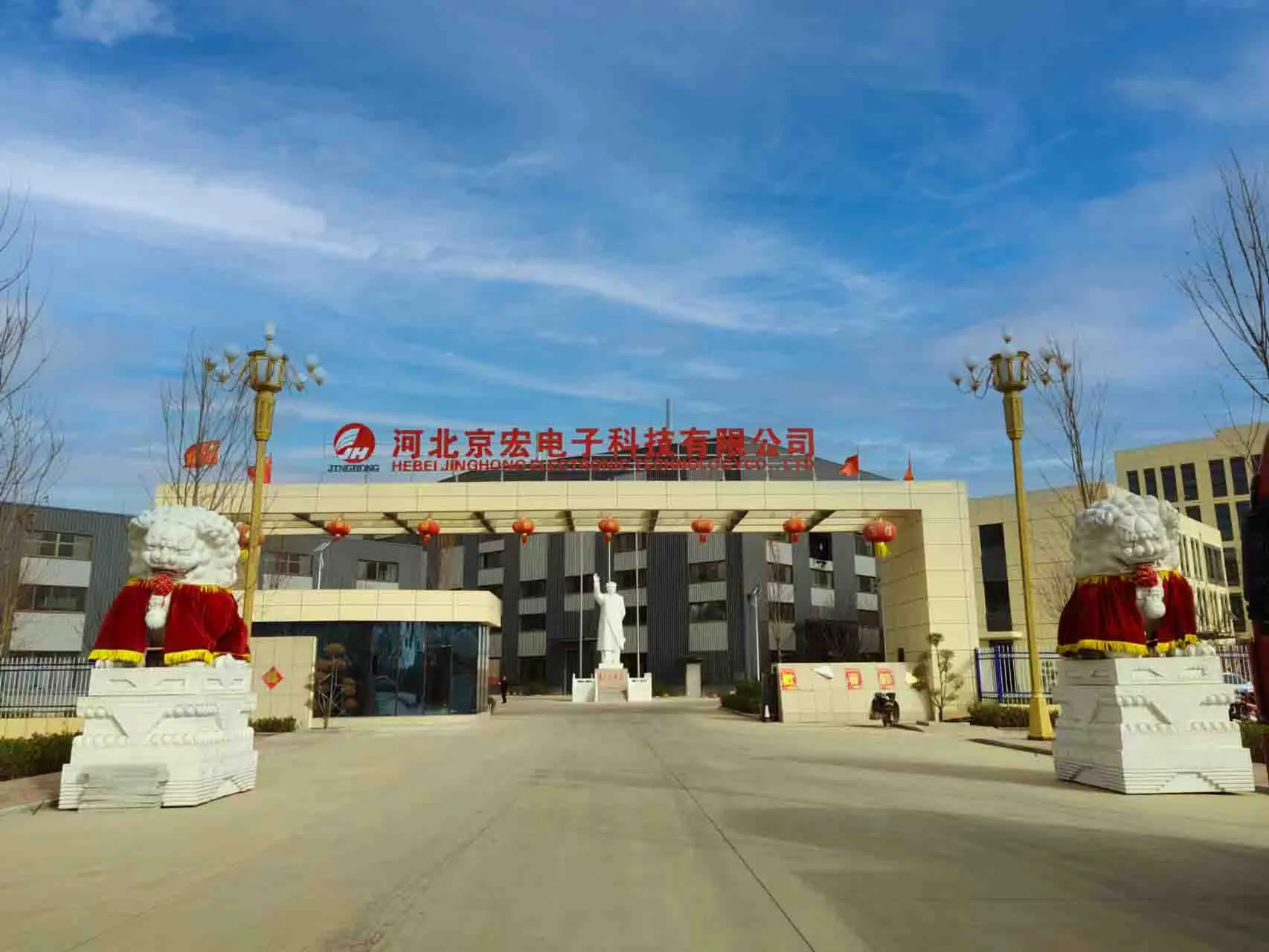
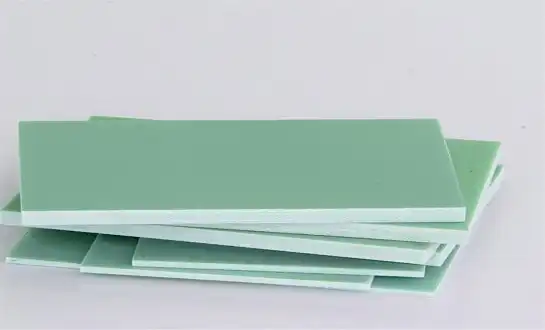
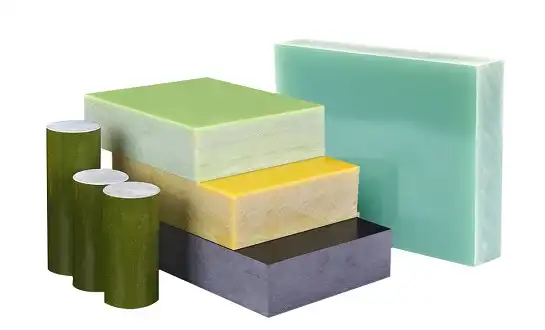
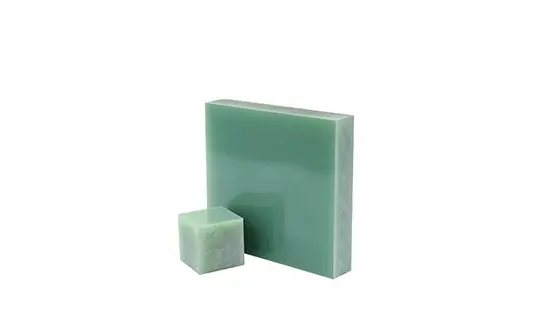
There are a lot of good G10 epoxy sheet suppliers in China, but the market is tough for Southeast Asians looking to buy these sheets. Among the top producers, J&Q is a trusted partner with more than twenty years of production experience and ten years of expertise in foreign trade. The G10 epoxy sheet market is still growing in the SEA regions, which is mostly due to higher demand for electronics, cars, and industry uses. Good Chinese suppliers, like J&Q, offer reasonable pricing and extensive service packages on certified materials that meet global standards. Procurement teams get to know the important providers and what they can do so they can make smart choices that fit the needs of their industry.
Understanding G10 Epoxy Sheet: Properties and Applications
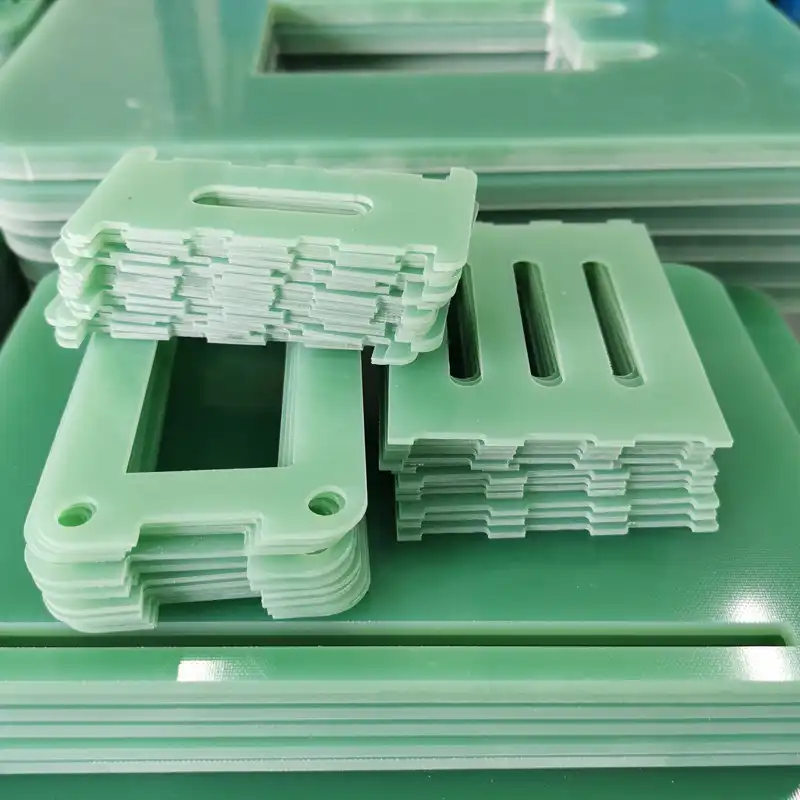
G10 epoxy sheet is a high-performance composite material made by layering woven fiberglass cloth and epoxy glue under controlled conditions of pressure and temperature. This method makes a substance with amazing mechanical strength, electrical insulation, and chemical protection that is better than many other insulating materials.
The dielectric strength of the material is amazing—it usually falls between 15 and 20 kV/mm. This makes it perfect for electrical uses that need to keep power safely separated. The temperature resistance ranges from -50°C to 180°C during constant operation. It can even withstand short-term exposure to higher temperatures without damage.
Key applications span multiple industries where reliability and performance cannot be compromised:
- Electronics Manufacturing: PCB substrates, transformer insulation, and switchgear components where electrical isolation and mechanical stability are paramount
- Industrial Machinery: Structural supports, bearing housings, and precision fixtures requiring dimensional stability under mechanical stress
- Automotive Components: Battery pack separators, motor insulation, and heat-resistant brackets in electric vehicle applications
- Aerospace Applications: Lightweight structural components and electrical insulation systems demanding high strength-to-weight ratios
These different uses show why procurement teams in SEA markets want to buy from well-known manufacturers with a history of good quality control and expert support.
Comparing G10 Epoxy Sheet with Alternative Materials
To choose a material such as G10 epoxy sheet, you need to carefully consider how well it will work, how much it will cost, and how it will be used. Engineers can figure out what works best for their projects when they know how G10 stacks up against other insulation materials.
G11 epoxy laminate can handle higher temperatures than G10; it can work continuously at up to 200°C. G10, on the other hand, has better mechanical qualities and is more cost-effective for uses that don't need to be exposed to very high or low temperatures. The needs for temperature cycling and the budget usually affect the choice of materials.
Another common choice is FR4 resin glass cloth, especially when it comes to electronics. FR4 is widely used in PCB production because it has great flame retardancy. On the other hand, G10 has better mechanical strength and moisture resistance. Because G10 holds its shape and can bear a lot of weight, it is better for structural uses where these factors are important.
Phenolic cotton sheets are cheaper for some uses, but they don't have G10's electrical properties or chemical protection. The organic filler in phenolic materials makes them less effective in harsh chemical conditions where G10 does well.
Carbon fiber materials are great at being strong without adding a lot of weight, but they don't insulate electricity very well and usually cost a lot more than G10. For most industrial uses, G10 is the best mix of price and efficiency.
How to Source Quality G10 Epoxy Sheets from China: A Guide for SEA Buyers
If you want to get good epoxy glass cloth materials from Chinese manufacturers, you need to carefully look at each supplier's skills, quality systems, and service infrastructure. Understanding the key factors that make suppliers trustworthy helps buyers avoid mistakes and build long-term relationships.
The basis of supplier evaluation is quality certification verification. ISO 9001 is a quality management method that many top manufacturers use, along with other industry-specific certifications like UL recognition and RoHS compliance. These licenses show that you are dedicated to upholding consistent quality standards and following the rules in places around the world.
When you evaluate production capacity for G10 epoxy sheet, you make sure that providers can meet the current and future volume needs without hurting quality or delivery schedules. Established manufacturers usually run more than one production line, with extra capacity to handle changes in demand and the emergency orders that come up all the time in industrial uses.
Several critical factors influence pricing and procurement success:
- Order Volume: The unit price is usually better when you buy a larger quantity, but the minimum order quantity is different for each seller.
- Customization Needs: Non-standard thicknesses, surface treatments, or precision cutting services add value but affect wait times and costs.
- Packaging and Logistics: Good packaging stops damage during foreign shipping, and logistics services make delivery easier.
- Technical Support: Getting help from engineers makes it easier to choose the right materials and get the best results from applications.
These things show how important it is to work with full-service suppliers who know what the SEA market needs and can help you with every part of the buying process.
J&Q: Your Trusted G10 Epoxy Sheet Manufacturing Partner
Having done this for a long time, we are able to fully understand the unique problems SEA buyers face and create custom solutions that meet the needs of each individual area.
We can make a wide variety of epoxy fiberglass goods, and our G10 sheets come in thicknesses from 0.5 mm to 100 mm. Standard sheet sizes are 1020×1220 mm and 1020×2040 mm, but custom sizes can be made for unique project needs. The surface finishes go from a normal matte to precision-machined surfaces that are good for very important uses.
J&Q's quality assurance processes go beyond the norms of the industry by confirming the electrical, mechanical, and thermal properties of each production batch through tough testing methods. Dielectric strength testing, flexural strength measurement, and temperature deflection analysis are all ways that our lab makes sure that materials always work the way they are supposed to.
The integrated service method makes J&Q stand out to customers in a number of important ways. Our in-house logistics business offers simple shipping options that help SEA customers save time and money on deliveries. Technical consulting services help people choose the best products and specs for their needs. Responsive customer service makes sure that the business connection always has quick communication and problem-solving.
Working with both American and foreign businesses for many years has given us a better knowledge of the needs of global markets and has helped us create effective ways to deal with difficult transactions between countries. This makes the process of getting things for our customers easier and faster.
Conclusion
As more businesses need high-performance insulating materials, the G10 epoxy sheet market in Southeast Asia is still changing. In this tough market, the only way to get ahead is to work with sellers who are great at making things, know a lot about technology, and can offer a wide range of services. J&Q has been in business for over 20 years, and more than 10 years of that time has been spent on foreign trade. This makes us the perfect partner for SEA buyers who want professional help and dependable, high-quality materials. Our customers find it easier to buy things because of the great value our unified method of production, quality control, and transportation gives us.
FAQs
What flame retardancy rating does G10 epoxy sheet achieve?
G10 epoxy sheet typically achieves UL94 V-0 flame retardancy rating, meaning it self-extinguishes within 10 seconds of flame removal without dripping flaming particles. This makes it suitable for electrical applications where fire safety is critical.
How does G10 compare to regular fiberglass for electrical insulation applications?
G10 offers superior electrical insulation properties with higher dielectric strength (15-20 kV/mm) compared to standard fiberglass materials. The epoxy resin matrix provides better moisture resistance and dimensional stability, making G10 more reliable for critical electrical applications.
What are typical lead times for bulk G10 orders from China to SEA markets?
Standard lead times range from 2-3 weeks for stock thicknesses to 4-6 weeks for custom specifications. Shipping to SEA destinations typically adds 7-14 days depending on the specific country and chosen logistics method.
Can J&Q provide custom machining services for G10 sheets?
Yes, we offer precision CNC machining services including cutting, drilling, milling, and surface finishing. Our machining capabilities can produce parts to tight tolerances while maintaining the material's electrical and mechanical properties.
What quality certifications does J&Q maintain for G10 products?
J&Q maintains ISO 9001:2015 quality management certification along with UL recognition for our G10 products. We also provide RoHS compliance documentation and can supply material test certificates for each batch.
Partner with J&Q for Reliable G10 Epoxy Sheet Supply
Picking the right G10 epoxy sheet provider has a big effect on the success of a project, the quality of the product, and the overall efficiency of the business. J&Q offers great value to SEA buyers looking for professional help and dependable materials by combining decades of production knowledge with full-service capabilities.
Our promise to quality goes beyond just making goods; it includes every part of the customer experience. Technical advice services help people choose the right materials and make the best application designs. The ability to change the amount of each order accommodates both the development of prototypes and the needs of full-scale production. Competitive prices allow businesses to cut costs without lowering the quality of their goods or services.
J&Q's connected logistics system makes foreign shipping easier and better for customers outside the country. To make sure that goods get there on time, our logistics team handles customs clearance, paperwork, and delivery schedules. This all-encompassing method gets rid of the usual problems with buying things from other countries.
Ready to experience the difference that professional service and quality materials can make for your projects? Contact our experienced sales team to discuss your specific requirements and receive detailed quotations. We welcome the opportunity to demonstrate how J&Q can become your trusted long-term partner for G10 epoxy sheet supply. Reach out to us today to contact us at info@jhd-material.com and discover why leading companies across Southeast Asia choose J&Q as their preferred G10 epoxy sheet supplier.
References
Chen, L. et al. "Characterization and Performance Analysis of G10 Epoxy Glass Fiber Composites in High-Temperature Applications." Journal of Composite Materials, Vol. 45, No. 12, 2021, pp. 1287-1301.
Rodriguez, M. "Electrical Insulation Materials for Power System Applications: A Comprehensive Review." IEEE Transactions on Dielectrics and Electrical Insulation, Vol. 28, No. 3, 2022, pp. 891-908.
Thompson, K.J. and Williams, R.A. "Comparative Study of Thermoset Laminate Performance in Industrial Applications." Materials Science and Engineering Review, Vol. 156, 2021, pp. 234-249.
Zhang, H. et al. "Quality Control and Manufacturing Standards for Epoxy-Glass Fiber Laminates in China." International Journal of Industrial Materials, Vol. 33, No. 8, 2022, pp. 445-461.
Anderson, P.C. "Southeast Asian Market Trends for High-Performance Insulating Materials." Asia-Pacific Industrial Materials Quarterly, Vol. 29, No. 4, 2023, pp. 78-92.
Kumar, S. and Liu, X. "Supply Chain Optimization for Composite Materials in Electronics Manufacturing." International Trade and Manufacturing Review, Vol. 41, No. 2, 2023, pp. 167-183.