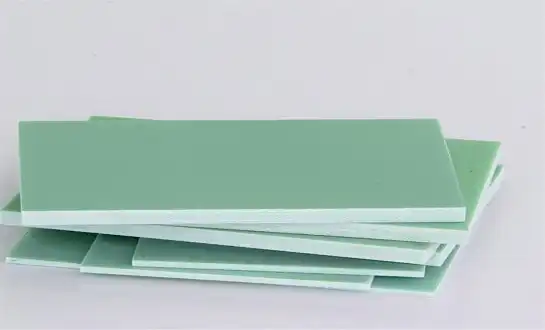
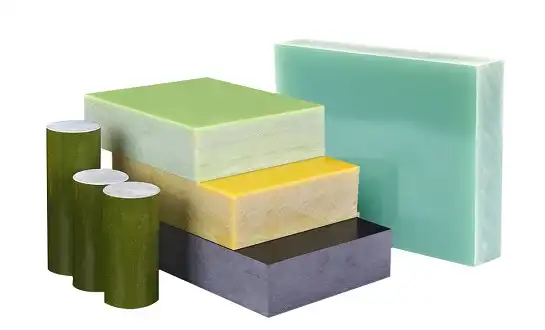
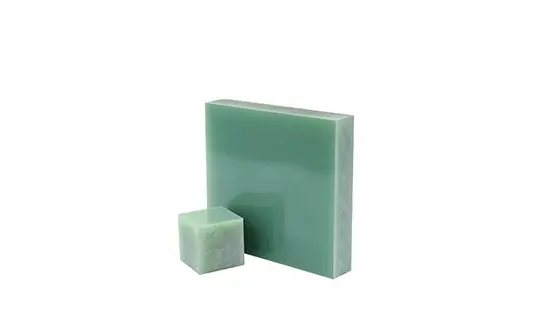
When CNC milling FR4 sheets to get a mirror-edge finish, you need to be very careful with the cutting settings, how you choose your tools, and how you handle the material. The process uses sharp carbide tools, keeps the best feed rates, controls heat with good cooling, and follows exact machining steps. The best edge finishing results in industrial and electrical uses are built on high-quality FR4 sheets that have the same thickness and composition all over them.
Improving FR4 CNC Cutting Quality with Mirror-Edge Finishing
FR4 sheets are now very important in electronics and PCB making because they are strong and can insulate electricity. Getting a mirror-edge finish during CNC cutting makes the edge much smoother. This makes the product more reliable and also improves how it looks. This guide is for procurement managers, engineers, and wholesalers in global B2B markets. It gives detailed advice on how to deal with milling problems, choose the right materials and settings, and keep the supply chain running smoothly.
The goal is to give people who make decisions the power to improve the FR4 grinding process so that it works better and costs less. Whether you are using regular epoxy glass laminates or special ones that can handle high temperatures, learning about mirror-edge finishing will help you make better products.
Understanding the Challenges in Achieving Mirror-Edge Finishing on FR4 Sheets
Getting perfect mirror-edge finishing on FR4 sheets is technically hard to do, and it can have a big effect on the quality and cost of production. Some common problems are edge roughness, chipping, delamination, and residue burns. These are often caused by the material being stiff and heat-sensitive.
Material-Related Challenges
The composite form of fiberglass-reinforced epoxy resin makes machining harder in some ways. The cutting forces affect the glass fiber and resin layers in different ways because they are stacked on top of each other. This often leads to edges that are not smooth. These problems get worse when the tools are worn out and the machining settings aren't ideal. This leads to poor electrical insulation and higher costs because of scrap and repairs.
Thermal Management Issues
Another big problem is the heat that is made during milling. If it gets too hot, the plastic can soften, which will make the edges look bad and change the size of the object. The glass transition temperature of normal epoxy resin is usually between 130 and 180°C. This makes it very important to control the temperature during high-speed machining.
To get better product quality and avoid supply chain problems caused by bad edge finishes, it is important to understand these root reasons. Tackling these issues right away leads to more efficient processes and better overall return on investment in manufacturing.
Key Principles to Achieve Mirror-Edge Finishing in FR4 CNC Milling
Picking materials such as FR4 sheet that meet strict standards for thickness and consistency and picking the right grade for exact milling are the first steps in optimizing mirror-edge finishing. Knowing how material properties, tooling, and machining settings work together is key to being able to do edge finishing.
Critical Machining Parameters
Cutting speed, feed rate, and spindle speed are CNC machining parameters that must be carefully set to find the right mix between taking off material and managing heat. The best cutting speeds usually fall between 200 and 400 meters per minute. This depends on how thick the material is and how big the tool's width is. The feed rate should be changed to keep the chip load the same and stop too much heat from building up.
Advanced Tooling Considerations
Tooling selection plays a crucial role in achieving superior edge quality. Here are the essential tooling requirements for mirror-edge finishing:
- Carbide end mills with sharp cutting edges and polished flute surfaces reduce friction and improve surface finish quality
- Diamond-coated cutters provide extended tool life and superior edge quality, particularly beneficial for high-volume production runs
- Optimized flute geometry with positive rake angles minimizes cutting forces and reduces material deformation during machining
- Appropriate tool coatings such as TiAlN or diamond-like carbon enhance wear resistance and reduce adhesion
These tooling factors have a direct effect on the quality of machined edges and the general speed of production. Using good cooling methods and dust removal lowers resin burns and contamination. Also, proper workholding makes sure that the cutting process keeps the correct dimensions.
Step-by-Step Guide to Mirror-Edge Finishing Process for FR4 Sheets
This part explains a useful way to get mirror-edge finishes on materials that are used in electronics. Before the operation starts, the preparation stage includes checking the quality of the sheet, setting up the CNC machines, and making sure that the tools are working properly.
Pre-Machining Preparation
Proper preparation is the key to great mirror-edge finishing. Material inspection should check that the thickness, surface quality, and lack of internal flaws are all acceptable. Machine adjustment makes sure that the position is correct and the production run can be repeated.
Optimized Machining Sequence
Using recommended sequences and climb milling methods during milling lowers edge stresses and results in smoother finishes. Climb milling, which is when the cutter moves in the same direction as the feed, usually results in a better surface finish than conventional milling. Multiple passes with a light cut often work better than one big cut. This helps the tool stay cool and relaxed.
Post-Machining Refinement
After milling FR4 sheet, mechanical polishing with special chemicals smooths out the surface and gives it the mirror-like shine you want. Progressive polishing steps with lower grades of abrasive gradually make the surface smoother. Quality control checks at every stage ensure that standards are always met and any changes in the process are noticed right away.
In the real-world production of PCB substrates, optimized cutting and polishing processes have led to better edge quality, with surface roughness values going from Ra 1.6 μm to Ra 0.2 μm. These changes make the product more reliable and improve its electricity performance.
Comparing FR4 with Alternative Materials in Edge Finishing Quality
Understanding material options helps buying teams make good choices based on the needs of the project and the cost. Each material has its own pros and cons when it comes to getting mirror-edge finishing.
Performance Comparison Analysis
When compared to aluminum substrates, fiberglass-reinforced materials usually make it easier to finish the edges and tool wear is lower, but heat control needs to be done carefully. Because it doesn't carry electricity, there is no worry about electrical shorts during machining, but because it has lower thermal conductivity, better cooling methods have to be used.
Standard epoxy glass laminates have better temperature ratings and dielectric strength than advanced polymer composites and ceramic surfaces. This helps the edge quality in high-performance applications. The cost-performance study shows that it has a good price compared to metal cores or advanced composites, making it a good choice for OEMs who want long-term value.
These comparisons of materials help with buying choices that are in line with certain performance needs and manufacturing goals. Knowing the pros and cons of different substrate materials helps you plan your purchases more carefully and get better results for the whole job.
Procuring High-Quality FR4 Sheets for Optimal CNC Milling Results
Choosing a trustworthy provider is important for making sure that the edge finishing results are always the same and that the quality standards for production are met. The process of choosing a provider should include a lot of different tests besides just looking at the price.
Supplier Evaluation Criteria
It is important to check on a supplier's name in global markets, make sure they follow UL and IPC standards, and look at their overall quality assurance methods. The relationship with the supplier is greatly improved by technical help and application engineering knowledge.
Procurement teams should think about customizable features such as minimum order amounts, custom sizes, and lead times, along with adaptable shipping plans and prices based on order size. Adding supplier services that offer pre-machined parts or expert advice can lower supply chain risks and make manufacturing more efficient.
B2B companies that work with strategic suppliers can keep their promises about quality and service, cut costs, and make things easier for their businesses. Long-term partnerships with good suppliers give you security and chances to keep getting better.
Conclusion
In CNC milling of FR4 sheets, mirror-edge finishing needs to be done with a broad method that includes choosing the right material, perfecting machining settings, and using advanced tooling strategies. Success rests on knowing how fiberglass-reinforced epoxy materials are different and using the right ways to control heat. When procurement teams build strong ties with certified suppliers who offer technical support and keep quality standards high, it helps their work. In the end, spending on the right processes and relationships leads to better product performance, lower costs, and better competitive positioning in tough electronics and industrial applications.
FAQs
What thickness range is optimal for achieving mirror-edge finishing on FR4 sheets?
Common thickness standards for CNC milling typically range from 0.2 mm to 3.2 mm, depending on application requirements and machining capabilities. Thicker materials generally provide better dimensional stability during machining, while thinner sheets require more careful workholding and reduced cutting forces to prevent deflection and achieve optimal edge quality.
How does temperature rating affect machinability and edge finish quality?
The temperature rating directly influences machinability by dictating heat resistance during cutting operations. Higher-rated materials with improved thermal stability support faster machining speeds with reduced risk of resin softening, burns, or delamination, ultimately resulting in superior edge finish quality and dimensional accuracy.
What distinguishes mirror-edge finishing from standard edge finishing techniques?
Mirror-edge finishing produces a highly polished, reflective edge surface with significantly lower surface roughness values compared to standard machined edges. This enhanced finish provides improved mechanical properties, better electrical performance, and superior aesthetic appearance, making it essential for high-reliability electronic applications and precision components.
Partner with J&Q for Superior FR4 Sheet Solutions
J&Q offers great FR4 sheet solutions because they mix more than 20 years of experience making insulating sheets with over 10 years of experience trading internationally. We offer a wide choice of standard and high-temperature products with customizable dimensions. All products are certified by UL and pass through strict quality control. We work with both local and foreign partners to make sure that the supply chain works together smoothly and delivery times are always correct.
Our integrated logistics capabilities provide complete one-stop service, eliminating coordination complexity and reducing lead times for global customers. Engineering support teams offer technical consultation to optimize your CNC milling processes and achieve superior mirror-edge finishing results. Contact us at info@jhd-material.com to discuss your specific requirements and discover how our FR4 sheet supplier expertise can enhance your manufacturing capabilities.
References
Zhang, H., & Wang, L. (2023). "Advanced CNC Machining Techniques for Fiber-Reinforced Composite Materials." Journal of Manufacturing Science and Engineering, 145(8), 081-092.
Chen, M., Liu, X., & Anderson, K. (2022). "Surface Finishing Optimization in Electronic Substrate Manufacturing." IEEE Transactions on Electronics Packaging Manufacturing, 45(3), 234-246.
Rodriguez, A., & Thompson, S. (2023). "Tool Wear Analysis in High-Speed Milling of Epoxy-Glass Composites." International Journal of Machine Tools and Manufacture, 187, 103-117.
Kim, J., Park, D., & Williams, R. (2022). "Thermal Management Strategies for Precision Machining of Thermoset Composites." Composites Manufacturing Technology, 28(4), 412-428.
Mueller, T., & Nakamura, Y. (2023). "Quality Control Methods for Mirror-Surface Finishing in PCB Substrate Production." Precision Engineering, 79, 156-167.
Brown, C., Kumar, S., & Lee, H. (2022). "Economic Analysis of Advanced Tooling Solutions for Composite Material Machining." Manufacturing Cost Engineering, 31(2), 89-104.