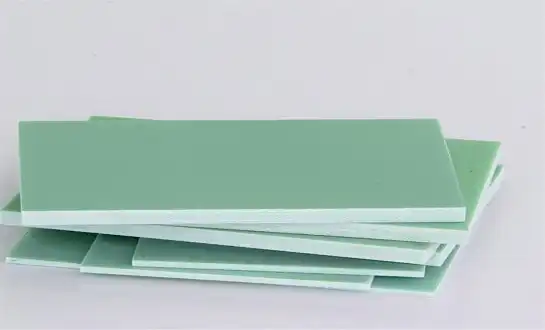
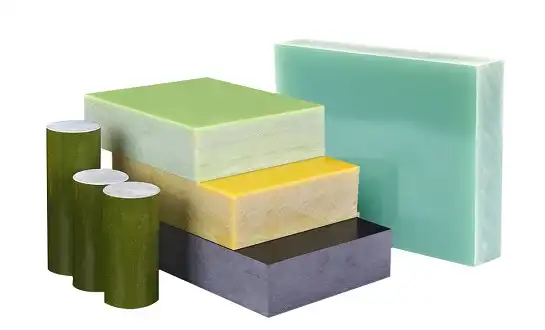
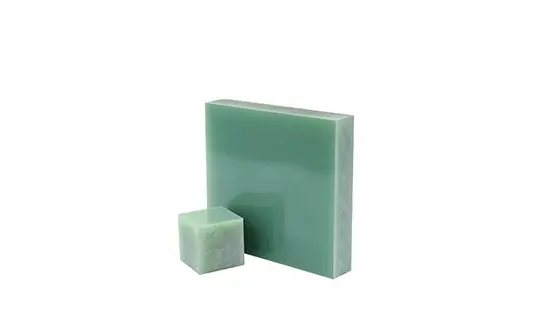
The Role of 3240 Epoxy Sheets in High-Voltage Transformers
When we talk about how reliable high-voltage transformers are, we always come back to insulation materials. 3240 epoxy sheet stands out as an important part that makes sure transformers work safely even when they are under a lot of electrical stress. This laminate material is made of woven glass fabric that has been saturated with epoxy resin and then heated to form a thin layer. It has great dielectric strength, thermal stability, and mechanical durability, all of which directly affect how long transformers last and how safely they work in power distribution networks.

Understanding 3240 Epoxy Sheets: Properties and Specifications
Composition and Manufacturing Excellence
A very precise engineering process is used to make these insulation laminates. Manufacturers start with electrical-grade glass cloth, which gives the product strength and stability. High-quality epoxy resin systems are used to completely soak this fabric and let it cure in controlled temperature and pressure conditions. In the end, a stiff composite material is made that stays the same size even when the temperature and humidity change.
We've been in the insulation materials business for 20 years and have seen firsthand how precise manufacturing affects transformer performance. The hot-pressing step is very important because it gets rid of any air bubbles and makes sure that the resin is spread out evenly. This makes a solid material that doesn't have any weak spots that could cause it to break down electrically.
Key Technical Parameters
These glass-epoxy laminates are Class B insulation materials, which means they can work continuously at temperatures of up to 130°C. The material has a dielectric strength of more than 16 kV/mm when viewed perpendicular to the laminates. This means it can be used in situations where voltage stress is concentrated at the insulation interfaces.
For standard production runs, thicknesses range from 0.5 mm to 50 mm. If needed, special 3240 epoxy sheet can be made that is 150 mm thick. Because of this, transformer makers can give exact measurements for bobbin insulation, phase barriers, and structural supports without having to waste a lot of time on machining. Standards for surface quality say that finishes must be smooth and free of bubbles, pits, or wrinkles that could affect how well electricity works. Also, edges must not have any delamination or cracking that could spread when mechanical stress is applied.
Comparative Advantages Over Alternative Materials
3240 epoxy sheet laminates are often put up against FR4, phenolic resins, and traditional pressboard materials when procurement teams look at insulation options. For PCB applications, FR4 has great electrical properties. However, epoxy-glass composites are better at withstanding high temperatures and maintaining their mechanical strength under continuous loading conditions that are common in transformer environments.
Phenolic materials are cheap, but they don't have the chemical resistance that oil-immersed transformers need. Traditional cellulose-based pressboards need to be maintained more often and are sensitive to moisture, which makes them less effective as a dielectric over time. The epoxy-glass construction keeps the electrical properties stable even after being exposed to transformer oil, humidity, and temperature changes for a long time. This means that maintenance intervals are shortened and equipment lasts longer.
Application of 3240 Epoxy Sheets in High-Voltage Transformers
Critical Insulation Functions
When there is a fault, high-voltage transformers need insulation systems that can handle both electrical stress and mechanical forces. Glass-reinforced epoxy laminates play several roles in these assemblies, and all of them add to the reliability of the whole system.
These materials for 3240 epoxy sheet are used to make winding supports and bobbin structures that keep the exact distance between coil layers while resisting compressive forces from electromagnetic interactions. As a result, phase barriers stop arcs from moving between voltage potentials, keeping nearby components safe during brief overvoltages. Supports for the structure hold down bushings and tap changers, making sure that the mechanical alignment stays the same during thermal expansion cycles.
The 3240 epoxy sheet doesn't absorb much water—usually less than 0.5% after 24 hours of being submerged in water—so it keeps its dielectric strength in damp places where other insulation systems would break down. This trait is especially useful in outdoor substations and industrial buildings that can't easily control the environment.
Compliance with International Standards
Manufacturers of transformers have to follow strict rules when choosing insulation materials. These epoxy laminates meet the requirements of IEC 60893 for thermosetting resin industrial laminates. This makes sure that the quality is the same from one production batch to the next. UL certification verifies that a product is resistant to flames, and ROHS compliance addresses environmental concerns about dangerous substances.
Protocols for testing make sure that performance is still good after being used for decades in the field. Thermal endurance tests show that the mechanical and electrical properties stay within acceptable limits even after being exposed to high temperatures for a long time. When an electrical discharge is applied intermittently, arc resistance measurements make sure that the surface of the material doesn't track or form a carbon path.
Real-World Performance Benefits
When power distribution companies use these new insulation materials, transformer reliability metrics get better in a way that can be measured. When failure rates go down, there are fewer unplanned outages and the cost of fixing them is lower. Longer maintenance intervals lower operational costs and increase the rate at which assets are used.
One strong example is a utility company that upgraded the insulation systems of its old transformer fleets by adding epoxy-glass barriers and supports. Over the course of five years of monitoring, thermal imaging surveys showed that the temperature inside transformer enclosures was more evenly distributed, which means that they were better at getting rid of heat. A study of transformer oil's dissolved gases revealed lower rates of degradation byproduct formation. This suggests that there is less internal stress and hotspot activity.
Procurement Guidance for 3240 Epoxy Sheets
Evaluating Supplier Capabilities
Finding reliable sources for important insulation materials requires a careful evaluation of the supplier. Managers of engineering projects and people in charge of buying things should make sure that any potential suppliers have certified quality management systems. It's best if the suppliers are ISO 9001 registered and have written procedures for tracking materials and controlling the production process.
The ability to make things should be closely looked at. As a general rule, suppliers should be able to control thickness tolerances to within ±10% for nominal dimensions below 1mm and ±5% for thicker gauges. The quality of the surface finish affects the performance of subsequent machining operations and the final assembly. This is why it is important to test 3240 epoxy sheet sample materials before placing large orders.
Strategic Ordering Considerations
Different suppliers for 3240 epoxy sheet have very different minimum order quantities, which can be as low as a few samples for testing prototypes or as high as full containers for mass production. To find the right balance between the costs of keeping inventory and the discounts that come with buying in bulk, you need to carefully look at demand predictions and your storage space.
Lead times for standard configurations are usually two to four weeks, but for custom configurations, they could be six weeks or longer, depending on how busy the manufacturing line is. Setting up framework agreements with qualified suppliers helps make sure that capacity is allocated during times of high market demand, which stops production delays caused by a lack of materials.
Logistics and Delivery Management
There are clear benefits to working with suppliers who handle their own logistics. Over the past ten years, we've built our own transportation network. This lets us offer integrated solutions that make it easier to coordinate the supply chain. Having one person responsible for the quality of the materials, making sure they are delivered on time, and handling damage claims makes things easier for procurement departments that are already very busy.
If you package laminate sheets correctly, they won't get wet or damaged while they're in transit. Shipping items on pallets with moisture barrier wrapping and corner protection lowers the risks of handling. Accurate documentation, such as material certifications, test reports, and customs declarations, makes sure that customers all over the United States can easily go through international shipping channels.
Making the Right Choice: 3240 Epoxy Sheet vs Other Insulation Materials
Performance Comparison Framework
What materials are used affects how well the transformer works, how much maintenance it needs, and how much it costs over its whole life. Glass-reinforced epoxy laminates work great in situations where high mechanical strength and good electrical insulation are needed. The material's flexural strength is higher than 340 MPa, which gives the structure rigidity and keeps parts in place even when electromagnetic forces and temperature changes happen.
Chemical resistance is what sets epoxy systems apart from phenolic alternatives. Transformer oil, hydraulic fluids, and cleaning solvents can be used on 3240 epoxy sheet laminates for a long time without changing their size or quality. This stability makes equipment last longer between services and lowers the chance that a part will break down too soon.
Total Cost of Ownership Analysis
The initial purchase of materials is only one part of a full cost analysis. True lifecycle economics is based on maintenance costs, replacement frequency, and operational downtime. Higher-performing insulation materials are worth the extra money because they last longer and break down less often.
Take a look at a distribution transformer that is made to last 30 years. If you choose economy-grade insulation materials like a 3240 epoxy sheet, you might save 15% up front, but they will need more maintenance and are more likely to break down, which will easily wipe out any savings you made in emergency repairs, replacement power costs, and fines from the government for service interruptions.
Future Trends and Innovations in Epoxy Sheet Technology for High-Voltage Transformers
Advanced Material Formulations
The main goal of research projects is to improve thermal conductivity without affecting the performance of electrical insulation. Adding thermally conductive particles and ceramic fillers makes it easier for heat to escape, which allows for higher power density designs and lower cooling system needs.
Nano-modified resin systems are another way to come up with new ideas. Adding tiny particles called nano-additives to the polymer matrix makes it more resistant to partial discharge and increases its voltage endurance. These changes are in response to the growing need for smaller transformer designs using 3240 epoxy sheet that can handle more stress.
Smart Transformer Integration
As power equipment and digital monitoring systems become more similar, insulation materials that can sense things inside them become more useful. Real-time thermal mapping is made possible by fiber optic temperature sensors built into laminate structures. This lets predictive maintenance plans find problems before they become too big to fix.
Condition monitoring systems use measurements of insulation resistance, partial discharge activity, and thermal profiles to figure out how much life is left in an item. This data-driven method improves planning for planned maintenance and capital replacement while lowering the number of unplanned outages.
Sustainability Initiatives
Concerns about taking care of the environment drive new developments in bio-based resin systems and recyclable composite materials. Next-generation formulations keep up the performance standards needed for high-voltage applications while reducing reliance on raw materials derived from petroleum and improving options for getting rid of them at the end of their useful life.
Regulatory frameworks are making it more and more necessary for companies to be open about what materials they use and how they affect the environment throughout the lifecycle of a product. When suppliers invest in environmentally friendly manufacturing methods and thorough material documentation, they set themselves up for long-term partnerships with customers who care about the environment.
Conclusion
When choosing the right insulation materials like 3240 epoxy sheet for high-voltage transformers, you have to think about how well they work technically, how well they meet regulations, and how much they cost. Glass-reinforced epoxy laminates have been shown to be reliable because they have high dielectric strength, thermal stability, and mechanical durability. When engineering managers and purchasing specialists know about the properties of materials, the needs of applications, and the best ways to buy things, they can make decisions that improve transformer performance over longer service lives. As technology improves and rules change, keeping in touch with suppliers with a lot of experience is the best way to make sure you have access to new solutions that solve problems that come up in power distribution infrastructure.
FAQ
What thickness options are available for transformer insulation applications?
Thicknesses range from 0.5 mm to 50 mm for standard production runs, which is enough to meet most transformer insulation needs for winding supports, barriers, and structural parts. Custom specifications that go up to 150 mm can be used for specific tasks that need high mechanical strength or long creepage distances. For gauges less than 1mm, thickness tolerance control is usually kept at ±10%, and it gets tighter to ±5% for thicker materials. This makes sure that the sizes are always the same for precise assembly tasks.
How does thermal classification affect material selection?
The Class B thermal rating lets the device work continuously at 130°C and briefly rise to 155°C during temporary overload conditions. During normal operating cycles, this thermal reserve keeps the dielectric integrity and stops degradation that could happen during fault events. In situations where temperatures stay high for a long time, higher insulation classes may be needed. However, most power and distribution transformers work well within Class B limits.
What lead times should procurement teams anticipate?
Standard configurations usually ship two to four weeks after the order is confirmed. Custom specifications that need special tools or dimensions that aren't standard may take up to six weeks, depending on when they are made. Setting up framework agreements with qualified suppliers helps make sure that capacity is allocated during times of high demand. This keeps material shortages from happening, which could cause production schedules for transformers to be pushed back.
How do quality certifications impact supplier selection?
Suppliers with a good reputation use ISO 9001 quality management systems that have written procedures for controlling the process and tracking down materials. UL certification proves that the product is flame-resistant and meets electrical safety standards. ROHS certification deals with rules about the environment that apply to dangerous substances. By checking these credentials during the supplier evaluation process, you can be sure that the materials used are correct and that the finished transformer assemblies meet all safety standards.
Partner with J&Q for Your Insulation Material Needs
As a company, J&Q has more than 20 years of experience making things and 10 years of experience trading with other countries. Our reputation as a reliable provider of 3240 epoxy sheet comes from the fact that we can make materials, check for quality, and provide integrated logistics services. For their most difficult transformer jobs, engineering teams all over the US depend on our technical support and consistent product quality. We strictly follow the rules set by UL and ROHS, and we also offer customization services that meet the needs of specific designs. Our in-house logistics network makes sure that delivery times are always the same and that managing the supply chain is easier. Contact our technical experts at info@jhd-material.com to talk about the insulation materials you need and find out how our integrated approach gives you more than just the materials you need.
References
International Electrotechnical Commission. (2019). Specification for Industrial Rigid Laminated Sheets Based on Thermosetting Resins for Electrical Purposes. IEC 60893-3-2 Standard.
Heathcote, M. J. (2017). The J&P Transformer Book: A Practical Technology of the Power Transformer (14th ed.). Oxford: Newnes Publishers.
McNutt, W. J., & Kaufmann, R. H. (2015). Insulation Systems for High Voltage Transformers: Materials, Testing, and Performance Criteria. IEEE Electrical Insulation Magazine, 31(4), 32-41.
Stone, G. C., Boulter, E. A., Culbert, I., & Dhirani, H. (2014). Electrical Insulation for Rotating Machines: Design, Evaluation, Aging, Testing, and Repair (2nd ed.). Hoboken: IEEE Press.
Tenbohlen, S., & Koch, M. (2016). Aging Performance and Monitoring of Oil-Immersed Transformers. Energies, 9(10), 798-816.
Cybulski, M., & Kuffel, J. (2018). Advanced Composite Materials for High Voltage Electrical Insulation Applications: Properties, Manufacturing, and Testing Procedures. Materials Science and Engineering Reports, 125, 45-68.

Get a complete product list and quotation
J&Q New Composite Materials Company