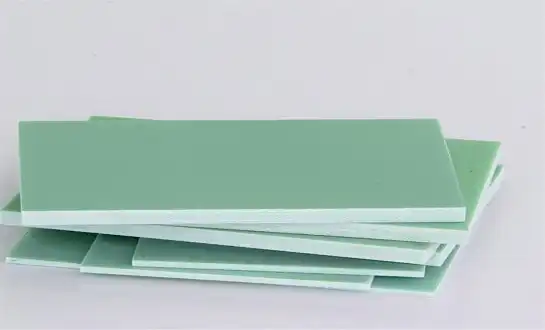
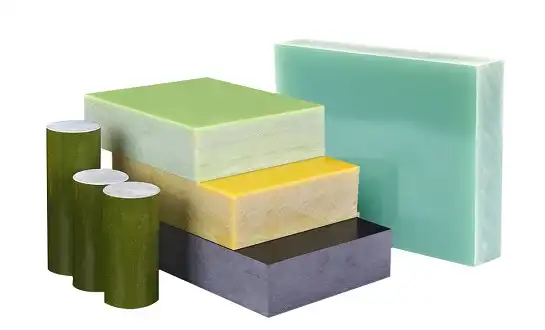
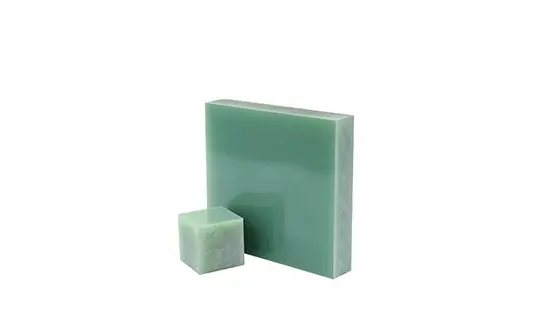
The Machinability of Phenolic Cotton Sheets vs. Paper-Based Bakelite
If you look at how easy it is to make phenolic cotton sheets versus paper-based Bakelite, you can see the difference right away in any modern machine shop. Phenolic cotton cloth laminate has better structural stability during CNC operations, which means that it keeps tolerances tighter while reducing tool wear. It doesn't microcrack or delaminate because its woven cotton fabric reinforcement spreads out cutting forces more widely than paper-based options. This means that there will be less waste and the tools will last longer, which are both very important for electrical makers and machinery builders who want to keep quality high even during high-volume runs.
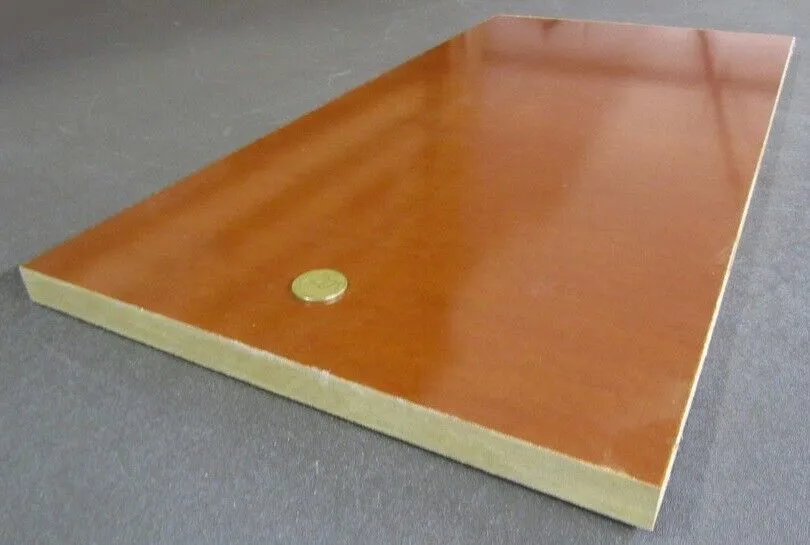
Understanding Phenolic Cotton Sheets and Paper-Based Bakelite
Composition and Manufacturing Process
Using phenolic resin to soak woven cotton fabric and then sealing it at high pressure and temperatures above 150°C makes phenolic cotton sheets. Through this process, a hybrid is made. The cloth reinforcement gives it strength, and the thermosetting resin core keeps electricity from flowing and resists chemicals. The direction of the cloth weave affects its strength and how it behaves when it is machined.
Material Properties Comparison
Bleached wood pulp or cotton linter paper is used as a support in paper-based Bakelite boards. Phenolic resin, which also cures through heat and pressure, holds these pieces of paper together. Even though the paper fibers work well as electrical insulation, they are not as strong or resistant to tears as woven cotton fabric. This means that they have different mechanical performance characteristics.
Different performance patterns are caused by basic differences in the structure of the reinforcement. When put under a lot of mechanical stress, phenolic cotton laminates don't break as easily as other materials. This "fail-safe" quality is very useful in turning situations; if they get too heavy, cotton-reinforced gears will slowly shred instead of breaking, which protects expensive steel drive parts.
Paper-based Bakelite is good at blocking electricity and doesn't cost as much, so it can be used in places where mechanical needs are low. It's easier to work with and lighter, which makes it appealing to companies that make a lot of appliances and base their decisions on cost per unit. However, the paper support makes the material more brittle, which makes precise machining more difficult.
Machinability Comparison: Phenolic Cotton Sheets vs. Paper-Based Bakelite
Cutting and Drilling Efficiency
The cutting behavior of phenolic cotton sheets is clearly improved during CNC machining processes. The woven cloth support spreads the cutting forces out evenly, which lowers chatter and shaking that can mess up measurements. Drill bits make holes that meet tight clearance requirements without having to do any extra deburring. They do this by drilling cleanly and leaving few burrs behind.
Paper-based Bakelite is more likely to chip and delaminate along the edges when cut. Paper threads don't have the structural continuity of woven cloth, so there are places where layers could split when the paper is cut. When drilling, feed rates need to be slowed down and special tools need to be used to keep the hole from tearing at the exit points. This makes the process take longer and costs more to make.
Tool Wear and Operational Costs
Tool life is a big secret cost in making things in large quantities. When compared to paper-based options, phenolic cotton cloth laminates don't wear down carbide cutting tools as much. The cloth structure ensures even chip formation that flows neatly away from cutting areas, stopping heat buildup that speeds up tool wear.
The stronger and more abrasive phenolic resin substance in paper-based Bakelite—needed to make up for weaker reinforcement—makes tools wear out faster. Operators often notice that cutting edges wear down faster, which means that tools need to be changed more often, which slows down production and uses up upkeep resources. Over long production runs, these differences that don't seem important add up to big differences in costs.
Thermal Stability During Machining
During cutting, heat is created, which changes both the quality of the material and the accuracy of its measurements. The size of phenolic cotton sheets stays the same across normal temperature ranges for machining, and their thermal expansion rates stay fixed and easy to handle. This steadiness makes it easier to control the process and cuts down on waste caused by heat distortion.
The heat from cutting is more noticeable on paper-based Bakelite, especially when the work is done continuously, like when milling or turning for a long time. Localized heating can briefly soften the resin core, which makes it hard to cut cleanly. This trait makes it harder to get smooth surface finishes and keep accurate limits for size across batch production.
Surface Finish Quality
Getting a uniform surface finish has a direct effect on how well the product looks and how quickly it can be put together. Phenolic cotton laminates can be machine-made to have smooth, even surfaces with little extra work. The cloth reinforcement helps with clean shearing, which makes surfaces that can be put together right away or just cleaned up before gluing or coating.
Paper-based options often need extra steps of cleaning to get the same quality surface. When the paper is cut, the threads may lift or fuzz, making rough surfaces that don't meet the needs of gasket sealing, electrical contact, or looks. Sanding or other additional finishing costs more in work and materials and takes longer to make.
Key Factors Affecting Machinability of Phenolic Cotton Sheets
Material Thickness and Grade Variations
There are different kinds of phenolic cotton sheets based on the stiffness of the fabric weave, the type of resin used, and the treatment applied after the laminate has dried. To keep the quality, cutting factors need to be changed for thicker sheets, which are usually between 3 mm and 50 mm thick. Feed rates usually go down for bigger pieces so that too much heat doesn't build up, and cutting speeds may go up a little to help get rid of chips more quickly.
Higher-grade materials usually have tighter cloth weaves and purer resin systems, which make them more consistent but sometimes make them harder. Procurement teams should tell sellers exactly what grade they need to make sure the materials they send match the production engineering-set tools and process parameters.
Tool Selection and Machining Parameters
Most of the time, carbide tools work best with phenolic cotton laminates because they last longer against the slightly rough phenolic resin and keep their sharp cutting edges. Tool shape is very important. For example, positive rake angles lower cutting forces and heat production, and good clearance angles stop rubbing that hurts the quality of the finish.
When choosing a coolant, you need to think about how resistant the material is to chemicals. Many industrial fluids can pass through phenolic laminates without harm, but coolants made from gasoline may seep in over time. Most of the time, air cooling or water-soluble coolants are enough to get rid of heat without changing the properties of the material or making it unstable in terms of its size.
Environmental Conditions and Storage
Although phenolic cotton sheet storage is less affected by humidity than many industrial laminates, it is still important to store them properly. Before cutting, materials should get used to the conditions of the production area so that their sizes don't change during the process. Because it is very resistant to chemicals, it doesn't absorb much moisture. However, big changes in humidity can cause small changes in thickness that can make precision work harder.
Stable temperatures in the machining setting help keep the accuracy of the measurements. Even though phenolic cotton laminates don't expand much when heated or cooled, differences in temperature between storage and production areas can cause measurable changes in size in precise applications with margins of 0.1 mm or less.
Practical Applications and Case Studies in Industrial Machining
Electrical Insulation Components
Phenolic cotton sheets are frequently machined into spark barriers, terminal boards, and insulation spacers by switchgear makers. The material is very dielectrically strong and can be easily machined to make complicated shapes with accurate fixing holes, curved surfaces, and built-in alignment features. CNC cutting makes parts that meet UL and ROHS standards and keep their mechanical integrity even when they are under a lot of electrical stress.
Manufacturers of transformers like how phenolic cotton cloth laminates keep their shape in coil insulation uses. Even when the temperature changes, the components keep the exact distance between the windings. This stops electrical flaws and keeps the magnetic field shape stable. The material's ability to resist heat and fire makes power transfer tools safer in important ways.
Mechanical Components and Wear Parts
For gears, bearings, and wear strips, industrial machinery builders are choosing phenolic cotton laminates more and more. The ability to self-lubricate means less upkeep is needed, and the ability to dampen vibrations means less noise compared to metal options. Using standard CNC tools, it's easy to machine these parts to exact tooth shapes or bearing clearances.
For custom gear production, a machinery OEM moved from paper-based Bakelite to phenolic cotton sheets and saw a 40% drop in the time it took to make each part. The life of the tool went up by 60%, and the difference in size between production lots went down by 50%. Even though the prices of the materials went up a little, these changes led to lower per-unit costs. This shows how better machinability affects the total cost of ownership.
Automotive and Transportation Applications
More and more, companies that make battery packs for electric cars are using phenolic cotton laminates as thermal barriers and structural insulation. The material is easy to machine and can be used to make complicated mounting mounts with built-in standoffs, wire routing paths, and thermal management features. Precision cutting makes it possible to keep assembly errors very small, which is important for heat performance and vibration protection.
Fixtures and insulation pads made from phenolic cotton cloth that can handle being heated up and still keep their shape are used in car production settings. The material is stable at changing temperatures, so it doesn't bend or crack like paper-based options do in tough situations.
Procurement Guidance for Phenolic Cotton Sheets
Quality Standards and Supplier Certifications
Suppliers you can trust keep quality control systems that are approved to international standards. This makes sure that the properties of the phenolic cotton sheets are the same from one production batch to the next. Teams in charge of buying things should make sure that sellers give them test reports on the materials they offer that show their dielectric strength, mechanical qualities, and size tolerances. Certification to NEMA, IEC, or similar standards shows that the product meets well-known standards in the business.
Before committing to big sales, a sample review helps find problems that might happen. To check for uniformity, ask for samples from different production lots. Using real production tools and settings, machine test pieces are checked for accuracy in dimensions, surface finish, and tool wear patterns. This real-world test shows how the materials will work in actual production settings.
Bulk Ordering and Customization Options
Phenolic cotton cloth laminates usually come in normal sheet sizes, but many providers can cut them to your exact measurements. When you order in bulk, you can often get better prices, but you need to think about the costs of storage room and keeping supplies. When materials are stored for a long time and kept away from high humidity and temperature changes, they stay solid.
When you need a certain width, you may need to make special runs with a minimum order quantity. Talking to suppliers early on in the planning process helps make sure that the material requirements match up with what is available, which keeps the project from being held up. Suppliers with a lot of experience can often offer other standard thicknesses that will work for your purpose and keep costs low.
Pricing Considerations and Total Cost Analysis
It's possible that phenolic cotton sheets cost more per unit than paper-based Bakelite, but a total cost study will often show that they are cheaper in the long run. Better machinability lowers the cost of work per part, faster processing raises output, and longer tool life lowers the cost of replacement parts. Better physical stability leads to less waste, which cuts costs even more.
Shipping weight and logistics must be taken into account when comparing delivery costs. Because phenolic cotton laminates are lighter than some other materials, they can save you money on freight costs, especially for foreign shipping. Integrating transportation skills into a supplier's services can make buying things easier and could save you money by making shipping more efficient.
Conclusion
Material choice affects how well a product is made, how much it costs in the long run, and how much it costs to make in the first place. It is clear that phenolic cotton sheets are easier to work with than paper-based Bakelite when it comes to important performance factors like stability, tool life, surface finish quality, and process consistency. These differences in how things are used directly lead to lower production costs, less waste, and more reliable finished goods.
When buying teams know how the structure of the reinforcement, how it reacts to heat, and its mechanical features affect the results of machining, they can make decisions that are in line with practical goals. As industrial uses call for tighter tolerances and higher production rates, materials that are easy to machine regularly and cleanly give companies a competitive edge that builds over the lifespan of a product.
Frequently Asked Questions
Why do phenolic cotton sheets outperform paper-based Bakelite in machining?
When it comes to structural consistency, phenolic cotton sheets with woven cotton fabric support are better than paper fibers. This fabric's structure spreads out cutting forces evenly, so it doesn't tear or chip like paper-based materials do. This leads to better surfaces, cleaner cuts, and more consistent results in terms of dimensions across production runs.
What best practices maintain surface quality during machining?
It is still important to have sharp tools, because slow cutting edges tear the material instead of shearing it, which damages the surface finish. Maintaining the right feed rates stops too much heat from building up and makes sure that chips are properly ejected. For important surfaces, the best results come from a light finish pass with very little depth of cut. Quickly cleaning machined surfaces gets rid of dust and resin particles that could get in the way of the next steps, like putting the parts together or sealing them.
Which certifications should buyers require from suppliers?
Look for sources that offer materials that are approved to meet NEMA standards for phenolic laminates. This will make sure that the electrical and mechanical properties stay the same. UL certification makes sure that flame protection and electricity insulation meet safety standards. The ROHS compliance paperwork makes sure that the materials follow environmental rules. This is especially important for electronics used in controlled markets.
Partner With J&Q for Superior Phenolic Cotton Sheet Solutions
We want engineering managers, purchasing experts, and technical decision-makers to see how phenolic cotton sheets can help with cutting. Because we've been making insulation products for 20 years and selling them in foreign markets for 10 years, we can meet all of your application needs. As a company that both makes phenolic cotton sheets for sale and handles transportation, we can help you with everything from choosing the right materials to delivering them.
Our expert team works with customers to find the best grades, thicknesses, and specs for the ways you make things. We have the quality processes and production ability to meet tight deadlines whether you need standard sheets, custom sizes, or precision-cut parts. You can email us at info@jhd-material.com to get samples, talk about technical details, or get full quotes for your next job.
References
"Phenolic Laminated Materials: Composition, Properties and Industrial Applications," Society of Plastics Engineers Technical Journal, Volume 48, 2021.
Harper, Charles A., "Handbook of Plastics Technologies: The Complete Guide to Properties and Performance," McGraw-Hill Professional Publishing, 2020.
"Machinability Assessment of Thermosetting Composites in Precision Manufacturing," International Journal of Advanced Manufacturing Technology, Volume 112, 2022.
Richardson, Terry, "Industrial Laminates: Selection Criteria for Electrical and Mechanical Applications," Elsevier Materials Science Series, 2019.
"NEMA Standards Publication LI 1-1998: Industrial Laminating Thermosetting Products," National Electrical Manufacturers Association, Revised 2021.
Gerdeen, James C., "Material Selection and Design for Manufacturing," Pearson Technical Publishing, 2020.

Get a complete product list and quotation

J&Q New Composite Materials Company