Choosing the Right CNC Router Bits for Milling Bakelite and Phenolic Cotton Sheets
To choose the right CNC cutter bits for milling Bakelite sheet and phenolic cotton laminates, you need to know about both the features of the materials and how the cutting tools work. To keep these thermosetting materials from chipping, delaminating, or getting damaged by heat, you need carbide tools with optimized flute shapes and controlled feed rates. To keep production going smoothly and meet tight size requirements for insulation parts and mechanical parts, engineering managers in the electrical manufacturing and industrial machinery sectors have to find a balance between how long tools last and how well they are finished on the outside.
Understanding the Characteristics of Bakelite and Phenolic Cotton Sheets
The Unique Nature of Thermosetting Laminates
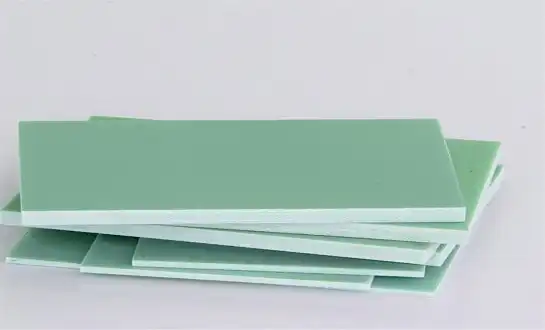
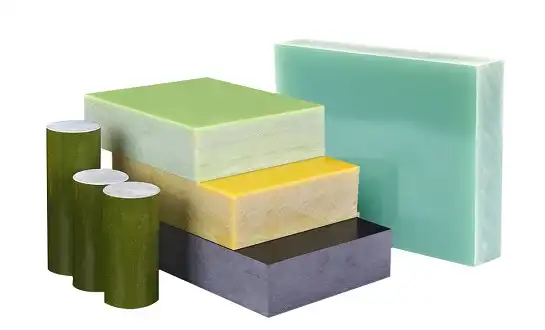
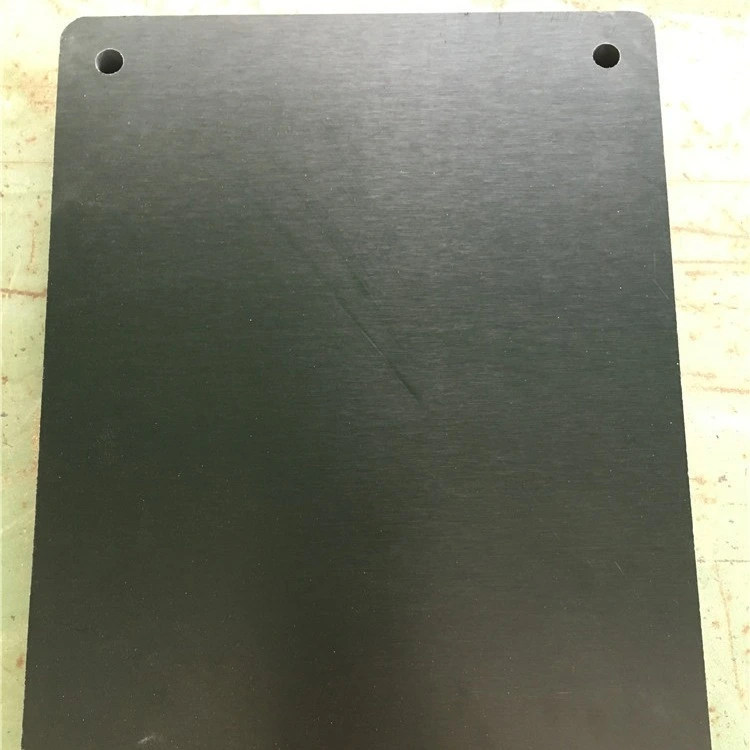
Bakelite sheets, which are also known as phenolic paper laminates or SRBP (Synthetic Resin Bonded Paper), are one of the first synthetic plastics that is still used in industry today. The phenol-formaldehyde glue and cellulose paper layers were polymerized under heat and pressure to make these materials. They harden into structures that don't melt. Thermoset phenolic materials don't change shape when heated like thermoplastics do. They stay the same size up to 300°F (149°C), which makes them essential for switchgear parts, transformer barriers, and motor insulation frames.
Phenolic cotton sheets (SRBF—Synthetic Resin Bonded Fabric) are used instead of woven cotton cloth, they are stronger and less likely to tear. When the compressive load is more than 30,000 psi, these types are preferred by makers of industrial machines for bearing retainers, wear plates, and structural spacers. The cloth reinforcement has uneven qualities that change how the material behaves when it is machined in different ways along different grain orientations.
Machining Challenges Specific to Phenolic Composites
When phenolic resin cures, it becomes hard and brittle, which makes it difficult to machine. When CNC slicing, cutting at too high of speeds can create frictional heat that can burn the surface or char the resin matrix. Paper and cloth fills are rough, which speeds up tool wear, especially for high-speed steel bits. Chip removal is very important because if the flute clearance isn't enough, compressed particles can re-cut surfaces, which lowers the quality of the finish.
Another major risk is decontamination. If the bit isn't sharp enough or the feed pressure is too high, the laminate layers may break apart instead of being sheared neatly. Electrical shielding can't handle even small delaminations because letting water in through the split layers lowers the dielectric strength below the 12 kV/mm level needed for high-voltage equipment.
Material Composition Impacts on Tool Selection
Standard types of Bakelite sheet have between 40 and 50 percent phenolic resin by weight, with the rest being cellulose strands. A higher resin content makes the material more brittle but also makes its electrical qualities better, which means that it needs to be cut with more care. Cotton-based phenolic laminates are tougher because their fibers are longer, which lets them be machined more aggressively without breaking the edges.
Knowing about these changes in makeup helps procurement teams choose the right CNC router bits. Automotive battery pack insulators made from glass-reinforced phenolic varieties need diamond-coated tools because they are very rough, but normal electrical-grade Bakelite works well with fine carbide bits.
Criteria for Choosing CNC Router Bits for Bakelite and Phenolic Cotton Sheets
Tool Material Composition and Durability
Because they don't wear down easily against abrasive fillers, carbide-tipped and solid carbide cutter bits are the most common type used for phenolic cutting. Micrograin carbide mixtures with cobalt binders have the best toughness-to-hardness ratios and don't microchip when cuts are halted, which is typical in profiling operations. Even though high-speed steel bits are cheaper at first, they don't last as long as carbide bits when milling paper-based laminates (20–30% longer), so they aren't cost-effective for production numbers above small trial runs.
Polycrystalline diamond (PCD) cutting is the best; it lasts 50–100 times longer than carbide tools in high-silica phenolic grades. Companies in the power sector that make thousands of transformer spacers can often explain their PCD investments by cutting down on downtime and making sure that the dimensions stay accurate over long production runs.
Flute Design and Chip Evacuation Efficiency
Surface quality and heat control are directly affected by the shape of the flute. Straight flute bits remove chips quickly and aggressively, making them perfect for roughing tasks or working with thicker phenolic cotton sheets where speed of removal is more important than finish. The linear cutting motion reduces the side pressure that could separate the layers of the laminate.
Upcut circular flute designs push chips away from the work area, which stops the need to cut again and stops heat from building up near the cut zone. This shape works well for cutting through holes and pockets in electrical insulation panels. On the other hand, downcut spirals flatten material surfaces, which lowers top-edge splintering on finished faces, which is important for parts that can be seen in device housings.
Compression bits take upcut and downcut pieces and join them together. This makes the sides of both laminate faces clean at the same time. Manufacturers of home appliances that use artistic phenolic panels appreciate this dual-action feature because it cuts down on the need for extra finishing steps.
Coatings and Heat Dissipation Properties
Titanium-based coats (TiN, TiCN, and TiAlN) lower the friction between cutting edges and phenolic resin, which cuts down on heat production by 15 to 25 percent. Because the temperature load is lower, the glue doesn't soften and gum up on the flute surfaces. These coats also make tools last 2-3 times longer in settings where they are used all the time.
Diamond-like carbon (DLC) surfaces have even less friction and better anti-stick qualities. They are especially useful for cutting resin-rich Bakelite grades that tend to build up. Coating bits increases their price by 30 to 40 percent, but for medium to high volume processes, the longer replacement times and better part consistency usually make the cost worth it.
Dimensional Matching and Application-Specific Sizing
Matching the bit's width and cutting length to the thickness of the sheet makes it more rigid and less likely to bend. When milling 3mm insulation rings from standard Bakelite sheets, 6mm diameter bits work best because they provide enough strength while keeping cutting forces to a minimum. For perimeter profiling, 12–16 mm bits may be used on larger structure parts in industrial tools.
It seems clear that the shank width should be compatible with CNC router collets, but this often leads to mistakes when buying. Machines made in other countries may need shanks that are 6mm or 8mm in diameter, but machines made in North America usually use 1/4" and 1/2" imperial sizes. Checking for suitability keeps expensive tools from going to waste.
Comparing Different CNC Router Bit Types for Bakelite and Phenolic Cotton Sheets
Carbide Versus High-Speed Steel Economics
At first, carbide bits are three to five times more expensive than their HSS peers, but their economics make them more useful for jobs that need to cut more than 500 linear feet of phenolic materials. A premium carbide bit keeps its edge sharp for 2,000 to 3,000 linear feet in standard-grade Bakelite sheets, but an HSS bit loses its sharpness after 400 to 600 feet and needs to be replaced more than once. During the first production run, the labor costs for changing tools and then recalibrating the machine usually go over the carbide extra.
Suppliers of automotive parts that machine battery separator plates say that their per-part cutting costs are 40% lower now that they use carbide instead of HSS, even though the initial investment was higher. Because the carbide bit's edge shape stays the same over its lifetime, tolerances stay tighter, which lowers the amount of scrap caused by dimensional shift.
Single-Flute Versus Multi-Flute Performance
Single-flute router bits work best for phenolic cutting because they make the most chip removal and produce the least amount of heat. When only one cutting edge is used, heat escapes between turns, stopping the buildup of heat that burns resin. This design works especially well for electrical equipment parts with complicated shapes where surface charring can damage the insulation.
Manufacturers who make a lot of things like double-flute bits because they remove 60–80% more material than single-flute designs. But because chips are being made faster, dust cleaning systems need to be improved to keep them from getting clogged. In order to balance output with finish quality, companies that make power distribution equipment often use double-flute bits for roughing passes and then switch to single-flute tools for final dimensioning.
Straight Flute Applications in Heavy-Duty Machining
Straight flute shape makes cutting forces that are vertical, which is perfect for thick phenolic cotton sheets that are used in structural and mechanical gearing applications. Because there is no spiral helix, there is no axial pressure that could pull thin laminates off of their fixtures. When making 25mm wear plates for industrial machines, builders say that straight flute bits are better at holding the workpiece in place than spiral designs.
The simpler shape also lets shops that can grind resharpen the tools themselves, which increases the economy of the tools. It's important to keep the edges sharp because dull, straight flutes press down on the material instead of cutting it, which raises the risk of delamination.
Practical Tips and Best Practices for Milling Bakelite and Phenolic Cotton Sheets
Optimized Cutting Parameters for Quality and Efficiency
Spindle speed tuning finds a balance between how well the cutting works and the risk of heat damage. For bakelite sheets with 6mm carbide bits, running at 18,000 to 22,000 RPM gives the surface enough speed (about 350 to 420 SFM) without making too much contact heat. Because the fabric reinforcements help heat escape better, phenolic cotton laminates can handle a little higher speeds.
Feed rates need to be carefully changed based on the bit flute count and the width of the material. In 3mm phenolic paper laminates, single-flute bits can usually go 80 to 120 inches per minute, while double-flute versions can go 120 to 180 IPM. Slower feeds lower the cutting forces but increase the time that the material is exposed to heat per linear inch. Test cuts with different amounts of material are needed to find the best balance.
For Bakelite, the depth of cut shouldn't go beyond half of the bit's width in a single pass. Multiple short passes at a depth of 2 to 3 mm keep the cutting edges from getting too heavy and lower the chance of delamination. When making motor insulation frames for home appliances, companies often use three-pass methods: roughing at 70% feedrate, semi-finishing at 100% feedrate, and final dimensioning at 40% feedrate with new tools.
Cooling Strategies and Environmental Controls
Cooling with compressed air aimed at the cutting zone stops the resin from softening in that area without adding water, which could change the structure of the shape. Between 60 and 80 PSI of air pressure is enough to cool things down and get rid of dust particles. Mist cooling systems that work with metals should not be used on phenolic materials because they can change their electrical qualities and the accuracy of their measurements when they absorb water.
To get rid of fine phenolic particles, which can be harmful to your lungs and cause fires when they build up, dust extraction systems need 800-1000 CFM of airflow at the cutter head. To stay within OSHA's phenolic dust exposure limits, companies that make electrical insulation must keep the filtration speed at collection hoods above 4,000 FPM.
Quality Control Checkpoints
Profilometers are used to check the surface finish and make sure that Ra values stay below 125 microinches for electrical insulation uses where surface flaws can cause voltage breakdown. Mechanical parts for industrial machines may be able to handle Ra 250, but assembly problems can be avoided by making sure that the finish is the same from batch to batch.
Using accurate micrometers or CMM equipment to check the dimensions of parts stops tool wear patterns before the parts move out of spec. Manufacturers of transformers hold ±0.1mm tolerances on coil spacers and measure sample parts every 50 pieces. When the tolerances get close to ±0.075mm, they change the speeds or replace the bits.
Procurement Considerations for CNC Router Bits and Bakelite Materials
Sourcing Certified Phenolic Laminates
Material certifications must match the needs of the product, according to procurement managers. Electrical-grade Bakelite sheets should be recognized by UL (usually with a V-0 or V-1 flame rating) and meet NEMA standards, like NEMA XX for paper-based grades or NEMA CE for cotton cloth grades. Applications in the power field often need extra IEC 60893 compliance paperwork.
Asking for material test results that show dielectric strength, water absorption, and flexural qualities makes sure that each batch is the same. Reliable sellers give certificates of conformance that list specific production lots. This makes it possible to find the source of a problem if it happens in the field. Automotive tier-1 suppliers want PPAP paperwork like measurement reports and material certifications for phenolic insulation parts more and more.
Evaluating Tooling Supplier Capabilities
Manufacturers of CNC router bits who know a lot about phenolic machining offer application engineering help in addition to selling bits through catalogs. Based on the type of material you're working with and the machine's skills, technical tools should tell you the best speed and feed rates. Custom shapes, like changing helix angles or using special coatings, from suppliers are useful for high-volume uses where standard equipment doesn't work well.
Production planning is affected by minimum order numbers and wait times. Stock items from domestic tooling providers are usually shipped within 3–5 business days, while custom designs take 3–4 weeks. Keeping the right amount of safety stock of tried-and-true bit designs stops production from stopping when unexpected tool failures happen.
Cost-Benefit Analysis for In-House Versus Outsourced Machining
It makes financial sense to buy CNC cutting equipment when the number of phenolic parts that need to be machined each month is more than 500 or when custom shapes need to be changed a lot. A good 3-axis CNC router that can remove dust costs about the same as hiring 2,000 to 3,000 made parts, giving you 12 to 18 months to get your money back.
Outsourcing machining services lets you make prototypes and change the number of products you're making without having to commit to a large amount of cash. Experienced service providers keep their tools and parameters at their best, which means they can often offer better quality right away than it would take an in-house business months to build. When making power tools, companies often transfer specialty items that are only needed in small amounts, while they machine parts that are used a lot in-house.
Conclusion
Choosing the right CNC cutter bits for milling Bakelite sheets and phenolic cotton sheets has a direct effect on how quickly and well parts are made, as well as on the costs of running a business in the electrical, industrial, automobile, and gadget manufacturing sectors. When it comes to these rough, heat-sensitive thermosetting composites, carbide tools with the right coatings, optimized flute shapes, and dimensions that fit the thickness of the material work better. By balancing the cutting settings, making sure there is good cooling and dust extraction, and keeping strict quality controls, you can be sure that the products will always meet the strict electrical and mechanical requirements. Strategic choices about where to get materials, who to get tools from, and whether to do machining in-house or hire someone else to do it allow makers to get the best value for money and production skills in tough industrial settings.
FAQ
How can I identify genuine Bakelite sheet versus similar phenolic materials?
Real Bakelite has unique properties that can be checked with easy tests. When you rub the material hard, it gives off a unique phenolic smell that is acidic and sharp, unlike the neutral smell of modern plastics. When you test a real phenolic laminate by putting a small piece of it in 180°F water, it gives off the typical formaldehyde smell within minutes. When sellers certify materials, they should list NEMA grades (XX, XXX, XXXP for paper; C, CE, L, LE for cotton cloth) and confirm that the materials are made of phenol-formaldehyde resin instead of melamine or other binders. When specs call for confirmed material characteristics, asking for mill test results that show the dielectric strength, flexural modulus, and thermal deflection temperature is a real way to make sure that the material is not a generic replacement.
What safety measures should be implemented when machining phenolic materials?
Formaldehyde products in phenolic dust need strong mechanical controls. OSHA requires local exhaust airflow that keeps the capture velocity at cutter heads above 100 feet per minute. This usually means that 800+ CFM extraction systems are needed. When engineering controls can't completely keep dust out, operators should wear NIOSH-approved respirators with a rating of at least N95. When phenolic dust builds up, it can cause explosions. To avoid these problems, equipment should be grounded and sources of fire should be removed from areas near dust collection systems. Material Safety Data Sheets from laminate providers list specific safety measures to take, but in general, it's better to use wet cleaning methods than compressed air, which spreads particles around.
What factors most significantly affect CNC router bit lifespan in phenolic machining?
The rate of tool wear is mostly determined by how rough the material is. Glass-reinforced phenolic grades wear 3–4 times faster than regular paper-based bakelite sheet. Operating conditions have a big effect on how long something lasts. For example, too fast of speeds creates heat that breaks carbide binders, and not enough chip drainage lets you recut, which speeds up edge breakdown. Using the right feed rates and directing compressed air at cutting zones are two ways to keep bits cool and extend their life. Resin buildup that protects cutting edges and dulls sharp carbide can be avoided by cleaning regularly. When manufacturers keep track of the linear feet cut per bit across different grades, they can set reasonable goals. For example, in normal electrical-grade phenolic paper laminates with premium carbide tooling, the range is usually between 2,000 and 3,000 feet.
Partner with J&Q for Superior Bakelite Sheet Machining Solutions
J&Q has been making and selling industrial-grade Bakelite sheet and phenolic cotton laminates for more than 20 years. These materials are designed to work in tough electrical and mechanical situations. Our expert team knows the exact machining problems you're having and can suggest the best material grades and tried-and-true CNC router bit specs to help you get the most out of your production. As a well-known Bakelite sheet manufacturer, we have strict quality control methods that make sure that every batch has the same dielectric properties, physical tolerances, and ability to be machined.
Our combined logistics services cover the whole supply chain, from finding materials to delivering them right to your door. This means you don't have to worry about coordinating with multiple sellers. Our application support team can be reached at info@jhd-material.com by engineering managers and procurement experts who want to talk about specific project needs, ask for material approvals, or get quotes for large orders. J&Q has the knowledge, quality, and dependability that your business needs, whether you need standard electrical-grade laminates for switchgear parts or custom-formulated phenolic materials for specific insulation uses.
References
Harper, C.A. (2006). Handbook of Plastics Technologies: The Complete Guide to Properties and Performance. McGraw-Hill Professional.
Marinescu, I.D., Hitchiner, M., Uhlmann, E., Rowe, W.B., & Inasaki, I. (2016). Handbook of Machining with Grinding Wheels. CRC Press.
Richardson, T. (2003). Industrial Plastics: Theory and Applications. Delmar Cengage Learning.
Groover, M.P. (2020). Fundamentals of Modern Manufacturing: Materials, Processes, and Systems (7th ed.). Wiley.
Shaw, M.C. (2005). Metal Cutting Principles (2nd ed.). Oxford University Press.
National Electrical Manufacturers Association. (2018). NEMA LI 1-1998 (R2018): Industrial Laminated Thermosetting Products. NEMA Standards Publication.

Get a complete product list and quotation

J&Q New Composite Materials Company