5 Common Mistakes When Machining Electrical Insulation Sheets
It is very important to be very precise when cutting electrical insulation sheets like FR4, phenolic laminates, or epoxy boards. This affects how well the product works, how safe it is, and how much it costs to run. A lot has changed with CNC technology, but many makers still have the same issues: materials breaking, measures being off, not following the rules, and parts breaking before they should. Most of the time, these issues aren't caused by not having enough tools. Instead, they're caused by five mistakes that can be avoided when picking products, planning processes, and dealing with suppliers. Engineers, buying teams, and OEM partners can cut down on waste, improve dielectric stability, and keep lead times low if they know about these mistakes. The main mistakes people make in the power, industry, and electricity fields are looked at in this piece. It tells you how to make machining better and keep the purity of the goods you make.
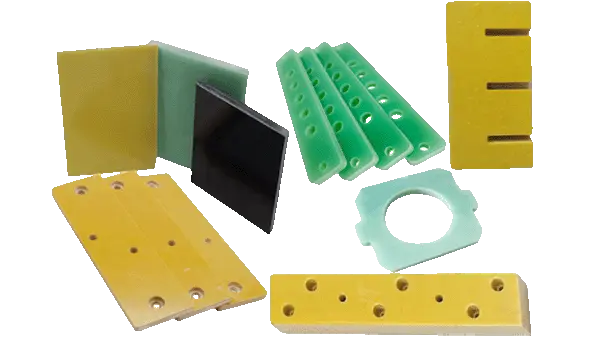
Mistake 1: Using the Wrong Type of Insulation Sheet for the Application
Why Material Selection Determines Machining Success
If you want the insulation sheet to be easy to work with and do its job well, you need to choose the right one. When it comes to mechanical, thermal, and electrical qualities, phenolic cotton sheets, epoxy glass laminates, and Bakelite sheets are all very different from one another. There are a lot of problems that can happen when the properties of a material don't meet the needs of an application. These problems include unstable measurements, low dielectric strength, and too much tool wear during cutting. Electrical engineers and buying experts need to make sure that the conditions of work match the material needs. They need to think about things like power levels, temperature exposure, and how well the device can handle humidity.
Understanding Core Material Properties
Sheets of phenolic paper, which are also known as Bakelite, are cheap and easy to work with. Because they are Class E insulated (120°C) and have a density of about 1.45 g/cm³, they can be used for low to medium voltage jobs, such as motor frames and switchgear parts. It's only about 100 MPa across the laminations, though, so they can't be used in places where there is a lot of stress. Epoxy glass cloth laminates are better than other materials because they can bend more than 340 MPa and have densities between 1.90 and 2.20 g/cm³. They can stand up to 155°C of heat and have a vertical dielectric strength of at least 14.2 MV/m, which makes them great for use as transformer barriers and high-voltage busbar supports. If the water absorption rate is less than 0.5%, the form stays fixed when it's wet, and the hardness makes it easier to do complex CNC cutting without the layers coming apart.
Consequences of Incorrect Material Choice
When people choose materials without reading detailed datasheets or talking to sellers, a lot of expensive things happen. When something doesn't have enough heat protection, it turns into carbon and loses its insulation. When they are loaded, industrial gear spacers bend because they don't have enough mechanical power. When things that can't fight chemicals are put in generator oil or cleaning fluids, they break down. Warranty costs go up because of these issues, client interactions get worse, and work times get longer. When engineers look at a material's bending strength, dielectric strength, and temperature stability, they should make sure that they match up with what the application needs. For that, they should talk to knowledgeable suppliers who can give them accepted test results and help that is tailored to the job.
Mistake 2: Improper Machining Techniques Leading to Material Damage
Recognizing Common Machining Defects
When people work on thermosetting laminates without the right tools, problems like cracking, delamination, warping, and edge chipping often appear during the cutting process. When heated, these materials don't melt. Instead, too much pressure causes temperatures that break down the resin links that hold the layers together. If the feed rates are off, the material is pushed past its mechanical limits. Dull tools that tear instead of cut also cause rough surfaces and measurement mistakes. These flaws make the electrical performance worse (delamination creates air holes that lower dielectric strength) and need pricey fixes or the part has to be thrown away.
Essential Machining Best Practices
Three things are very important if you want to make clean cuts: the tools you use, how the machine is set up, and how you deal with the heat. When you machine something, the following steps make it much better:
- Tool Material and Geometry: Tools made of carbide or diamond stay sharp longer than high-speed steel tools, so they can make better cuts with less heat. Sharp cutting edges are especially important when working with epoxy glass laminates that are more than 3 mm thick because they lower the stress on the material and the chance that it will come apart.
- Controlled Feed Rates: Moderate feed speeds (usually 50 to 150 mm/min, depending on the width of the material) are good for both quality and output. If the speed is too fast, contact heat breaks the resin. If the speed is too slow, the tools rub against each other and damage the finish on the surface.
- Cooling and Chip Evacuation: The right way to remove dust from resin keeps it from building up, which can start a fire if it rubs against something. You can control the temperature with air cooling or light spray, which doesn't add water that could make the measurements less stable.
These ways of doing things work together to keep the stuff clean. When working with phenolic sheets that are thicker than 1.5 mm, heating them to 80°C to 100°C breaks the resin glue so that cutting can be done without the layers coming apart. Also, machinists need to use the right tools to keep parts from cracking when they shake them, especially when they are making holes close to the edges of parts.
Mistake 3: Ignoring Thermal Performance and Thickness Tolerances
Understanding R-Value in Electrical Applications
Most of the time, thermal resistance (R-value) is talked about in terms of building insulation. However, electrical insulation sheets must also act as thermal shields to keep parts from melting. Machining methods that make the thickness or surface uneven are bad for thermal performance because they make places where heat can be absorbed. Transformers, motors, and other power devices can age faster, last less long, and be more likely to break if the insulation layers are not all the same temperature.
Maintaining Dimensional Accuracy
We can change how strong the dielectric is determined and how well the parts fit together by as little as 0.1 mm. To cut precisely, tools need to be changed often, and the work's quality needs to be checked several times. Based on how important the app is, tech teams should decide what the tolerances should be. To give you an example, transformer barriers need to be more precise (±0.05mm) than mechanical gaps (±0.15mm). How perfect something is is also affected by how it is made. For instance, epoxy laminates that don't soak up a lot of water stay the same size when they're being stored and cut better than materials that do.
Quality Control Integration
By setting up measure stops along the way, mistakes can be found before the parts are put together. Taken in several places with a micrometer, the thickness is consistent, and any flaws on the surface can be seen with the naked eye. The people who buy things should be clear about the limits they need and ask for proof that the materials meet standards like IEC 60893 or GB/T 1303-2009. This method stops problems before they happen, which saves a lot of money in the long run and keeps the heater and electricity working the same.
Mistake 4: Overlooking Safety and Compliance Standards
Regulatory Requirements for Electrical Insulation Materials
It is important to follow safety guidelines like UL, IEC, RoHS, and local electrical rules in today's business world. With these rules, materials are made to meet basic safety standards for things like being safe around electricity, fire, and poisons. Goods that don't follow the rules could be taken off the market, sued, or have their reputation harmed. The people in charge of engineering projects need to make sure that the license is upheld by both the raw materials and the methods used for cutting. This is because the wrong way of handling compatible materials can hurt them.
Health and Safety During Machining
When phenolic laminates are made, formaldehyde and phenol fumes are released. This means that air purifiers and safety gear for workers are needed. To keep the air quality below the limits for work, workers must use dust extraction that has been cleared. People know what to do in an emergency and how to stay safe when they get the right training. Safety rules should be written down and checked often to make sure they are being followed. They care about people and the world because they did this.
Supplier Certification Verification
Procurement teams are very important to safety because they ask for and check seller certifications. A good manufacturer will give you a lot of information, such as UL approval marks, RoHS test results, IEC conformance certificates, and material safety datasheets. This information should be added to tools for quality control so that it is possible to keep track of everything, from the raw materials to the final part. When you work with known buyers, you're less likely to break the rules, and the process of getting final goods approved for sale in both domestic and international markets is sped up.
Mistake 5: Failure to Collaborate with Experienced Insulation Suppliers
The Value of Technical Partnership
There are more things you need than just the right tools and trained people to make insulation materials well. You should also know a lot about the tools and how to use them. Sellers with a lot of experience are very helpful because they can help you pick out the right materials, figure out the best way to cut them, and solve problems when things go wrong. Trial and error costs go down, work gets done faster, and first-pass return rates go up when people work together in this way.
Supplier Capabilities That Drive Success
Some of the best companies that sell insulation sheets are different in a number of important ways. For automatic cutting, it is important that the materials are the same from batch to batch, so they have strict quality control methods in place. Technical teams offer application engineering help. They listen to what the customer wants and suggest the best types of materials and ways to machine them. It costs less to make parts further down the line when flexible customization services like exact cutting, surface grinding, and special treatments are used. Reliable transportation skills make sure that supplies happen on time, which helps with just-in-time manufacturing plans and cuts costs by avoiding storing, which can be expensive.
Building Strategic Relationships
Experts in purchasing shouldn't treat sellers like one-time deals; instead, they should work to establish long-term partnerships with them. When suppliers talk to customers often, they can understand how application needs change and offer new products or changes to the way things are done. People can understand and trust each other better when they work together to solve problems and visit each other's sites. When you sign a long-term deal with a preferred provider, you can often get better prices on big orders, faster access when supplies are low, and technical support that is only for your business. These links give you an edge over your competitors because they let you make better goods and react faster to changes in the market.
Conclusion
These five mistakes are very common: picking the wrong material, using the incorrect machining methods, not considering thermal issues, missing compliance requirements, and not working with your suppliers enough. If you don't do these things, machining insulation sheets will go from being hard to controlling and predictable. It is better for engineering teams to spend money on learning about materials, teaching operators, and building ties with suppliers. This leads to fewer scraps, more reliable goods, and a stronger position in the market. In the power, industrial, and electrical fields, insulation parts must be of the best quality because even small flaws can lead to huge problems. The tips in this piece can help producers keep their customers, their names, and their bottom lines safe in markets that are getting more and more competitive.
FAQ
What causes delamination when machining epoxy glass laminates?
The most common cause of delamination is too much heat buildup during drilling or cutting. It's the friction between tools that makes the epoxy glue that holds the glass layers together less stiff when the tools are dull or the feed rates are too high. When you cut, the mechanical force splits these layers, which are already not strong. You can avoid this common flaw by using sharp carbide tools, keeping feed speeds low (usually 50–120 mm/min), and making sure the workpiece cools down enough.
Can phenolic sheets be used in outdoor electrical applications?
Laminates made of phenolic paper shouldn't be left outside for a long time. UV light breaks down the plastic core, which makes the surface carbonize and make the protection less effective. The best place for these things to work is inside something that is covered in oil, like a generator. This stops them from rusting and lets them work at their Class E temperature grade of 120°C all the time.
How should thickness tolerances be specified for precision electrical components?
How strict the tolerance needs to be depends on how important the program is and what it does. To make sure that all parts of a high-voltage transformer barrier have the same dielectric strength, they usually need to be within 0.05 mm of each other. There are differences of up to 0.15 mm that mechanical spacers and structural supports can work with. You should always look at technical drawings and ask buyers about their machining skills during the quote process to make sure the job is possible and worth the money.
Partner with J&Q for Superior Insulation Sheet Solutions
Machine problems shouldn't get in the way of your shipping plans or the quality of your goods. J&Q brings more than 20 years of experience in manufacturing and 10 years of experience in specialized foreign trade to every partnership. We're a well-known business that sells insulation sheets for sale. We only use products that have been cleared by UL, RoHS, and IEC. Some of these are Bakelite, phenolic laminates, and FR4 epoxy boards. Our in-house logistics company can help your supply chain run more easily by giving you expert advice, cutting precisely, and sending goods to other countries. The people in charge of engineering and buying things know they can count on us to bring materials on time, with stable quality, and with quick expert help. Write to us at info@jhd-material.com to talk about your specific needs and find out how our products can help you make your parts more stable and reduce the number of mistakes that happen during the cutting process.
References
National Electrical Manufacturers Association. "Industrial Laminated Thermosetting Products Standards." NEMA Publication LI 1-2018, Washington, DC.
International Electrotechnical Commission. "Specifications for Industrial Rigid Laminated Sheets Based on Thermosetting Resins for Electrical Purposes." IEC 60893-3-4:2014.
Zhang, W., & Thompson, R. "Machining Characteristics of Fiber-Reinforced Polymer Composites for Electrical Applications." Journal of Manufacturing Processes, Vol. 47, 2019, pp. 312-324.
American Society for Testing and Materials. "Standard Specification for Laminated Thermosetting Materials." ASTM D709-16, West Conshohocken, PA.
Chen, L. "Thermal Management in High-Voltage Electrical Insulation Systems: Materials and Design Considerations." IEEE Transactions on Dielectrics and Electrical Insulation, Vol. 26, No. 3, 2019, pp. 891-899.
Miller, J., & Davidson, P. "Quality Assurance Protocols for Electrical Insulation Component Manufacturing." Proceedings of the International Conference on Electrical Materials and Power Equipment, Guangzhou, China, 2020, pp. 156-162.

Get a complete product list and quotation

J&Q New Composite Materials Company



