The Best Cutting Tools for Bakelite: Diamond vs. Carbide Tooling Life Comparison
When cutting Bakelite sheets for electrical insulation or mechanical parts, the choice between diamond and carbide cutting tools has a big effect on both the cost of the tools and how well they work. In phenolic resin uses, diamond cutting usually lasts 5–10 times longer than carbide, and it gives better edge retention and surface finish quality. But carbide is still a good choice for cost-effective tasks where short-term savings are more important than long-term longevity. Knowing these differences in performance helps engineering managers and buying teams choose tools that balance the cost of purchase with how long they will last in a variety of Bakelite sheet uses.
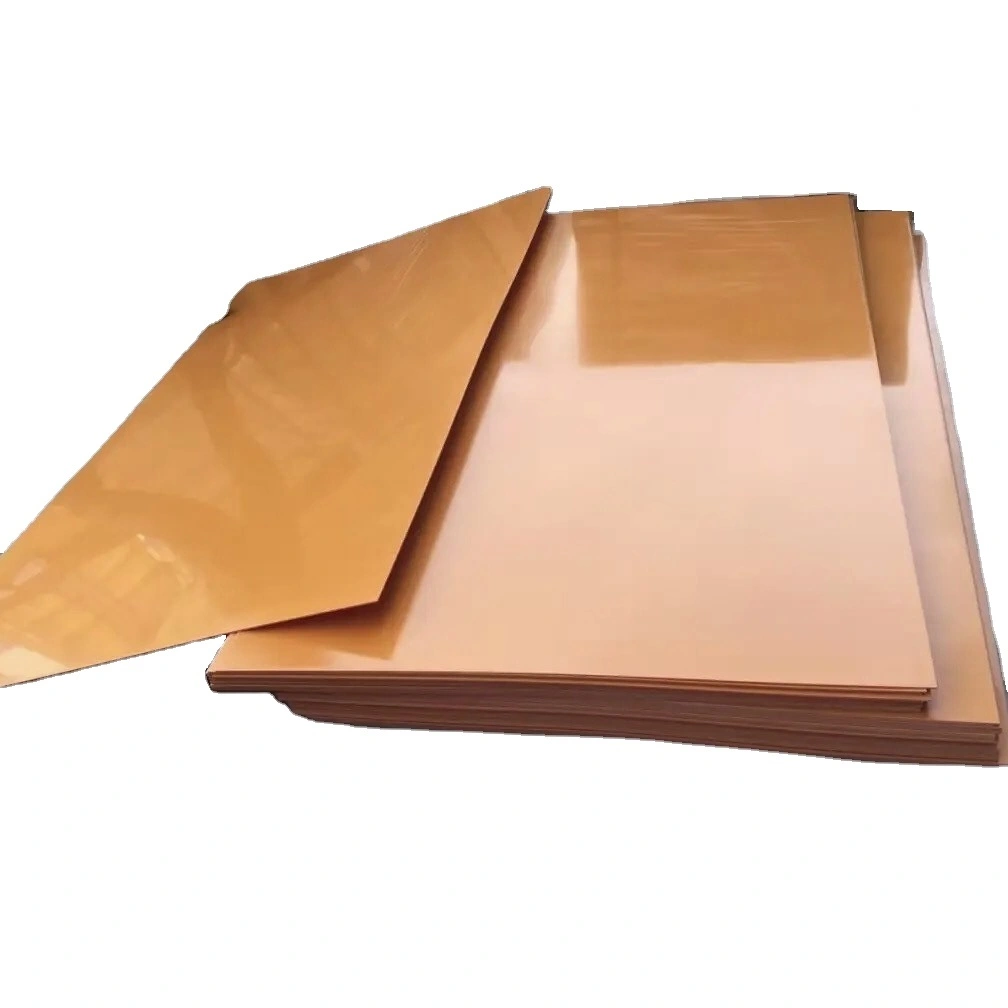
Understanding Bakelite and Its Machining Challenges
Material Composition and Physical Properties
A complex molecule network is produced during the Bakelite sheet production process by condensing phenol and formaldehyde under controlled heat and pressure. Paper-reinforced types are great for circuit boards and electrical insulators because they don't absorb much water and are good at insulating electricity. Fabric-reinforced phenolic sheets give bearings and gears better mechanical strength and wear resistance. For high-temperature uses, versions with glass reinforcement offer better thermal stability. Different types of reinforcement have different effects on cutting, so different tooling methods are needed.
Brittleness and Chipping Susceptibility
Because phenolic resin hardens at high temperatures, it is naturally brittle, which makes it hard to machine with normal methods. Bakelite stays stiff until it carbonizes above 120°C, while thermoplastics soften when heated. This property makes the material more likely to chip at the edges when it is being cut, especially when old or wrong tools are used. When making thin Bakelite sheets for battery shields or insulation frames, manufacturers need to keep this fragility in mind so that they don't waste too much material and keep the dimensions within the limits.
Abrasive Tool Wear Characteristics
Because their support materials are rough and their resin core is hard, phenolic composites cause a lot of tool wear. Silica and other minerals found in paper and cloth fillers speed up the breakdown of cutting edges. We have proof that regular high-speed steel tools break within hours of constantly milling Bakelite sheet. Creating heat while cutting makes wear even worse by loosening tool bands and speeding up the breakdown of edges. Because of these things, you need special tooling materials that can handle both mechanical wear and heat stress.
Overview of Diamond and Carbide Cutting Tools for Bakelite
Diamond Tooling: Composition and Performance Attributes
Polycrystalline diamond (PCD) cutting tools have manufactured diamond particles attached to carbide surfaces. This makes edges that are very hard—about 8000 to 10000 on the Knoop scale. This extreme hardness means that it is better at resisting wear when working with rough phenolic materials. Diamond tooling keeps its cutting edges sharp over long production runs. This ensures that electrical insulation parts always have smooth surfaces, since the insulating properties of surfaces depend on them. The low friction coefficient of the material keeps heat from being generated, which keeps the tool and Bakelite sheet from getting damaged by heat during high-speed CNC operations.
Carbide Tooling: Versatility and Cost Effectiveness
Tungsten carbide tools have hardness levels between 1500 and 1800 on the Knoop scale because they mix tungsten carbide pieces with a cobalt glue. Even though carbide is much softer than diamond, it performs well in a wide range of cutting situations and costs a lot less up front. New types of carbide have special layers, such as titanium aluminum nitride (TiAlN), that make them less likely to wear down and increase their resistance to friction. When buying tools, these ones work great for moderate-volume Bakelite jobs where saving money up front is more important than making sure the tools last as long as possible.
Application-Specific Tool Selection Criteria
Buying choices should match the features of tools with their specific working needs. Diamond tools last longer, which is good for companies that make a lot of electrical switchboards or motor brackets because it cuts down on switching time and keeps part quality uniform. Custom job shops that work with different grades and sizes of Bakelite sheets often like carbide because it is more flexible and costs less to replace. Diamond tools are needed for uses in the power sector that need precisely machined arc barriers with very tight tolerances. On the other hand, carbide tools may be enough for device makers who need to balance cost-effectiveness with production stability.
Tooling Life Comparison: Diamond vs. Carbide on Bakelite Sheets
Standardized Wear Testing Methodologies
Tooling is carefully checked to see how far it can cut before it starts to wear down too much and affects the surface finish or the accuracy of the measurements. Standard testing methods for the industry involve running paper-reinforced phenolic sheets at steady speeds and feed rates while keeping an eye on how the edges and flanks wear down over time. Our scientific partners have done a lot of testing to see how well PCD and carbide end mills work with 3mm Bakelite sheet stock. Throughout the life cycle of a tool, measurements are made to keep track of surface roughness, increases in cutting force, and temperature buildup. These standardized methods give engineering managers clear data on performance that they can safely use in procurement specs.
Documented Performance in Industrial Settings
Manufacturers of electrical parts have done field studies that show diamond tools can mill fabric-reinforced Bakelite sheets for 15,000 to 25,000 linear meters before they hit the 0.3 mm side wear limits. When used in the same way, similar carbide tools usually wear out within 2,000 to 5,000 linear meters. When automotive providers machine FR4 and phenolic insulation pads, they say that diamond tools always leave a Ra surface finish below 1.6μm, but carbide tools start to perform worse after about halfway through their life. Power distribution equipment makers have seen 70% fewer tool changes since they switched to diamond cutting for coil insulation parts. This directly cuts down on production delays and labor costs.
Cost-Performance Trade-Off Analysis
Diamond cutting tools cost 8–12 times more than carbide tools of the same size, but they last longer and often have better cost-per-cut economics in high-volume processes. A thorough study of the costs involved in making insulation frames shows that using diamond tools lowers total machining costs by 30 to 45 percent, even though they cost more to buy at first, when production numbers go above 5,000 parts per month. On the other hand, businesses that work less than 1,000 Bakelite sheet components per month often get more value from carbide tools, which have lower initial costs and need to be serviced less often. This economic turning point is different depending on the type of material, the rate of labor, and the characteristics of the process.
Recommendations for Selecting the Best Cutting Tools for Your Bakelite Applications
Matching Tools to Material Specifications
Different types of Bakelite sheet need different ways of making tools. Sharp carbide tools running at modest speeds work well with Grade X phenolic, which has less resin and a focus on mechanical strength. Grade XXX versions with more resin for better resistance to moisture benefit from diamond tooling's ability to keep edges sharp even when resin builds up without having to be cleaned often. When working with glass-reinforced laminates that are used in transformer parts, diamond tools are needed to slow down the wear caused by the very rough glass threads. When buying tools, procurement teams should choose them based on the main types of material and support they use.
Volume and Production Pattern Considerations
Diamond tools give businesses that do constant Bakelite machining jobs across multiple CNC stations the best return on their investment. The lower regularity of changeovers keeps quality uniform over long runs and reduces the number of production interruptions. Manufacturers who have a lot of different production plans and often switch between phenolic sheets and other plastics may find it easier to keep standard carbide tool supplies that can be used with a lot of different types of materials. Custom manufacturing shops that sometimes work with Bakelite and other thermoplastics rarely think that the higher cost of diamond tools is worth it for irregular use.
Supplier Qualification and Certification Standards
It's very helpful to work with Bakelite sheet suppliers who have a lot of knowledge and know what needs to be done in downstream machining. Material approvals from reliable sources show that the products meet UL94 flame ratings and ROHS environmental standards. This ensures consistency and saves tooling investments. Manufacturers should give more weight to sellers who offer expert help for improving cutting parameters that are specific to their phenolic grades. Established sources keep up quality systems that make sure performance stays the same from batch to batch. This stops unexpected changes in material hardness that speed up tool wear or lead to measurement errors in electrical insulation parts.
Best Practices for Optimizing Bakelite Machining Efficiency
Critical Cutting Parameter Optimization
When working with phenolic materials, spindle speed, feed rate, and depth of cut all have a big effect on how long tools last and how well the surface is finished. When using carbide end mills, spindle speeds between 12,000 and 18,000 RPM and feed rates between 1,500 and 2,500 mm/min usually work best with paper-reinforced Bakelite sheet. Diamond tools can cut at speeds of up to 24,000 RPM, which lets production runs go faster without affecting the quality of the finish. Keeping the chip load per tooth between 0.05 and 0.08 mm stops too much heat from building up and makes sure that the material is removed efficiently. These factors need to be changed depending on the width of the sheet, the type of reinforcement, and the geometry of the tools being used.
Cooling and Dust Management Systems
When Bakelite is machined, phenolic dust is made. This dust is harmful to your lungs and speeds up tool wear when it builds up on the cutting edges. Effective dust filtration systems keep the areas where people cut clean and keep workers from being exposed to dangerous chemicals. Compressed air cooling gets rid of chips and stops heat from building up without adding wetness, which could change the features of the material. Some processes use minimal lubrication systems that cool with air and use very small amounts of specialty cutting fluids. However, these must be carefully chosen so that they don't get on electrical insulation surfaces. When compared to dry cutting, active cooling makes tools last 20 to 30 percent longer.
Process Control and Quality Assurance Integration
Quality problems caused by worn cutting edges can be avoided by keeping an eye on the tool's life in a planned way. Setting up regular tool checks based on recorded cutting lengths makes sure that tools are replaced before wear makes it impossible to meet standards for accuracy in measurements or surface finish. In CNC programming, there should be tool wear compensation programs that change the cutting settings as the edges get dull. This way, the quality of the parts will stay the same over the life of the tools. Manufacturers of important electrical parts should set up testing procedures to make sure that the dielectric strength and surface roughness stay within the required ranges. They should also link quality data with tooling conditions to get the best replacement times and cutting parameters.
Conclusion
To choose between diamond and carbide tools for cutting Bakelite sheets, you have to weigh the expected performance against the costs of running the business. Diamond cutting tools last a very long time and always produce high-quality electrical components and precision mechanical parts, which is very useful for companies that make a lot of them. Carbide casting is still useful in low-cost settings and for small to medium-sized production runs, where lower original investment is more important than longer service life. When choosing cutting tools, engineering managers should think about the types of materials they work with, how much they need to make, and the quality standards they need to meet. Strategically choosing the right tools, along with using the best cutting parameters and keeping an eye on the whole process, helps companies in the automobile, electrical, and manufacturing sectors be as efficient as possible while still meeting the high standards their jobs need.
FAQ
How do I determine the most cost-effective cutting tool for my specific Bakelite applications?
To find the total cost per part, divide the price of the tool by the number of parts that will be made before it needs to be replaced. Add in the cost of work for the switch and any scrap that might be created when a tool is worn down. Diamond cutting usually has lower per-part costs, even though it costs more at first, for operations that make more than 5,000 parts a month from paper or fabric-reinforced phenolic sheets. Carbide tools are often more cost-effective for uses that make fewer than 1,000 items per month. When comparing choices, think about how rough your material grade is and what kind of surface finish you need.
What advantages does diamond tooling provide beyond extended tool life?
Diamond cutting tools always have sharper edges, so they always produce better surface finishes. This is important for electrical insulation jobs where the insulating qualities depend on the surface quality. Because the material has a low friction coefficient, it produces less heat when it is cut. This means that heat-sensitive phenolic parts are less likely to be damaged. The accuracy of the dimensions stays higher across production runs because the shape of the edges doesn't change as much as it does with tungsten tools that wear down over time. Less frequent changeovers mean less downtime and lower worker costs in high-volume factory settings.
Partner with J&Q for Your Bakelite Sheet Machining Success
J&Q offers complete options for businesses that want to improve the way they handle phenolic materials. We are a well-known seller of Bakelite sheets that has been in business for over twenty years and has been serving foreign markets for over ten years. We know the exact machining problems our customers face every day. Whether you're working with paper-reinforced electrical insulators or glass-reinforced thermal barriers, our expert team can give you full advice on the best cutting parameters for each grade of sheet.
We keep a large stock of different types and thicknesses of phenolic, so we can quickly fill your orders and keep your production plans on track. Our combined logistics services make sure that deliveries are coordinated smoothly, which simplifies the supply chain and makes sure that materials come ready to be processed right away. Email our engineering support team at info@jhd-material.com to talk about your unique Bakelite sheet needs, get material samples for tooling trials, or get full quotes for buying in bulk. We want you to be successful in manufacturing, so we offer reliable products, professional help, and quick service.
References
Baekeland, L.H. (1909). "Method of Making Insoluble Products of Phenol and Formaldehyde." United States Patent Office, Patent No. 942,699.
Shaw, M.C. (2005). "Metal Cutting Principles," 2nd Edition. Oxford University Press, New York.
Komanduri, R. and Reed, W.R. (1983). "Evaluation of Carbide Grades and a New Cutting Geometry for Machining Graphite-Epoxy Composites." Society of Manufacturing Engineers Technical Paper MR83-902.
Cook, N.H. and Nayak, P. (1982). "Tool Wear and Tool Life in the Machining of Fiber-Reinforced Plastics." CIRP Annals - Manufacturing Technology, Volume 31, Issue 1.
Weinert, K. and Kempmann, C. (2004). "Cutting Temperatures and Their Effects on the Machining Behavior in Drilling Reinforced Plastic Composites." Advanced Engineering Materials, Volume 6, Issue 8.
König, W. and Graß, P. (1989). "Quality Definition and Assessment in Drilling of Fibre Reinforced Thermosets." CIRP Annals - Manufacturing Technology, Volume 38, Issue 1.

Get a complete product list and quotation

J&Q New Composite Materials Company



