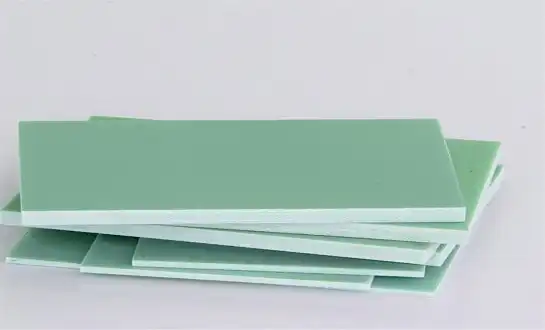
Precision G10 Sheets for the Semiconductor Equipment Industry
When semiconductor equipment manufacturers search for reliable insulation and structural materials, the G10 sheet consistently emerges as a strategic choice. This high-performance epoxy-glass composite laminate delivers exceptional dimensional stability, superior dielectric strength, and proven resistance to extreme thermal environments—qualities essential for precision semiconductor fabrication equipment. G10 sheets solve critical engineering challenges in wafer handling systems, plasma chamber insulators, and precision fixture components, ensuring production consistency even under rigorous clean-room conditions.
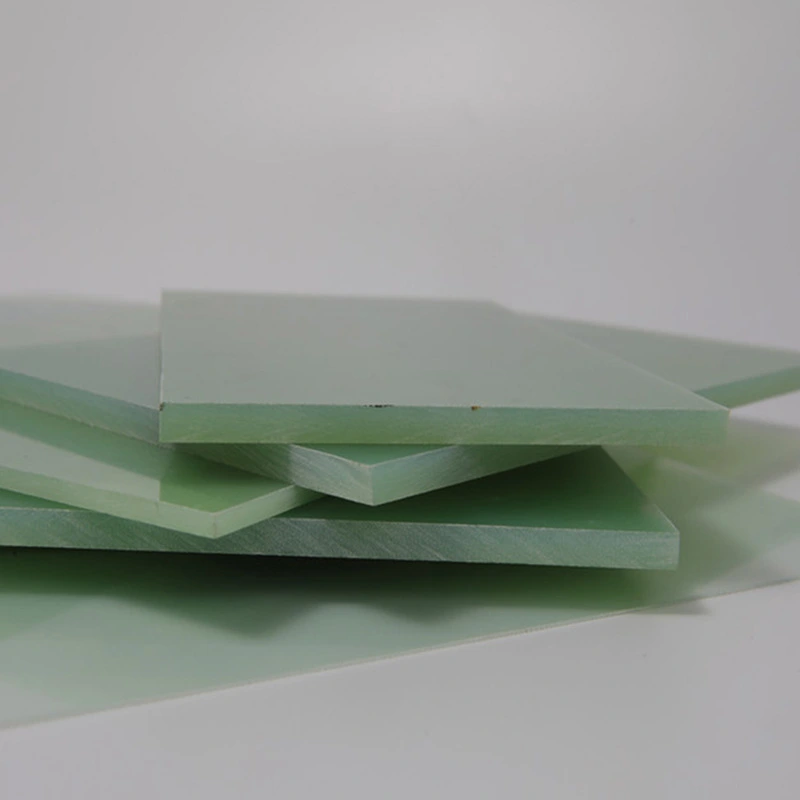
Understanding Precision G10 Sheets and Their Applications in Semiconductor Equipment
The semiconductor business needs materials that keep working well even when they are exposed to harsh chemical processes, changing temperatures, and vacuum conditions all the time. These strict standards can be met by Precision G10 sheets because of the way they are made and the qualities of the material itself.
Material Composition and Manufacturing Process
G10 epoxy laminates are made up of continuous-filament glass cloth that is knitted together and soaked with epoxy resin binder. During production, controlled heat and pressure are used to squeeze several layers at once. This hardens the resin and joins the cloth into a single, uniform mass. This process makes a material that absorbs almost no water (usually less than 0.1%), which stops it from changing shape in wet clean-rooms, where many other materials fail.
Precision-grade G10 sheets have tighter thickness tolerances than phenolic paper composites or normal FR4 versions. They often meet NEMA LD 3 standards with deviations as low as ±0.005 inches. When making electronic equipment that needs exact mechanical fits between parts, this consistency is very important.
Critical Applications in Semiconductor Manufacturing
These epoxy glass laminates are used for a number of specific tasks in chip manufacturing sites, including:
- Wafer Handling and Transport Systems: G10's low outgassing properties make it useful for equipment that needs non-contaminating structure supports. The material doesn't make particles even when it's moved by a robotic arm and put under repeated mechanical stress. Because it can be machined, engineers can make complicated shapes with very tight tolerances. This makes sure that wafer carriers stay in place during production processes.
- Plasma Chamber Insulators: Equipment used for semiconductor etching and deposition subjects shielding materials to plasma conditions that are corrosive and electromagnetic interference. G10 sheets are very good at resisting arcs and keeping their dielectric integrity even when they are exposed to settings with reactive ions and fluorinated chemicals. The material's resistance to arc tracking—a condition in which an electrical discharge forms conductive carbon paths—dramatically lowers the chances of catastrophic equipment failure.
- Thermal Management Components: Materials that behave predictably at high and low temperatures are needed for temperature-sensitive electronics processes. G10 has a low rate of thermal expansion, which means it doesn't bend much when the temperature changes between room temperature and process temperature. Because it is stable, the material can be used for heater plates, thermal barriers, and temperature-controlled supports where changes in size would make it harder to place wafers accurately.
The balanced qualities of the material solve the main problems that semiconductor equipment makers face, such as getting accurate results while keeping costs low, keeping up with cleanliness standards, and making sure long-term dependability in tough working conditions.
How to Select the Right Precision G10 Sheet for Your Semiconductor Equipment Needs?
When choosing epoxy glass laminates for electronics uses, procurement professionals and engineering managers have to deal with a lot of different factors. A structured evaluation strategy helps match the needs of the activity with the material requirements of the G10 sheet.
Establishing Application-Specific Performance Requirements
Insulation materials have to meet different needs at different places on semiconductor equipment. Understanding these needs helps with the choosing process:
- Operating Temperature Range: Standard types of G10 work consistently up to 130°C when used continuously. For equipment that is under more heat stress, new formulas may be needed. Think about whether your application will be exposed to high temperatures for a long time, short periods of time, or temperatures below freezing. Each situation calls for different material factors.
- Mechanical Load Analysis: Figure out whether parts' main job is to keep electricity from flowing or whether they also have to support large mechanical forces. For structural uses that need high bending strength, sheets that are bigger may be better. For pure shielding roles, dielectric properties are more important than mechanical strength.
- Chemical Exposure Profile: Acids, liquids, and fluorinated substances are just some of the chemicals that are used in semiconductor processes. G10 is very resistant to most industrial chemicals, but knowing which ones help you make sure it's compatible and guess how long it will last.
Quality Verification and Testing Standards
Reliable providers provide detailed test reports that cover important performance factors. Thickness tolerance checking makes sure that all of a sheet's surfaces meet the required sizes. This is especially important for multi-layer systems where tolerance stacking can affect how accurate the end equipment is. Insist on proof that shows the product meets the ASTM D709 standards for sheet materials.
Internal delamination tests shows how well the product was made. Ultrasonic C-scan or cross-sectional imaging shows that all of the layers of the glass cloth are fully saturated with resin. If the glue isn't pushed down far enough, it leaves holes that weaken both the structure and the protection against electricity, which could cause a catastrophic voltage breakdown.
As per ASTM D570, tests for water absorption confirms the quality of the resin fix. When epoxy is properly sealed, it doesn't absorb much water, so it doesn't change size or lose its insulating properties in damp places. Ask for test results that show absorption rates below the normal levels used in the business.
Evaluating Supplier Capabilities
In addition to material requirements, choosing the right supplier has a big effect on the success of the purchase. Quality difference from batch to batch is affected by how consistently the product is made. Suppliers with strong quality management systems provide materials with predictable features, which cuts down on the time needed to set up tools and the number of problems that arise out of the blue. Look for partners who keep their ISO standards up to date and use statistical process control.
When dealing with problems that are unique to an application, technical help skills come in very handy. Suppliers who know what they're doing can help with choosing materials, making suggestions for cutting, and fixing problems with performance. During the creation stages of new tools, this knowledge is especially useful.
The dependability of the supply chain makes sure that materials are available at the right time for production. Check out the lead times, inventory control, and transportation skills of your suppliers. Suppliers with well-established delivery networks help just-in-time manufacturing methods work and lower buying risks.
Troubleshooting and Maintenance Tips for Precision G10 Sheets in Semiconductor Equipment
In difficult semiconductor settings, even high-end epoxy glass laminates sometimes have performance problems. Understanding common issues and taking steps to avoid them can extend the life of parts and keep equipment running smoothly for every G10 sheet in service.
Identifying and Addressing Warpage Issues
Warpage shows up as bending or twisting that can be seen on the surface of a sheet, which makes it harder to make precise assemblies with accurate measurements. Several things make this problem worse:
Asymmetric heat contact causes different expansions across the thickness of the sheet, which leads to lasting deformation. When designing equipment, thermal management techniques that spread heat evenly across G10 parts should be used. If uneven heating is necessary, choose materials with very low thermal expansion coefficients or think about using pre-stressing methods during installation.
Warpage can also be caused by bad storage conditions before installation. When G10 sheets are kept in places with big differences in humidity, they may take small amounts of moisture in different ways, which can change their shape. Keep the temperature and humidity stable in storage areas and give materials time to adjust to the temperatures of the installation area before they are finalized or put together.
Preventing Delamination Failures
When the epoxy bonding between layers of glass cloth breaks down, it creates internal separations that make the mechanical and electrical qualities less reliable. The epoxy-glass contact is stressed when the temperature is changed more than what the material can handle. Check the temperature profiles of your tools to make sure they stay within the ranges recommended by the maker. If equipment experiences sudden temperature changes, it may need better protection or better cooling systems.
Impact loads and mechanical shocks can cause materials that are otherwise healthy to delaminate. Make fixing systems for G10 parts that protect them from shaking and sudden forces. When installing something, don't use methods that cause stress points, like fixing brackets with sharp edges or screws that are too tight.
Maintaining Electrical Insulation Performance
Insulation resistance loss is a sign that the insulating qualities are getting worse. Regular testing finds speed problems before they become catastrophic. Do regular tests of the dielectric strength according to the guidelines in ASTM D149. Set up standard measures when the equipment is first turned on, and keep track of how they change over time. Significant decline means that the part is contaminated, wet, or made of worn-out materials and needs to be replaced.
When process chemicals or particle deposits get on the surface, they make conductive lines that make shielding less effective. Set up cleaning routines that use solvents that are suitable and get rid of contaminants without hurting the epoxy resin structure. Do not use rough cleaning methods that make surfaces rough and create places where particles can gather.
Setting up inspection plans that work with equipment preventative maintenance times is helpful for maintenance teams. Visual inspection can find surface cracks, coloring, or physical damage, which lets you repair the part before performance problems affect the quality of the production.
Procurement and Supply Chain Insights for Bulk Ordering of Precision G10 Sheets
Costs and schedules for making tools are directly affected by how well buying processes work. Strategic sourcing techniques help keep costs down and ensure a steady flow of materials for each G10 sheet order.
Structuring the Procurement Process
Accurately predicting demand is the first step to successful bulk buying. Manufacturers of semiconductor equipment can predict future needs by looking at past trends of consumption and planning production. This research helps with talks about volume and helps sellers plan how to distribute inventory.
It is recommended to ask for detailed quotes that cover more than just unit price. When judging offers, you should look at promises for thickness tolerance, surface finish, flatness standards, and quality certification paperwork. Suppliers who provide full material evaluation data show that they can control production and make sure that equipment works as it should.
Customization options should be carefully looked at. Certain pieces of equipment may need sheets with non-standard sizes, special glue mixes, or special surface treatments. Flexible production suppliers help differentiate products and get the most out of materials by giving exact-sized blocks that reduce waste during machining.
Negotiating Commercial Terms
When you make a volume promise, you can get better price and service terms. Talk about yearly purchase deals that set baseline amounts in exchange for lower unit costs. These agreements are good for everyone because they let sellers see what customers want and let buyers know what their costs will be.
Payment terms affect how much working capital you need and how you work with your suppliers. Standard business terms are usually between 30 and 60 days after the invoice date, but buyers who buy a lot may be able to negotiate longer terms. Compare the ability to make flexible payments with the chance of getting early payment savings that lower the real cost of the materials.
Quality assurance rules guard against material that doesn't meet the standards. Set clear acceptance criteria that are based on industry standards, and spell out what needs to be done to fix material that doesn't meet the requirements. Suppliers with a good reputation back up their products with promises for replacements and expert support to help with application problems.
Optimizing Logistics and Delivery
How things are transported affects their state when they arrive. G10 sheets need to be kept dry and safe from damage while they're being shipped. Set the right standards for packaging, such as hard crates for large-format sheets and moisture-barrier wrapping. Suppliers who know what the semiconductor business needs know about these dealing issues.
Coordinating delivery schedules cuts down on the costs of keeping supplies and makes sure that materials are always available. Set up vendor-managed inventory programs or planned release plans that make sure supplies match up with production needs. This method cuts down on the amount of building room needed while keeping production going.
Emergency buying skills give you choices in case you need them when you least expect them. Build relationships with sellers who keep a stock of items that meet common requirements. This will allow you to respond quickly to pressing needs without affecting the lead times for planned deliveries.
Conclusion
Precision G10 sheets have the perfect mix of electrical protection, industrial strength, and stable dimensions that are needed to make semiconductor equipment. They are a basic material for this important industry because they have been used in wafer handling systems, plasma chamber components, and heat management uses and have worked well every time. To do procurement right, you need to carefully look at the needs of the product, the supplier's skills, and the total cost of ownership. When engineering teams and procurement workers know how to choose the right materials, do preventative maintenance, and build strategic relationships with suppliers, they can get the best performance from their tools while keeping costs low.
FAQ
Can G10 sheets withstand semiconductor vacuum chamber environments?
Of course. It is very rare for these epoxy glass laminates to give off gases, which makes them perfect for high-vacuum uses. When the epoxy glue hardens, it gives off very few volatile chemicals that could damage sensitive chip processes. According to ASTM E595 testing, the G10 sheet meets the strict vacuum compatibility standards for most tools used to make semiconductors.
How does G10 perform in plasma etching environments?
The substance is very strong against plasma contact and reactive ion situations that are typical in semiconductor etching processes. Its resistance to arc tracking and ability to keep its electrical strength even when exposed to fluorinated chemicals make it very useful in this tough situation. Schedules for regular inspections and replacements based on the process complexity make sure that the system keeps working well.
What thickness tolerances can manufacturers expect?
Reliable providers make precision-grade sheets that meet NEMA LD 3 standards and have thickness tolerances of ±0.005 inches for normal sizes. Grinding processes make it possible to get tighter limits for uses that need very precise control over dimensions. Always ask for tolerance approval paperwork that is specific to your order.
Are custom sizes available for specialized equipment?
Yes. Manufacturers with a lot of experience can work with unique sizes, which cuts down on waste and cutting time. Custom size is especially helpful for large production runs where the cost of making things depends on having the right blank measurements. Talk about your exact size needs during the quote process to look into your customization choices.
Partner with J&Q for Premium G10 Sheet Solutions
J&Q has been making precision epoxy glass laminates for more than twenty years and has also worked with foreign semiconductor equipment makers for over ten years. Our wide range of services goes beyond just supplying materials; we are a true G10 sheet provider that can help with everything from start to finish. Our vertically integrated operations include quality labs, precision CNC machining centers, and specialized transportation teams that make sure your production facilities get the goods quickly and easily. Technical support teams work directly with your engineering teams to make sure that the material specs exactly fit the needs of the application. Get in touch with our semiconductor solutions experts at info@jhd-material.com to talk about your precision G10 sheet needs and find out how our one-stop service can help you improve your supply chain and make your equipment more reliable.
References
National Electrical Manufacturers Association. "Industrial Laminating Thermosetting Products - NEMA Standards Publication LD 3-2005." Rosslyn, Virginia: NEMA, 2005.
Harper, Charles A. "Handbook of Materials for Product Design, Third Edition." New York: McGraw-Hill Professional, 2001.
Lee, Henry and Kris Neville. "Handbook of Epoxy Resins." New York: McGraw-Hill Book Company, 1967.
ASTM International. "Standard Test Methods for Electrical Insulating Materials - ASTM D149, D709, D570, E595." West Conshohocken, Pennsylvania: ASTM International, 2020.
Chawla, Krishan K. "Composite Materials: Science and Engineering, Fourth Edition." New York: Springer Science & Business Media, 2019.
Semiconductor Equipment and Materials International. "Guide to Contamination Control in Semiconductor Manufacturing Equipment." San Jose, California: SEMI, 2018.

Get a complete product list and quotation

J&Q New Composite Materials Company