Drilling and Tapping 3240 Epoxy Sheets: How to Achieve Tight Tolerances
Precision in drilling and tapping on 3240 epoxy sheet materials is very important for makers in the power, industrial, and electrical sectors. This high-performance composite is made from woven fiberglass cloth that has been mixed with epoxy glue. It has great electrical protection and mechanical strength. On the other hand, keeping tight standards while cutting requires knowing how the material works, picking the right tools, and using tried-and-true methods. When done right, these methods make sure that the measurements are correct, keep you from having to pay a lot of money to redo work, and meet the strict requirements of OEM specs and quality standards.
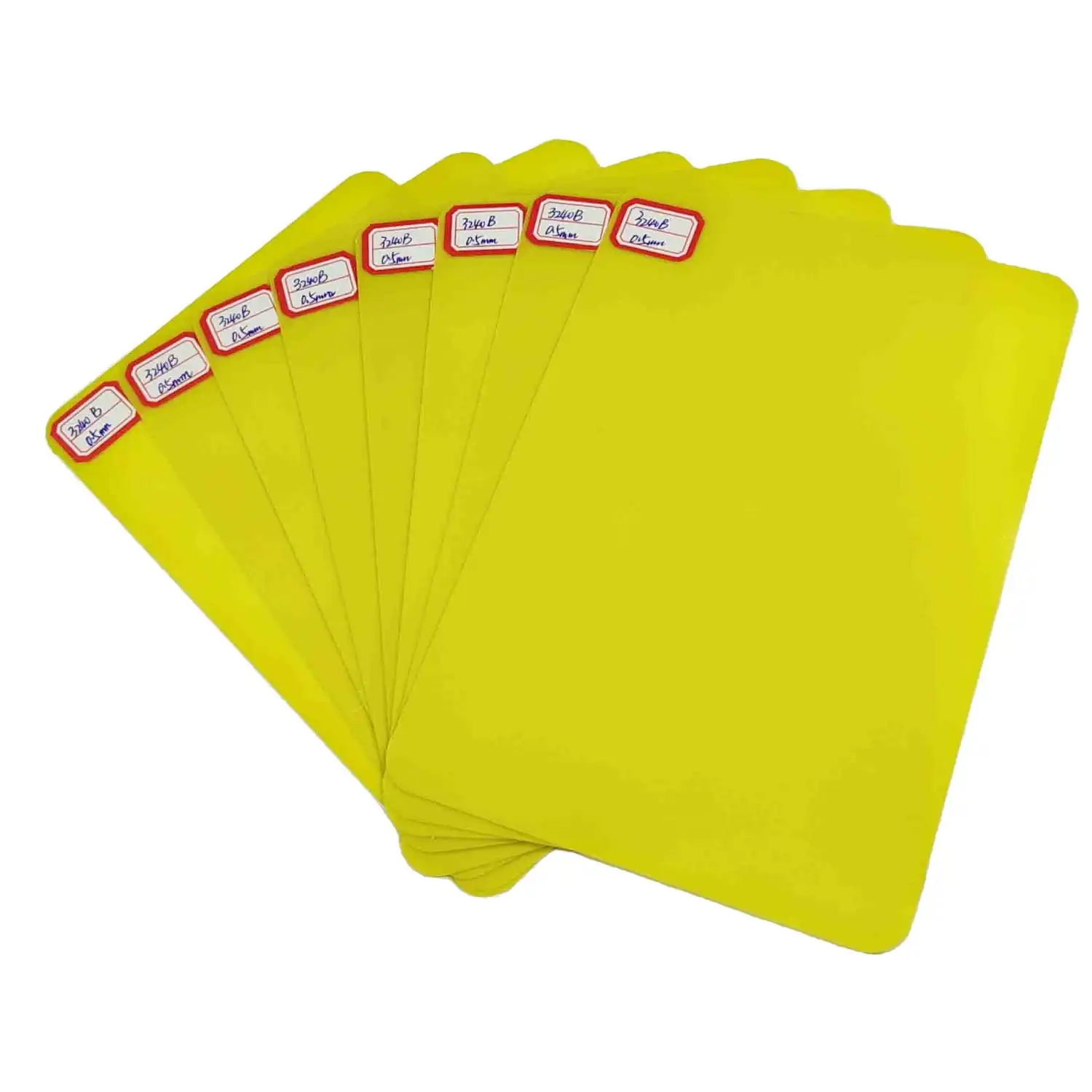
Understanding 3240 Epoxy Sheets and Their Properties
Material Composition and Manufacturing Process
The 3240 epoxy sheet is made of electrical-grade fiberglass cloth that has been fully saturated with epoxy resin. The mixture is then dried and hot pressed to make it thick and uniform. With this way of production, sheets are consistently thick between 0.5 mm and 50 mm as normal. If needed, sheets that are thicker than 50 mm can be made. The finish on the surface is smooth, with no bubbles, pits, or wrinkles that could affect the accuracy of the cutting. According to what we've seen, the material's density is usually around 1.90 to 2.0 g/cm³. This makes it stable for cutting and drilling.
Because it absorbs less than 0.1% water, the material stays the same size even in damp places where other insulation materials might grow or warp. This feature is especially useful for electrical and electronics makers who need to make sure that the holes are always in the same place and the threads are always the same size across production runs.
Key Technical Specifications
Knowing the technical details of epoxy laminate sheets helps engineers guess how they will behave when they are machined and set the right standards. The tensile strength is higher than 300 MPa and the bending strength is higher than 340 MPa. This means that the material can handle a lot of mechanical force without breaking during drilling operations. When tested in transformer oil, the breakdown voltage goes up to 30kV, which proves that it is a strong electrical insulator.
Temperature resistance is rated as Class B (130°C continuous running), but the best grades meet Class F norms (155°C). When drilling creates localized heat, this thermal stability is very important so the material doesn't soften or bend but keeps its shape. Chemical resistance to transformer oil and common industrial solvents means that cleaning agents and cutting fluids won't change the qualities of the material or make it less accurate in terms of size.
Challenges in Drilling and Tapping 3240 Epoxy Sheets for Tight Tolerances
It can be hard to drill and tap 3240 epoxy sheets with very tight tolerances.
Common Machining Issues
When compared to metals or plastics, epoxy glass cloth laminates are harder to machine. The most common problem is delamination, which happens when layers separate at the entry or exit point of drill holes, causing unacceptable changes in size. This happens when the cutting geometry isn't right or when the feed pressure is too high, breaking the resin matrix before the cutting edge.
When thermal growth from friction is greater than the material's stress limit, cracks show up around the edges of holes. Because the materials aren't all the same, they don't lose heat in the same way. This makes hot spots that weaken the resin bond. When the shape of the tap or the speed of the cutting causes too much torque, micro-fractures form in the thread that make it less strong and less able to connect.
Root Causes and Prevention
Most mistakes in patience are caused by choosing the wrong tools. When used to cut metal, standard twist drills leave too much burring and delamination on the exit side of composite sheets. For shearing action instead of pulling action, the shape of the drill point needs to be sharper, and the flute surfaces need to be polished.
When thermal sensitivity is ignored during constant cutting, heat builds up over time. Epoxy resin materials don't let heat escape from the cutting zone like metals do. Instead, they act as barriers and concentrate heat at the point where the tool meets the material. Without the right cooling methods, this makes the plastic soften and change its shape. These thermal tolerance violations can be avoided by following the technical datasheets that list the highest working temperatures and suggested machining settings.
Best Practices for Achieving Tight Tolerances When Drilling and Tapping 3240 Epoxy Sheets
The best ways to get tight tolerances when drilling and tapping 3240 epoxy sheets involve specific equipment configurations and optimized settings.
Tool Selection and Machine Setup
Because they are hard and keep their edge, carbide drill bits are the best choice for drilling fiberglass epoxy sheets. Point angles should be between 118° and 135°, and the shape should have carbide-grade pieces made just for composite materials. When working with big amounts of material, diamond-tipped tools last even longer because they can keep the hole sizes the same over long production runs.
Precision equipment with digital feed rate settings and customizable spindle speeds makes sure that each run is made the same way. When keeping standards within ±0.1mm, CNC equipment gets rid of the need for humans to change the feed pressure and cutting angles. Rigid workholding stops the sheet from bending while drilling, which would cause positional mistakes that show up in many hole shapes if it did happen.
Recommended Machining Parameters
Optimizing speed and feed rate strikes a balance between output quantity and output quality. Spindle speeds between 1,500 and 3,000 RPM work well for most drilling tasks on sheets with thicknesses between 1 mm and 25 mm. The speed can be changed depending on the size of the hole. Feed rates should stay modest, usually between 50 and 150 mm/min, so that the cutting edge can easily cut through the material without creating too much friction.
How the holes are cooled has a big effect on their quality and how accurate the measurements are. When air blast cooling is directed at the cutting zone, it gets rid of heat and chips without adding wetness that could change the features of the material. Using suitable coolants for mist lubrication lowers friction while keeping the dry environment that electrical insulator materials like. Stay away from flood cooling systems that can temporarily change the size of things by absorbing water.
Step-by-Step Drilling and Tapping Approach
Before final size, pilot holes make sure that the parts are in the right place. By drilling a 2mm to 3mm sample hole through the whole width of the sheet, you make a guide for the final diameter drill bit. This keeps the hole straight and reduces lateral deflection. This two-step process works especially well for holes bigger than 8 mm in diameter or when drilling through sheets more than 10 mm thick.
Using increasingly larger bits for incremental drilling lowers the risk of material stress and delamination. The pilot-intermediate-final process spreads cutting forces across multiple actions when making holes for tapping. This keeps the material's integrity around the hole's edge. When clamped under the workpiece, backing plates provide support on the exit side, which almost completely prevents delamination on the bottom surface.
Because finished epoxy resin is so brittle, it can't be shaped into threads. Instead, cutting taps is needed for tapping operations. Spiral point taps move chips forward through the hole, which stops pack-up, which raises the pressure and breaks the material. Using guide bushings or CNC tap cycles, keep the tap line perpendicular to the sheet surface. If this isn't done, the threads will be off-center and not meet tolerance standards.
Comparing 3240 Epoxy Sheets with Alternative Materials for Precision Machining
Comparing 3240 epoxy sheets to other materials that can be used for precise machining highlights several key advantages.
Performance Against Alternative Laminates
In terms of mechanical strength and resistance to moisture, epoxy-based laminates are better than phenolic cotton cloth sheets when looking at insulation sheets for precise uses. However, the phenolic option is more expensive and absorbs more water, which causes changes in size during cutting and while the product is in use. This makes it harder to control the tolerances, especially in wet industrial spaces.
Compared to regular fiberglass sheets that don't have specific resin systems, the controlled epoxy resin mixture in high-quality material makes it easier to predict how it will behave when it is machined. The resin content and level of hardening of generic fiberglass goods can be different, which can cause drilling results to be different between batches or even within the same sheet. This variation is taken care of by certified material standards, which help with statistical process control and meeting tolerances.
Material Selection Factors
The supply of thickness has a direct effect on machining techniques and the ability to hold tolerances. Standard sheet sizes let purchasing managers choose the material that is closest to the end width of the part. This cuts down on the amount of cutting needed and the tolerance stack-up that comes with it. Customizing the size cuts down on waste and processing time. This is especially helpful for high-volume production, where even small gains in efficiency add up over thousands of parts.
Epoxy glass laminates have the right mix of mechanical qualities for uses that need both strong structures and accurate machineability. Softer materials may be easier to cut, but they aren't as rigid and can't hold tight standards when mechanical loads are put on them. On the other hand, harder ceramics are stable in size but are very hard to machine. Because epoxy fiberglass sheets are made of multiple layers, they are the perfect material for precision-drilled parts.
Procuring Quality 3240 Epoxy Sheets: What B2B Buyers Need to Know
What business buyers need to know about getting good 3240 epoxy sheets is centered on technical verification and supplier reliability.
Supplier Evaluation Criteria
Verification of technical documents is the basis of good buying. Suppliers you can trust give you full datasheets that show the materials meet standards like GB/T1303.1-1998 and IEC EPGC 201. Instead of just making claims, these papers should include actual values for things like breakdown voltage, flexural strength, temperature endurance, and dimensional limits. When looking for parts for important uses where failure is likely to have big effects, make sure you get test certificates from independent labs.
Industry certificates show that a provider is dedicated to maintaining uniform quality standards. UL recognition shows that electricity safety standards are met, while ISO certification shows that manufacturing methods are written down and quality checks are done. Suppliers that work with the car and power industries usually have higher quality standards. This is good for even less demanding uses because it lowers the number of defects and improves control over dimensions.
Procurement Planning Considerations
Minimum order amounts and wait times need to be carefully coordinated with the schedule for production. When you buy in bulk, you save money on each item, but you need to make sure you have enough storage space and that the temperature stays below 25°C and the humidity stays at 75% to keep the material from splitting. When you store things horizontally on flat boxes, the sheets stay flat, which is important for precision cutting because warped sheets make it harder to keep the tolerances when you are fixing things and drilling.
Logistics of delivery affect the state of the goods when they arrive. Edge damage and surface contamination that lower the quality of machining can be avoided with proper packing that includes moisture shields and hard crates. To avoid customs delays, global packages need providers who know how to handle export paperwork and freight forwarding. Quick expert support helps you figure out problems with machining by suggesting parameters that are best for your tools and application.
Conclusion
To get tight tolerances when drilling and tapping 3240 epoxy sheet laminate sheets, you need to pay attention to the features of the material, use the right tools, keep the machining parameters under control, and get your materials from a trusted source. Consistently accurate measurements are possible with diamond cutting tools, optimized speeds and feeds, good cooling, and methodical drilling sequences. Predictable machine behavior is achieved by choosing materials based on their technical properties instead of their price alone. Partnering with experienced providers who understand these precise needs and offer full technical support cuts down on development time and costs while increasing the stability of parts used in power, industrial, and electrical settings.
FAQ
What drill bit material works best for achieving tight tolerances?
The best results come from using carbide drill bits that are made for composite materials. The strength of the carbide keeps the cutting edges sharp over long production runs, which keeps the hole diameters the same. Diamond-tipped bits last even longer and are better for high-volume tasks, but they cost more at first. When boring rough fiberglass, high-speed steel bits quickly wear out, which causes tolerance drift and more delamination as the cutting efficiency goes down.
How does temperature affect dimensional accuracy after machining?
When parts are made correctly, their dimensions stay stable over the temperature range that the material is rated for. Class B material (rated at 130°C) doesn't expand or contract much when used normally. But if sheets are exposed to temperatures higher than their rates during cutting because they aren't cooled down enough, the resin can soften in some places and then return to its original shape, which can change where the holes are. Controlled cutting temperatures and inspections done after grinding at room temperature make sure the accuracy.
What techniques maintain consistent thread quality across production batches?
Thread consistency relies on keeping the tap aligned, the cutting speed steady, and the state of the material stable. CNC drilling processes get rid of the need for operators to change the feed rate and straightness. Using new or recently sharpened taps stops the threads from getting worse over time as the cutting edges wear down. Material from the same production lot makes sure that the glue cures evenly, which has an effect on the force needed to tap and the formation of threads. Batch testing makes sure that the thread gauge is correct before going to full production amounts.
Partner with J&Q for Precision-Grade 3240 Epoxy Sheet
J&Q has been making electrical insulation laminates for more than 20 years and has also been doing business internationally for more than 10 years, helping engineering teams around the world. As a well-known company that makes 3240 epoxy sheets, we know that the quality of the materials is the first step to getting tight tolerances. Our goods meet international standards and have proven technical specs, consistent thickness tolerances, and surfaces that are best for precision machining.
Our expert team gives you advice on drilling parameters, tool selection, and methods for getting close to tolerances that are specific to your equipment and needs. We offer a full, one-stop service from choosing the materials to delivering them, making sure that your sheets come in perfect shape so they can be machined right away. Custom size choices cut down on processing time and waste, and our flexible order numbers let you make both prototypes and large quantities.
Reach out to our team at info@jhd-material.com to discuss your precision machining requirements and request technical datasheets for your specific application. Whether you're an engineering manager looking at materials or a procurement specialist looking for a trusted source, our knowledge can help you meet strict tolerance requirements.
References
Brown, M. & Chen, L. (2021). Precision Machining of Composite Materials: Techniques and Tool Selection. Industrial Manufacturing Press.
Anderson, R. (2020). "Thermal Management in Drilling Operations for Fiber-Reinforced Polymers," Journal of Manufacturing Processes, Vol. 48, pp. 234-247.
International Electrotechnical Commission. (2019). IEC 60893-3-1: Specifications for Industrial Rigid Laminated Sheets Based on Thermosetting Resins for Electrical Purposes.
Williams, D. & Kumar, S. (2022). Quality Control Standards for Electrical Insulation Materials in Industrial Applications. Technical Publishing International.
Zhang, H. (2021). "Comparative Analysis of Drilling Parameters for Epoxy-Glass Laminates," Composite Manufacturing Technology, Vol. 15, Issue 3, pp. 112-128.
Miller, J. & Thompson, K. (2020). Procurement Guidelines for Technical Materials in B2B Manufacturing. Supply Chain Management Publications.

Get a complete product list and quotation

J&Q New Composite Materials Company



