The Pros and Cons of CNC Machined G10 Sheet in Aerospace Applications
Epoxy resin and continuous fiber glass cloth are mixed on a CNC machined G10 sheet to make a high-performance laminate that solves important aircraft engineering problems. This material has great dielectric strength, mechanical stiffness, and dimensional stability under thermal stress. Because of this, it is essential for electrical insulation parts, structural gaps, and precise fasteners in flight systems. But because it is brittle and rough when machined, you need special tools and a lot of experience to get the best results without delamination or too much tool wear.
Understanding CNC Machined G10 Sheet in Aerospace
What Makes G10 Sheet Unique for Aerospace Engineering?
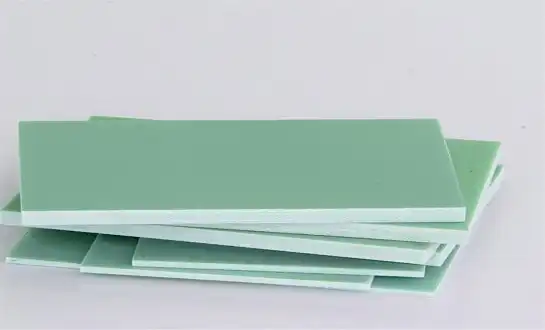
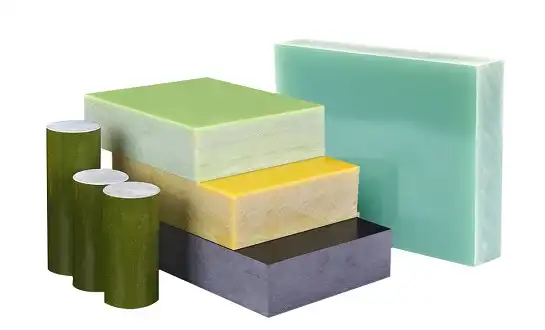
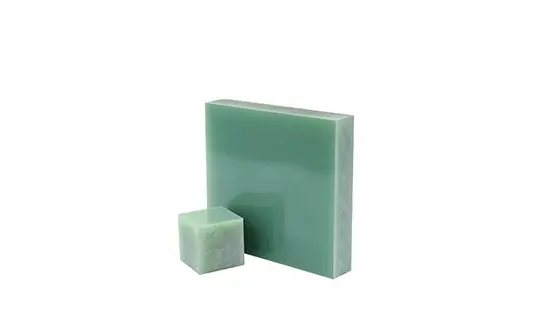
G10 sheet is a special kind of glass-epoxy laminate that is made by pressing materials together under a lot of pressure. Several layers of woven glass cloth are saturated with epoxy resin, and then they are heated to controlled temperatures to harden. According to ASTM D570 standards, this process makes a uniform composite structure that doesn't absorb more than 0.1% of moisture. This keeps the dimensions from changing in wet cockpits or high-altitude condensation situations.
Tolerances for the material usually meet NEMA LD 3 standards, and for thin sheets that are often used for attaching electronics, width differences are kept to within ±0.005 inches. Standard G10 epoxy sheet is a bit stronger than FR4, which has flame retardants that are brominated. This makes it better for structural uses where maximum compressive strength is more important than self-extinguishing qualities.
How CNC Machining Transforms G10 Into Precision Aerospace Components?
For CNC machining of G10 sheet, special factors are needed that are not needed for metals. Because the glass fiber mesh wears down normal steel bits so quickly, you need tools that are coated in carbide or diamond. Cutting speeds need to be carefully calibrated—too fast creates too much heat that burns the epoxy matrix, and too slow feed rates make the abrasive contact time longer and speed up tool wear.
During machining, quality control focuses on stopping delamination at entry and exit places. This happens when wrong feeds put tension stress on the layers of glass cloth. Waterjet cutting is an option for complicated shapes that don't have heat-affected zones, but the edge finish isn't as good as with precision routing and the right dust extraction systems.
Real-World Applications in Aerospace Systems
Aerospace engineers use CNC machined G10 parts for supporting high-voltage busbars in backup power units. The dielectric strength of the material stops arc tracking even in dirty settings. The low rate of thermal expansion makes sure that the fixing clamps stay in place even when the temperature changes from working on the ground to cruise altitude. Instrument panel insulators work better with G10 because it is non-conductive and has a strong structure that doesn't crack easily when it's shaken, unlike phenolic options.
Applications on spacecraft use G10's performance in vacuums, where its outgassing properties meet NASA guidelines for low molecular weight contamination. Satellite structural parts use G10 gaps that are carefully made to keep the dimensions accurate without adding weight like metal fastener systems do.
Advantages of Using CNC Machined G10 Sheets in Aerospace
Superior Electrical Insulation and Mechanical Performance
As shown by ASTM D149 testing procedures, G10 sheet is valued in the aircraft industry because it keeps a dielectric strength of more than 20 kV/mm perpendicular to laminations. This electrical performance stays the same at temperatures up to 130°C for long periods of time. It meets the insulation needs of motor control units and power distribution systems.
The mechanical properties give it the same strength-to-weight ratio as aluminum alloys under certain loading situations. The tensile strength can hit 40,000 psi in the warp direction. This feature lets engineers reduce the weight of parts without affecting their structural integrity, which is very important because every gram affects fuel economy and loading capacity.
Precision Manufacturing Capabilities and Repeatability
When the right fixtures are used and environmental controls are kept in place, CNC cutting can turn G10 sheet stock into parts with tolerances as small as ±0.001 inches. This level of accuracy makes it possible to make complicated shapes like mounting clamps that fit together and insulator sections that are stacked inside each other, which would require expensive molding for thermoplastic options.
Repeatability of CNC methods makes sure that the consistency from batch to batch that aircraft quality systems need. When our team creates 500 identical busbar insulators, measurement verification makes sure that every piece meets the requirements without the variations that come with making things by hand. This uniformity cuts down on installation problems and the cost of redoing work during the building of an airplane.
Cost-Effective Procurement for Volume Production
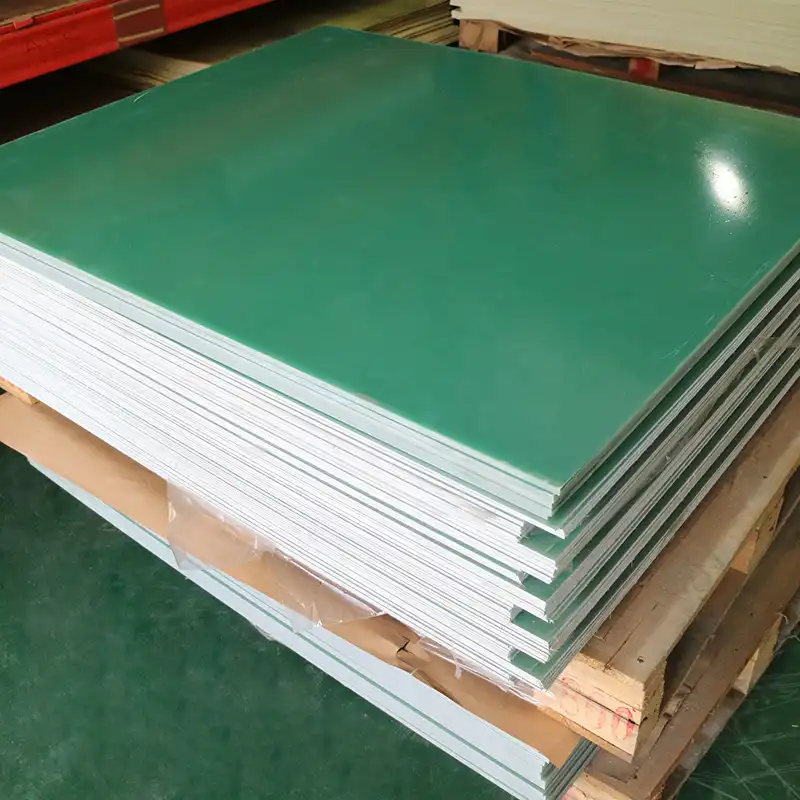
When aerospace companies buy G10 sheet stock in bulk, they can get better prices and still keep up with the material tracking standards set by AS9100 quality management systems. When kept properly, raw materials can last longer than two years. This allows for strategic inventory management that adapts production plans to changing rates of airplane production.
Different widths can be chosen, ranging from 0.031 inches for flexible circuit supports to 2 inches for high-load structure uses. This flexibility gets rid of the need for various material qualifications, which speeds up the seller approval process and lowers the cost of administration related to buying.
Environmental Advantages in Modern Manufacturing
Sustainability measures are becoming more and more important in modern aerospace industry, along with technical success. G10 machining creates waste streams that can be recycled. For example, the glass-epoxy particles can be used as filling in composite molding products, which means they don't have to be thrown away in landfills. With this closed-loop method, the company's environmental goals are met while still following EPA rules for handling composite dust.
When compared to biological insulators that break down when exposed to wetness or microbes, this material's durability means that parts don't have to be replaced as often. A single G10 busbar insulator may still work after several maintenance rounds. This lowers the environmental effect of making replacement parts over the 20-year service life of an airplane.
Potential Drawbacks and Limitations of CNC Machined G10 Sheets
Material Brittleness and Machining Challenges
The G10 sheet breaks easily when hit, especially at the ends that have been polished and where the glass fibers end. Drop tests show that sharp corners concentrate stress, creating tiny cracks that spread in settings with a lot of energy, like those found in space. To make this less of a problem, engineers must include large edge radiuses and stress release features in the design part.
The rough glass fiber structure speeds up tool wear a lot more than when working with metals or plastics that aren't strengthened. Carbide end mills may need to be replaced after cutting just 50 linear feet of G10. This raises the cost of consumables and means that tools have to be changed more often, which slows down production. When shops quote jobs, they often don't include these tooling costs because they don't have enough experience with composite materials.
Temperature Performance Limitations
G10 can take mild heat well, but when exposed to temperatures above 150°C, the epoxy matrix starts to break down, which makes the material less stable and weaker. For aerospace uses near engine compartments or exhaust paths, it's important to do careful temperature analysis to make sure that parts stay within safe working windows. It is possible for G11 grade materials to withstand temperatures up to 180°C continuously, but they cost more.
Thermal cycling between very cold temperatures at high elevation and very hot temperatures at ground level puts stress on the plastic structure over time. G10's low thermal expansion rate keeps changes in size to a minimum, but repeated cycles can eventually cause micro-delamination between layers of glass cloth, which weakens both the material's strength and its ability to conduct electricity.
Thickness and Design Constraints
Standard G10 sheet production can cheaply handle widths up to 3 inches, but custom measurements have much longer lead times and are harder to get. For aerospace parts that need bigger cross-sections, it might be necessary to use bonded pieces, where the glue surfaces might not be reliable, or different materials, like machined ceramics, which come with different weight and cost trade-offs.
Layered glass cloth has anisotropic qualities that cause strength differences in different directions that design engineers have to account for. When you load perpendicular to the lamination planes, the shear strength is smaller than when you load in-plane. This means that it can't be used in some construction situations where uniform features are important. Because of this direction dependence, it is important to pay close attention to the fiber position when choosing the material and setting up the machine.
Comparison with Alternative Composite Materials
FR4 laminates have self-extinguishing properties that are useful in plane interior uses where strict fire safety rules apply. Adding brominated chemicals lowers the material's flammability but also slightly weakens its mechanical qualities and raises worries about how it will affect the environment when thrown away. When engineers choose materials for certain aircraft parts, they weigh these things against G10's higher hardness.
Advanced carbon fiber composites have better strength-to-weight ratios, but they require a lot more complicated machining and cost a lot more for the raw materials. Because carbon fiber conducts electricity, these materials can't be used for high-voltage shielding jobs, which are best done with G10. Strategic material choice is based on the performance objectives and price limits of each component.
Procurement Insights and Best Practices for B2B Buyers
Evaluating Supplier Quality and Certifications
When aerospace companies buy things, they have to make sure that their sellers have full quality control systems that meet AS9100 standards and can track materials from the resin batch to the finished part. Ask for certificates of approval that show that each lot of G10 sheets meets NEMA standards by having their dielectric strength, water absorption, and mechanical traits tested by a third party.
Climate-controlled machining conditions that keep moisture from absorbing during processing should be part of a supplier's manufacturing capabilities. So should ultrasonic testing equipment that can find internal delamination before parts are put together in an airplane. Site checks find out if shops have special cleaning systems that collect harmful fiberglass dust, keeping workers healthy and protecting sensitive machinery from being harmed by abrasive contamination.
Optimizing Costs Through Strategic Sourcing
Buyers can deal better if they understand how prices work. The price of G10 sheets depends on their thickness, volume, and certification needs. Materials that are certified for use in space take more money than commercial grades that don't have full test records. Minimum order amounts depend on the size of the sheets and can be anywhere from 25 to 100. To get bulk savings, buyers are encouraged to combine their needs from multiple projects.
Logistics issues have a big effect on the total landing costs. Working with providers that offer combined shipping services lowers the risks of handling that could break fragile items while they're being shipped. Because G10 is fragile, our operations skills make sure that it is properly packed with a moisture shield and shock absorption that is right for it. This lowers the number of items that are rejected because they were damaged in transit.
Building Long-Term Supply Chain Partnerships
Stable ties with suppliers help aerospace projects last for decades by making sure that the quality of materials stays the same as aircraft models change. With a preferred supplier deal, you can get technical help during the design phase, which helps you make sure that the geometries of your parts are the best they can be before you spend a lot of money on expensive tools.
Long-term relationships allow people to work together on projects to improve quality. When providers know exactly what an application needs, they can offer process improvements that make the part work better, such as special edge treatments or surface finishes. This technology cooperation gives them benefits over their competitors that go beyond just negotiating prices.
How to Maximize the Performance of CNC Machined G10 Sheets in Aerospace?
Rigorous Quality Control and Inspection Protocols
After machining, using coordinate measuring tools to check the dimensions makes sure that important parts meet the tolerances needed for aircraft applications. Statistical process control charts show changes over time in measures of thickness, hole placement, and surface flatness. This helps find issues like tool wear or setup drift before they get to the assembly steps.
By looking closely through a magnifying glass, you can see edge chipping, the start of delamination, or resin gaps that might make the product less reliable. Using accept/reject criteria based on flaw size and position makes sure that only parts that meet strict G10 sheet standards make it to installation, which cuts down on field failures and expensive aircraft downtime.
Proper Storage and Handling Procedures
G10 sheet doesn't take much water, but keeping it in a climate-controlled space with less than 50% relative humidity stops any changes in size before it is machined. Vertical storage racks lower the risk of bending in thinner sheets, and protective interleaving stops surface scratches that could lead to cracks spreading when the sheets are handled again.
When attaching G10 parts, the installation instructions should include the right force values. When you tighten something too much, you create localized stress concentrations that cause cracks. When you don't clamp it down enough, vibrations cause worrying. By teaching assembly workers about the properties of composite materials, installation damage that destroys engineering investments in precision cutting can be avoided.
Emerging Technologies and Industry Trends
Nano-sized fillers are added to more advanced types of G10 to make them better at conducting heat for use in heat-dissipation uses without affecting their ability to conduct electricity. These hybrid formulas meet changing needs in aircraft, where electric propulsion systems create new problems with managing heat in small airframe areas.
CNC machining processes can now be watched in real time thanks to Industry 4.0 industrial technologies. Sensors that measure spindle load, vibration patterns, and audio emissions can quickly tell when a tool is worn out or the cutting parameters aren't right. This sets off automatic changes that keep the quality of the part while extending the life of the tool. These smart manufacturing methods lower the amount of waste and make it cheaper to make fine G10 parts.
Conclusion
CNC machined G10 sheet has great electrical insulation, mechanical strength, and physical stability, all of which are important for aircraft parts. Because it doesn't absorb much water and is strong for its weight, the material is great for high-voltage systems, precise mounting tasks, and setups that need to be light. Partnering with experienced suppliers who keep strict quality controls, know aircraft safety standards, and offer technical teamwork during the design and manufacturing stages is key to successful procurement. Even though the limits on temperature and the difficulties of machining them need careful thought, smart material choice and the right way to handle them allow G10 parts to work reliably and for a long time in harsh military settings.
FAQ
What thicknesses are available for aerospace G10 sheet applications?
Standard aircraft uses G10 sheet that is as thin as 0.031 inches for supporting lightweight circuit boards and as thick as 1.5 inches for insulating structures that are under a lot of stress. For special needs, custom widths of up to 3 inches can be found, but wait times are much longer than for stock sizes. Thinner materials keep tighter percentage-based tolerances than heavy plates, so buyers should make sure that the thickness tolerances meet their unique design needs.
Can G10 epoxy sheet be customized for unique aerospace component designs?
CNC machining lets you make a lot of changes, like adding threaded inserts, complicated shapes, and precise hole patterns. Waterjet cutting can handle complicated shapes without leaving areas that are too hot. Surface techniques like texturing or applying a finish can be built into the process of making something. Engage manufacturers early on in the planning process to make sure that shapes are optimized for cost and ease of manufacture.
How does G10 compare to other composite materials for electrical insulation?
G10 sheet is better at resisting water than phenolic laminates, so it keeps its insulating qualities in damp places where paper-based materials break down. FR4 is good for interior uses because it doesn't catch fire, but it has a slightly lower mechanical strength. Advanced polyimide materials can withstand temperatures higher than G10, but they are much more expensive. Choosing the right material for an aircraft application means finding a balance between electrical performance, mechanical needs, environmental factors, and budget limits.
Partner with J&Q for High-Performance G10 Sheet Solutions
Choosing the right G10 sheet provider who knows your technical challenges and compliance requirements is the first step in making sure that aerospace parts are reliable. J&Q has been making high-quality epoxy laminates that meet strict flight standards for more than 20 years. They also have 10 years of experience in foreign trade, working with OEM partners all over the world. Our combined logistics services include finding materials, precision machining, and delivering them to your building all in one place. This makes the supply chain more efficient and helps keep production plans on track.
Technical support teams at J&Q work directly with engineering groups to make sure that component designs are made in the best way possible, to suggest the right material grades, and to set up quality standards that are in line with AS9100. Our capacity and quality systems can support aerospace projects at any size, whether you need a small number of prototypes to test your design or a lot of parts to be made with guaranteed group consistency. Get in touch with our experts at info@jhd-material.com to talk about your unique G10 sheet needs, ask for approved material samples, or get reasonable pricing from a reputable maker dedicated to aerospace excellence.
References
National Electrical Manufacturers Association. (2020). NEMA Standards Publication LD 3-2020: High-Pressure Decorative Laminates and Electrical Laminates. Rosslyn, VA: NEMA.
ASTM International. (2018). ASTM D709-18: Standard Specification for Laminated Thermosetting Materials. West Conshohocken, PA: ASTM International.
Society of Automotive Engineers. (2019). AS9100D: Quality Management Systems - Requirements for Aviation, Space, and Defense Organizations. Warrendale, PA: SAE International.
Mazumdar, S. K. (2021). Composites Manufacturing: Materials, Product, and Process Engineering for Aerospace Applications. Boca Raton, FL: CRC Press.
Campbell, F. C. (2020). Structural Composite Materials for Aerospace Applications. Materials Park, OH: ASM International.
Mouritz, A. P., & Gibson, A. G. (2022). Fire Properties of Polymer Composite Materials in Aviation. Dordrecht, Netherlands: Springer International Publishing.

Get a complete product list and quotation
J&Q New Composite Materials Company