The Benefits of CNC-Machined NEMA CE Sheets in Marine Engineering Applications
Materials designed for high-voltage and marine environments must maintain stable performance under continuous exposure to saltwater conditions. NEMA CE sheets provide reliable electrical insulation and mechanical durability in offshore and coastal applications where equipment failure can lead to significant safety and operational risks. These CNC-machined components offer high dimensional accuracy, excellent dielectric strength, and inherent corrosion resistance due to their non-metallic structure. Certified to stringent safety standards, they are engineered to withstand prolonged exposure to moisture, pressure fluctuations, and temperature variations commonly encountered in marine and offshore electrical systems.
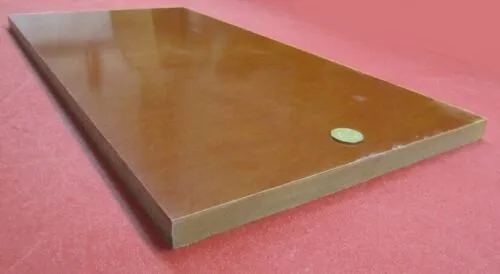
Understanding NEMA CE Sheets and Their Role in Marine Engineering
Material Composition and Grade Specifications
Electrical-grade phenolic cotton laminates made with controlled heat and pressure are labeled NEMA CE sheets. The laminate structure is made up of layers of woven cotton cloth that has been mixed with phenolic resin. This makes a combination that is strong at both electrical and mechanical levels. This construction is very different from glass-epoxy options because it is better at resisting impacts and damping vibrations. These are very useful qualities for equipment that has to deal with constant wave motion and mechanical stress.
Corrosion Resistance in Saltwater Environments
Through oxidation and electrolytic action, seawater's chemicals kill things that aren't secured. Phenolic resins are very resistant to humidity, salt spray, and changes in temperature between the engine rooms and the weather areas. Unlike metal casings that need expensive coatings, these laminated sheets keep their insulating qualities even after being in marine environments for a long time. This cuts down on the number of times they need to be maintained and the cost of replacing them.
Compliance with Safety Standards
Marine electricity systems need to meet worldwide marine standards, OSHA rules, and Coast Guard rules. Certified NEMA CE materials have recorded dielectric breakdown voltages and flame resistance values that make the approval process easier for regulators. Engineering paperwork from reputable makers includes test data that shows compliance with relevant standards. This gives buying teams faith in the choices they make about which materials to use.
CNC Machining Advantages for Custom Fabrication
Precision computer-controlled cutting can achieve standards that can't be reached by hand. When making terminal boards, arc barriers, or transformer spacers, the electrical clearance lengths required by safety rules are directly affected by how accurately the dimensions are measured. CNC processes make complicated shapes (like internal pockets, mounting holes, and radius corners) that can be used in different assemblies and don't cause fit-up issues during installation.
Key Benefits of CNC-Machined NEMA CE Sheets in Marine Engineering
Enhanced Durability Against Environmental Stress
For marine uses, you need materials that will work reliably in situations that would break down less reliable options. Knowing these benefits helps technical procurement teams make smart choices that affect daily costs and system stability over the long term. Offshore sites and ships' electrical systems have to deal with water getting in, engines shaking, waves, and temperature changes between normal and working temperatures. NEMA CE sheets keep their mechanical strength over a wide range of temperatures and don't delaminate when they come into contact with moisture. Because the material is naturally tough, it can handle impact forces that would break weak materials, so it lasts longer in harsh environments.
Precision Customization for Complex Assemblies
Marine equipment often has to be mounted in tight spaces, which isn't possible with standard cages. CNC machining lets you make unique designs that work with current systems without any problems. This cuts down on installation work and changes to nearby structures. This ability to make changes is especially useful when updating older ships or changing commercial parts to meet marine standards.
Simplified Compliance and Quality Assurance
Purchasing managers are under a lot of pressure to find things that meet government standards and keep prices low. The approval process is sped up when you work with makers who provide certified material test results and compliance paperwork. With batch tracking and uniform quality from CNC production, inspection time is cut down and the costs of rejecting parts that don't meet specifications are eliminated.
Long-Term Cost Savings Through Reliability
The initial prices of materials are only a small part of the total costs of ownership. Less frequent upkeep, longer periods between replacements, and less downtime all add up to big savings over the lifecycles of equipment. When insulation problems cause system shutdowns or safety issues, the cost is much higher than any savings made by buying cheaper materials.
Comparing NEMA CE Sheets with Other Enclosure Standards
Understanding Certification Differences
UL standards focus on safety and fire resistance, while NEMA grades focus on mechanical security and sealing against the climate. The Ingress Protection (IP) grade method checks how well something keeps dust and water out. Marine engineers need to know these differences because a NEMA 4X rating doesn't always mean that the dielectric strength is good enough for high-voltage uses, just like an IP68 rating doesn't always mean that the mechanical sturdiness will hold up against vibrations.
Material Performance in Marine Conditions
Glass-epoxy laminates, such as FR4, have great electrical qualities, but they can break easily when hit. Metal containers block electromagnetic waves, but they need coats that protect against corrosion, which wear off over time. Electrical protection, mechanical strength, and resistance to the environment are all balanced in NEMA CE sheets. They are not as fragile as paper-based phenolics or as heavy as steel housings.
International Standards Alignment
Materials for global marine projects need to meet the needs of more than one area. In Europe, installations must follow IEC standards, while many business uses must follow ANSI standards. Materials that meet NEMA standards usually meet foreign counterparts. This makes compliance with multiple jurisdictions easier and allows for standard purchasing across all activities around the world.
How to Select and Purchase CNC-Machined NEMA CE Sheets for Marine Projects
Evaluating Supplier Qualifications
Suppliers you can trust show they know how to make things by having certifications, quality system paperwork, and the ability to offer technical help. Purchasing departments should check that producers have quality management systems that are in line with ISO standards and can provide material approvals that can be tracked back to the sources of the raw materials. Lead times, minimum order amounts, and the ability to customize NEMA CE sheets change a lot between providers, which makes it hard to plan projects and keep track of inventory.
OEM Versus ODM Sourcing Strategies
Original Equipment Manufacturers (OEMs) make parts based on what the buyer wants. They have the most power over the design details but need a lot of engineering paperwork. Original Design Manufacturers offer standard solutions that can cut down on the time and money needed to build popular apps. Which one to use relies on the job and whether it needs custom configurations or can use tried-and-true designs that have been taken from other products.
Pricing Considerations and Bulk Advantages
Material costs change depending on the type of resin used, the quality of the cotton cloth, and the amount that is made. When you buy in bulk, you can often save a lot of money per unit, but you need to take into account the costs of keeping the goods. Recent market trends show that prices for normal grades have stayed the same, while specialized formulas fetch higher prices because they work better.
Logistics and Supply Chain Management
To keep fragile laminated sheets from getting damaged during shipping, they need to be properly packed. Suppliers who offer combined logistics make it easier to coordinate deliveries and lower the cost of freight by finding the best routes. When machine breakdowns threaten project plans or the continuity of operations, expedited shipping choices become very important.
Real-World Case Studies: CNC-Machined NEMA CE Sheets in Marine Engineering
Offshore Platform Electrical Protection
Due to saltwater getting in and vibrations, junction box insulators kept breaking down on a remote energy system. In the past, plastic covers would crack after a few months, letting water damage electrical connections. When they switched to CNC-machined NEMA CE sheets with precision-sealed designs, service times went from six months to over three years. This cut down on the cost of sending out repair crews and improved safety records for the platform.
Coastal Navigation System Retrofits
Because the guidance equipment along the shipping waterways was getting old, the arc barriers had to be updated to meet current electrical codes. Custom-machined sheets were used to repair broken parts and restore proper electrical clearances without having to replace the whole system. The project showed how precise manufacturing can be used to make focused improvements that increase the useful life of infrastructure while still following the rules.
Transformer Terminal Board Applications
When marine transformers are installed, they need insulation materials that keep their dielectric strength even when exposed to changes in temperature and humidity. A project to connect electricity to ships called for CNC-machined terminal boards, which cut down on mistakes made by hand-drilling and made sure that all the units had the same mounting hole designs. Standards cut down on the time it took to put things together and made quality control better during installation.
Conclusion
Choosing the right insulating materials is what determines how long marine electrical systems last and whether they break down early in tough circumstances. NEMA CE sheets that are CNC-machined meet the specific electrical, mechanical, and environmental needs of offshore and marine uses. The precise production method makes sure that the dimensions are always the same, and the phenolic cotton substrate makes it resistant to corrosion and impact. When material performance is more important than original cost, engineering managers and procurement specialists know that these solutions offer better total ownership value by extending service intervals and lowering upkeep needs.
FAQ
Why are NEMA CE sheets preferred over metal enclosures in marine environments?
Phenolic laminates don't rust in salt water and don't need protection layers that wear off over time. NEMA CE sheets offer electrical protection that metal can't match and weigh a lot less, which makes fitting easier in situations where weight is important. The substance won't carry any unwanted currents that could speed up galvanic rusting in metal buildings nearby.
How do CNC-machined components compare to IP-rated alternatives?
IP grades only show how well something keeps water and dust out; they don't show how strong something is or how well it blocks electricity. CNC-machined NEMA CE parts offer complete performance, including protection against the environment, high dielectric strength, and resistance to impact, all in one answer, rather than needing multiple safety measures.
What should procurement teams verify when sourcing certified suppliers?
Ask for material certifications that show they meet NEMA LI-1 standards, quality system paperwork that shows consistent manufacturing, and expert support that can help with design. Check wait times, the ability to customize, and whether sources can provide small batches for prototyping before committing to large production numbers.
Partner with J&Q for Precision Marine Insulation Solutions
J&Q has been making things for more than 20 years and specializes in high-performance insulation materials for tough jobs. Our engineering team knows how important it is for marine electrical protection that NEMA CE sheets are made correctly, and we've helped a huge number of offshore sites by making custom solutions that meet strict safety and performance standards. As both a maker of these sheets and an expert seller, we keep an eye on quality from choosing the raw materials to the final inspection, making sure that every part fits the needs of your project.
Our combined logistics skills make it easier to coordinate deliveries and give quick help when project deadlines require it. Technical buying teams like that we're willing to work with them to improve designs and that we're committed to giving them all the paperwork they need to follow the rules. Get in touch with our experts at info@jhd-material.com to talk about your unique marine engineering problems and get detailed technical advice based on real-world experience.
References
National Electrical Manufacturers Association. "NEMA Standards Publication LI 1-2018: Industrial Laminated Thermosetting Products." 2018.
American Society for Testing and Materials. "ASTM D709-18: Standard Specification for Laminated Thermosetting Materials." 2018.
International Electrotechnical Commission. "IEC 60721-3-6: Classification of Environmental Conditions - Part 3-6: Classification of Groups of Environmental Parameters and Their Severities - Ship Environment." 2002.
Society of Naval Architects and Marine Engineers. "Technical & Research Bulletin 3-37: Electrical Systems for Marine Vessels." 2019.
Institute of Electrical and Electronics Engineers. "IEEE Standard 45.1-2017: Recommended Practice for Electrical Installations on Shipboard - Design." 2017.
United States Coast Guard. "Navigation and Vessel Inspection Circular No. 2-95: Electrical Engineering Regulations." Department of Homeland Security, 2014.

Get a complete product list and quotation

J&Q New Composite Materials Company



