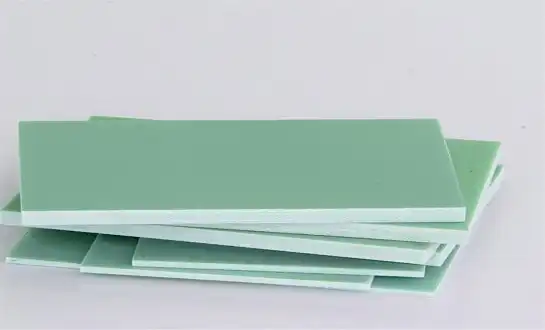
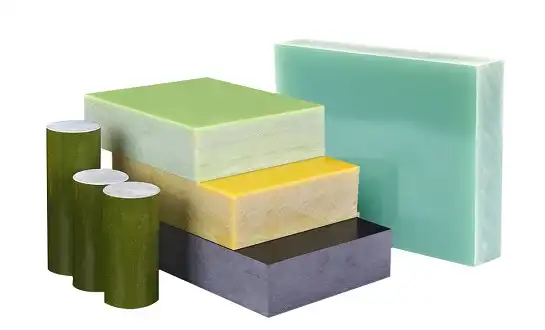
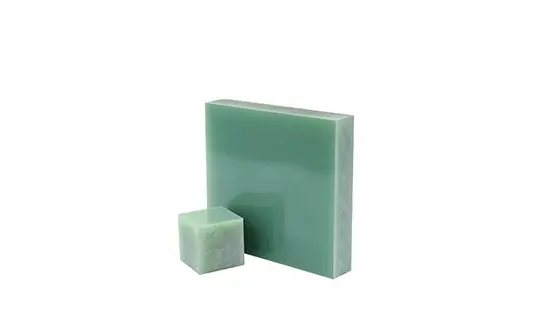
Surface Polishing and Deburring for Machined Bakelite Parts
If you've ever had to machine phenolic resin parts for electrical uses, you know how annoying it is when parts that should be precise end up with burrs and rough edges. Surface polishing and deburring for machined Bakelite parts take on these important quality issues head-on, turning rough-machined parts into smooth, functional insulators that are ready for harsh electrical and industrial settings. If you make switchgear parts, motor brackets, or PCB supports, knowing how to finish the surface of your Bakelite parts properly can have a direct effect on how well they work and how happy your customers are.
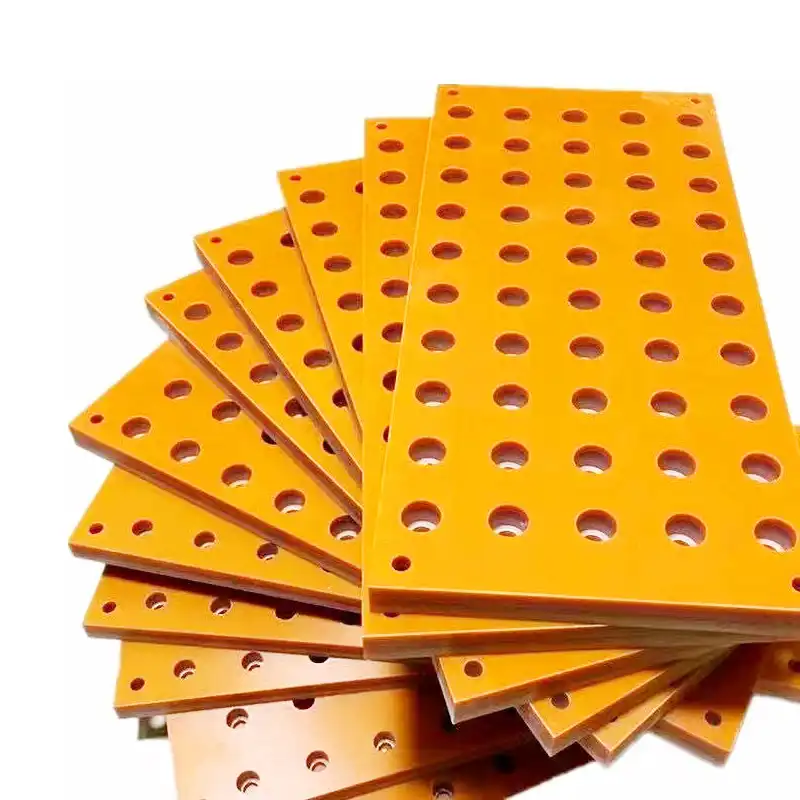
Understanding Machined Bakelite Parts and Their Surface Challenges
Machined phenolic laminates have a good reputation in the electrical and industrial fields because they have worked well for many years. The dielectric strength of these thermosetting materials is often higher than 10 MV/m, and they are also very rigid, so they can handle a lot of operational stress. Its density of about 1.45 g/cm³ keeps its shape, and its chemical resistance to solvents, oils, and weak acids makes it last for a long time in harsh production environments. Even with these benefits, the process of machining adds flaws to the surface that can damage the very qualities that make phenolic laminates valuable for every Bakelite part produced.
Common Surface Defects from Machining Operations
When phenolic materials are milled, drilled, or turned on a CNC machine, they are put under mechanical and thermal stress. Engaging the tool creates pressure points in certain areas that can tear the material instead of cutting it cleanly, especially along the edges where the tool is leaving the workpiece. The outcome shows up as raised burrs, those unwanted protrusions that cause interference in the assembly process and could be electrical tracking paths. When cutting parameters don't match the properties of the material, rough surface textures show up. Too fast of feed rates or worn-out tools can make grooves and ridges that are several micrometers deep. Over time, these tiny valleys let water and dirt build up and lower the insulation's resistance. Cracks that are very small are the sneakiest kind of damage. These stress fractures go deep into the material structure from areas where tools have hit it. They are so small that a casual inspection would miss them. When there is an electrical load or mechanical vibration, micro-cracks turn into failure points that make the part less reliable.
Why Surface Quality Matters for Electrical Applications?
The integrity of electrical insulation depends on how smooth the surface is. Each burr, groove, or projection shortens the effective insulation distance and creates fields that are stronger in certain areas. When working with high-voltage switchgear, a single sharp edge can start a corona discharge that carbonizes the material around it, making a path for electricity to flow where there shouldn't be one. Different but just as bad things can happen to mechanical assemblies. Burrs make it hard for gaskets to seal properly, stop stacked parts from mating correctly, and create stress concentration points in load-bearing applications. When phenolic spacers in industrial machinery hold on to machining burrs, the machine will wear out faster and break down without warning. When parts arrive with their surfaces not properly prepared, the efficiency of the assembly line goes down. Operators waste valuable time deburring parts by hand, which leads to variations in quality and slows down production. Automated assembly systems just throw away parts that don't meet the requirements. This creates waste and rework costs that lower profits.
Efficient Surface Polishing and Deburring Techniques for Bakelite Parts
Deburring by hand is still common in low-volume production. Files, abrasive pads, and scrapers are used to get rid of visible burrs. This method is flexible for complicated geometries, but it introduces a lot of variation based on how skilled and tired the operator is. It's hard to keep consistency from batch to batch when multiple operators are in charge of finishing tasks during different production shifts. The use of mechanical tumbling is a step toward automating processes. In rotating barrels, parts tumble together with ceramic or plastic media, which wears away surface imperfections over time through controlled abrasion. Tumbling works well for small parts with simple shapes, but it's not precise enough for Bakelite parts that need to be within tight tolerances for size or have a certain level of surface roughness.
Advanced Finishing Technologies
In modern factories, more and more advanced surface finishing methods are being used to get consistent results on an industrial scale for Bakelite part. When procurement teams know about these technologies, they can choose the right processes for getting finished parts.
Abrasive Flow Machining moves semi-solid abrasive media through holes and across surfaces under controlled pressure. The media can fit into complicated internal shapes and polish areas that regular tools can't reach. This method is great for smoothing out holes that cross each other and getting rid of recast layers in precision electrical parts where the insulation properties of the internal paths must stay the same.
Micro-Grit Blasting uses compressed air to push fine abrasive particles, usually 50 to 200 micrometers in size and made of aluminum oxide or glass beads, against the surfaces of parts. The controlled impact gets rid of burrs and makes matte finishes that are all the same. Robotic positioning for automation makes sure that coverage is the same across production runs. This makes this method perfect for making medium to large amounts of goods.
Ultrasonic Polishing uses abrasive slurries and high-frequency vibration to make surfaces as smooth as a mirror. Ultrasonic energy creates a cavitation effect that speeds up the removal of material on microscopic levels. This smooths out surface imperfections down to sub-micrometer levels. This method of finishing is very helpful for electrical parts that need a very smooth surface, like transformer barriers and arc shields.
When automation is added to finishing, it goes from being a slow step in the production process to a faster one. Polishing stations that are controlled by CNC keep the tool pressure, traverse speeds, and contact angles the same on thousands of parts. Vision systems look at finished surfaces and send any parts that don't meet the standards to be processed further automatically. This level of process control raises throughput while lowering the amount of waste.
Process Optimization Parameters
For the best surface finish, you need to pay close attention to many factors that affect each other. The choice of abrasive is the first step. Aluminum oxide cuts quickly and deeply to get rid of burrs, while silicon carbide gives surfaces that have already been polished a smoother finish. Grain size progression is very important. Starting with 180-grit media and moving on to 320-grit, 600-grit, and 1200–grit stages gives better results than processing in a single stage. Feed rates and contact pressures need to be precisely calibrated to the properties of the material. Too much pressure can burn phenolic surfaces, while not enough pressure just smooths out burrs without getting rid of them. Expert manufacturers create process windows by testing them in a planned way and writing down the best parameters for each part's shape and surface finish requirements.
Polishing compounds, which are usually water-based mixtures of fine abrasives and coolants, do two things. They make it easier to remove material and get rid of frictional heat that could hurt thermosetting resins otherwise. The choice of compound changes depending on the stage of finishing. For example, coarse compounds with particles 15-20 micrometers in size are used for the first smoothing step, while sub-micrometer diamond or cerium oxide suspensions are used for the final polishing. A company that makes parts for electrical switchgear recently put in place automated micro-grit blasting for the production of phenolic insulators. Before the implementation, the surface roughness was measured and found to be an average of 3.2 micrometers, with visible burrs up to 0.3 millimeters high. Testing done after the installation showed consistent Ra 0.8 micrometer finishes with no burrs at all. Field performance data gathered over eighteen months showed that finished parts had no electrical tracking failures, while parts that were deburred by hand had a 2.3% failure rate. The adoption of advanced finishing technology led to a clear return on investment as production throughput went up by 40% and finishing labor costs went down by 65%.
Selecting and Procuring High-Quality Bakelite Parts with Optimized Finishing
Purchasing managers in the electrical and industrial sectors are under more and more pressure to get parts that are ready to use right away, so they don't have to go through expensive extra steps. Negotiating prices is only one part of the supplier selection process. Manufacturing capabilities, quality systems, and technical expertise are also carefully looked at to ensure each Bakelite part meets operational requirements.
Critical Supplier Certifications and Capabilities
ISO 9001 certification is a basic way to make sure that suppliers keep their quality management systems well-documented. But people who want to buy electrical parts should look further and make sure that the companies they're considering are ISO/IEC 17025 accredited testing laboratories that can check the dielectric strength, surface resistivity, and dimensional conformance. These testing options show that a supplier is dedicated to using measurable quality metrics instead of subjective visual inspection. RoHS compliance documentation used to be optional, but now it's required for parts that go into global supply chains. Suppliers should show declarations of material composition and test reports from a third party that say phenolic laminates don't have any restricted substances. During customer audits and regulatory inspections, this paperwork is very important. OEM manufacturing capabilities show that a supplier can handle the whole process of making a part, from designing it to finishing it. When suppliers do their own machining, surface treatment, and quality checks, they make supply chains run more smoothly and make coordination easier. When one vendor handles all stages of production, there is clear and unbroken responsibility for the quality of the finished part.
Evaluating Surface Finishing Expertise
Talking about technical issues with possible suppliers shows how well they understand the needs for surface finishing. When it comes to marketing, engineering managers should ask specific questions like, "What abrasive grades do you use for different surface roughness specifications?" How do you know if the burrs on internal features have been removed? What settings determine how your automated polishing sequences work? Suppliers who really know what they're talking about reply with detailed process descriptions backed up by surface roughness data, before-and-after microscopy images, and studies that show how well the process works. They talk about problems that came up with certain geometries and how changes to the process fixed quality problems. This level of openness makes people more confident in their ability to consistently get results.
During the finishing process, quality control checkpoints tell the difference between high-tech manufacturers and basic machine shops. Inline inspection after deburring finds flaws before parts move on to the polishing stages, which saves time that would have been wasted on other steps. Final inspection procedures should include checking the dimensions, measuring the surface roughness with calibrated profilometers, and looking closely under a microscope. Suppliers who put money into good infrastructure show that they are dedicated to delivering goods without any problems. Investing in finishing technology shows how well a supplier can meet customer needs. Manual finishing operations make it hard to make a lot of things at once and keep them all the same. Suppliers who have automated polishing cells, robotic blasting stations, and computer-controlled inspection systems are in a good position to meet rising production needs while still meeting strict quality standards.
Strategic Bulk Procurement Considerations
Different suppliers have very different pricing structures for volume orders, but the lowest unit cost doesn't always mean the best total value. Costs must be looked at in their entirety by procurement professionals, which includes freight, customs duties, inventory holding costs, and possible quality escape costs. A supplier with slightly higher unit prices but better finishing quality may have a lower total cost of ownership because they won't have to pay for as much rework or field failures. Often, the reliability of lead time is more important than the length of time that is quoted. When suppliers promise tight delivery times, they often let customers down when quality or capacity issues cause delays. Ask for past data on on-time delivery and references from customers who have made similar amounts of products. Reliable suppliers make schedules that are realistic and include extra time in case something comes up.
Logistics optimization is more than just choosing the cheapest ways to ship things. Good packaging protects finished surfaces during shipping. For example, phenolic parts with perfectly machined and finished surfaces that arrive with handling scratches are useless. Suppliers who have shipped goods internationally before know what kind of packaging is needed to protect against moisture, damage, and to meet customs requirements. Building strategic relationships with suppliers creates benefits for both parties that go beyond simple transactions. Sharing production forecasts helps suppliers get the most out of their available capacity and buy the best raw materials. When quality problems happen, working together to solve them speeds up the process of taking corrective action. Long-term partnerships where everyone agrees on quality standards provide stability in the supply chain that helps keep manufacturing operations running smoothly.
Conclusion
By polishing and deburring the surface, machined Bakelite part are turned from rough blanks into precise insulators that are ready for tough electrical and industrial use. Modern finishing technologies offer consistent quality that can't be matched by manual methods, and choosing the right supplier makes sure that Bakelite parts arrive ready to be put into production. Comparing different types of materials shows that phenolic laminates still have great electrical performance, thermal stability, and finishing responsiveness that make them useful in many different situations. Design optimization cuts down on the need for finishing, and proper handling keeps the surface quality high during assembly and use. All of these parts work together to make reliable parts that meet high performance standards and keep total lifecycle costs low.
FAQ
How does surface polishing enhance electrical insulation performance?
Small flaws on the surface create concentrated electric fields that can cause electrical breakdown at voltages well below what the material should be able to handle. These flaws are smoothed out by polishing, which increases the effective insulation distance and gets rid of any sharp spots where corona discharge could start. Polishing gets rid of dirty layers on the surface and seals tiny holes that could let conductive moisture in. This makes the surface resistivity better. Tests consistently show that polished phenolic insulators can handle 15–30% more voltage stress than surfaces that have been machined. This means that there are more safety margins in high-voltage situations.
What deburring methods prove most cost-effective for large production runs?
When more than 5,000 parts are made every month, automated micro-grit blasting and tumbling operations give the best cost-per-part economics. The cost of the initial equipment investment is spread out over the number of parts that are made, and the cost of processing each part is kept low—usually 15–40% of the cost of manually deburring. Consistency in robotic processes gets rid of the quality variations that come with manual work, which makes inspections easier and cuts down on waste. Even though it costs more up front, automated finishing is a good way to keep up production levels because it lowers direct processing costs and improves quality metrics.
Can custom-shaped components receive the same finishing quality as standard geometries?
Modern finishing technologies can easily work with complicated shapes by changing process parameters and customizing fixtures. Abrasive flow machining is great at finishing internal passages that are very complicated, and robotic blasting systems use programmed tool paths that can fit the shape of things in three dimensions. Custom Bakelite parts might need more time for process development and special tools for holding them, but skilled manufacturers can usually get the same surface quality standards for both standard and custom geometries. Suppliers can offer the right finishing methods and accurate prices if they are told about the complexity of the geometry during the quotation process.
Partner with J&Q for Premium Bakelite Part Finishing Solutions
We've spent more than twenty years at J&Q getting the balance right between precise machining and advanced surface finishing for phenolic parts. We use an integrated manufacturing approach that combines CNC machining with automated systems for polishing and deburring. This lets us make parts that meet the strictest requirements for electrical insulation and mechanical performance. Our technical knowledge in process optimization helps engineering teams, and procurement professionals like how clear our communication is and how reliable our delivery is. Our quality systems make sure that the results of each production run are the same, whether you need switchgear insulators, motor parts, or custom geometries. Get in touch with our technical team at info@jhd-material.com to talk about your Bakelite part needs with a manufacturer and supplier with a lot of experience who knows how important surface quality is to the reliability of a part.
References
Baekeland, L.H. "Phenolic Resin Compositions and Manufacturing Methods." Journal of Industrial and Engineering Chemistry, Vol. 1, No. 3, 1909, pp. 149-161.
Harper, Charles A. Handbook of Plastics, Elastomers, and Composites. 4th Edition, McGraw-Hill Professional, 2002.
"Surface Finishing of Thermosetting Composites: Process Parameters and Quality Metrics." International Journal of Advanced Manufacturing Technology, Vol. 87, 2016, pp. 2431-2445.
NEMA Standards Publication LI 1-1998: Industrial Laminating Thermosetting Products. National Electrical Manufacturers Association, Rosslyn, Virginia, 1998.
Wick, Charles and Raymond F. Veilleux. Tool and Manufacturing Engineers Handbook: Volume 3 - Materials, Finishing and Coating. Society of Manufacturing Engineers, 1985.
"Electrical Insulation Performance: The Impact of Surface Roughness on Dielectric Breakdown." IEEE Transactions on Dielectrics and Electrical Insulation, Vol. 23, No. 4, 2016, pp. 2156-2164.

Get a complete product list and quotation
J&Q New Composite Materials Company