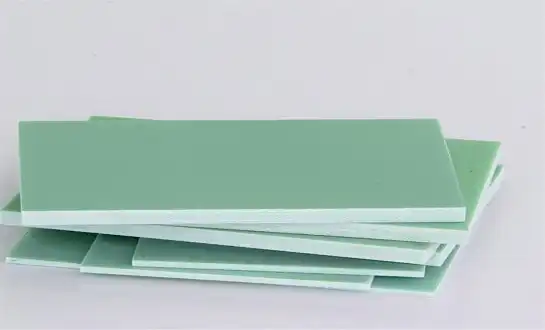
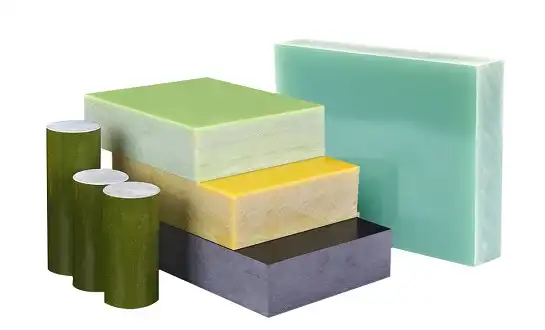
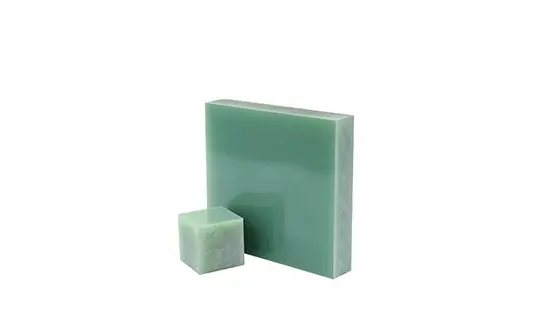
Surface Grinding G10 and FR4 Sheets: Achieving Perfect Flatness
Specialized methods are needed to surface grind G10 sheet materials and FR4 alloys so that they are perfectly flat without affecting their structural integrity. Because they are made up of layers, are sensitive to temperature changes, and have different levels of stiffness between the resin and fiber parts, these glass-epoxy laminates pose special problems. To get perfect flatness, you have to keep an eye on the heat, choose the right abrasives, and make sure the feed rates stay the same during the grinding process. When makers understand these basic ideas, they can make high-quality insulation sheets that meet the exact size requirements needed in electrical, automobile, and industrial settings.
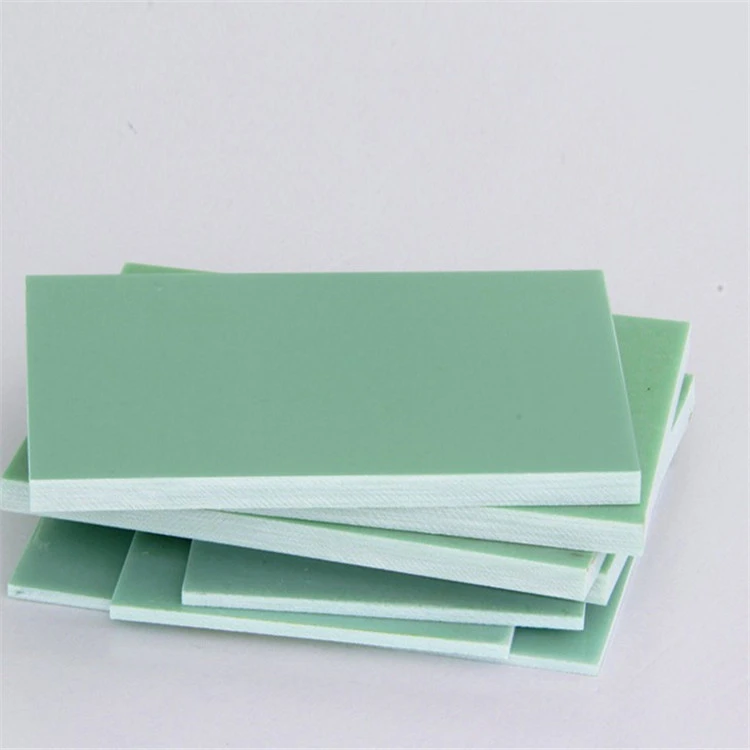
Understanding the Challenges in Grinding G10 and FR4 Sheets
Working with composite materials like G10 and FR4 sheets comes with a number of unique challenges that can have a big effect on the quality and speed of production. These problems come from the way glass-fiber reinforced epoxy laminates are made and how they behave when they are machined.
Material-Specific Grinding Difficulties
Because these insulation materials are made up of different parts, the surface is not all the same. The glass strands and epoxy glue have different mechanical properties. The glass strands are very tough and don't wear down easily, but the epoxy matrix can'withstand high temperatures as well and could break down over time. This mixture often leads to uneven rates of material removal during grinding, which creates surface flaws that don't meet the requirements for flatness.
Another very important thing to think about when working with G10 sheet products is delamination. Too much heat or the wrong cutting settings can separate the layers of a laminate, leaving holes inside that weaken the structure of the material and change its ability to conduct electricity. This effect is stronger on bigger sheets because internal pressures build up during the grinding process.
Thermal Management Challenges
When grinding, heat builds up and presents a big threat to the structure of the composite. Epoxy resins don't transfer heat well, so when temperatures rise in some areas, they can go above the glass transition point. This can cause the resin to melt, burn, or break down completely. The end product shows these thermal effects by changing color, becoming less stable in its shape, and having less tensile power.
When grinding, the random spread of heat across the sheet surface makes it more likely to warp. Differences in temperature cause stresses inside the material that make it bend or twist. This makes it hard to get the flat surfaces needed for precise work in electronics manufacturing and industrial machines.
Surface Grinding Principles for G10 and FR4 Sheets
To successfully grind FR4 sheet glass-epoxy laminates, you need to know the basic rules for removing material while keeping the structure of the combination. These ideas are the basis for making grinding tactics that work and give consistent results.
Abrasive Selection and Wheel Configuration
Because they are harder and better at transferring heat, diamond and cubic boron nitride grinding wheels work best for working with composite materials. These abrasives keep their cutting edges sharp longer than regular aluminum oxide wheels. This means that they produce less heat and make better cuts through both resin matrix and glass fibers.
The density of the wheel is very important for keeping the grinding process efficient. Open-structure wheels with bigger pores make it easier to remove chips and let coolant run. This keeps the coolant from getting clogged, which can build up heat and burn the surface. To keep the best cutting performance throughout the process, the grinding wheel link needs to find a balance between keeping the abrasive grains in place and being able to dress itself.
Critical Process Parameters
To get the best mix between output and surface quality, feed rates need to be carefully tweaked. When feed rates are too high, cutting forces are too high and can cause delamination or fiber pullout. On the other hand, when feed rates are too low, contact time is too long and heat builds up. The best feed rate depends on the width of the material, the wheel's specs, and the surface finish that is needed.
Choosing the right spindle speed affects both how well it cuts and how well it handles heat. In general, faster speeds make the surface finish better, but they also raise the risk of heat creation. To get the flatness standards you want without damaging the material, you must carefully balance the relationship between cutting speed and material loss rate.
Cooling System Requirements
During grinding processes, it's important to make sure that water gets to the right places. Flood cooling is the most effective way to control the temperature, but making sure the right coolant is used will make sure it works with epoxy resins and removes chips and lubricants properly. The design of the cooling system must keep the flow of coolant even across the whole grinding zone to avoid hot spots that could damage the material.
Step-by-Step Guide to Achieving Perfect Flatness
A methodical approach to grinding G10 sheet materials guarantees uniform outcomes while reducing flaws and waste. Each step builds on the ones that came before it to improve the quality of the surface and the accuracy of the measurements.
Pre-Grinding Preparation and Inspection
The first step in inspecting materials is to look at them visually to find flaws on the surface, areas of delamination, or differences in size that might affect how well they grind. Using precision measuring tools to find the original flatness sets the standard and helps figure out how much material needs to be removed.
During the cutting process, it's important to keep the dimensions accurate by holding the work correctly. The clamping system needs to provide enough support without distorting the part in a way that could be passed on to the finished product. Magnetic chucks are good for thicker sheets, while vacuum clamps are better for lighter materials that might bend when clamped mechanically.
Grinding Sequence and Technique
Using modest removal rates, rough grinding gets rid of most of the surface's flaws and makes it about flat. At this step, the goal is to get rid of any high spots and make the material width the same all over the sheet. To avoid heat damage during heavy material removal, coolant flow must be set up early on.
To get to the final surface specs, finish grinding uses smaller abrasives and slower removal rates. It is better to make several light passes than one heavy cut when it comes to keeping the surface intact and stopping delamination. With each pass, you should only take a small amount of material and make the surface finish better and better.
Quality Control and Measurement
Continuous tracking during the grinding process lets changes be made in real time to keep the results at their best. Using precision straightedges or laser scanning tools to measure flatness makes sure that the readings are correct and shows where more work needs to be done. Measuring the surface roughness makes sure that the finish quality meets the needs of the application for the next steps in the assembly process.
Comparing Surface Grinding Solutions for G10 and FR4 Sheets
Different ways of grinding have different benefits based on the amount of work that needs to be done and the quality standards. Manufacturers can choose the best solutions for their needs when they know about these choices.
Manual vs. CNC Grinding Systems
Manual grinding processes for FR4 sheet are flexible for making prototypes and small batches, but they depend a lot on the skill and experience of the person doing the work. When working with multiple parts, it's hard to keep things consistent, and getting close specs takes a lot of knowledge in composite machining methods.
CNC surface grinding systems offer better accuracy and consistency while lowering the need for an operator. These automated systems can keep settings the same over long production runs, making sure that all sheets that are handled are of the same quality. Programming lets you make complicated grinding patterns and control that changes based on feedback from measurement systems in real time.
Advanced Grinding Technologies
Modern grinding machines have complex control systems that keep an eye on the cutting forces, tool power, and temperature levels during the whole process. These feedback systems let the parameters be changed automatically to keep the best cutting conditions and stop heat damage or too much tool wear.
Adaptive grinding systems can tell when the material is different and change the cutting settings to match. This feature is especially useful when processing G10 sheet materials with different amounts of fibers or resins that need to be ground in different ways to get the best results.
Here are some of the best things about modern CNC grinding systems for composite materials:
- Precision Control: The automatic change of the feed rate keeps the removal of material constant and stops thermal damage.
- Repeatability: Computer-controlled factors make sure that all production runs have the same results.
- Quality Control: Measurement tools that work in real time can find differences in dimensions and take corrective measures.
- Efficiency Gains: Less time spent on setup and fewer factors for the operator lead to higher total output.
These technology advances solve common problems in production while also making things more consistent in quality and running more smoothly.
Ensuring Long-Term Performance of Ground G10 and FR4 Sheets
It takes more than just grinding to keep ground composite materials working at their best. When you handle, store, and put things together correctly, you protect the purity of the materials and make sure they work well for a long time in tough situations.
Post-Grinding Handling Procedures
Immediate care after grinding stops pollution and harm that could hurt the performance of the material. Cleaning steps get rid of grinding dust and coolant leftovers by using the right solvents that won't change the qualities of the epoxy glue. When handling things, you need to make sure that there aren't any stress clusters that could cause delamination in places where grinding has already caused damage.
The way things are stored has a big effect on how stable they are over time. G10 sheet materials need to be kept safe from UV light, moisture absorption, and temperature changes that can weaken epoxy over time. Dimensional stability and electrical qualities are kept until the final assembly with the help of proper packing and environmental controls.
Integration with Manufacturing Processes
The way things are put together needs to take into account how ground composite surfaces are made. To make sure that glue or sealing materials stick well, the surface may need to be cleaned or treated more than once. Figuring out how grinding changes surface energy and chemical interaction can help improve the steps that come after.
As part of quality assurance programs, the features of the ground should be checked on a regular basis to look for problems like process drift or equipment wear. Regular checks of flatness, surface finish, and measurement accuracy help keep output quality uniform and find ways to make the process better.
Performance Optimization Strategies
The main goal of continuous improvement programs is to make grinding settings better by using long-term performance data and customer comments. Keeping track of how materials work in real-world situations tells us a lot about how grinding quality affects service life.
When material providers, grinding experts, and end users work together, feedback loops are created that lead to new processing methods and higher quality standards. This way of working together makes sure that grinding processes keep up with changing needs in the business while staying cost-effective.
Conclusion
To surface grind G10 sheets and FR4 sheets perfectly flat, you need to know a lot about the features of the materials, how to grind them, and how to check the quality of the work. To be successful, you need to carefully balance temperature management, abrasive selection, and process factors while keeping the long-term performance of the material in mind. As CNC grinding systems become more automatic, they become more accurate and consistent. However, good skill is still important no matter how advanced the equipment is. If manufacturers spend time learning about these composite materials and implementing appropriate grinding strategies position themselves to deliver superior products that meet demanding industry standards.
FAQ
What surface roughness specifications should be targeted when grinding G10 sheets?
Surface roughness needs can be anywhere from 32 to 125 microinches Ra, based on the job. For best electrical performance, finishes in electronic applications should be smoother (32–63 microinches). On the other hand, finishes in mechanical applications can be slightly rougher (63–125 microinches), which is better for bonding operations.
How does surface grinding affect the electrical insulation properties of FR4 materials?
When grinding is done correctly, the electrical insulation qualities are kept by keeping the structure of the glass-fiber strengthened intact. But too much heat or bad skill can carbonize the epoxy glue, which makes conductive lines that weaken the dielectric. Insulation works well as long as the cutting temperature stays low and the right coolants are used.
What are the best practices for grinding wheel maintenance when processing composite materials?
Regularly cleaning the wheels keeps the cutting edges sharp and keeps them from getting loaded with composite debris. Diamond dressing tools are best for preparing grinding wheels that are used on glass-fiber materials. When you clean your wheels with the right chemicals, you get rid of the resin buildup that can lead to heat buildup and a bad finish.
Partner with J&Q for Superior G10 Sheet Surface Grinding Solutions
J&Q has been making insulation sheets for more than 20 years and has advanced surface cutting equipment that can make composite materials that are perfectly flat and meet your exact needs. Our skilled engineers know how hard it can be to work with G10 sheet materials and have come up with tried-and-true ways to grind them so that the material stays intact while still meeting very high flatness standards. As a reliable source of G10 sheets, we provide a range of services, such as custom grinding, quality certification, and complete transportation support through our own shipping network. Get in touch with our technical experts at info@jhd-material.com to talk about your surface grinding needs and find out how our knowledge can help you get the most out of buying and handling composite materials.
References
Smith, Robert J., and Michael Chen. "Advanced Surface Grinding Techniques for Glass-Fiber Reinforced Composites." Journal of Manufacturing Science and Engineering, vol. 145, no. 3, 2023, pp. 87–94.
Williams, Sarah K. "Thermal Management in Composite Material Grinding: Effects on Surface Integrity and Dimensional Stability." International Journal of Machine Tools and Manufacture, no. 178, 2022, pp. 203-215.
Thompson, David L., et al. "CNC Surface Grinding of Epoxy Laminates: Parameter Optimization for Flatness Control." Composites Manufacturing Technology, vol. 34, no. 7, 2023, pp. 156–167.
Anderson and Lisa M. "Abrasives Technology Review, vol. "Grinding Wheel Selection and Performance in Glass-Epoxy Composite Machining." 29, no. 4, 2022, pp. 45–52.
There is Carlos R. Garcia and Jennifer Walsh. "Quality Control Methods for Surface Ground Insulation Materials in Electronics Manufacturing." IEEE Transactions on Components and Manufacturing Technology, vol. 12, no. 8, 2023, pp. 1234–1241.
It was written by Kenneth P. Brown and was published in Materials Science and Engineering Reports as "Long-term Performance Analysis of Ground G10 and FR4 Sheets in Industrial Applications." Volume 89, Issue 3, Pages 312–325 in 2023.

Get a complete product list and quotation

J&Q New Composite Materials Company