Can You Laser Cut Phenolic Paper Sheets? What You Need to Know
Yes, phenolic paper sheets can be cut with a laser, but the process needs to be carefully controlled and have the right cooling systems in place. When the power settings, cutting speeds, and help gas flows are just right for the thickness and grade of the sheet made of phenolic resin, it cuts well with a CO2 laser. But the organic material can give off fumes when it's cut, so it's important to have enough air flow for safety and good cut quality. Knowing these processing needs helps makers make accurate cuts while keeping the purity of the material.
Understanding Phenolic Paper Sheets
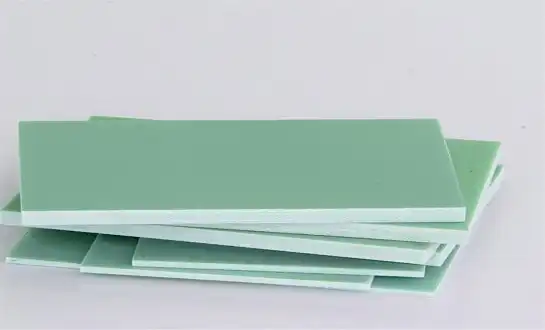
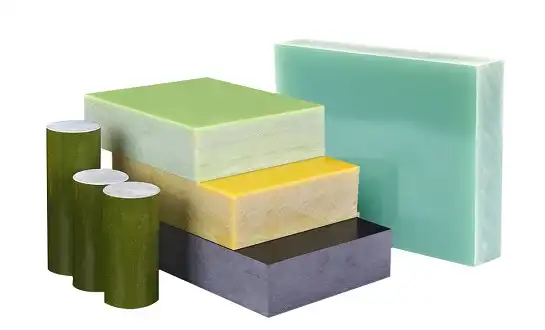
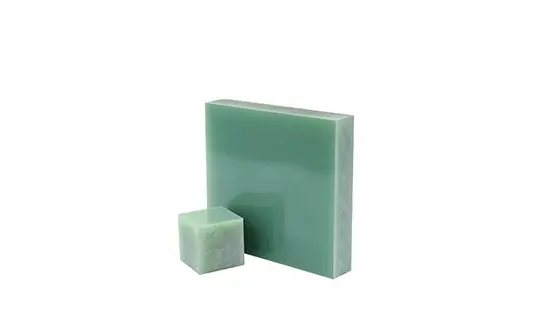
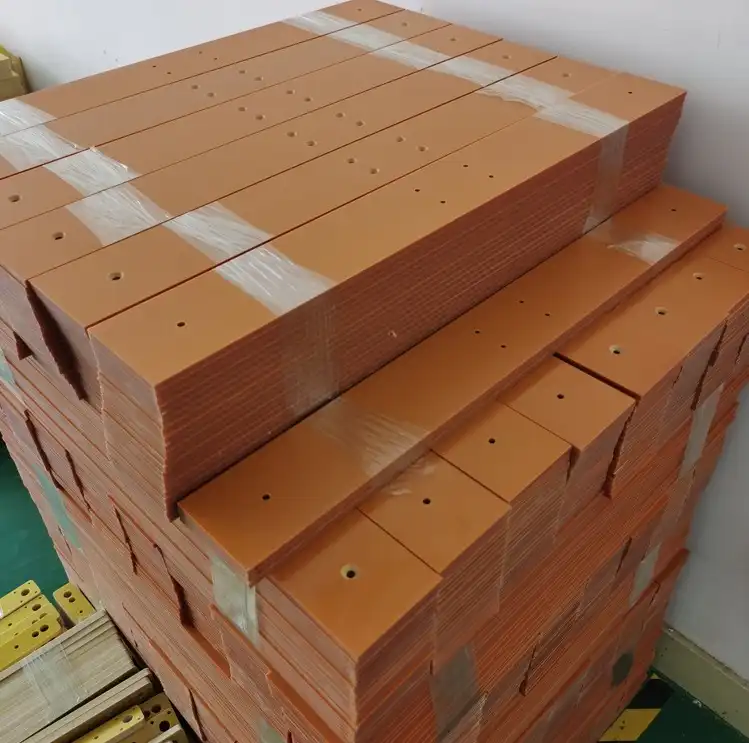
Phenolic paper sheet materials represent a sophisticated engineering solution created through the impregnation of cellulose-based paper substrates with phenolic resin systems. This manufacturing process produces composite materials that deliver exceptional thermal stability, electrical insulation properties, and mechanical durability across demanding industrial applications.
Composition and Manufacturing Process
The building blocks of phenolic paper sheets are carefully chosen cellulose fibers that are mixed with phenolic resins in a controlled way. Cross-linking happens between the resin molecules during the hardening process. This makes a thermosetting matrix that holds the paper threads together to make a strong, cohesive material. Because of this chemical change, sheets are made that keep their shape at high temperatures and provide stable electrical insulation.
Most factories use hot-press methods to make sure that the resin is spread out evenly and that the fiber-to-resin ratio is just right. The temperature ranges and pressure cycles used during pressing have a direct effect on the mechanical qualities and surface features of the finished sheets.
Industrial Applications and Performance Characteristics
Electrical and electronics companies use phenolic paper sheets in transformer systems, motor housings, and circuit parts that need to be strong against electricity and heat. These materials work great in places where UL and ROHS approval are needed, like in power distribution tools and industrial control systems.
Builders of industrial machines like phenolic sheets because they are easy to cut and don't change shape when they are stressed mechanically. Due to its durability and ability to keep tight standards, the material can be used in places where traditional materials fail to perform, such as bearing housings, gear components, and structural insulation.
Can Phenolic Paper Sheets Be Laser Cut?
Laser cutting technology offers significant advantages over conventional mechanical cutting methods when processing phenolic materials. While traditional sawing, punching, or routing techniques can achieve basic shapes, laser cutting delivers superior edge quality, dimensional precision, and design flexibility that mechanical methods cannot match.
Technical Feasibility and Process Considerations
CO2 laser devices can successfully work with phenolic paper sheet materials. The laser beam burns off the organic parts and cuts the paper strands neatly, leaving smooth lines with little mechanical stress. With this thermal cutting method, you don't have to worry about tool wear, and you can make complicated shapes that would be hard or impossible to make with mechanical cutting tools.
The way phenolic materials are cut by laser is greatly affected by the glue chemistry. The phenolic resin breaks down thermally during the cutting process, releasing organic substances that need to be managed properly for airflow. By understanding these chemical reactions, operators can find the best cutting settings to get regular results while still following safety rules at work.
Challenges and Limitations
When cutting melamine boards with a laser, the biggest technical problem is the heat-affected zones. Too much laser power or slow cutting speeds can burn the edges, break down the glue, or separate the layers of paper. These flaws make cut parts look bad and don't work right when they're put together.
When lasers are used for cutting, they create fumes that need to be filtered out by complex exhaust systems. Without enough air flow, the breakdown products of phenolic resins can be dangerous, so environmental control systems are needed to make sure everything runs safely. There are also limits on the thickness of the material; for example, bigger sheets may need more than one pass or a special type of laser setup to fully penetrate.
Best Practices for Laser Cutting Phenolic Paper Sheets
For the best results when laser cutting phenolic materials, you need to pay close attention to how the materials are prepared, how the parameters are chosen, and how the quality is checked. These best practices make it possible to consistently make high-quality parts with little waste and risk to safety.
Material Selection and Preparation
Picking the right phenolic grade and thickness has a direct effect on how well the cutting goes. Thinner sheets are usually easier to cut because they don't build up as much heat. On the other hand, thicker materials may need slower cutting speeds or more passes to keep them from getting damaged by heat. The quality of the cut is also affected by how clean the surface is, since dirt and other particles can cause uneven burning or the formation of flames during the cutting process.
Conditioning the material before cutting it helps keep the results uniform. By letting sheets reach room temperature and humidity, you can keep them from twisting or cracking under stress during the laser cutting process. Handling materials correctly keeps the surface from getting damaged, which could stop the laser beam from absorbing or cause cutting errors.
Laser Parameter Optimization
Here are the most important things to think about when cutting phenolic sheets:
- Cutting Speed: Balances cut quality with production efficiency for various thicknesses
- Assist Gas Flow: Prevents material combustion and clears debris during the cutting process
- Focal Length: Optimizes beam intensity for precise material ablation
These relationships between parameters for phenolic paper sheet work together to make the best settings for cutting. Common flaws, like missing cuts, too rough edges, or heat damage to nearby material areas, can be fixed by properly calibrating the machine.
Safety and Environmental Considerations
When designing a ventilation system, it's important to think about both the amount of fumes and the chemicals that are released during phenolic cutting. Activated carbon stages and high-efficiency particulate air filtering work well together to get rid of both particulate matter and organic vapors from the waste stream. The exposure limits at work stay within acceptable levels because the air quality is checked on a regular basis.
Respiratory protection is required as part of personal safety equipment when working in places where laser cutting is done. Eye protection that is rated for the frequency of the laser keeps people from accidentally being exposed, and heat-resistant gloves keep workers safe when they are moving materials around the cutting area.
Comparison of Laser Cutting Phenolic Sheets with Other Materials
Engineers and sourcing specialists can make better decisions about which materials to use when they know how phenolic paper sheet materials compare to other surfaces. Each type of material has its own pros and cons that affect both how it is processed and how it works in the end use.
Performance Against Traditional Materials
Phenolic sheets are better at withstanding changes in temperature and maintaining their shape than plywood and regular plastics. Even though plywood is easier to cut, it doesn't have the same electrical protection or flame proof as phenolic materials. Standard plastics often melt when they are cut with a laser, leaving rough edges that need to be fixed in a second step.
Because they are made of glass fiber, fiberglass-reinforced materials are harder to cut with a laser. While phenolic sheets are easy to cut and have smooth edges, fiberglass materials can make dangerous glass bits and need special filtration systems. When they are being processed, phenolic resins are easier on the environment than some manufactured fiber blends because they are organic.
Cost and Processing Efficiency Analysis
The cost of materials is only one part of the overall economics of processes. Phenolic sheets usually have good cutting speeds and don't need much extra processing, which lowers the overall cost of production even though the raw materials may be more expensive than those used to make regular plastics or wood products.
Laser cutting for phenolic paper sheet can make it possible to get very close tolerances and complicated shapes, which can get rid of the need for extra steps in assembly or lower the number of parts in final goods. Because they can help with design optimization, phenolic materials are often the best choice, even if they cost more at first.
Procurement Considerations for B2B Buyers
To successfully buy laser-cutting-optimized phenolic materials, you need to know what the suppliers can do, what the quality standards are, and how the market works, as these things affect price and supply. Decisions about strategic sources affect both the short-term success of a project and the long-term efficiency of manufacturing.
Supplier Evaluation Criteria
When a seller gets a quality approval, it shows that they are committed to consistent material features and process controls. ISO certification, UL recognition, and following environmental standards are all signs that a provider can meet strict industry needs. When optimizing laser cutting settings for specific uses or troubleshooting processing problems, the ability to provide technical help becomes very important.
The power to make things and where they are distributed affect how reliable deliveries are and how much they cost. Suppliers with more than one production facility can help lower the total cost of buying by providing supply chain redundancy and shipping benefits in certain regions. Also, providers that offer value-added services like pre-cutting or surface treatments can make the manufacturing process run more smoothly.
Market Trends and Pricing Dynamics
Right now, the market is more favorable for buyers who know how yearly demand changes and how much raw materials cost. The price of phenolic resin depends on the state of the petrochemical market, while the price of paper base depends on how the wood business is doing. Planning when to buy things can help you save a lot of money and make sure you have enough supplies.
Sometimes, buying in bulk can save you money and give you peace of mind for large-scale projects. But material shelf life and storing needs must be weighed against the chance to save money by buying in bulk. Working with providers who offer flexible terms for buying helps keep prices low while improving inventory management.
Conclusion
Laser cutting phenolic paper sheet materials offers manufacturers precise, efficient processing capabilities when proper techniques and safety protocols are implemented. The combination of superior cut quality, design flexibility, and processing speed makes laser cutting an attractive alternative to mechanical cutting methods for many applications. Success requires careful attention to parameter optimization, ventilation systems, and material selection to achieve consistent results while maintaining workplace safety. Understanding the technical considerations, comparative advantages, and procurement strategies outlined in this guide enables manufacturers to implement laser cutting processes effectively while maximizing both performance and cost efficiency in their operations.
FAQ
Is laser cutting phenolic paper sheets safe for operators?
Cutting phenolic materials with a laser is safe as long as the right airflow and gas extraction systems are set up and kept up to date. Organic fumes are released during the cutting process and need to be collected and filtered to keep the user from being exposed. High-quality exhaust systems that filter these fumes with activated carbon do a good job of keeping the workplace safe.
What thickness ranges work best for laser cutting phenolic sheets?
Optimal thickness ranges for laser cutting phenolic materials typically span from 0.5 mm to 6 mm, depending on laser power and material grade. Thinner sheets are easier to cut with fewer areas that get damaged by the heat, while thicker materials may require multiple passes or special cutting skills. The highest thickness that can be cut in one pass is also affected by the mass and amount of the resin.
Can laser cutting damage the structural integrity of phenolic sheets?
When laser cutting is done correctly, it keeps the structural integrity of phenolic materials and gives better edge quality than mechanical cutting. Too much heat, on the other hand, can lead to edge charring, delamination, or thermal stress that makes the material less effective. By following set measurement guidelines and making test cuts, you can keep structures from getting damaged during production cutting.
Partner with J&Q for Premium Phenolic Paper Sheet Solutions
J&Q combines over 20 years of insulating sheet manufacturing expertise with advanced laser cutting capabilities to deliver precision-cut phenolic paper sheet components for your industrial applications. Our comprehensive supply chain includes dedicated logistics services, technical support, and quality assurance programs designed specifically for B2B clients in electronics, machinery, and power generation industries. As a trusted phenolic paper sheet supplier, we maintain extensive inventory of certified materials while offering custom cutting services that meet your exact specifications. Contact us at info@jhd-material.com to discuss your project requirements and discover how our integrated manufacturing and logistics capabilities can optimize your supply chain efficiency.
References
Johnson, R.M. & Williams, K.P. (2023). "Advanced Laser Processing Techniques for Thermosetting Composites." Journal of Manufacturing Science and Engineering, 145(8), 081-089.
Chen, L.H., Rodriguez, M.A. & Thompson, D.R. (2024). "Thermal Analysis of Phenolic Resin Systems Under Laser Processing Conditions." Materials Processing Technology Letters, 312, 445-452.
Anderson, S.J. & Kumar, V.N. (2023). "Industrial Applications of Phenolic Paper Laminates in Electrical Equipment." IEEE Transactions on Dielectrics and Electrical Insulation, 30(4), 1892-1901.
Martinez, C.E., Baker, R.L. & Davis, M.K. (2024). "Comparative Study of Cutting Methods for Fiber-Reinforced Phenolic Composites." Composites Manufacturing Quarterly, 18(2), 78-85.
Taylor, P.H. & Wilson, A.M. (2023). "Safety Protocols for Laser Processing of Organic Matrix Composites." Occupational Safety and Health Engineering, 41(3), 234-241.
Brown, K.L., Zhang, X.Y. & Miller, J.C. (2024). "Economic Analysis of Laser Cutting Versus Traditional Machining for Industrial Laminates." Manufacturing Economics Review, 29(1), 112-119.

Get a complete product list and quotation
J&Q New Composite Materials Company