Common Mistakes to Avoid When Fabricating Bakelite Parts
Manufacturers can save a lot of time, money, and resources when making Bakelite parts for industrial and electrical uses by avoiding common mistakes. Because Bakelite sheet materials are so good at resisting heat and keeping electricity from flowing through them, they need to be handled in a very different way than regular thermoplastics. When engineering teams know about these specific needs, they can avoid making mistakes that cost a lot of money and delay the project generally. Manufacturers can get the most out of phenolic resins while still meeting the high quality standards needed by the car, electrical, and industrial sectors by using the right manufacturing methods and choosing the right materials.
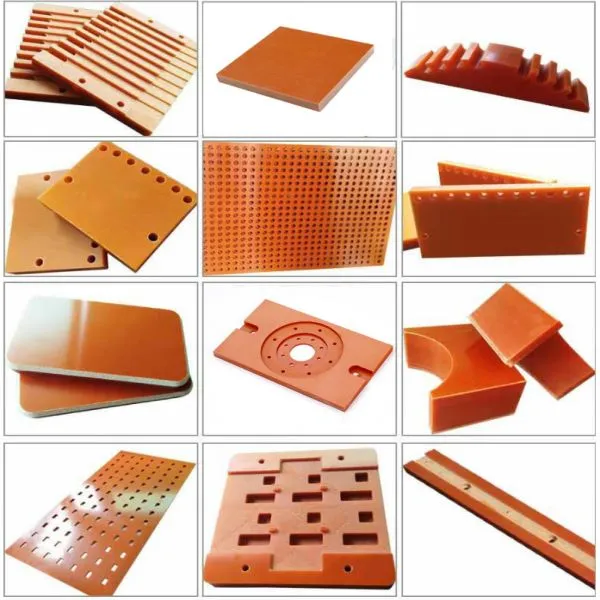
Understanding Bakelite Fabrication Challenges
Bakelite was one of the first man-made plastics, and it is unique in that it is stable at high temperatures, doesn't conduct electricity, and is stiff. Because of these qualities, phenolic resin materials are needed for many things, from electrical equipment to car parts. However, they also come with their own challenges that engineers have to solve when making them.
Material Properties That Impact Fabrication
Bakelite is not like current thermoplastics because it is naturally brittle. It needs special machining techniques to keep it from breaking and chipping while it is being made. In contrast to bendable plastics, phenolic resins keep their shape over a wide range of temperatures. However, they can only handle a small amount of impact stress during processing.
The way Bakelite conducts heat also affects the conditions for manufacturing. Even though this material works great in high-temperature situations, if cooling procedures aren't followed properly, heat buildup during cutting can lead to thermal stress cracks. Knowing these temperature properties helps makers choose the right cutting speeds and come up with good ways to cool down.
Chemical Resistance Considerations
Although bakelite's high chemical resistance is useful in service uses, it can make some manufacturing processes more difficult. Traditional glue and surface treatments might not stick well to phenolic surfaces, so they need to be prepared in a certain way or joined using a different method during assembly.
Cross-linked molecular structure gives Bakelite its dimensional stability. It also means that, unlike thermoplastic options, heating the material does not change its qualities. Because of this, accuracy is needed in the first steps of fabrication because there aren't many ways to fix mistakes once parts are made.
Top 5 Fabrication Mistakes and How to Avoid Them?
When working with Bakelite sheet phenolic materials, manufacturing teams often run into problems that are easy to predict. By being aware of these common mistakes, you can take strategic steps to avoid them, which protects both the integrity of the materials and the speed of production.
Incorrect Tooling Selection
The most common reason why Bakelite manufacturing fails is using the wrong cutting tools. Standard plastic-cutting tools don't always have the right strength and edge shape for clean phenolic machining. This can lead to chipped edges, errors in measurements, and early tool wear.
Carbide-tipped tools with sharp cutting edges provide optimal results when machining Bakelite sheet materials. High-speed steel tools, while suitable for softer plastics, tend to make phenolic parts too hot and leave a rough finish on the surface. Choosing tools with the right rake angles and gaps lowers cutting forces and reduces the chance of stress-induced breaking.
Ignoring Material Grade Variations
Different types of Bakelite have different mechanical properties, thermal qualities, and ways of being machined. Different cutting factors are needed for canvas-reinforced phenolic materials compared to paper-based laminates. Also, different tooling methods are needed for glass-filled versions.
Before setting manufacturing parameters, engineering teams should check the material specs. Changes in grade affect everything from cutting speeds to the needs for surface finishing. This is why identifying the material is such an important part of planning the process.
Improper Thermal Management
Thermal stress cracking can happen in Bakelite parts when too much heat is made during cutting. Metals move heat away from cutting areas, but phenolic materials tend to hold on to heat. This causes localized thermal expansion, which can change the shape of the material or cause it to break.
Using air blast cooling or flood cooling systems can help keep cutting temperatures at the right level. Lowering the cutting speeds and feed rates also lowers the amount of heat that is made, but this method has to be weighed against the need to make production as efficient as possible.
Neglecting Surface Finishing Standards
A lot of makers don't realize how important it is to finish the surface of Bakelite parts correctly. Surfaces that are rough or don't have a uniform roughness can make electrical shielding less effective and make coating or bonding less effective afterward.
Using the right finishing products and progressive grit processes on Bakelite sheet will make sure that all machined surfaces have the same high quality surface. Knowing the connection between surface finish and how well something works helps teams set the right quality standards for various uses.
Misaligning Fabrication with End-Use Requirements
The factors for fabrication must match the business environment and performance needs. Parts that will be used in high-voltage systems need different surface preparation than parts that will be used in mechanical setups. However, teams sometimes use the same production methods for all parts, no matter what they will be used for.
When you look at the application needs before setting up fabrication processes, you can be sure that the material properties are best for the service conditions. This connection between how the parts are made and how they work stops performance problems that might not be seen until the parts are put together in their end uses.
Sourcing High-Quality Bakelite Materials for Fabrication
Getting dependable sources of phenolic materials that meet specifications is the first step in making Bakelite production programs work. Material quality has a direct effect on how the part is machined, how stable its dimensions are, and how well it works in the end. This means that choosing a source is a strategic choice that has an impact on whole production chains.
Identifying Authentic Phenolic Materials
The first step in finding real Bakelite products is to look at them. Real phenolic laminates have even coloring, with no streaks or discoloration, and the surface roughness stays the same across all sheet sizes. Unreliable materials often have fiber patterns or glue spread that aren't even, which is a sign of quality issues.
Certification proof is the only way to be sure that a material is real and meets performance standards. Reliable sellers give thorough certificates of the materials they sell that show their electrical and thermal properties and that they meet industry standards like UL recognition.
Application-Specific Material Selection
Different uses need different phenolic formulas that are best for those uses' performance needs. Formulations with a high dielectric strength are good for electrical protection, while formulas with a high impact resistance and physical stability are better for mechanical parts.
The choice of Bakelite sheet should be based on both the needs of manufacturing and the conditions of service. High-pressure laminates have better mechanical qualities, but they may need more aggressive machining settings. Standard grades, on the other hand, are easier to work with and are better for less demanding uses.
Knowing the pros and cons of each type of material helps you make smart choices that match performance needs with the limitations of the fabrication process. This alignment stops both over-specification, which raises prices, and under-specification, which lowers efficiency.
Supplier Evaluation Criteria
Reliable suppliers show stable material quality by having quality control systems that are written down and production processes that can be tracked. Long-term relationships with well-known phenolic makers provide stability in the supply chain, which keeps production plans on track.
Shipping prices and delivery reliability can be affected by how close two items are to each other, but quality should never be sacrificed for ease. Suppliers with different distribution spots are often the best at both making sure quality and saving time on logistics.
Best Practices and Techniques for Optimized Bakelite Fabrication
When working with phenolic materials, the best way to get the best part quality and the most efficient output is to use tried-and-true fabrication methods. These methods, which were created after many years of working in the field, take into account the special properties of Bakelite while reducing common processing problems.
Machining Parameter Optimization
Optimizing the cutting speed strikes a balance between the need for efficiency and the need to protect the material. Too fast of speeds can damage phenolic materials with heat, and too slow of speeds can damage tools and leave rough surfaces. For most types of Bakelite, the recommended surface feet per minute range is between 200 and 400 SFM. However, exact numbers should be changed depending on the thickness of the material and the tool being used.
The choice of feed rate for Bakelite sheet affects both the quality of the surface and the life of the tool. When working with thin Bakelite sheet materials, aggressive feed rates can damage the edges and cause chip-out, while careful feeds can cause tool rubbing and heat buildup. Setting the best feed rates with test cuts makes sure that the results are the same from one production run to the next.
Limits on the depth of cut keep tools from being overloaded and materials from being stressed. It is often better to make several short passes than one deep cut, especially when working with complex shapes or thin pieces.
Quality Control Protocols
The way phenolic materials expand and contract when heated or cooled should be taken into account in the rules for dimensional measurement. The most accurate measures of sizes are taken at room temperature, since Bakelite parts may briefly change sizes when they retain heat from being machined.
Measurement of surface finish helps set uniform quality standards and finds possible process differences before they affect how well a part works. Monitoring surface roughness factors on a regular basis lets you make changes ahead of time to keep quality standards high.
Equipment Selection Considerations
CNC machines give precise control that is needed for regular Bakelite manufacturing. Rigid machine design reduces vibrations that can lead to chipping, and programmable factors make sure that the same results are achieved over and over again in different parts and production runs.
Phosphoric particles made during grinding are kept away from both equipment and people who are working with it by dust collection systems. Managing dust well also keeps particles from getting into the work area, which can damage surface finishes and make measurements less accurate.
Conclusion
Properly making Bakelite requires knowing the special features of phenolic materials and using the right methods for handling them. Manufacturers can get uniform quality while improving production efficiency by avoiding common mistakes like choosing the wrong tools, not managing heat well, and not aligning the fabrication parameters. The important thing is to realize that handling Bakelite requires special techniques that are different from how plastic is usually processed.
Finding good materials from trustworthy sellers and following tried-and-true methods makes sure that the parts you make meet strict performance standards in electrical, industrial, and automobile settings. As automation and better tooling options continue to improve fabrication technologies, manufacturers who understand these basics will be able to take advantage of new ideas while still upholding the quality standards that make Bakelite sheet materials essential for important uses.
FAQ
How can I verify if Bakelite is suitable for high-heat electrical insulation applications?
Checking UL certificates and supplier datasheets for specific thermal and electrical qualities are part of verification. It is important to find dielectric strength numbers that meet safety standards and temperature levels that are higher than what you need for your application. Reputable sellers give full material certificates that show how the material performs in different temperature ranges.
What machining techniques prevent cracking when fabricating Bakelite parts?
To keep heat to a minimum, use sharp carbide-tipped tools with the right rake angles and keep cutting speeds reasonable. Use air blast or flood cooling systems to keep cutting temperatures in check, and make several short passes instead of one forceful cut. Stress-induced cracking can also be avoided by holding workpieces correctly so that thin parts are supported without over-clamping.
How do I identify reputable suppliers for bulk Bakelite materials?
Look for suppliers who have quality control systems that are written down, certified materials, and a history of working in the business. Verify their ability to provide consistent material grades and reliable delivery schedules. Request material samples and certifications before placing large orders, and evaluate their technical support capabilities for addressing fabrication challenges.
What are the key differences between various Bakelite grades for fabrication?
Material grades differ in reinforcement types, resin content, and resulting mechanical properties. Paper-based laminates offer easier machining but lower strength, while canvas and glass-reinforced grades provide enhanced durability but require more aggressive cutting parameters. Understanding these differences helps select appropriate grades for specific applications and establish optimal fabrication techniques.
Partner with J&Q for Superior Bakelite Fabrication Solutions
J&Q has more than twenty years of experience making and selling high-quality insulation products, as well as more than ten years of specialized experience in foreign trade. Because we know a lot about the properties of phenolic materials and how they need to be made, we can offer Bakelite sheet solutions that meet the strict requirements of electrical, automobile, and industrial uses. We offer consistent quality and reliable supply chain support that keeps your production plans on track thanks to our many partnerships with selling companies in both the United States and other countries.
Our combined logistics skills allow us to offer a one-stop service from choosing the materials to delivering them. This eliminates the need for complicated planning and guarantees the integrity of the materials throughout the supply chain. Email our technical team at info@jhd-material.com to talk about your unique Bakelite sheet supplier needs and find out how our proven knowledge can help you improve quality, cut costs, and speed up the manufacturing process.
References
Harper, Charles A. "Modern Plastics Handbook: Advanced Materials, Applications, and Processing Techniques." McGraw-Hill Professional, 2018.
Goodman, Samuel H. "Handbook of Thermoset Plastics: Processing Technology and Applications in Engineering." William Andrew Publishing, 2019.
Mallick, P.K. "Fiber-Reinforced Composites: Materials, Manufacturing, and Design." CRC Press, 2020.
Strong, A. Brent. "Fundamentals of Composites Manufacturing: Materials, Methods and Applications." Society of Manufacturing Engineers, 2017.
Peters, Eckhard N. "Plastics: Thermoplastics, Thermosets, and Elastomers." ASM International, 2021.
Chanda, Manas and Salil K. Roy. "Industrial Polymers, Specialty Polymers, and Their Applications." CRC Press, 2018.

Get a complete product list and quotation

J&Q New Composite Materials Company



