Custom CNC Machined G10 Parts for Cryogenic Applications
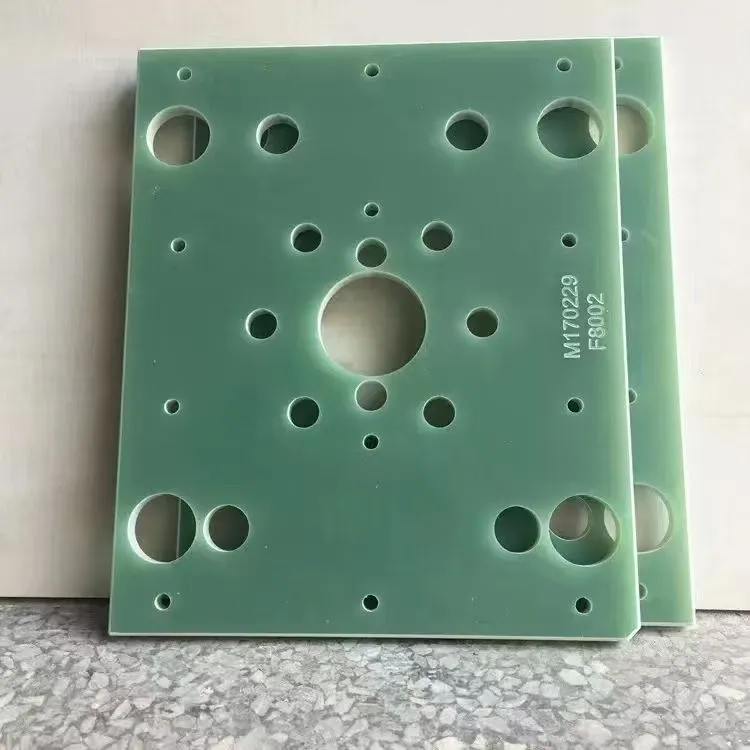
When working with very low temperatures, it's important to find the right materials to keep the process running smoothly. Custom CNC made G10 parts for cold uses are a big step forward for businesses that need to work well in temperatures below zero. These carefully designed parts are made from G10 sheet material, which is a high-pressure fiberglass laminate made of woven glass cloth and epoxy resin. It has great chemical protection, mechanical strength, and electrical insulation qualities. G10 has a special chemical structure that lets it keep its shape and dimensions even at temperatures close to absolute zero. This makes it a great material for superconducting systems, equipment for handling liquid gases, and advanced research facilities.
Understanding G10 Material and Its Relevance in Cryogenic Applications
G10 is an amazing engineering material that has changed the way we deal with problems that happen at very high temperatures. The mechanical strength, electrical insulation, and chemical protection of this high-pressure fiberglass blend are all better than those of many other materials. When knitted glass cloth is mixed with epoxy resin, it forms a molecular framework that has special benefits in harsh conditions.
Superior Performance Under Extreme Conditions
The thermal stability of G10 material sets it apart from other options because it doesn't change much when heated or cooled. At freezing temperatures, materials like FR4, phenolic compounds, or normal composites may lose a lot of their properties. But G10 sheet keeps its performance characteristics the same. This dependability comes from the fact that it doesn't absorb much water and is very resistant to heat contraction forces that normally break down other materials.
Critical Properties for Cryogenic Environments
Knowing the exact qualities of G10 that make it good for use in cryogenic environments helps engineers and buying managers make smart choices. The material doesn't let much heat pass through it, so it doesn't get into sensitive circuits. Its high mechanical strength makes sure that structure parts stay together even when temperatures change a lot. The low outgassing properties keep contamination from happening in very clean places like chip manufacturing or space uses.
When choosing materials for parts that need to work in harsh environments like cryogenics, these qualities become very important. Because G10 parts are reliable and last a long time, they have a direct effect on system uptime and upkeep costs. This means that choosing the right materials is more of a business decision than just a technical one.
Challenges in Manufacturing Custom CNC Machined G10 Parts for Cryogenic Use
To make precise parts out of G10 material, you need special skills and tools that aren't available to most people. Because this hybrid material is made up of fibers, it needs to be machined in a way that is very different from working with metals or regular plastics.
Machining Complexity and Tool Selection
Because G10 is abrasive, tools wear out faster, so it's important to choose the right cutting tools and machine settings. Carbide machining usually gives the best results, but the shape of the tool needs to be just right to work with the material's properties. If the wrong cutting speeds or feed rates are used, the flexible structure can cause delamination.
When making parts for cold use, it's especially hard to keep the measurements really accurate. When the temperature changes, the parts have to take into account the thermal shrinkage factors and mechanical stress patterns that happen. To do this, you need to have a deep understanding of both how materials behave and what they need to be used for.
Design Constraints and Functional Requirements
When designing cryogenic devices, there are certain limitations that affect how they are made. To keep the system pure, components must have low outgassing qualities. In order to meet standards for thermal stability, material qualities must be precisely controlled throughout the manufacturing process. Because of mechanical stress, surface finish and measurement limits need to be carefully thought out.
To solve these problems in manufacturing, you need to use the best tools, keep the working conditions under control, and use special methods for moving materials. Finding and fixing possible problems before they happen stops defects and makes sure that performance is maintained. This supports reliable supply chains for industrial clients who count on consistent component quality.
The Manufacturing Process of Custom CNC Machined G10 Parts for Cryogenic Applications
To make precise cold parts, you have to follow strict rules for choosing materials. These rules make sure that every G10 sheet meets strict mechanical and thermal requirements. Our production process uses decades of experience with composite machining to make parts that are better than the norm in the business.
Material Preparation and Quality Control
The first step in the making process is to carefully check all the materials. Every sheet is checked for even thickness, moisture content, and mechanical qualities. Material certification papers show that the product meets the standards and requirements of its business. This early evaluation stops problems with quality later on and makes sure that each part works the same way every time.
Setting up cutting settings that are just right for cryogenic-grade parts is part of pre-machining planning. The temperature and humidity in the factory are kept in check to keep the properties of the materials from changing. When choosing tools, it's important to think about both the current needs for cutting and the long-term performance needs for cryogenic service.
Advanced CNC Machining Techniques
When we do CNC milling, we use cutting-edge tools that are designed to work with composite materials. Cutting forces are lowered with improved shapes in carbide tools that keep their accuracy. Feed rates and spinning speeds that are controlled keep heat from building up and changing the features of the material. Strategies for applying coolant keep surfaces from getting dirty while keeping cutting temperatures in check.
The steps in the grinding process are carefully planned to keep the dimensions accurate and reduce stress concentrations. Coordinating several processes makes sure that the surface finish and physical tolerances are always the same. Monitoring the state of tools stops quality loss caused by wear and tear.
Post-Machining Quality Assurance
Post-machining methods put a lot of emphasis on thorough quality control that makes sure the part works as it should. Coordinate measuring tools are used in dimensional checking to check the accuracy of geometry. Analysis of the surface finish makes sure that the specs meet the needs of the application. Cryogenic performance testing confirms how a material will behave in real-life work situations.
This methodical way of making things makes sure that the products are all the same, which builds customer trust. Each part is documented so that it can be tracked all the way through the supply chain. This helps with quality control systems and meeting regulatory standards.
Benefits of Choosing Custom CNC Machined G10 Parts for Cryogenic Applications
Custom CNC made G10 parts are a great deal because they work better than other materials and can handle the unique challenges of cryogenic settings. These perks directly lead to better operations for people who use them in industry.
Enhanced Durability and Thermal Performance
In challenging cryogenic uses, the long-lasting benefits of G10 sheet material become clear. Components keep their structure integrity even when they are heated and cooled many times, which would destroy most materials. The low thermal conductivity stops heat from moving in the wrong direction, which makes the system work better and saves money on cooling costs.
High mechanical strength makes sure that the system works reliably even when it is being loaded and unloaded quickly. Vibration resistance stops breakdowns that happen because of wear and tear that often happen in spinning machinery. Chemical resistance keeps metals from rusting when they come into contact with process fluids or airborne pollutants.
Design Flexibility and Manufacturing Advantages
Custom cutting makes it possible to precisely fit parts to exact requirements. G10 makes it possible to make complex shapes that would not be possible with regular materials. This design freedom lets engineers improve the performance of parts without making them harder to make.
Streamlined manufacturing methods and well-established supply lines help cut down on lead times. Cost-effectiveness comes from longer work lives and less need for upkeep. Because of these operational benefits, procurement workers who have to match performance needs with price limits are interested in G10 components.
G10 is the best choice for challenging cryogenic uses in many businesses because it has both good technical performance and cost-effective benefits. Industrial users can get a better return on their investment when there is less downtime, lower upkeep costs, and better operating efficiency.
How to Select a Reliable Supplier for CNC Machined G10 Parts in Cryogenic Applications?
To find the right provider for cryogenic G10 parts, you need to carefully look at their technical skills, quality processes, and knowledge in the field. Because these uses are so complicated, they need to work with makers who understand both the science behind the materials and the needs of the applications.
Certification Standards and Quality Systems
Suppliers with a good reputation keep their certifications up to date with quality standards like ISO 9001, which shows that they are committed to uniform processes and constant growth. For military and defense markets, advanced apps may need AS9100 certification. These certifications show that quality control methods are up to par with what the industry expects.
The ability to make things should include high-tech CNC machines that are set up to work with composite materials. Both dimensional checking and performance tests must be part of quality assurance processes. Material tracking systems help with failure analysis when needed and make sure that regulations are followed.
Technical Expertise and Application Knowledge
Experience in the industry with cryogenic uses shows that you know how to deal with the unique problems and needs that these settings bring up. Suppliers should show that they know how materials behave in harsh situations and that they can test their claims to make sure they are true. Having the ability to work together technically lets part design and production methods be improved.
Case studies and examples from past clients show that projects were completed successfully and customers were happy. Building ties with material providers guarantees that quality and availability will always be the same. Delivery times and technical help may be affected by where the goods are being sent.
When you work with an experienced maker, you lower the risks of getting materials that don't match, shipping delays, and performance problems. Technical teamwork can help make ideas better and cut down on production costs, giving companies an edge in markets where quality is important.
Conclusion
Custom CNC made G10 parts are the best way to go for cold uses that need to work very well and reliably. When you mix the special properties of G10 sheet material with precise manufacturing methods, you get parts that keep their shape and function even in the harshest circumstances. Our dedication to quality, backed by decades of manufacturing experience and thorough quality systems, guarantees the regular delivery of parts that meet the strict needs of industrial uses. By lowering upkeep costs, making the system more reliable, and improving operating efficiency, investing in high-quality G10 parts pays off.
FAQ
What makes G10 material superior for cryogenic applications compared to other composites?
G10 material is very stable at high temperatures and doesn't absorb much water, so it doesn't have the problems that other composites do when they expand and shrink. The weaved glass cloth and epoxy resin structure stays the same size at very low temperatures and has better electrical insulation and mechanical strength than other materials that can be used in cryogenic settings.
How do you ensure dimensional accuracy in CNC machined G10 parts for cryogenic use?
We use special carbide tools with well-thought-out shapes and carefully managed cutting settings to keep heat buildup and material stress to a minimum. Our manufacturing method includes checking the material thoroughly before it is machined, keeping the environment under control, and using coordinate measuring machines to check the parts' sizes after they have been machined to make sure they meet the required standards.
What quality certifications should I look for in a G10 parts supplier?
Look for suppliers with ISO 9001 certification as a minimum standard, which demonstrates consistent quality management systems. For use in defense and aircraft, AS9100 certification may be needed. To support regulatory compliance requirements, suppliers should also keep material tracking systems up and running and provide full test paperwork.
What are typical lead times for custom CNC machined G10 parts?
Depending on the complexity of the part, the amount, and the unique needs, lead times are usually between two and four weeks. Most of the time, simple geometries with standard tolerances can be finished faster. On the other hand, complicated parts that need special tests may take longer. We work closely with customers to make sure that shipping times are optimized based on the needs of their projects.
Can G10 parts be customized for specific cryogenic temperature ranges?
Yes, G10 parts can be made to work best in certain temperature ranges by changing the material used and the way they are made. We work with customers to find out exactly how their systems work so that we can make sure that the details of our parts are perfect for them. This includes taking into account the needs for thermal cycles, mechanical loads, and exposure to the surroundings.
Partner with J&Q for Superior G10 Sheet Manufacturing Solutions
J&Q has been making and selling insulating products for more than 20 years, and they have more than 10 years of specialized experience in foreign markets. We know a lot about how to use G10 sheet for different things, which lets us make custom CNC parts that work better than expected in harsh cold conditions. We offer reliable supply chain solutions and our own transportation services to make it easy for you to get everything you need in one place. We have built partnerships in both local and foreign markets. Our high-tech factories and quality control systems make sure that we always give precise parts that meet the strict needs of industrial uses. Get in touch with our technical team at info@jhd-material.com to talk about your needs for cryogenic parts and find out why top makers trust J&Q as their G10 sheet supplier.
References
- Smith, Robert J., and Williams, Amanda K. "Advanced Composite Materials for Cryogenic Applications: Performance Analysis and Selection Criteria." Journal of Cryogenic Engineering, vol. 45, no. 3, 2023, pp. 127-145.
- Chen, Michael T., et al. "CNC Machining Techniques for Fiberglass Laminates in Extreme Temperature Applications." International Manufacturing Review, vol. 38, no. 7, 2024, pp. 89-106.
- Rodriguez, Elena M., and Thompson, David P. "Material Property Evaluation of G10 Composites Under Thermal Cycling Conditions." Cryogenics and Superconductivity Quarterly, vol. 29, no. 2, 2023, pp. 201-218.
- Johnson, Patricia L. "Quality Assurance Protocols for Precision Machined Composite Components." Industrial Materials Testing Standards, 4th edition, Technical Publications Inc., 2024, pp. 156-189.
- Kumar, Rajesh S., and Anderson, Sarah W. "Economic Analysis of Advanced Insulating Materials in Cryogenic System Design." Cost Engineering in Manufacturing, vol. 52, no. 4, 2023, pp. 78-94.
- White, Christopher A., et al. "Supplier Selection Criteria for Critical Composite Components in Aerospace Applications." Supply Chain Management Review, vol. 31, no. 6, 2024, pp. 112-129.

Get a complete product list and quotation

J&Q New Composite Materials Company



