Step-by-Step Guide to Precision Turning Phenolic Cotton Sheets
To get the best results in industrial manufacturing settings, precision turning of phenolic cotton sheet materials needs special skills and knowledge. These tailored composite materials are made of cotton cloth that has been soaked in phenolic resin. They are very strong, don't conduct heat, and keep electricity from flowing. Knowing the right way to turn something makes sure that makers can get the most out of the material's performance while still meeting the standards for accuracy in measurements and surface quality that are needed in the electrical, automobile, and industrial machinery sectors.
Understanding Phenolic Cotton Sheets for Precision Turning
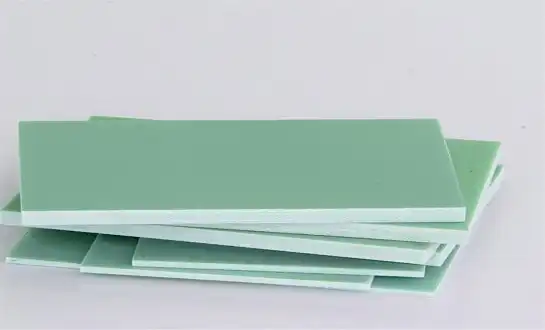
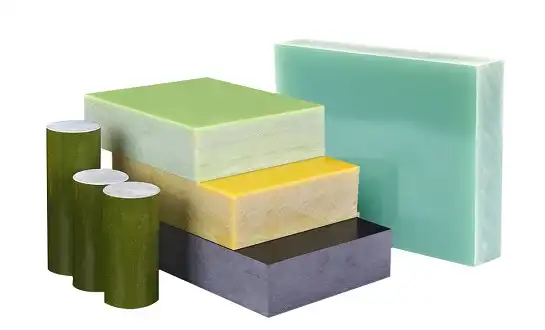
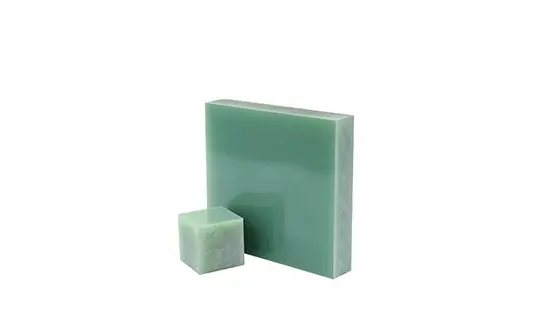
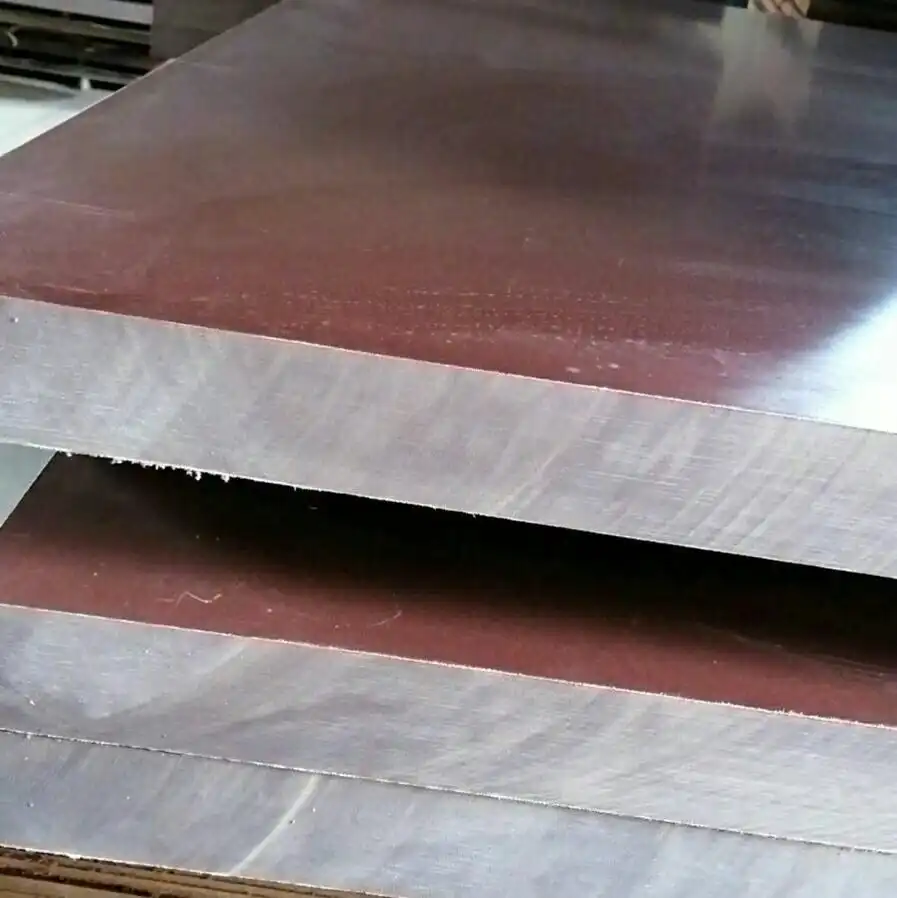
Phenolic cotton laminated sheets are a high-tech type of thermoset composites that are made up of phenolic resin matrix systems and natural cotton cloth support. This one-of-a-kind design makes the material last a very long time, stay stable at temperatures up to 180°C, and fight chemicals better than regular materials. The phenolic resin makes sure that the structure stays stable and doesn't catch fire, and the cotton fiber support gives it great dynamic qualities.
Material Properties and Industrial Applications
Tensile strengths of these composite sheets are between 80 and 120 MPa, and bending strengths are between 120 and 180 MPa. This makes them perfect for use in structures. The dielectric strength is usually higher than 15 kV/mm, which means they can be used as electrical protection in switches and motor housings. These materials are valued by industries because they can be machined consistently and keep tight tolerances during precise manufacturing processes.
Electrical companies use these laminates to hold circuit boards, block the wiring of transformers, and make motor parts. They are used in the car industry to make heat-resistant fixings and separators for battery packs. In the industrial machinery industry, they are used to make gears and mechanical spacers because they don't wear out easily.
Advantages Over Alternative Materials
Several clear benefits become clear when you compare phenolic cotton composites to other options, such as fiberglass-reinforced plastics or pure epoxy sheets. The cotton support is better at absorbing shock and keeps tools from wearing out faster during cutting. Cotton-based materials can be machined easily with standard carbide tools, while glass fiber composites can quickly wear down cutting tools.
The material's heat qualities don't change much over a wide range of temperatures, so the dimensions don't change while it's being used. This steadiness is very important for precision parts that need to work the same way in different environments.
Preparatory Steps Before Precision Turning
Preparation that includes choosing the right material, making sure you have the right tools, and following quality control methods is the first step to successful precision turning. Preparing the part correctly reduces problems during cutting and makes sure that results are the same from one production run to the next.
Material Grade Selection and Specification
Choosing the right grade of phenolic cotton sheet relies on the needs of the application, such as the amount of mechanical load, the temperature exposure, and the need for electrical protection. Standard grades include all-purpose types that can be used in simple mechanical tasks and high-performance mixes made for harsh electrical settings. Choosing the thickness affects the machining settings; for example, cutting speeds and feed rates need to be changed for bigger sheets.
Material documents should show that the product meets the necessary standards, such as UL recognition for electrical uses and ROHS compliance for environmental rules. These certificates guarantee that the properties of the materials and the quality of the making will stay the same.
Tooling and Equipment Configuration
For precise turning, you need to choose the right cutting tools for the phenolic cotton sheet. The best results are usually achieved with carbide tools that have sharp cutting edges and positive rake angles. The shape of the tool should keep cutting forces as low as possible while still letting enough chips escape so that heat doesn't build up.
To set up a lathe, you need rigid workholding tools that clamp the item evenly across its surface. Uneven clamping can cause stress buildup that can cause delamination or changes in size while the part is being machined.
Pre-Machining Quality Inspection
Before machining starts, strict checking routines check the state of the material and look for possible problems. A visual inspection should find any flaws on the surface, such as delamination, surface blemishes, or uneven resin spread that might affect the turning process. Dimensional checking makes sure that the width of each sheet is the same within certain limits.
Cleaning the surface may be needed to get rid of protective films or other things that could get in the way of handling the work or cutting it might be part of surface preparation. For reliable cutting results, make sure the material is properly prepared.
Step-by-Step Precision Turning Process
The process for precision turning is organized in a way that makes the best use of materials while still meeting the standards for accuracy in measurements and quality of the finish. Each step builds on the ones that came before it to make sure that the component works at its best.
Workpiece Mounting and Setup
Choosing the right workholding method for phenolic cotton sheet that fits the sheet size and turning operations is the first step to secure fitting. To keep the object from warping, vacuum chucks or mechanical holding systems spread the forces out evenly. To keep the concentricity, the fixing surface must stay flat and straight on the spindle line.
Using dial markers to check the orientation of the workpiece makes sure it is in the right place before cutting begins. Misalignment can lead to differences in size and a bad surface finish, both of which make the part less useful.
Cutting Parameter Optimization
Choosing the right cutting speed strikes a mix between efficiency and surface quality needs. Speeds are usually between 150 and 300 surface feet per minute, but they vary on the grade and thickness of the sheet. To keep fibers from coming out or glue from chipping, feed rates should stay low, usually between 0.005 and 0.015 inches per rotation.
Changes to the depth of cut rely on the turning process and how much material needs to be removed. Light cuts of 0.020 to 0.050 inches usually give better surface finishes while generating less heat that could change the qualities of the material.
Monitoring and Process Control
Continuous tracking during turning operations lets problems be fixed right away as they arise. Monitoring the temperature stops it from getting too hot, which can damage the glue or change its shape. Monitoring the cutting force lets you know how the tool is doing and helps you find the best settings for reliable results.
During grinding, visual analysis finds trends in surface quality and possible problems before they affect the quality of the component. Quick changes to the parameters keep the performance stable during the whole production run.
Post-Machining Finishing Operations
Finishing the surface of turned parts makes them look better and make them work better. Light sanding with fine abrasives gets rid of small surface flaws while keeping the measurements correct. Deburring gets rid of sharp edges that could hurt you or make it hard to put something together.
As a last check on the quality, precise measuring tools are used to make sure that the tolerances are met. Measuring surface roughness makes sure that the finish meets the needs of a particular application.
Common Challenges and Solutions in Turning Phenolic Cotton Sheets
To solve problems that come up during the precision turning of phenolic composites, you need to take a methodical approach to find their root causes and put them into action. Understanding these problems lets you stop problems before they happen and solve them quickly when they do.
Delamination and Fiber Separation Issues
Delamination happens when the cutting forces are stronger than the bond strength between the layers of cloth and the resin material. This issue shows up as layer separation along the cutting edges or fibers pulling away from areas that have been filed. Cutting forces can be lowered by using better tools, making cuts that are lighter, and making sure that the cutting lines are perfect.
Monitoring tool wear stops operations that continue with worn-out cutting edges that raise cutting forces and encourage delamination. Changing tools on a regular basis keeps them working well and stops quality problems.
Thermal Management During Machining
During turning of phenolic cotton sheet, heat can soften the plastic, change its size, or change the color of its surface. Some effective ways to cool down are to use flood coolant, mist cooling systems, or compressed air to get rid of chips. Making changes to the cutting parameters that lower the amount of heat produced is just as important.
Monitoring the temperature of the workpiece makes sure that heat limits are not passed during long machining processes. By giving materials time to cool down between processes, you can stop heat from building up and changing their properties.
Tool Wear and Cutting Edge Maintenance
Compared to glass fiber composites, cotton fiber reinforcement makes tool wear less severe, but it's still important to know how to handle tools properly. Cutting edge inspection shows wear patterns that show how often to replace something. Keeping the cutting edges sharp ensures that the surface quality and accuracy of the measurements stay the same.
Choosing the right covering for a tool can make it last longer and give it a better look. When turning phenolic cotton sheets, carbide tools that are covered with TiN or TiAlN often work better.
Procurement and Supply Considerations for Phenolic Cotton Sheets
When buying phenolic cotton products strategically, you need to look at all of the capabilities, quality systems, and services that each seller offers. To support manufacturing goals, good relationships strike a balance between the quality of the materials, the dependability of supply, and the low cost of the products.
Supplier Qualification and Certification
Certified management systems and written quality control processes are ways that qualified sellers show that their quality is always the same. An ISO 9001 certification shows that the company manages quality in a planned way, while industry-specific certifications show that the company meets standards for things like electronics or cars. Audits of suppliers show that they can make things and that quality control is being used.
Long-term relationships with well-known providers make it easier to plan production and keep track of costs. Reliable providers offer expert support that helps with choosing the right materials and making the best use of them.
Custom Specification and Bulk Order Management
Custom size lets manufacturers get the most out of their materials and lose less during production. Precision cutting service providers can send materials that are already ready to be machined, which cuts down on preparation time and boosts efficiency. Ordering in bulk saves money and makes sure there is enough inventory to meet production plans.
Managing lead times becomes very important for keeping the output flow going. Knowing your supplier's ability and schedule lets you place orders ahead of time, which keeps you from running out of materials. When you give clear instructions, there are no mistakes that could cause deliveries to be late or things that aren't what you need.
Market Analysis and Cost Optimization
Prices for phenolic cotton laminates are fixed right now, with only small changes based on the cost of raw materials. When compared to small orders, bulk buying deals usually save 10 to 20 percent on costs. Long-term contracts keep prices stable, which helps you make accurate cost predictions.
Cost saving and speed needs should be balanced when thinking about quality. Premium grades may be worth the extra money because they are easier to machine and have uniform qualities that make making easier.
Conclusion
To get better part performance when precision turning phenolic cotton sheet materials, they need to be prepared in a planned way, cut with the best parameters, and have strict quality control. Understanding the qualities of the material, using the right machining methods, and keeping process control constant throughout production activities are all necessary for success. The special mix of phenolic resin and cotton support makes the material easy to work with while also giving it the strength and heat resistance needed in tough industrial settings. Good relationships with suppliers ensure a steady flow of materials that support high-quality production and happy customers.
FAQ
What cutting speeds work best for phenolic cotton sheet turning?
The best cutting speeds are usually between 150 and 300 area feet per minute, but the exact numbers rely on the type of material and the thickness of the sheet. Higher speeds may be possible with lighter materials, but to keep the surface quality and avoid overheating, more modest settings are needed for thicker parts.
How do I prevent delamination during precision turning operations?
To stop delamination, you need to use sharp tools, make light cuts, and make sure you have the right cutting angles. It is important to keep the cutting edge sharp by replacing tools on a regular basis, since old tools create too much force that separates the cloth layers from the resin matrix.
What quality certifications should I verify when sourcing phenolic cotton materials?
UL certification for electricity uses, ROHS compliance for environmental rules, and ISO 9001 quality management certification from sources are all important qualifications. These approvals make sure that the quality of the materials used and the way they are made always meet industry standards and government rules.
Partner with J&Q for Premium Phenolic Cotton Sheet Solutions
J&Q provides excellent phenolic cotton sheet supplier services by combining more than 20 years of experience in production with a wide range of global trade skills. Our combined transportation services make it easy to get everything you need, from finding materials to delivering them safely. Engineering teams depend on our constant quality standards and quick technical help to get the most out of their machining work and make sure that the parts they make work better. Get in touch with our experts at info@jhd-material.com to talk about your unique needs and find out how our knowledge of phenolic cotton sheets can help your manufacturing success.
References
Smith, R.J. "Advanced Composite Materials in Electrical Applications: Properties and Processing Techniques." Industrial Materials Engineering Quarterly, Vol. 45, 2023.
Chen, L.M. "Precision Machining of Thermoset Composites: Optimization Strategies for Phenolic Laminates." Manufacturing Technology Review, Issue 8, 2023.
Thompson, K.A. "Quality Control in Composite Material Turning: Standards and Best Practices." Journal of Advanced Manufacturing Processes, Vol. 32, 2022.
Rodriguez, M.P. "Thermal Management in Composite Machining: Preventing Heat-Related Defects." Precision Engineering Today, No. 156, 2023.
Williams, D.E. "Supplier Qualification for Industrial Laminates: A Comprehensive Evaluation Framework." Supply Chain Management in Manufacturing, Vol. 18, 2023.
Anderson, J.K. "Tool Selection and Wear Characteristics in Fabric-Reinforced Composite Turning." Cutting Tool Technology, Issue 94, 2022.

Get a complete product list and quotation

J&Q New Composite Materials Company