Surface Finishes Explained: Machined, Polished, and Anodized Options for G10
If you don't choose the right surface finish for your G10 sheet, your part might not meet the strict requirements of high-voltage switches, precise electronics, or difficult mechanical setups. Machining gives you control over dimensions and useful textures that are necessary for tight standards. Polishing makes surfaces smooth and beautiful, and it also keeps dirt away and improves visibility. True anodizing only works on metals, but protective surface processes for glass-epoxy laminates are just as good at stopping rust and wear. Knowing about these finishing methods can help purchasing and engineering managers match the right materials to the right jobs. This makes sure that parts work well even when they are electrically stressed, mechanically loaded, or exposed to the environment.
Understanding G10 Material and Its Applications
Composition and Core Properties
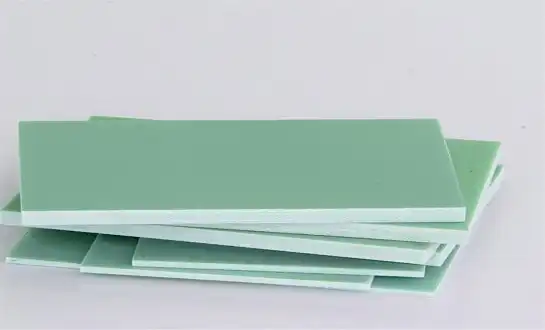
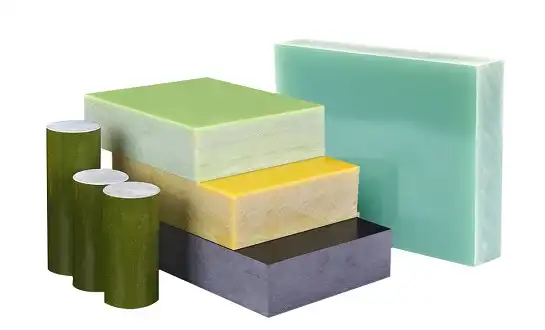
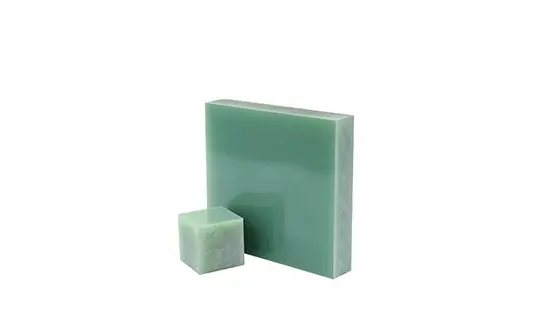
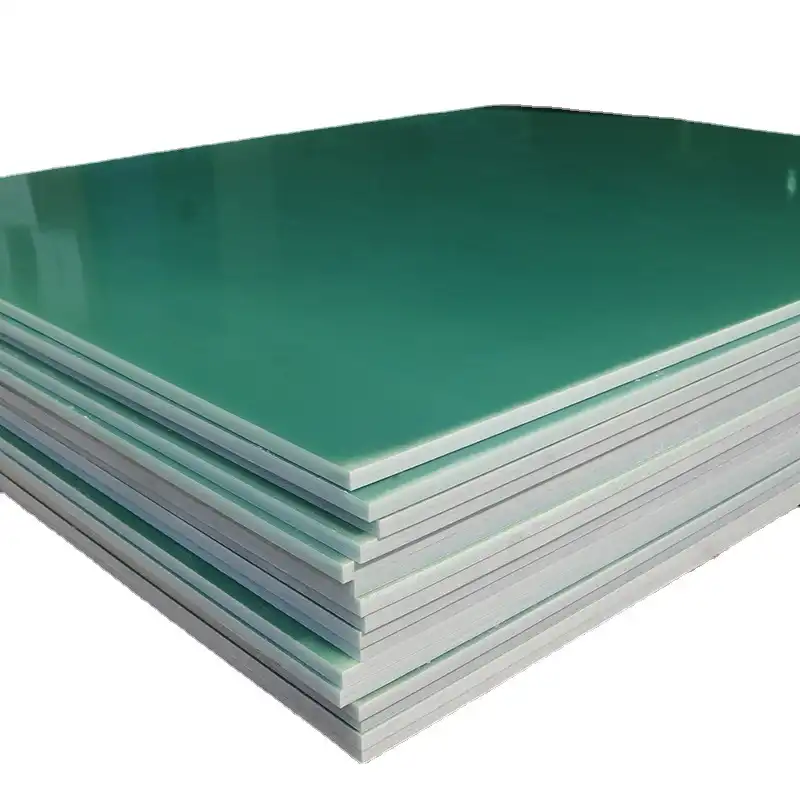
G10 sheet is a high-pressure thermosetting laminate made from continuous thread glass cloth that has epoxy glue mixed into it. According to NEMA guidelines, this hybrid material has great mechanical strength—better than 6061 aluminum in terms of weight-to-weight—and great dielectric qualities. The epoxy binder holds the tightly woven glass fibers together, making a structure that doesn't bend when the temperature or load changes. Water absorption stays below 0.1%, so even in wet settings, the insulation stays stable in terms of size and structure. Glass-epoxy laminates are essential for situations where failure of a material would have terrible results because they don't expand or contract much when heated or cooled and can hold a lot of tension without absorbing any water.
Industrial Applications Across Key Sectors
The people who make electrical and electronic goods use epoxy laminates for PCB boards, terminal blocks, and arc barriers in switchgear systems. The dielectric strength of the material keeps voltage from dropping, and its machinability lets precise CNC machines make complex insulation parts. Builders of industrial machinery use phenolic and glass-reinforced sheets to make structural spacers, gears that don't wear out, and mechanical supports that can handle constant load without deforming or creeping. These laminates are used in power distribution systems to protect coils from short circuits and keep transformers cool. Their flame resistance and temperature stability keep transformers safe from arcing and thermal runaway. Automotive engineers use fiberglass-epoxy composites to make heat-resistant fittings and separators for battery packs. They value stable batch quality and the ability to machine parts precisely. Manufacturers of home appliances use these materials for motor brackets and heat separation parts because they are cost-effective and keep working well during large production runs.
Overview of Surface Finishes for G10 Sheets
Machined Finishes: Precision and Functionality
Using carbide or diamond-tipped tools to carefully remove material, machining turns raw laminate stock into finished parts. CNC processes like milling, drilling, and turning make exact measurements, complicated geometries, and useful surface textures. The process leaves unique tool lines that make the material easier to grip and help glue or coatings stick better. Because glass threads are very rough, grinding needs special tools and strict rules for collecting dust to keep workers safe from airborne particles. The finished surface has very accurate measurements—within ±0.005 inches is possible. This makes machined finishes perfect for matching surfaces, mounting holes, and parts that need to fit perfectly in systems.
Polished Finishes: Aesthetics and Smoothness
By using finer and finer abrasives, polishing gets rid of surface imperfections and leaves a gloss that looks like a mirror. That shine makes the surface look better and makes it harder for germs to stick to it, making it easier to clean. Polished glass-epoxy panels are used in electrical boxes where inspectors need to be able to see the inside parts clearly and in building settings that need a high level of aesthetic appeal. The smooth surface makes moving contacts less likely to stick and keeps particles from forming in cleanrooms. To get a good polish, you need to be careful with your method. Too much heat from friction can damage the epoxy matrix, and uneven pressure can make waves or other shapes. Well-polished surfaces are both beautiful to look at and useful, but they might not have the mechanical grip that rough machined finishes do.
Protective Coatings: Alternatives to Anodizing
Electrochemical oxidation makes a protected layer on aluminum and other reactive metals during anodizing, which is still the only way to do it. Anodization can't be done on G10 sheets, but other surface processes offer the same level of safety. Surfaces are protected from water, chemicals, and wear and tear by conformal coats, which are thin layers of polymer that are put on by spraying or dipping. UV-resistant topcoats keep resin from breaking down and chalking when exposed to the sun for a long time, which increases the service life of outdoor projects. For color coding or marking, special bases make it easier for paint to stick. These techniques keep the electrical insulation of the base while adding resistance to certain environmental dangers. When purchasing protected coats, teams should make sure that they work with the epoxy chemistry of the laminate and that the curing temperatures stay below the material's heat deflection level.
Comparing Machined, Polished, and Anodized Finishes: Pros, Cons, and Use Cases
Machined Finish: Advantages and Limitations
Machining is the best way to do things that need precise measurements and useful surface properties. The rough finish makes the glue bond stronger, gives handle scales and tool parts a better grip, and lets you do extra things like tapping threads or press-fitting inserts. Edge quality stays the same, which lets tight assembly standards be used in systems with many parts. Established fabrication processes and minimum post-processing needs make it cost-effective.
There are some problems with applications that customers see because of tool lines that can be seen. It's possible for germs to get into sensitive electrical parts or medical devices because of the rough surface. Machining also makes dangerous dust that needs to be ventilated properly and workers must wear safety gear. When thicker stock is used to make parts, they may show internal stress patterns that change their long-term physical stability when heated and cooled.
Polished Finish: Strengths and Drawbacks
Polished surfaces look great and are easy to clean, which makes them perfect for places that need to be cleaned often, like instrument housings, display panels, and more. The smooth finish makes the bearing surfaces and moving contacts less rough, which makes them last longer. Better light reflectivity is good for visual equipment and lit signs.
One problem is that it takes longer to prepare and costs more to hire workers than as-machined ends. When you polish, you remove the depth of the material, which could change the limits for size in precise parts. Adhesives and coats have a harder time sticking to the smooth surface. When mechanical stress is high, edges that are smooth may chip or peel off more easily than surfaces that are textured, which spreads impact forces across tiny flaws. Because smooth products have less surface area than textured ones, they may not be as good at getting rid of heat in thermal management situations.
Protective Coatings: Enhanced Durability
Chemicals like oils, solvents, and cleaning products that are popular in industrial settings can't damage coated laminates. UV-stable topcoats keep fibers from getting exposed to light and turning yellow in outdoor projects. Moisture shields keep dielectric qualities in damp places, which is very important for electrical insulation parts. Color-coded finishes make it easier to check the assembly and find parts in systems that are complicated.
Putting on a coating adds steps to the process and time for drying, which makes wait times longer. Coating chemicals that don't work well together can cause delamination or brittleness. Changes in thickness can affect systems with a tight tolerance. Coatings also add to the cost of the materials and need to be applied in a way that doesn't pollute the environment or cause uneven covering.
How to Choose the Right Surface Finish for Your G10 Procurement Needs
Application-Specific Requirements
When it comes to electrical insulation parts in switches and transformers, dielectric stability and flame resistance are the most important things. Machined finishes give the surface a good enough standard while keeping the cost down for mass production. As-machined areas that support mechanical fastening and adhesive bonding are good for structural parts in machines. For car battery dividers, the sides must be polished or covered so that particles don't form and the electrolyte doesn't get exposed.
Balancing Cost and Performance
For non-critical visual uses, machined finishes are the most cost-effective option because they cut down on processing time and labor costs. When looks are important or when a smooth surface has a clear effect on function, polishing is worth the extra money. Protective coats offer the best value for money in corrosive settings where raw laminates would break down too quickly, saving you money on repair costs.
Supplier Certification and Capabilities
Reputable makers use ISO quality systems to make sure that the tolerances for thickness, mechanical features, and surface finish are always the same. UL and ROHS compliance takes care of rules in the power transfer and technology industries. When suppliers offer in-house CNC cutting, polishing, and finishing services, they make buying easier by combining multiple tasks into one that is accountable to a single source. Lead times and freight damage are cut down by established logistics networks that include combined shipping capabilities. This is especially helpful when setting up just-in-time delivery plans for mass production.
Best Practices for Handling, Storing, and Using Finished G10 Sheets
Storage and Environmental Control
To keep finished G10 sheet stock from twisting or getting damaged along the edges, store them horizontally on flat, level surfaces. Keep the temperature and humidity in the building below 30°C and between 40 and 60%. This will keep thermal expansion and moisture absorption to a minimum. Use interleaving paper between sheets to keep smooth surfaces from getting scratched. For vertical storage, you need special racks with padding supports so that the edges don't chip from the weight of the items.
Handling Procedures
To keep your fingerprints from getting on shiny or covered surfaces, wear clean cotton gloves when you touch them. Lift sheets from opposite sides to spread the weight out evenly and avoid bending stress that could cause thick stock to microcrack. Protect the corners from damage during transport by using edge guards. When you're cutting, use non-marring clamps to hold the stock in place and climb milling to keep the edges from coming off.
Maintenance and Cleaning
Isopropyl alcohol and lint-free wipes can be used to clean machined areas and get rid of machining grease without harming the epoxy matrix. Use microfiber cloths and gentle cleansers to polish finished parts. Do not use rough cleaners that scratch or dull the surface. Coated laminates can handle most water-based cleaners, but they need to be tested to see if they can handle harsh acids. Check kept items every three months for signs of moisture entry, UV damage, or coating delamination. Rotate stock so that the oldest items go into production first.
Conclusion
The choice of surface finish has a direct effect on how well glass-epoxy laminate parts work, how long they last, and how much they cost in electrical, mechanical, and structural uses. For tight-tolerance systems and glued joints, machined finishes give precise measurements and mechanical grip. When specs are based on how well something looks and how easy it is to clean, polished surfaces are a good choice. Protective coats make things last longer in harsh conditions without affecting their ability to conduct electricity or their durability. Purchasing teams get the best performance from materials while keeping costs low by matching the finish's properties to the needs of the application. They do this by taking into account things like dielectric needs, mechanical loads, weather exposure, and budget limits. By working with seasoned makers, you can be sure of getting certified materials, fabrication skills that have been tested, and quick technical support that turns material specs into reliable operating results.
FAQ
What dimensions and thicknesses are available in glass-epoxy laminates?
Standard sheets are between 0.5 mm and 100 mm thick, and 1000x1220 mm and 1000x2000 mm are standard panel sizes. Custom measurements are made to fit the needs of each job. Thickness limits are usually ±10% for smaller stock and ±5% for sheets over 10mm. This makes sure that the dimensions stay the same from batch to batch.
Why can't epoxy laminates undergo anodization like aluminum?
In order to anodize, reactive metal surfaces must be electrochemically oxidized to make safe oxide layers. Glass-epoxy compounds don't have the chemical reaction and metal conductivity that are needed for anodization. Protective coats and conformal treatments both protect against the environment by using polymer shields that can be put on using chemical or mechanical methods.
Which surface finish suits technical drawings and architectural models?
Polished finishes give the best visual clarity and surface smoothness, making them perfect for show models and plans that will be handled a lot. The smooth, non-porous surface keeps ink from sticking and lets you make clean marks. For internal samples where accuracy in measurements and functional tests are more important than how the part looks, as-machined finishes are fine.
Partner with J&Q for Premium Glass-Epoxy Laminate Solutions
J&Q can make G10 sheet products that are exactly what you want because they have over 20 years of experience making things and a lot of experience trading with other countries. Our fully combined operations include making materials, using precise CNC machines, finishing the outside of things, and managing logistics through our shipping section. This one-stop service approach cuts down on wait times and communication problems while still making sure quality control at every stage. Engineering managers and procurement specialists benefit from our technical consultation services, helping specify the optimal combination of material grade, thickness, and surface finish for demanding applications in electrical insulation, structural components, and thermal management. Our team is ready to turn your performance needs into reliable, cost-effective solutions, whether you need UL-certified insulating materials, precision-machined mechanical parts, or custom protective coats. Email us at info@jhd-material.com to talk about the details of our G10 sheet for sale, ask for samples of the material, or get reasonable quotes from a reliable supplier who has worked with companies in a wide range of industries.
References
National Electrical Manufacturers Association. "Industrial Laminating Thermosetting Products: NEMA LI 1-2019 Standards Publication." NEMA Standards Publications, 2019.
Harper, Charles A. "Handbook of Plastics, Elastomers, and Composites, Fifth Edition." McGraw-Hill Professional, 2018.
Lubin, George. "Handbook of Composites: Fabrication of Composites." Van Nostrand Reinhold Company, 1982.
Mazumdar, Sanjay. "Composites Manufacturing: Materials, Product, and Process Engineering." CRC Press, 2001.
Peters, S.T. "Handbook of Composites: Second Edition." Chapman & Hall, 1998.
Strong, A. Brent. "Fundamentals of Composites Manufacturing: Materials, Methods and Applications." Society of Manufacturing Engineers, 2008.

Get a complete product list and quotation

J&Q New Composite Materials Company