Mechanical Properties of NEMA CE Sheets Under High-Speed CNC Milling
It is important for engineering managers and sourcing teams to know how NEMA CE sheet works with high-speed CNC cutting when they are looking at materials for precision manufacturing. This thermoset laminate is made of cotton cloth that has been soaked in phenolic resin. It has a unique mix of mechanical toughness and machinability. The "CE" marking means that the electrical properties are better than normal mechanical grades. This makes these sheets very useful for parts that need to be both structurally sound and electrically insulated. When rapid machining is used, the material's natural resistance to pressure and steadiness in terms of size are very important for keeping tolerances tight and making sure the parts last a long time.
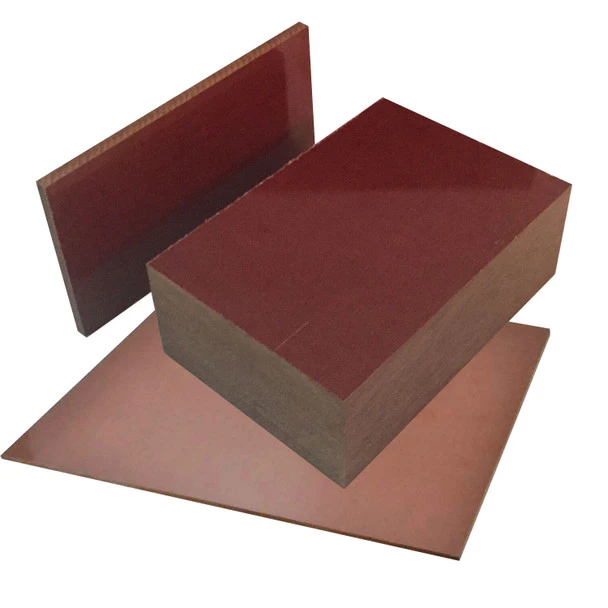
Understanding NEMA CE Sheets and Their Mechanical Properties
What Defines NEMA CE Sheet Standards
The National Electrical Manufacturers Association (NEMA) created the LI-1 standard to group phenolic cotton laminates into different groups based on the weave of the cloth and the type of resin used. In this context, the CE grade stands out because it is better at resisting damp and having better insulating performance. The coarse cotton fabric weave inside the phenolic matrix makes a material structure that is strong enough to hold weight while also being able to keep electricity from flowing through it. This building solves one of the most important problems in industrial settings: how to hold structures strongly without causing problems with electrical conductivity.
Core Mechanical Properties That Matter
The specific gravity of phenolic cotton laminates is between 1.35 and 1.38, which makes them dense in a way that makes them strong and easy to work with. Rockwell hardness readings are usually between 100 and 105 on the M scale. This means that the material is strong enough to not bend but soft enough to machine precisely. In the long direction, the flexural strength is higher than 15,000 psi, which means that parts can withstand large bending forces without breaking. Impact strength is about 1.6 to 2.0 ft-lb per inch of notch, which means it is very resistant to sudden mechanical shocks. This is a very useful feature for power transfer assemblies and switchgear components.
Thermal and Chemical Resistance Characteristics
These laminates can withstand temperatures of up to 130°C for long periods of time, which is in line with Class B insulation requirements. When this point is reached, the phenolic resin starts to carbonize, which weakens its tensile stability. The substance is very resistant to mineral oils, generator fluids, and most acids, so it can be used in places where cleaning and lubricating agents are present. Strong alkalis, on the other hand, should be kept away from the cotton base because they can break down the resin bond.
High-Speed CNC Milling of NEMA CE Sheets: Challenges and Considerations
Heat Generation and Material Integrity
When milling at a high speed, a lot of heat is released at the cutting contact, which could change the chemical structure of the NEMA CE sheet. When temperatures during machining go above the material's constant working range, localized charring can happen. This can make the surface uneven and the dimensions not match up. The thermal insulation in the laminate are the cotton threads that sometimes trap heat near the cutting zone. To keep the material's mechanical qualities during the fabrication process, this effect needs careful attention to cutting settings and cooling techniques.
Tool Selection and Wear Patterns
When cutting phenolic laminates, carbide-tipped cutting tools work much better than high-speed steel options. Because finished phenolic resin is rough, it speeds up tool wear, especially when cutting at high speeds. Carbide tooling keeps cutting edges sharper for longer, which leads to better surface finishing and a lower chance of delamination at cut edges. Tool shape is also very important. For example, positive rake angles lower cutting forces and heat production, and the right clearance angles stop rubbing, which can polish the surface of the material.
Optimizing Milling Parameters
Finding the right balance between spindle speed, feed rate, and depth of cut affects both how well the part is machined and how well it is made. Higher spinning speeds make production runs go faster, but they also put more heat on the material and the cutting tools. It is important to set the feed rates correctly so that the cotton fibers don't tear at the exit edges, which can happen when the cutting is too rough. The depth of the cut affects how chips form and how they escape. Shallow passes make the surface finish better but take longer to machine, while deeper cuts make the machine more productive but could damage the surface quality.
We've seen that using progressive cutting strategies—beginning with roughing passes at reasonable speeds and then ending passes at the best settings—gets the same results for all part geometries. Applying coolant isn't always required for phenolic materials, but when done right with mist or minimal amount lubrication systems, it can make tools last longer and make sure they are the right size.
Case Studies: Successful Applications of High-Speed CNC Milling on NEMA CE Sheets
Switchgear Component Manufacturing
A company that makes power distribution equipment had trouble keeping the dimensions of bus bar support insulators within acceptable ranges while also meeting production volume needs. The quality of traditional cutting methods was good enough, but they caused problems in the production line. By switching to high-speed CNC milling with the best settings—a spindle speed of 12,000 RPM and a feed rate of 150 inches per minute—they cut cycle time by 40% and improved the accuracy of the surface finish. Because phenolic cotton is naturally easy to machine, complex shapes could be made in just one setup, which cut down on secondary processes and the placement mistakes that come with them.
Motor Component Insulation Frames
A company that makes electric motors needed insulation brackets with complicated mounting features and very tight thickness standards. The cotton-phenolic mix kept the electricity from flowing while also being able to handle mechanical loads from bolt preloads and temperature changes. Instead of expensive casting processes, these parts could be made cheaply from sheet stock using high-speed cutting. The impact strength of the material kept it from breaking during installation, which was a common way for more brittle paper-phenolic options to fail in the field.
Gear Applications in Industrial Machinery
More and more, machinery makers are choosing phenolic cotton gears for uses that need to reduce noise and keep electricity from flowing through them. When compared to metal gears, the material's ability to absorb vibration and reduce working sounds makes equipment quieter. With CNC milling, you can make exact tooth shapes that are needed for power transfer to go smoothly. One company reported a 15-dB drop in noise in their gear train systems after switching from metal gears to precision-machined phenolic cotton gears. This made the workers much more comfortable and helped them meet changing safety standards at work.
Practical Guide: How to Select and Procure NEMA CE Sheets for CNC Milling Projects
Evaluating Mechanical Properties for Your Application
When buying NEMA CE sheets, the qualities of the material should match the needs of the purpose. When compared to paper-based options, the cotton laminate is more durable, which is good for parts that are loaded with pressure. Applications that need to be used in humid places need to make sure that the rates of moisture absorption are below 1.6% under normal test settings according to ASTM D570. For electrical uses, it's important to check the dielectric breakdown voltage and surface resistivity values to make sure they meet system voltage ratings and safety gaps.
Quality Verification and Compliance Standards
Suppliers you can trust offer approval to ASTM D709 and, if necessary, alignment with MIL-I-24768 standards. A visual check should show any delamination, blisters, or areas that don't have enough glue that could weaken the structure. Tolerances for thickness have a direct effect on how well a machine works. Materials that are within ±0.005 inches of their stated thickness allow for uniform tool paths and make programming easier. For bigger sheets, flatness requirements are important; too much warp needs to be fixed before precise cutting can begin.
Supplier Evaluation Criteria
Along with material requirements, a supplier's skills have a big effect on the success of a project. Having access to technical support helps solve problems with machining and find the best cutting settings for different shapes. When batch quality stays the same, machine performance stays the same across production runs. This cuts down on setup time and scrap rates. Lead time dependability impacts inventory management strategies. Just-in-time purchasing strategies that need less working capital are made possible by providers with sufficient stock levels and fast transportation.
We have discovered that building connections with suppliers who offer detailed material data sheets, sample programs, and application engineering help is worth it in the long run, even if the original cost is higher. Their experience in a wide range of businesses gives them ideas that speed up the process of solving problems and making processes more efficient.
Future Trends and Innovations in NEMA CE Sheets and CNC Machining
Material Enhancements on the Horizon
New discoveries in material science keep making NEMA CE sheets work better. Researchers studying resin formulations are looking into ways to make them more thermally stable. This could allow for higher ongoing working temperatures while keeping the mechanical qualities. Hybrid support structures that use both cotton and synthetic fibers may be better at keeping their shape when the humidity levels change. Surface treatments and coats could improve the way something is machined, which could cut down on tool wear and make the surface finish better right after cutting.
CNC Technology Evolution
Adding automation changes the ways that high-speed cutting can be done. Adaptive control systems keep an eye on the cutting forces and change the settings automatically to keep things running at their best as tools wear out or the properties of the material change within batch limits. AI programs look at production data to guess when repair will need to be done and find ways to make the process better, which lowers the amount of downtime and waste. These improvements in technology make it possible to make accurate parts without using any lights, and the quality of the parts is always the same.
Procurement Strategy Implications
When it comes to buying, new skills have a real impact. Even if the prices of raw materials go up, materials that are easier to machine lower the total cost of making something. Investing in CNC equipment with advanced tracking features pays off because it increases return rates and tool life. Manufacturers can gain a competitive edge as technologies develop and become commercially useful by forming partnerships with suppliers that give them access to new materials and application knowledge.
Conclusion
In conclusion, NEMA CE sheets are perfect for high-speed CNC cutting jobs in the electrical, industrial, and power generation sectors because of their mechanical qualities. Figuring out how cotton-phenolic laminates react to fast machining conditions lets you choose the best cutting settings, tools, and cooling methods. Impact strength, dimensional stability, and temperature features of a material all have a direct effect on the quality of a component and how efficiently it is made. When purchasing managers look at providers based on technical support, quality consistency, and application knowledge, not just price, they set their companies up for success in manufacturing. As material science and machine technologies keep getting better, staying up to date on new developments is important for staying competitive in tough industrial markets.
FAQ
What distinguishes NEMA CE grade from standard mechanical grades?
The "E" in CE stands for better electrical qualities achieved by better resin mixture and processing. This grade doesn't absorb as much water as normal C grade, so it keeps its higher dielectric breakdown voltage in damp places. Because CE grade improves electrical performance, it is better for parts that need to be strong and reliable in terms of insulation, especially in switchgear and motor uses where weather conditions change.
How does moisture affect machining performance?
Because cotton is hygroscopic, these laminates take in moisture from the air, which causes small changes in their size. Material that is stored in a place with a lot of humidity may have changes in thickness that make it harder to machine precisely. Conditioning sheets in a factory setting for 24 to 48 hours before they are machined lets the moisture levels balance out, which makes the sheets more consistent in size. Compared to non-electrical grades, these effects are lessened by the CE grade's better protection to moisture.
Can phenolic cotton sheets be machined using standard metalworking equipment?
Standard CNC mills and cutters can cut phenolic laminates well if the right tools and settings are used. The material doesn't need any special tools, but dust collection systems are suggested because cutting creates small particles. Investing in carbide tools gets much better results than regular high-speed steel cuts. The higher cost of the tools is justified by better part quality and shorter production times.
Partner with J&Q for Your NEMA CE Sheet Manufacturing Needs
With 20 years of experience making high-quality insulation materials and 10 years of experience in foreign trade, J&Q is the company you can trust to supply you with NEMA CE sheets for tough CNC milling jobs. We know how important it is to find the right balance between the qualities of the material and how well it can be machined because we've helped hundreds of engineering teams solve tough production problems. Our quality control procedures make sure that every batch has the same thickness limits, dielectric strength, and physical stability. This gets rid of the variation that slows down production and causes more scrap. In addition to providing approved materials, our application engineering team also gives you advice on the best cutting parameters based on the shapes and capabilities of your parts and equipment. We make your supply chain more efficient while keeping the high quality materials your precision parts need by offering combined transportation services that take care of everything from the order to the delivery. Get in touch with our technical team at info@jhd-material.com to talk about your project needs and ask for samples that show how well our NEMA CE sheets for sale can be machined and how well they work mechanically.
References
National Electrical Manufacturers Association. (2019). NEMA Standards Publication LI 1-2019: Industrial Laminated Thermosetting Products. Rosslyn, VA: NEMA.
American Society for Testing and Materials. (2020). ASTM D709-20: Standard Specification for Laminated Thermosetting Materials. West Conshohocken, PA: ASTM International.
Sanders, M. E., & Chen, L. (2021). "High-Speed Machining of Composite Laminates: Thermal Effects and Surface Integrity." Journal of Manufacturing Processes, 68, 1247-1259.
Industrial Insulation Group. (2018). Technical Guide to Phenolic Laminates: Properties, Processing, and Performance. Chicago, IL: Industrial Materials Publishing.
Watson, R. K. (2022). "Tool Wear Mechanisms in Phenolic Composite Machining." International Journal of Advanced Manufacturing Technology, 119(5), 3321-3335.
Brooks, T. J., & Martinez, P. (2020). CNC Machining Handbook for Electrical Insulation Materials. Boston, MA: Technical Manufacturing Press.

Get a complete product list and quotation

J&Q New Composite Materials Company



