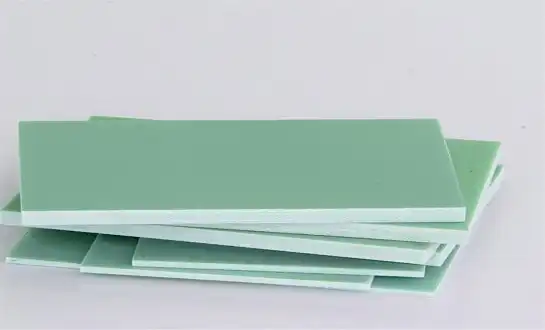
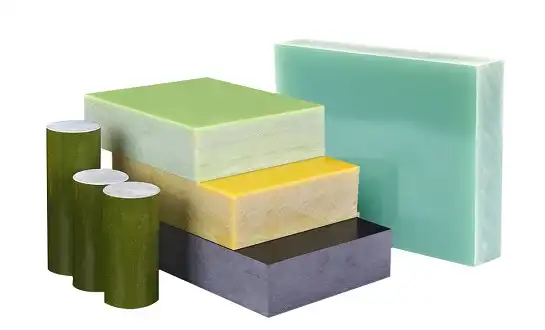
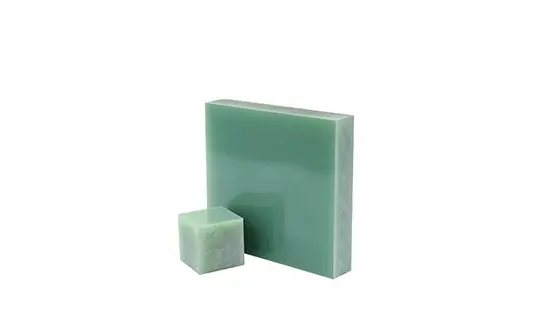
CNC Machining Workflow for Industrial Insulation Sheets
When purchasing and engineering managers look for precisely cut electrical insulation sheet parts, they don't just want to find raw materials. They also need parts that are made to exact measurements and still keep the integrity of the dielectric. Cutting industrial insulation sheets with a CNC machine fills in this gap by turning high-performance materials like FR4 epoxy boards, 3240 epoxy glass cloth laminates, and Insulation Bakelite Sheets into ready-to-install parts for transformers, motor assemblies, switchgear, and power distribution equipment. This automated manufacturing method keeps the temperature and electrical qualities that are important for your application while meeting the tight limits that current electrical systems need.
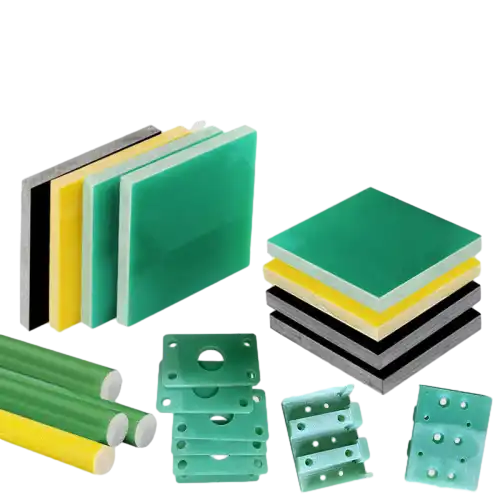
Understanding Industrial Insulation Sheets and Their Machining Requirements
Electrical-grade insulation materials are harder to work with when they are being made. In contrast to metals and thermoplastics, materials like phenolic laminates and epoxy glass composites are thermoset polymers. These stay hard when heated but release particles when cut. FR4 sheets have woven glass fibres that can quickly dull cutting tools. Insulation Bakelite Sheet, which is made by injecting phenolic resin into kraft paper under high pressure, can be machined cleanly but gives off phenol vapours that need to be ventilated properly.
It is very important to understand the mass of things. The density of 3240 Epoxy Glass Cloth Laminated Sheet Insulation Sheet is between 1.90 and 2.20 g/cm³, and its tensile strength is over 340 MPa perpendicular to the laminations. This means that it can be used for structural insulation uses where mechanical loads are high. Phenolic paper laminates, on the other hand, usually measure around 1.45 g/cm³ and have great insulating qualities but less mechanical strength. The choice of tools, feed rates, and fixturing methods are all based on these physical differences.
It is still very important to keep the dielectric strength while cutting. Vertical dielectric strength is an important property of electrical insulation materials. High-quality 3240 sheets can achieve ≥14.2 MV/m in transformer oil, which is about >35kV for 3mm thickness. Any delamination, micro-cracking, or pollution that happens during production makes this performance worse. This is taken care of by CNC machining, which uses controlled cutting settings that keep the insulation resistance needed for high-voltage applications while minimising heat buildup and mechanical stress.
Step-by-Step CNC Machining Workflow for Insulation Sheets
Design and Programming Phase
The process starts with preparing the CAD file so that it meets the needs of your program. Engineering teams provide sketches that show the important measurements, margins (usually ±0.1mm for precision electrical parts), and edge finish needs. Our programmers take these specs and turn them into CNC toolpaths that work best with thermoset composites. They take into account things like the stiffness of epoxy laminates and the fact that they don't absorb much water (<0.5%).
Making toolpaths for electrical insulation materials is very different from making toolpaths for metals. Edge chipping is less likely to happen in glass-reinforced materials when you use climb milling methods, and heat buildup that could change the dielectric qualities is avoided with adaptive clearing strategies. The software takes into account the spring-back properties of each material and changes the end sizes to match. This makes sure that the parts meet your tolerance requirements after the stresses of cutting have gone down.
Material Preparation and Fixturing
Choosing the right insulation sheet stock is the first step in making good machines. We find products that meet GB/T 1303-2009, IEC 60893 standards, and ASTM requirements. Before starting the cutting process, we check the certificates of compliance. A pre-cutting check makes sure that the thickness is regular, the surface is flat, and there are no holes or other flaws that could affect the quality of the machining or the electrical performance.
Fixing methods for insulation sheets need to make sure that clamping forces are spread out properly to keep the sheets from twisting or breaking. Vacuum tables are good for sheets that are less than 3 mm thick, while special jigs with soft-jaw locking work better for structural laminates that are thicker. The setup keeps the material stable during high-speed operations and keeps pressure points away from areas that could cause delamination. This is especially important when working with stacked composites like 3240 epoxy sheets.
Machining Execution and Quality Control
The choice of tool has a direct effect on both the quality of the surface and the speed of production. Fibre loss is kept to a minimum in glass-reinforced materials by using carbide end mills with smooth openings and sharp cutting edges. When working with rough materials, diamond-coated machining makes the tools last longer. Spindle speeds are usually between 12,000 and 18,000 RPM, and feed rates are changed depending on the density of the material and the direction of the layers. Cutting perpendicularly through laminations needs different settings than cutting parallelly.
Monitoring in real time during cutting finds problems before they hurt the quality of the part. Using coordinate measure systems, our workers keep an eye on cutting forces, trends of tool wear, and changes in dimensions. At regular times, inline inspection checks the most important measurements, and statistical process control lets you know if anything is starting to go beyond what is allowed. This care makes sure that each batch is the same, which is very important for OEM production lines that have to be able to exchange parts.
Post-Processing and Finishing
Edge quality has a big effect on both how well electricity works and how quickly things can be put together. When phenolic and epoxy materials are machined, the edges may have tiny cracks or fibres that are revealed. These can be electrical discharge paths. Deburring processes with tiny abrasives or special tools make these surfaces clean without contaminating them. During routing, climb-cut closing passes are often used to leave compressive forces on the edge surfaces, which makes the machine last longer.
Managing the dust during post-processing saves both the quality of the part and the safety of the workers. Industrial extraction systems that meet health and safety standards are needed to get rid of glass fibre dust from FR4 cutting and phenol particles from Bakelite processing. When parts need to be put together, they are cleaned with compressed air and then wiped down with a cleaner. The final package is made of anti-static materials that protect the edges from damage while being shipped.
Comparative Analysis of Machined Insulation Sheet Types
Electrical Performance Characteristics
The power and temperature needs of the product determine the choice of insulation sheet material. Insulation Bakelite Sheet is rated as Class E (continuous operation at 120°C) and has a dielectric strength of 10–12 kV/mm in oil-immersed uses. This makes it a cheap choice for low- to medium-voltage switches and distribution panels. In normal situations, its insulation resistance is higher than 100 MΩ, which is more than enough for most power transfer tasks where arc barriers separate the phases.
The 3240 epoxy glass cloth laminate can work at higher temperatures, either Class F (155°C) or Class B (130°C), based on the type of resin used. It can also stay stable in transformer oil at 90°C. This heat power works well for motor parts and places with high temperatures where phenolic materials would break down. When designing small switches, where insulation thickness needs to be kept to a minimum without losing electrical safety, the material's higher vertical dielectric strength becomes very important.
Mechanical and Machining Properties
The suitability for structural uses is based on the flexural strength. Epoxy glass laminates have better mechanical performance, with a bending strength of more than 340 MPa. This means they can be used as load-bearing barriers and mechanical fillers that are vibrating and changing temperatures. Phenolic paper laminates have a middling bending strength (≥100 MPa), which is good for static barriers and attachment parts where steadiness in size is more important than load capacity.
The traits of machinability affect how well and how much something is made. Insulation Bakelite Sheet machines very easily, causing little tool wear and producing edges without burrs when the right methods are used, such as hot drilling (pre-heating to 80°C–100°C for thicknesses greater than 1.5mm), which reduces the risk of delamination. When making precision pieces, it's important to keep in mind that glass-reinforced materials need more aggressive tools and slower feed rates. This means that each part takes longer to machine, but the dimensions stay stable at higher and lower temperatures.
Cost and Supply Chain Considerations
The price of a raw material depends on how complicated its makeup is and how well it works. Phenolic laminates usually have lower prices per kilogram, which makes them a good choice for high-volume uses like device insulation frames and PCB drilling backup boards that only need reasonable electrical performance. Epoxy glass composites cost more because they are better at withstanding heat and are strong enough to be used in difficult power transmission and battery barriers for cars.
Planning a job is affected by lead times. Standard sheet sizes and grades keep stock on hand, which makes it possible to make fast prototypes and small batches. Longer production processes are needed for custom formulas that need to meet specific standards or non-standard measurements. Working with providers that keep a wide range of goods in stock, especially those that offer combined services, lowers supply chain risks that are important for electrical equipment and machinery builders to keep to their production plans.
Optimizing Procurement and Supply Chain for Industrial Insulation Sheets
Supplier Qualification and Quality Assurance
When choosing insulation sheet providers, you need to look at a lot of different performance factors. Certification by quality management systems like ISO 9001 shows that the manufacturing process is uniform. UL recognition and ROHS compliance show that the materials meet the rules for electrical safety and environmental protection that apply to electrical equipment. For each production lot, suppliers should give test results on the material's electrical strength, bending qualities, and water absorption. This way, approved equipment can be put together with confidence.
Long-term buying partnerships with skilled sellers offer benefits above and beyond lower unit costs. When choosing a material, having technical support can help you avoid making mistakes that could cost a lot of money. For example, an engineering manager deciding between NEMA Grade XX and XXX Bakelite for a medium-voltage application can benefit from the supplier's knowledge of how to match electrical power needs to service conditions. Quick response times for communication routes help settle quality issues, limiting production stops when unexpected material behaviour happens during assembly or cutting.
Integration with Manufacturing Operations
Electrical shielding uses that are understood by CNC cutting services add a lot of value. When suppliers do a design-for-manufacturability review, they look for problems like corners that are too small, which puts too much stress on one area, or holes that are placed on top of lamination layers, which increases the risk of delamination. This teamwork method cuts down on the number of sample versions, which speeds up product development times and is very important in the competitive electrical equipment market.
Just-in-time shipping of made parts speeds up the manufacturing process. Instead of keeping a lot of raw sheet stock on hand and setting aside a lot of time to machine it themselves, electrical makers can get precision-cut parts that are timed to fit their assembly plans. This lean method cuts down on the need for working capital while still making sure that parts come with the most up-to-date quality standards. This approach works best when sellers keep regional warehouses and linked transportation networks that allow for quick delivery.
Customization Capabilities and Flexibility
More and more, modern electrical equipment needs specific insulator shapes. Automobile battery pack walls need to have complex shapes that match the configurations of the cells, while switchgear makers ask for complex busbar support structures. CNC cutting gives you this level of customisation without the need to buy expensive tools like you do for pressing or moulding. Supporting rapid product development methods, design changes can be made quickly by updating the code instead of making changes to the tools themselves.
Batch size versatility is important in all fields. Manufacturers of home appliances need to be able to make a lot of them at a uniform quality level and at a price that is competitive per unit. Power delivery companies may need small amounts of specialised transformer insulation that meets strict quality standards. Machining providers that can handle both situations—automated production for large orders and skilled setup for one-of-a-kind items—add value to all of your products.
Future Trends and Innovations in CNC Machining of Industrial Insulation Sheets
Advanced Machining Technologies
Multi-axis CNC tools processing insulation sheet make it possible for electrical insulation parts to have more and more complicated shapes. Five-axis machining can make curved surfaces and compound angles in a single setup, so there are no mistakes in moving that could affect the accuracy of the measurements. This feature comes in handy when making insulation for small motor designs or custom transformer systems, where three-dimensional shapes help control electrical fields and heat better within limited spaces.
Robotic robotics and CNC cutting work together to make output more efficient. Automated filling systems take care of the sheet stock, and robotic arms with vision systems remove and position parts for secondary activities. These systems keep cycle times constant and cut down on labour costs, which makes them especially useful for industries that make a lot of things, like the car and gadget industries. The technology also makes workers safer by reducing their exposure to dust and the risks of doing the same thing over and over, which are common when moving things by hand.
Material Innovation and Sustainability
Bio-based thermoset resins are a new type of material that is being developed to help the climate. These materials have the same electrical and temperature performance as phenolic and epoxy systems made from petroleum, but they leave smaller carbon footprints. Because the chemistry of the plastic has changed, the machining properties are slightly different. This means that flexible cutting techniques and parameter optimisation are needed. Being an early adopter is good for makers because customers are putting more and more value on ecology when making purchasing decisions.
For decades, thermoset plastics were thrown away in landfills, but now there are more efforts to recycle them. Glass fibres from epoxy laminates can be reused in lower-grade composites through pyrolysis processes. Ground phenolic materials are used as fillers in other situations. Machining businesses that make a lot of scrap take part in these circular economy programs. This shows environmental responsibility, which is respected by power company customers and industry customers with sustainability requirements.
Digital Integration and Quality Systems
IoT monitors in real-time tracking tools change the way quality control is done. Spindle load tracking finds tool wear before it damages the surface finish, and sound emission monitors find cracks or delaminations that happen while the tool is cutting. This information goes into predictive maintenance algorithms that change tools and service machines based on real-world conditions instead of random times. This makes sure that the machines are always running and that the quality of the parts stays the same.
Digital twin technology lets you improve a process without stopping output. Changes to parameters in virtual models of machine processes are tested to see what happens to cycle time, tool life, and part quality. This simulation-based method speeds up efforts to keep getting better, which is especially helpful when adding new insulation materials or working with tricky shapes. As a result, process knowledge builds up into institutional experience, which makes a business more competitive.
Conclusion
Electrical-grade insulation sheet materials can be turned into useful parts that meet the strict needs of modern mechanical and electrical systems using precise CNC cutting. Understanding the features of materials, like how Insulation Bakelite Sheet has a Class E thermal rating and is easy to machine, and how 3240 epoxy glass cloth laminates have a Class F temperature rating and high mechanical strength, lets you choose the best material for the job. The organised process from CAD programming to post-processing makes sure that the dimensions are correct and that important electrical qualities are kept. Strategically working with experienced providers for purchases ensures quality, makes the supply chain more reliable, and allows for customisation, all of which are important for manufacturing businesses that need to be competitive.
FAQ
What kinds of shielding work best with CNC machines?
When the right tools and settings are used, phenolic laminates (Bakelite), FR4 epoxy fibreglass sheets, and 3240 epoxy glass cloth can be machined well. These thermoset materials keep their shape when they are cut and provide uniform quality. The electrical power, working temperature, and motor load needs of your product will determine which material to use.
Does CNC cutting affect how well electrical shielding works?
When you use sharp tools, controlled feed rates, and the right cutting settings, CNC processes keep their insulating strength and insulation resistance. Precision cutting reduces the building of heat and mechanical stress that could cause tiny cracks or delamination. Good post-processing gets rid of any edge material that isn't working right, making sure that made parts meet electrical requirements.
Can you handle both prototypes and mass production?
CNC cutting can handle a wide range of batch sizes, from small prototypes for testing new products to large production runs. Programming-based setup makes it possible to make small batches cheaply without having to buy special tools, and automatic processes make it possible to make a lot of things at once without spending a lot of money. This flexibility helps your project at every stage, from validating the basic concept to full-scale production.
Partner with J&Q for Precision Electrical Insulation Solutions
With more than 20 years of experience, J&Q has been making electrical insulation sheet parts from FR4, 3240 epoxy glass cloth, and Insulation Bakelite Sheet with great accuracy. Our expert team knows how to find the best mix between making parts easy to machine and making sure they work well electrically. They will make sure your parts meet strict standards for dielectric strength and physical tolerance. We offer complete quality systems, CNC cutting, and dedicated transportation support, so we can handle everything from choosing the materials to delivering them. Our knowledge is trusted by engineering managers and procurement experts who work with tough switchgear, transformer, motor component, and power distribution tasks.Please email our team at info@jhd-material.com to talk about your needs with a maker of insulation sheets who has experience and knows how to meet your application needs and delivery deadlines.
References
Chen, W., & Anderson, R. (2021). Advanced Machining Techniques for Composite Electrical Insulation Materials. Institute of Electrical Manufacturing Technology.
Kumar, S. (2020). Thermoset Laminate Processing: Quality Control in High-Voltage Applications. International Journal of Electrical Insulation Engineering, 45(3), 127-145.
Thompson, J., & Liu, H. (2022). CNC Parameter Optimization for Glass-Reinforced Epoxy Composites. Manufacturing Technology Review, 18(2), 89-104.
National Electrical Manufacturers Association. (2019). Standards Publication: Industrial Laminated Thermosetting Products (NEMA LI 1-2019). NEMA Standards Publications.
Rodriguez, M. (2023). Supply Chain Strategies for Electrical Component Manufacturing. Journal of Industrial Procurement Management, 31(1), 56-73.
Zhang, Q., & Williams, P. (2021). Sustainability in Thermoset Composite Manufacturing: Current Practices and Future Directions. Green Manufacturing Quarterly, 12(4), 201-218.

Get a complete product list and quotation
J&Q New Composite Materials Company