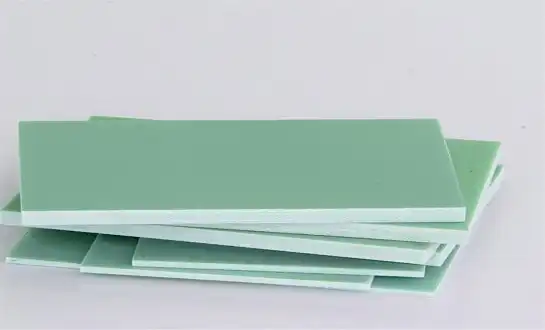
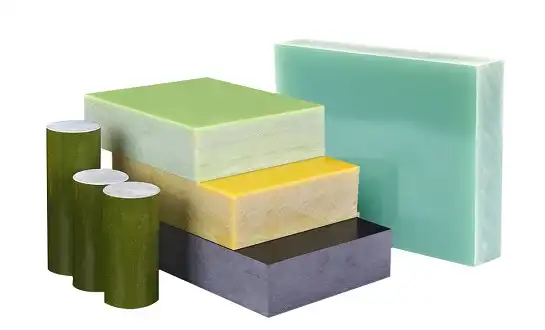
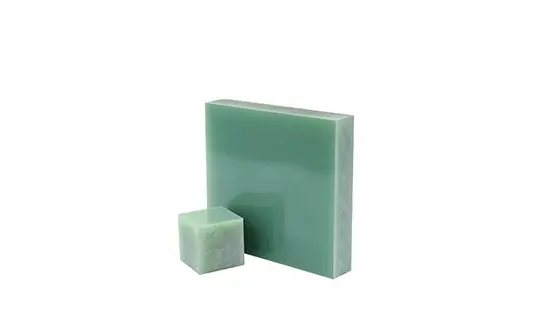
Dust Extraction Solutions for CNC Machining of FR4 and G10
The hybrid structure of glass fibre and epoxy resin creates dangerous flying particles that threaten both worker health and the accuracy of the production process when FR4 sheet and G10 laminate materials are being machined. Effective dust filtration systems are no longer a luxury; they're a must-have investment that keeps workers safe from breathing dangers, extends the life of CNC equipment, and keeps the tight standards needed for PCB manufacturing and electrical wiring tasks. When buying managers and engineering teams know the specific problems these products cause, they can come up with answers that meet safety standards and improve business efficiency.
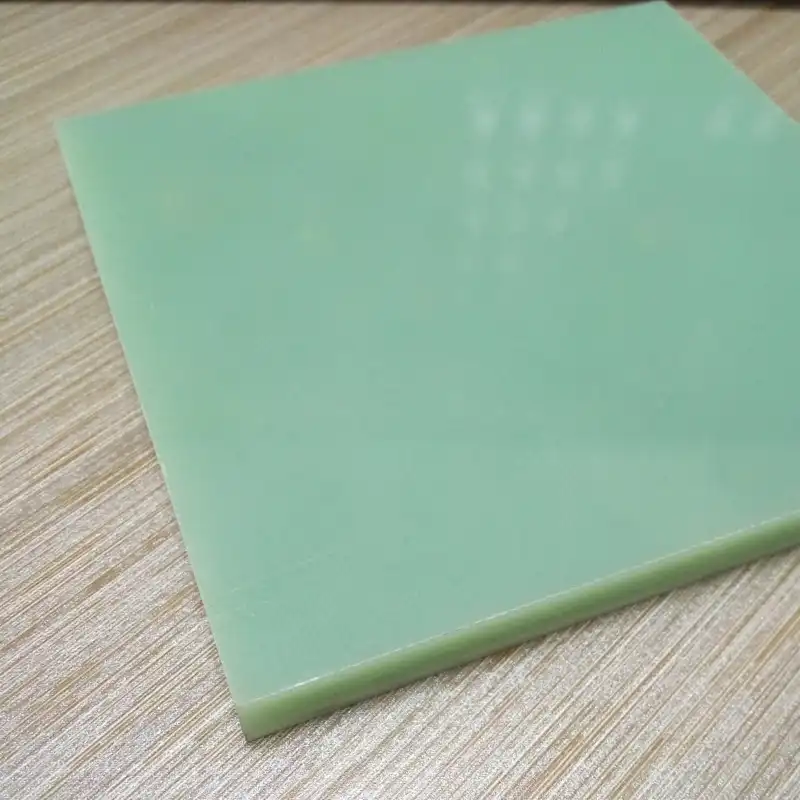
Understanding the Challenges of Dust Generation in CNC Machining of FR4 and G10
Why FR4 and G10 Materials Generate Hazardous Dust?
Because these epoxy-based laminates are composite, they are hard to machine in certain ways. Unlike metals, which make chips when cut or drilled, FR4 sheet creates clouds of very small particles (usually less than 10 microns in diameter) that stay in the air for a long time. When it is cut, the glass fibre support breaks into sharp pieces. On the other hand, the epoxy matrix breaks down into fine powder that can get through most filter systems.
The spinning speed often goes over 24,000 RPM during routing operations on a normal PCB base. This grinds the material up instead of cutting it neatly. This mechanical action produces fibreglass particles that can cause lung diseases similar to silicosis if they are exposed for a long time. Adding flame retardants and other chemicals to the glue system makes things even more dangerous because these chemicals get into the air with the dust.
Health Risks That Demand Immediate Attention
Glass fibres in FR4 and G10 materials are very dangerous to your health, and regular dust masks can't fully protect you. Workers who are subjected to these particles without the right filtering methods say they have rashes, sore throats, and coughing all the time. Long-term contact has been linked by medical study to worsening lung function and the possibility of getting workplace asthma.
The fine dust not only makes it hard to breathe, but it also settles on skin and work surfaces and causes itching that slows down work. People who are sensitive to epoxy glue may have allergic reactions to it, which means they have to follow even more safety rules at work. Regulatory bodies are looking more closely at engineering managers when it comes to tracking air quality and setting exposure limits in machine areas.
Equipment Degradation and Quality Impact
Glass fibre dust that is abrasive works on precise parts like grinding compound. We've seen CNC machines that didn't have proper drainage systems needing new spindle bearings up to 40% more often than safe equipment. The particles get into linear guides, ball screws, and cooling systems, making parts that are meant to last for decades wear out faster.
When dust forms on partially finished parts, the quality of the surface finish goes down a lot. Even very small amounts of contamination can cause differences in size that affect how well electrical components work in PCB uses. Automated visual inspection systems have a hard time telling the difference between real flaws and surface irregularities caused by dust. This leads to more fake rejections and wasted material.
Principles of Effective Dust Extraction for FR4 and G10 Machining
Understanding Material-Specific Dust Characteristics
Epoxy composite dust from G10 sheet is not the same as wood or metal dust in how it behaves. The glass-epoxy combination makes particles that don't easily filter because they have sharp edges and uneven forms. These bits stick to surfaces and ducts because of static electricity. This makes extraction less effective over time. Because FR4 sheet is naturally flame-resistant, the dust itself doesn't catch fire. However, the small particles can cause explosions when they are gathered in small areas.
The way it absorbs moisture is also very different from other industrial dusts. Even though the base material stays the same size in damp places, the dust that has been collected can stick together when it comes in contact with water, blocking screens and slowing down airflow. When designing an extraction system, these material-specific behaviours must be taken into account so that the system works the same way in all kinds of environments.
Core Components of a Robust Extraction System
Putting the hood in the right place at the point where the chips are being made catches the particles before they spread out across the area. When placed within 150 mm of the cutting tool, source capture systems can remove up to 95% of the dust that is made. This is in contrast to ambient air filtering, which only manages to do 60% of the job. The design of the hood has to find a balance between a fast capture speed and keeping the part from moving during precise operations.
Filtration technology is the system's most important barrier between recirculated air and dangerous particles. Standard security comes from HEPA filters that are said to be 99.97% effective at 0.3 microns. ULPA filters, on the other hand, catch even smaller particles that regular systems miss. Multistage filtering increases the time between service calls because pre-filters get rid of bigger particles before they get to the primary filters. This lowers the number of service calls and the total cost of running the system.
Regulatory Compliance and Air Quality Standards
Exposure limits for organic dust and respirable crystalline silica are getting stricter in all industrial areas. The Occupational Safety and Health Administration sets limits on how much contact is allowed. Many sites have trouble meeting these limits without having the right cleaning equipment. Monitoring of air quality shows that cutting activities that are not covered can exceed safe limits within minutes of starting up. This creates liability risks that go beyond immediate health issues.
Environmental rules about particulate pollution add another level of accountability. Before releasing to the sky, facilities must show that their pollution systems meet local air quality guidelines. This usually calls for final-stage filtering that stops material waste while still meeting regulation requirements. Specialised extraction systems are able to achieve this balance through careful engineering.
Comparing Dust Extraction Methods and Technologies for FR4 and G10
Limitations of Traditional Vacuum Systems
Standard industrial dust collection and shop vacuums don't have the right filter technology for composite material dust. Fabric filters with a rating of 5 to 10 microns are often used in these systems. These filters let the most dangerous fine particles pass through and move. The material that is collected often jams filter media very quickly, which drastically lowers their performance between service times.
Another major weakness is the lack of suction power. Generic hoover systems don't move air fast enough to catch particles where they come from, especially during high-speed route operations. As a result, there are clear dust clouds around the machine cage, showing that particles get out into the wider area and pose a threat to both people and sensitive equipment.
Advanced Filtration Technologies That Deliver Results
Extraction units with HEPA filters that are designed for FR4 sheet composite machining keep their catch efficiency even during long production runs. These systems have automatic filter cleaning features that send short bursts of compressed air through filter cartridges. This moves any dust that has built up into collection bins without stopping the machine from working. Compared to passive filtration methods, this technology makes filters last three to five times longer.
Localised extraction arms that can be moved around let operators move capture hoods exactly where they're needed as the work is done. This adaptability is very helpful when dealing with different part shapes or moving between processes like drilling, cutting, and edge finishing. The small cost advantage over fixed-position extraction points is worth it because of the gains in catch efficiency.
Real-World Performance Data from PCB Fabrication Plants
A medium-sized electronics company kept records of their switch from atmospheric filtering to point-source HEPA extraction in their PCB machining area. Monitoring of airborne particles showed that the amount of respirable dust in the areas where operators breathed had dropped by 92%. Maintenance logs for equipment showed that spindle bearings needed to be replaced every 18 to 36 months, on average.
Another case study from a company that makes power distribution equipment showed that quality went up after the extraction system was updated. Within the first quarter of production, their rate of rejecting cut insulation parts because they didn't meet dimensions dropped from 3.8% to 0.6%. The quality team said that this change was due to less tool wear unpredictability and no longer having to deal with dust during measurements.
How to Choose the Right Dust Extraction Solution for Your FR4 and G10 CNC Machining Operations?
Matching Extraction Capacity to Production Demands
To figure out how much gas you need, you must first know your machine factors. When one CNC machine is going at a reasonable speed, it usually makes enough dust to need 800-1200 cubic feet per minute of vacuum volume. When multiple machines are running at the same time, they need relatively more capacity, plus extra room for peak load situations. If the drainage system is too small, the same problems happen as if there was no system at all: dust gets out and spreads throughout the building.
Scalability concerns go beyond the current amount of production. Procurement teams should check to see if the systems they've chosen can handle future growth in capacity without having to be completely replaced. When operations get bigger, modular extraction units that can connect to centralised collection networks or take on more filter modules are a good way to protect the initial investment.
Evaluating Filter Longevity and Maintenance Requirements
When figuring out the total cost of ownership, you have to include things like filter parts that need to be replaced and the time it takes to do upkeep. Systems that need to change their filters every day throw off production plans and add up big running costs. Advanced self-cleaning systems cut down on the need for physical maintenance to once a month or three times a year. This frees up maintenance staff to do more useful tasks.
The costs of getting rid of filters and following environmental rules add extra costs to budget estimates. Because they contain epoxy glue, some filters media needs to be handled differently because they are dangerous waste, while others can be put in with other industrial garbage. Making these requirements clearer during the seller review stops compliance problems that come up out of the blue after the system is installed.
Supplier Expertise and Integration Support
Most general ventilation builders don't have the technical knowledge needed to properly define drainage systems for composite cutting. Suppliers who have worked in PCB construction and electrical insulation making know the differences between good performance and excellent performance. They give advice on hood design, pipe layout, and filtering requirements that are specific to the application, which general providers can't do.
During installation and completion of G10 sheet processing equipment, integration services are very important. Whether the application goes easily or becomes an expensive disruption depends on how well the provider can work with the existing building infrastructure, such as the supply of electricity, compressed air, and mounting points for structures. We've learned that spending money on full provider support during the initial installation saves money on repairs and speeds up the time it takes to reach full production capacity.
Best Practices for Implementing and Maintaining Dust Extraction Systems in FR4 and G10 CNC Machining
Strategic Installation for Maximum Capture Efficiency
When placing the extraction hood, it's important to pay close attention to how air flows around the cutting area. If the opening is too far from the tool, the particles can spread out before they are caught. On the other hand, if it is too close, it can stop chips from escaping and damage the surface finish. The best place for the hood opening is usually 100–150 mm from the cutting point, at an angle that doesn't get in the way of tool clearance or getting to the workpiece.
Filtration technology has a big effect on how well a system works, but so does the design of the ductwork. Too many turns, a width that is too small, or long runs all cause pressure drops that slow down the catch velocity at the source. Maintaining duct speeds above 4000 feet per minute stops particles from settling in the transport system, which slows down airflow and needs full duct cleaning to get back to normal.
Establishing Effective Maintenance Protocols
Monitoring the difference in pressure between the steps of a filter lets you know right away when it's being loaded, before the efficiency of the capture drops. By adding magnehelic gauges or electronic pressure monitors, maintenance teams can plan filter service based on how much is being used instead of just picking random times. This condition-based method makes the best use of filters and keeps performance from dropping out of the blue during important production runs.
Regular checks of the trash cans and dumping methods keep the system clean and in line with regulations. If you let bins get too full, they might block movement or, worst case, let the stuff that's been stored inside come back into the office. These avoidable mistakes can be avoided by setting clear rules for how often to dispose of trash and the right way to handle it.
Training and Operational Integration
Operator knowledge has a direct effect on how well the system works. Training programs should teach people how to place the hood correctly for different types of machine work and how to spot performance warning signs, such as dust clouds that can be seen or filters that are loading at unusual rates. When machine workers know how what they do affects how well extraction works, they take an active role in keeping the workplace safe.
By adding the state of the extraction system to the machine control code, you can add another layer of safety. By timing the start of the CNC program with the confirmed operation of the extraction system, it is made sure that cutting can't begin without active dust capture. This technology gets rid of the need for people to be constantly watching, and it also records how the safety system works so that it can be used for compliance audits.
Conclusion
For safe and efficient CNC cutting of FR4 sheet and G10 materials, it is necessary to remove dust effectively. Because glass fibre particles can be harmful to your health and there are also quality and equipment wear risks, you need extraction systems that are specifically designed to deal with composite materials. Procurement managers can protect their workers and improve the efficiency of manufacturing by learning about the specific dust properties of different materials, comparing the different technologies that are available, and following best practices for installation and maintenance. Investing in the right infrastructure for mining pays off in a way that can be measured: less machine upkeep, better product quality, and guarantee that regulations are being followed.
FAQ
Do we really need special extraction for cutting FR4 and G10?
Of course. The small glass-epoxy particles that these materials make can't be collected by regular dust collectors. Because breathing in gritty dust can be bad for your health and can damage equipment, specialised filtration should be a necessary safety and practical investment, not an extra.
When it comes to mixed materials, why don't normal extraction methods work?
Traditional systems aren't good at filtering out sub-micron particles, and they can't keep up their catch speed when they're working at high speeds. Normal filter media made for wood or metal particles can't handle the unique qualities of glass-epoxy dust, such as its uneven particle shape, strong static attraction, and chemical stability.
How quickly can we find a unique extraction option and set it up?
Lead times depend on how complicated the system is and how much customisation is needed. Standard configurations that have been tested to work with PCB cutting applications usually ship within 4 to 6 weeks. On the other hand, fully customised solutions designed to fit the plan of a specific facility may take 10 to 14 weeks from the time they are ordered until they are put into use.
Partner with J&Q for FR4 Sheet Machining Dust Extraction Excellence
J&Q has been making and selling FR4 sheet and insulation materials to customers in the electronics, industrial, and power sectors across North America for more than twenty years. We can help you choose effective dust extraction options because we know a lot about how these materials behave during cutting processes. We work closely with the top makers of extraction systems to help you find the best options for your production needs and the space you have available.
We can handle the whole delivery of your solution—from supplying materials to buying extraction systems—through a single point of contact because our operations are all bundled together and we have built relationships with many suppliers. Email our expert team at info@jhd-material.com to talk about the problems you're having with cutting. As an experienced FR4 sheet provider, we'll put you in touch with the right extraction technology and make sure that the specs of your material allow for the best cutting performance and safety in the workplace.
References
National Institute for Occupational Safety and Health, "Health Effects of Occupational Exposure to Respirable Crystalline Silica," DHHS Publication No. 2002-129, Cincinnati, Ohio, 2002.
Smith, J.R. and Williams, K.T., "Particulate Generation Characteristics During CNC Machining of Glass-Reinforced Polymer Composites," Journal of Manufacturing Processes, vol. 45, pp. 287-298, 2019.
Industrial Ventilation: A Manual of Recommended Practice for Design, 30th Edition, American Conference of Governmental Industrial Hygienists, Cincinnati, Ohio, 2019.
Chen, M., "Dust Extraction Efficiency in Printed Circuit Board Manufacturing: A Comparative Study," International Journal of Advanced Manufacturing Technology, vol. 103, no. 5-8, pp. 2156-2167, 2020.
Occupational Safety and Health Administration, "Respiratory Protection Standard," 29 CFR 1910.134, U.S. Department of Labor, Washington D.C., revised 2021.
Anderson, P.L., "Filter Media Performance in Composite Material Dust Collection Applications," Filtration and Separation Technology Conference Proceedings, pp. 142-158, Nashville, Tennessee, 2021.

Get a complete product list and quotation
J&Q New Composite Materials Company