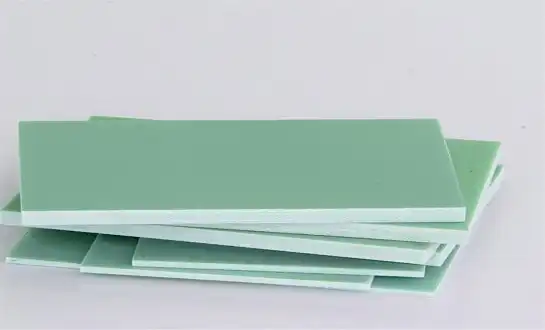
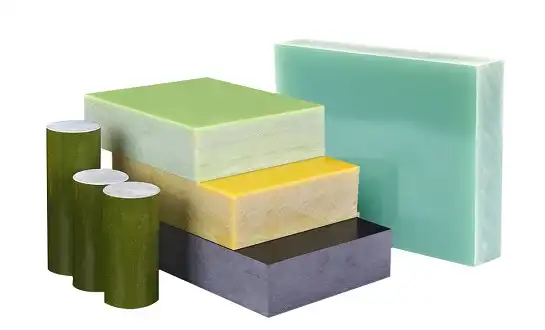
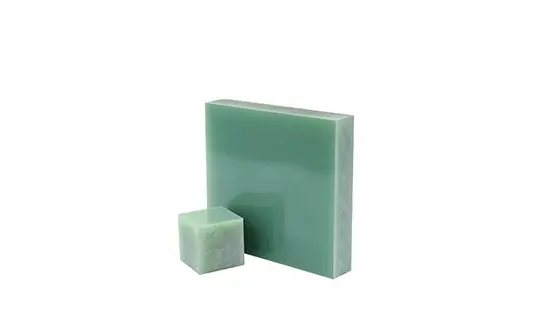
The Secret to High-Performance Bakelite Sheets
The thermoset molecular structure of Bakelite sheets is what makes them so useful. This structure is made by phenol-formaldehyde polymerization under controlled heat and pressure. In contrast to thermoplastics, which soften when heated, Bakelite sheets form irreversible cross-linked bonds during curing. This gives them great stability in size, dielectric strength above 12 kV/mm, and tensile integrity at temperatures up to 300°F. Because these chemicals change in a way that can't be undone, they are essential for electrical insulation, high-voltage switches, and precise mechanical parts where thermal creep and electrical breakdown would threaten safety and dependability.
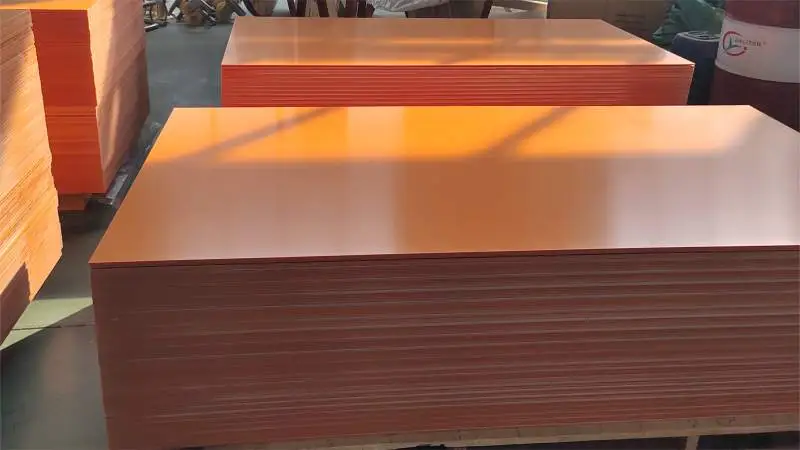
Understanding Bakelite Sheets: Properties and Performance Fundamentals
The Heritage and Chemical Foundation of Bakelite
Bakelite was created by Leo Baekeland in 1907 and was the first fully manufactured plastic in the world. It is a thermosetting phenol formaldehyde resin that is made through condensation processes. It was named a National Historic Chemistry Landmark by the American Chemical Society because it showed how this invention changed the chemistry industry from making dyes and explosives to making modern polymers. To make bakelite sheets, layers of cellulose paper or cotton cloth are mixed with phenolic resin and then heated and pressed together to start the polymerization process. Depending on the support material used, this process makes a stiff, thick laminate that is called SRBP (Synthetic Resin Bonded Paper), phenolic paper laminate, or phenolic cotton laminate in different fields.
Core Physical and Electrical Properties
The material is very good at not conducting electricity because of the way its molecules are arranged. This arrangement stops electrons from moving even when high voltage is applied. Values for dielectric strength always go above and beyond what the industry needs for busbar isolators, fuse blocks, and transformer spacers. Because it can withstand temperatures up to 300°F, it can be used continuously in places where regular plastics would break or bend. Low moisture absorption is important for outdoor electrical uses because it keeps the insulation working well even when the humidity changes. Because these sheets are chemically resistant to oils, solvents, and weak acids, they can be used in tough industrial settings where the uptime of equipment depends on the integrity of its parts.
Mechanical Strength and Machinability
Bakelite sheets have high compression strength, which means they can hold up against heavy loads in gears, spacers, and structural parts. Tight thickness tolerances are kept by the dense layered structure, which is important for precise CNC cutting. When the right tools and processes are used, manufacturers can drill, mill, cut, and shape sheets without chipping or delaminating them. This machinability makes it possible to make unique parts that meet OEM requirements more cheaply and faster than with cast or molded options. The arc resistance of the material stops electricity from moving on surfaces that are exposed to high-voltage arcing. This makes circuit breakers and commutator insulation last longer.
Industrial Applications Across Sectors
Electrical and electronics companies use phenolic laminates to support PCBs, insulate switches, and separate motor components. The material meets the standards for UL and RoHS compliance, which is needed for industrial electrical goods sold in North American markets. Power distribution companies use Bakelite sheets to protect coils and arcs in transformers because they are resistant to flames and don't change temperature, which keeps catastrophic breakdowns from happening. Automotive makers use these sheets to make battery pack barriers and heat-resistant fixtures, especially for electric vehicle uses that need to control temperature. Manufacturers of industrial machinery use phenolic cotton sheets to make parts that don't wear out and mechanical gaps that can handle constant friction and mechanical stress.
Comparing Bakelite with Alternative Materials for High-Performance Applications
Phenolic Laminates Versus Epoxy-Based Composites
Epoxy resin laminates, such as FR4, can handle higher temps and are better at resisting chemicals. However, phenolic sheets are more cost-effective for uses where the temperature stays below 300°F. Epoxy materials are great for making layered PCBs because they stick better and lose less insulation at high frequencies. Phenolic laminates, on the other hand, have much lower material costs and still provide good electrical performance for single-layer boards, switches, and motor shielding. When epoxy's superior performance qualities go beyond what is needed for an application, procurement teams in charge of large production runs often choose phenolic sheets instead.
Melamine and Acrylic Alternatives
Melamine laminates have a very hard surface that doesn't scratch easily, so they can be used for artistic purposes and on furniture. Their thermal performance is good enough for market goods, but not as good as Bakelite sheets when it comes to electrical protection. Acrylic pieces are good for displays because they are clear and look nice, but they aren't strong enough or resistant to heat to be used for electrical parts. These materials are used in specific markets where looks are more important than electrical or heat performance.
Thermoplastic Engineering Polymers
Modern industrial thermoplastics, such as PEEK, polycarbonate, and nylon, have great mechanical qualities and can be shaped with an injection mold to make complicated shapes. Because these materials get soft when heated, they can't be used in places where the electricity is very hot. Thermoplastics also have higher thermal expansion rates, which can make it hard for precision mechanical systems to keep their shape. Because Bakelite is thermoset, these worries are taken away because the dimensions stay the same even when the temperature changes. The trade-off is that you can't make as many different designs because thermoset materials can't be molded; they have to be machined.
Procuring High-Quality Bakelite Sheets: What B2B Buyers Need to Know
Material Quality Indicators and Certification Standards
To spot real high-performance Bakelite sheets, you need to know how to read key quality marks. The finish on the surface should look even, with no delamination, holes, or resin-rich spots that show bad sealing. When colors stay the same across production batches, it means that the manufacturing process was managed. Material test records from reputable sources show the dielectric strength, flexural strength, and heat deflection characteristics of the material. Certification that meets MIL-I-24768 military guidelines or similar industry standards shows that strict quality standards are being followed. RoHS compliance and other environmental certifications make sure that goods don't contain any restricted chemicals, which is important for products sold in controlled markets.
Specification Options and Customization Capabilities
Phenolic sheets come in a range of thicknesses, from 0.5 mm to 50 mm, so they can be used in a wide range of situations. Standard sheet sizes are the rule in the business, but custom sizes can save money on materials for large sales. For general-purpose uses, paper-based laminates provide adequate electrical protection. On the other hand, cotton cloth reinforcement gives load-bearing parts better mechanical strength. Certain surface processes can improve certain qualities. For example, sanding one side makes it easier for adhesives to stick, while keeping both sides smooth improves electrical performance. Talking to technical sales teams about the specifics of an application helps them find the best material types that meet performance needs and budget limits.
Supplier Evaluation and Procurement Strategy
Established makers with decades of experience make sure that their processes are always the same, which means that you can trust the quality of their products. When factories have their own testing labs, they can check the features of materials before they are shipped, which makes it easier for inspectors to do their jobs. When suppliers give manufacturing services like CNC machining, die cutting, and drilling, they add value and shorten supply chains. When you buy something from another country, logistics play a big role. Suppliers with specific shipping partners or combined logistics operations can give you more accurate lead times. Total landed costs, such as freight, duties, and handling fees that affect the general economics of buying, should be compared to bulk price models.
Optimizing Performance and Longevity of Bakelite Sheets in Your Applications
Proper Storage and Handling Protocols
Controlled storage settings are the first step in keeping the qualities of Bakelite sheets. When phenolic laminates are kept, they should be laid out flat in a temperature-controlled area, out of direct sunshine, which can damage the surface over time. When the humidity is between 40 and 60%, changes in dimensions caused by wetness don't happen, which is good for machining margins. Putting sheets away in protected film or paper keeps the surface clean and free of scratches. When working with bigger sheets, having enough support stops the bending forces that could cause tiny cracks. Over years of managing material inventories, these small details add up to big changes in how well things work.
Machining Best Practices for Clean Fabrication
Choosing the right tools is important for getting clean edges and accurate measurements. When working with rough composite materials, carbide-tipped cutting tools stay sharp longer than high-speed steel. When cutting at moderate speeds and letting enough chips escape, heat doesn't build up and burn the edges or separate the layers. Sharp twist drills with clearance angles that are best for composite materials are good for drilling. Chipping caused by shaking can be avoided by supporting sheets near the cut lines. Operators are protected from phenolic dust by dust collection devices, which also keep work areas cleaner. These methods make tools last longer and make parts that meet size requirements without the need for extra finishing steps.
Maintenance and Cleaning Methods
When properly designed for their working surroundings, Bakelite parts don't need much upkeep. By checking for surface cracks or signs of arc tracking on a regular basis, insulation can be replaced before it fails. To clean, use soft brushes and light cleansers or isopropyl alcohol; stay away from strong solvents that could break down the surface resin. For electrical uses, making sure the fastening hardware has the right amount of torque stops stress builds up that speed up tiredness. Degreasing parts that are often in contact with oils or coolants is a good way to keep their surface insulation qualities. These simple repair steps will extend the life of your equipment without the need for any special skills or tools.
Making the Right Choice: Evaluating Bakelite for Your Business Needs
Matching Material Properties to Application Requirements
Bakelite sheets are naturally a good choice for electrical uses that need high dielectric strength and spark protection. The material's proven electrical performance immediately helps switchgear modules, circuit breaker parts, and transformer insulation. The mechanical qualities of the material are used in gears, bushings, and structural spacers, which all need to be able to handle modest loads and keep their shape. When electrical insulation is needed along with mechanical stress, like in motor parts and battery separators, Bakelite works better than materials that are only used for one reason.
Cost-Performance Analysis for Procurement Decisions
When compared to expensive epoxy composites or engineering ceramics, phenolic laminates offer a good cost-to-performance ratio that procurement workers who are on a tight budget like. When used in places where temperatures stay below 280°F and chemical contact stays within phenolic's protection range, the material works well enough for a lot less money. Stable prices and a wide range of suppliers make it easier to make large quantities of something, which lowers the risks in the supply chain. On the other hand, uses that need top-notch chemical resistance to strong acids or extreme temperature stability above 350°F support the higher costs of premium materials.
Future-Proofing Through Material Innovation
Modern methods for making phenolic laminates include process changes that make older formulas better. Tougher quality controls make the electrical features of different production batches more uniform. Newer plastic formulations can handle higher temperatures while still being cheaper. As environmental rules change, manufacturers are making halogen-free types that don't lose their flame protection. With these small improvements, phenolic materials can still compete with better options. Buying strategies that keep working with forward-thinking suppliers get better grades faster, which can help with new application problems.
Conclusion
In conclusion, high-performance Bakelite sheets continue to provide solid mechanical strength and electrical insulation in a wide range of industry settings. Their thermoset structure gives them heat protection, dielectric integrity, and stability in different sizes, which is why they have been used in electrical systems for over 100 years. For successful procurement, you need to know about the properties of the materials, check out the skills of the suppliers, and make sure that the sheet specs fit the needs of the application. The quality and durability of a component are best when it is handled and machined correctly. When purchasing something, people have to weigh the need for performance against the need to stay within a certain budget. Phenolic laminates have been used in the past to meet technical standards while lowering risk.
FAQ
How can I verify material quality from new suppliers?
Ask for official test results on the material that show its dielectric strength, flexural strength, and moisture absorption numbers. Suppliers with a good reputation give data that is specific to each batch instead of general standard sheets. Before committing to production numbers, you might want to buy sample amounts to test in-house or have a third-party lab confirm the quality. Look for industry certifications and production site accreditations that show that quality systems have been in place for a while. When you visit a production facility, you can learn about quality control and process rules that aren't possible to read in writing.
Are phenolic sheets suitable for outdoor electrical applications?
Depending on how they are designed and fitted, phenolic laminates can work well outside. Their low ability to absorb water keeps their properties from breaking down too much in damp situations. But years of direct UV exposure can chalk the surface and make small changes to its properties. UV-resistant coats or shelters that keep parts out of direct sunlight are useful for applications that need to be outside for a long time. When sides and fixing holes are properly sealed, moisture can't get in and damage the layers inside the laminate.
What environmental considerations affect material selection?
Formaldehyde is found in phenolic resins, which raises questions about how they are made and thrown away at the end of their useful life. Controlled curing stages in modern production methods keep pollution to a minimum. RoHS-compliant types get rid of heavy metals that aren't allowed. Phenolic materials are thermosets, which means they can't be burned down again to be recycled. However, they can be ground up and used as filler in some situations. To compare lifetime environmental effects, you need to look at things like manufacturing energy, transportation routes, product lifespan, and the way the product is thrown away in your unique working setting.
Partner with J&Q for Your Bakelite Sheet Requirements
If you need Bakelite sheets, J&Q is the place to go. J&Q helps companies that make electrical and industrial parts by using its more than twenty years of experience making insulation materials and more than ten years of experience trading internationally. We offer a wide range of products, such as phenolic paper laminates and cotton cloth sheets that are machined to your exact specs. As a provider of Bakelite sheets with combined logistics, we offer a smooth, one-stop service from quote to delivery. Because we have long-term ties with trade partners in both the United States and other countries, we can offer competitive prices on large orders without lowering the quality standards. Technical support teams can help you figure out which types of materials will work best for your needs. Email us at info@jhd-material.com to talk about Bakelite sheets for sale, ask for material specs, or get project quotes that meet your buying goals.
References
Baekeland, L.H. (1909). "The Synthesis, Constitution, and Uses of Bakelite." Journal of Industrial and Engineering Chemistry, Vol. 1, No. 3, pp. 149-161.
DuBois, J.H. (1972). Plastics History U.S.A. Boston: Cahners Books, Chapter 3: "Phenolic Resins and Their Evolution."
American Chemical Society National Historic Chemical Landmarks. (1993). "Bakelite: The World's First Synthetic Plastic." Washington, DC: ACS Publications.
Katz, S. (1984). Classic Plastics: From Bakelite to High-Tech. New York: Harry N. Abrams, pp. 22-45.
Knecht, R.L. (1986). "Phenolic Resins in Electrical Applications." IEEE Electrical Insulation Magazine, Vol. 2, No. 4, pp. 18-27.
Harper, C.A. (2000). Modern Plastics Handbook. New York: McGraw-Hill Professional, Section 4.2: "Thermosetting Resins—Phenolics."

Get a complete product list and quotation
J&Q New Composite Materials Company